Kenya is one of the most iconic safari destinations in the world. From the sweeping plains of the Masai Mara to the wildlife-rich Amboseli National Park, and the breathtaking views of Mount Kenya, the country offers unforgettable experiences to travelers. But for many planning a trip, one common question is: Are Kenya safaris safe for tourists?
The short answer is yes-Kenya is generally safe for tourists who follow guidelines, travel smart, and remain aware of their surroundings. With millions of tourists visiting Kenya every year, most leave with incredible memories and zero incidents. In this blog, we’ll look at the safety of safaris in Kenya, practical tips to stay safe, and how to enjoy your trip with peace of mind. If you plan to visit Kenya, this guide will give you all the information you need.

Nairobi National Park
Safety in Kenya’s Safari Parks and Reserves
Kenya’s safari destinations are some of the safest places for tourists. National parks and game reserves are well-managed, and tourism is a vital industry for the country. Rangers, lodge staff, and guides are well-trained to keep visitors safe and comfortable.
- Masai Mara National Reserve: One of the most visited areas and very secure. Lodges and camps work closely with local communities to maintain peace and safety.
- Amboseli National Park: Known for its elephant herds and view of Mount Kilimanjaro, it is a calm and tourist-friendly destination.
- Lake Nakuru National Park: A compact and safe park famous for flamingos, rhinos, and easy wildlife viewing.
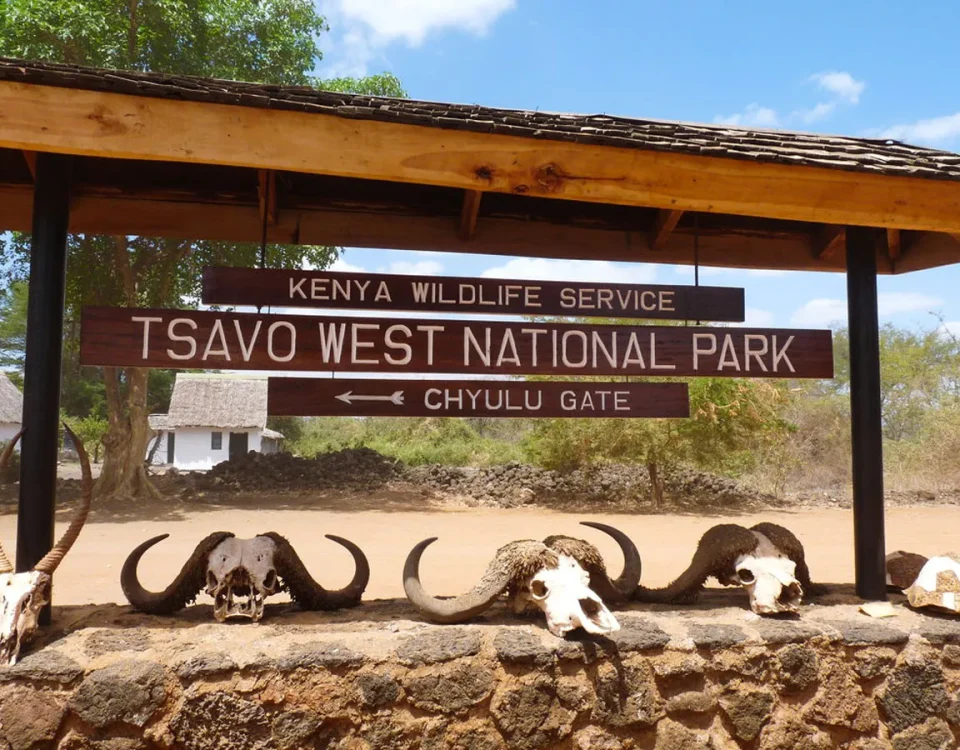
- Samburu, Tsavo East and West, Meru, and more: These parks are in remote areas but are well-patrolled and peaceful for safari-goers.
When you visit Kenya and stick to these popular parks with a licensed guide or tour operator, you are unlikely to face any danger.
Political and Civil Safety in Kenya
Kenya is a democratic country and has experienced political tension in the past, especially around elections. However, most of these events are localized and rarely affect tourist areas.
Tourists are advised to:
- Avoid political rallies or large public gatherings.
- Stay updated through your embassy or local news.
- Use trusted transport arranged by your tour provider.
Tourism police are present in major cities and tourist hubs, and they help ensure that visitors are protected. When you visit Kenya, your travel agency or tour company will typically give updates and advice to help avoid any trouble spots.
Health and Medical Safety on Safari
Health risks exist in any travel destination, and Kenya is no different. However, with the right vaccinations and precautions, you can stay safe.
- Vaccinations: Yellow fever (required), hepatitis A, typhoid, and tetanus are recommended. Malaria prophylaxis is also suggested if you plan to visit Kenya’s lowland regions.
- Food and Water: Drink only bottled or purified water. Eat at lodges or reputable restaurants. Avoid roadside food vendors.
- First Aid: Lodges and safari vehicles often carry basic first aid kits. You should also bring a personal supply of medications.
- Travel Insurance: Make sure it covers emergency evacuation in case of a health issue in remote safari areas.
Good tour operators will brief you on health safety and assist you if you need medical help while on safari. Before you visit Kenya, consult a travel clinic or doctor for the most up-to-date advice.
Wildlife Safety Tips
Wild animals are beautiful to see but can also be dangerous if not respected. Luckily, Kenya’s guides are highly experienced and trained in how to keep guests safe around animals.
Here are some important wildlife safety tips:
- Never get out of the safari vehicle unless your guide says it’s safe.
- Keep your voice low during game drives.
- Do not feed, touch, or approach wild animals.
- Stay inside the camp after dark unless accompanied by a guard.
- Always listen to your guide-they know animal behavior and how to respond.
When you visit Kenya for safari, always treat wildlife with respect and distance. Accidents are extremely rare when tourists follow the rules.
Transportation Safety in Kenya
Getting around Kenya is generally safe, especially if you use registered tour companies. Most safari operators provide well-maintained 4×4 vehicles and experienced drivers.
- Air travel: Many tourists fly between parks using domestic carriers like Safarilink or AirKenya. These airlines are considered safe and efficient.
- Road travel: Roads between cities can be bumpy and busy, but drivers familiar with local routes ensure a smoother and safer journey.
- Self-drive: While possible, self-driving is only recommended for experienced travelers. It’s safer to book a guided tour.
If you want to visit Kenya and enjoy worry-free travel, use reliable transport arranged by your tour provider.
Lodges, Camps, and Accommodation Safety
Kenya’s lodges and safari camps are designed with guest safety in mind. Whether luxury or budget, most camps have:
- 24-hour security
- Fencing or guards to keep out dangerous animals
- Safe drinking water
- Well-trained staff for emergencies
At night, some camps provide escorts between rooms and common areas to ensure safety. You can relax and enjoy your stay without worry. When you visit Kenya, always check reviews and ratings before booking accommodations.
Terrorism Concerns: Is It Still Safe to Visit Kenya?
Kenya, like many countries, has faced terrorist attacks in the past, mainly in Nairobi and near the Somalia border. However, the Kenyan government has improved security, and tourist areas are considered very safe.
Here are tips to reduce risk:
- Avoid travel to areas near the Somalia border.
- Follow local security advice and updates.
- Use airports and tourist areas with visible security checks.
- Register with your embassy while in Kenya.
Hundreds of thousands of tourists visit Kenya every year without any issues. It’s always wise to stay informed and follow official guidelines.
Is It Safe to Travel as a Solo Tourist?
Yes, Kenya is generally safe for solo travelers, including women. Many solo travelers visit Kenya and enjoy unforgettable experiences. However, the same basic rules apply:
- Book with a reputable safari company.
- Don’t walk alone at night, especially in cities.
- Be cautious with valuables and avoid showing wealth.
- Keep emergency contacts handy.
Solo travel is rewarding, and many lodges cater to individuals by organizing shared game drives and group meals. If you’re planning to visit Kenya alone, go with a trusted tour operator.
Community Interactions and Cultural Respect
Kenya is home to many friendly and welcoming communities, including the Maasai, Samburu, Kikuyu, and Luo people. Tourists are often invited to visit villages or attend cultural experiences.
To make your visit respectful and safe:
- Ask before taking photos of people.
- Learn a few words of Swahili-it helps build trust.
- Avoid giving money or sweets to children directly.
- Buy souvenirs from local artisans and fair-trade shops.
Respecting culture and local traditions enhances your experience when you visit Kenya and creates positive impacts for communities.
COVID-19 Safety Measures (Current as of 2025)
The COVID-19 pandemic affected global travel, but Kenya has taken strong steps to protect tourists:
- Most lodges follow WHO and Ministry of Health guidelines.
- Hand sanitizers, masks, and health checks are common.
- Many parks are open-air, offering natural social distancing.
Make sure you check updated health guidelines before you visit Kenya. Your safari company can advise on entry rules, vaccination, and testing if still required.
Tips to Stay Safe While in Kenya
Here are general safety tips to follow when visiting Kenya:
- Book with licensed tour operators registered with the Kenya Tourism Board.
- Keep your passport, cash, and valuables in a hotel safe.
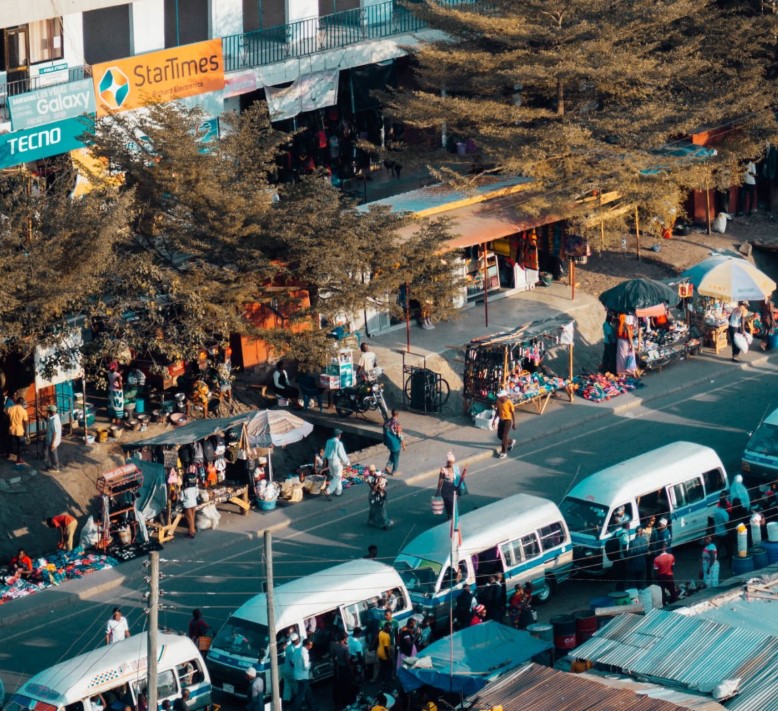
- Avoid walking in unfamiliar urban areas at night.
- Trust your guide’s advice-especially during game drives.
- Stay hydrated and protect yourself from the sun.
- Get a local SIM card to stay connected.
- Download offline maps and keep a printed copy of your itinerary.
Being well-prepared helps ensure you stay safe when you visit Kenya.
What Tourists Say About Safety in Kenya
Most visitors who go on safari in Kenya report feeling very safe and well cared for. Reviews often highlight the professionalism of guides, the comfort of lodges, and the attention to detail in keeping tourists protected.
Here are a few common statements from tourists:
- “We always felt secure, even in remote camps.”
- “Our guide was alert and knew how to keep us safe around wildlife.”
- “I traveled solo and felt welcome and safe throughout my trip.”
These real-life accounts show that if you visit Kenya, especially with a good company, you are likely to have a trouble-free and enjoyable journey.
Yes, Kenya is safe for tourists who follow basic safety measures. Wildlife safaris, game drives, and cultural experiences are well organized and secure. With careful planning, respect for local laws, and listening to guides, your trip will be full of beauty and adventure.
When you visit Kenya, you’re not just going on a holiday-you’re stepping into one of the world’s greatest natural theaters. Millions have done it safely. So can you.
For more safari safety tips or to book your next adventure, visit All in Africa Safaris and let us help you experience Kenya with confidence and care. Book Now!
Recommended Tours: 6 Days Kilimanjaro Hiking Safari | 6 Days Tanzania Wildlife Safari