Batwa Cultural Trail: Walking Through Ancestral Forest Knowledge
The Batwa Cultural Trail offers visitors an opportunity to learn about the ancestral forest knowledge, history and cultural traditions of the Batwa people in southwestern Uganda. Located in Mgahinga Gorilla National Park, the trail introduces travellers to the historical relationship between Indigenous communities and the mountain rainforests of the Virunga region.
For generations, Batwa communities depended on forests for food, shelter, traditional medicine and spiritual practices. Their knowledge of plants, wildlife and seasonal changes supported their livelihoods before their displacement following the establishment of national parks in 1991.
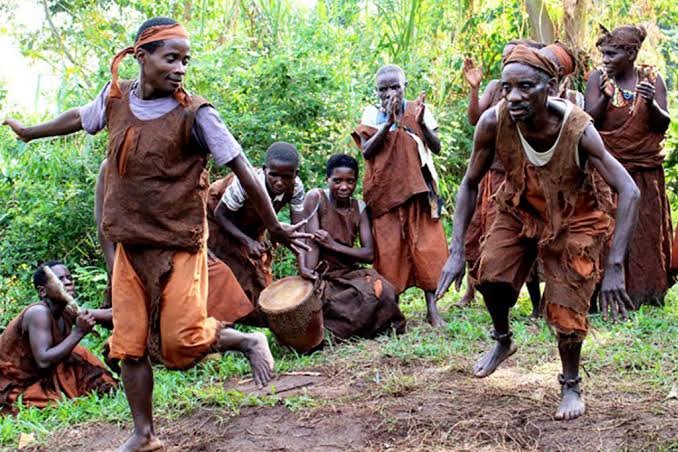
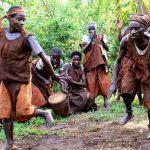
Today, Batwa guides share selected aspects of this heritage through guided forest walks, storytelling, traditional skill demonstrations and visits to culturally significant locations.
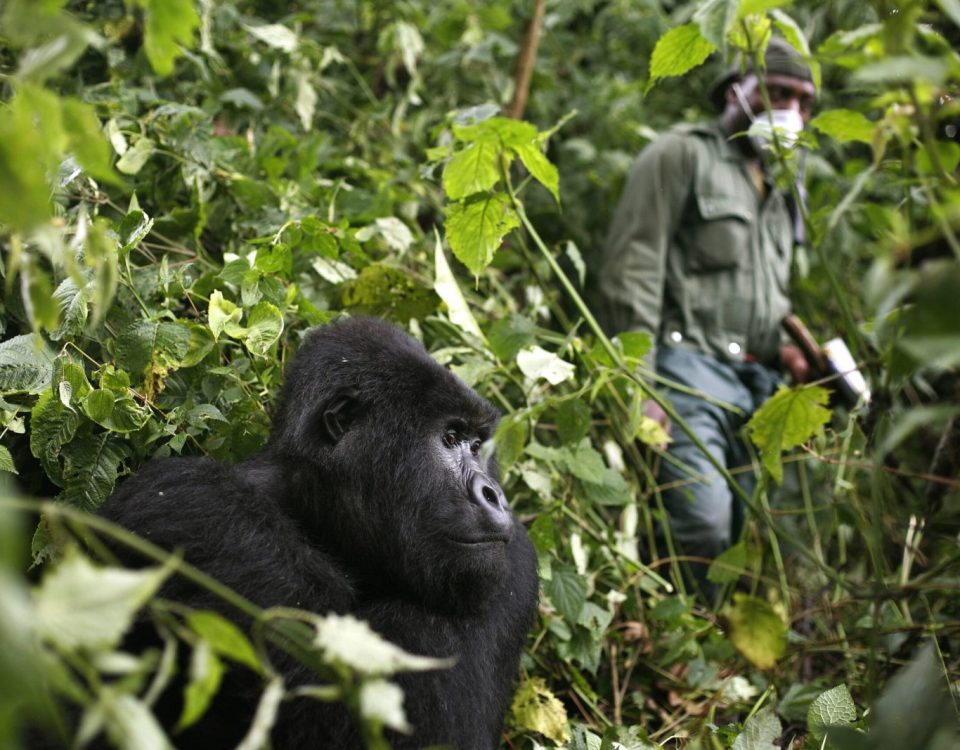
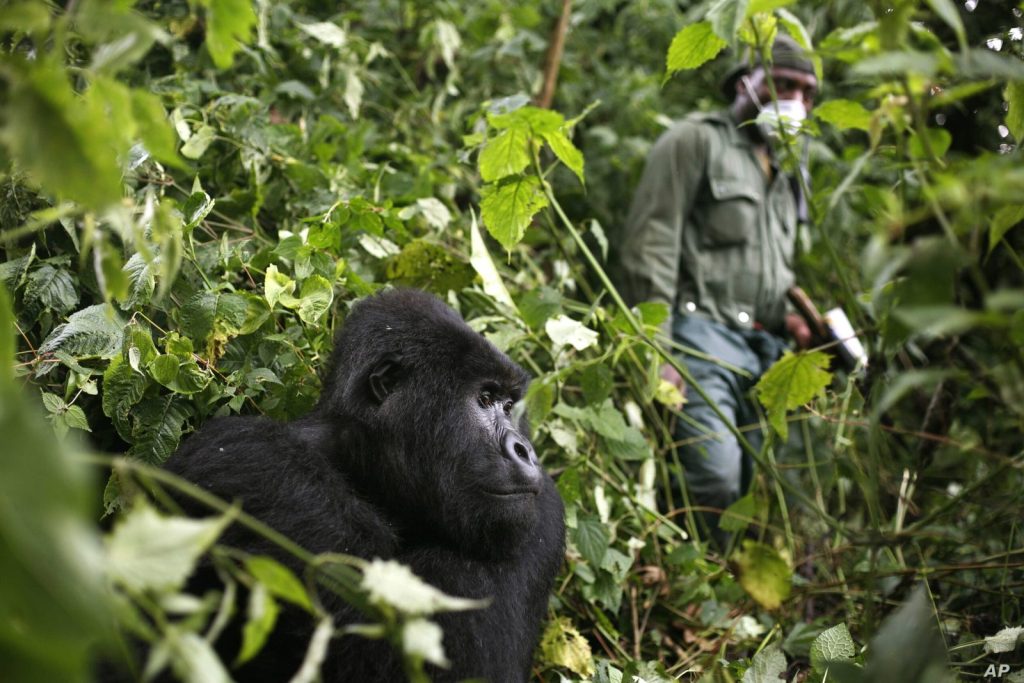
The experience provides an educational addition to gorilla trekking, golden monkey tracking and other wildlife activities in southwestern Uganda.
It also encourages visitors to understand the importance of Indigenous rights, cultural preservation and community participation in wildlife conservation.
What Is the Batwa Cultural Trail?
The Batwa Cultural Trail is a guided heritage experience that takes visitors through parts of Mgahinga Gorilla National Park in Kisoro District.
The trail was officially launched in June 2011 through cooperation between the Uganda Wildlife Authority, Kisoro District Local Government and the United Organisation for Batwa Development in Uganda.
Its objectives include creating employment opportunities, preserving cultural knowledge and allowing Batwa community members to share their ancestral forest heritage with visitors.
Unlike conventional wildlife excursions, the trail focuses primarily on Indigenous history, cultural traditions and the historical relationship between people and forests.
Batwa guides explain how their ancestors obtained food, constructed shelters, identified medicinal plants and navigated mountainous forest environments.
Where Is the Batwa Cultural Trail Located?
The trail is located in Mgahinga Gorilla National Park in southwestern Uganda, near the borders of Rwanda and the Democratic Republic of Congo.
The national park forms part of the Virunga conservation region and protects three volcanic mountains:
-
Mount Muhabura.
-
Mount Gahinga.
-
Mount Sabinyo.
The cultural walk passes through forested areas on the lower volcanic slopes, allowing visitors to experience vegetation and landscapes associated with traditional Batwa forest life.
Kisoro town provides a convenient accommodation and transport base for travellers visiting Mgahinga.
Historical Significance of the Batwa Cultural Trail
Before Mgahinga became a national park in 1991, the surrounding forests formed part of the ancestral territories of the Batwa people.
Many Batwa families traditionally obtained food through hunting and gathering. They collected honey, wild fruits, edible roots and medicinal plants while constructing shelters using naturally available materials.
Their displacement following the establishment of protected areas resulted in significant changes to their livelihoods and cultural practices.
Many families faced difficulties obtaining agricultural land, securing employment and maintaining access to traditional resources.
The Batwa Cultural Trail provides a limited opportunity for participating community members to return to parts of their ancestral forests and share their cultural knowledge.
However, cultural tourism alone cannot resolve the wider challenges of displacement, land insecurity and Indigenous rights.
What to Expect During the Batwa Cultural Trail
1. Meeting Your Batwa Cultural Guide
The experience begins with an introduction to your guide, who explains the historical relationship between Batwa communities and the surrounding forest.
Guides may share personal experiences, family histories and stories passed down through generations.
This introduction provides important context for understanding the activities encountered during the walk.
Visitors are encouraged to ask respectful questions and listen carefully to the explanations provided.
2. Learning About Traditional Forest Hunting
Historically, hunting formed part of the subsistence practices of many Batwa communities.
Guides may demonstrate traditional bows, arrows and historical hunting techniques while explaining how their ancestors identified animal tracks and movements.
These demonstrations are educational rather than actual hunting activities.
Hunting wildlife within Mgahinga Gorilla National Park is prohibited under protected area regulations.
3. Discovering Traditional Medicinal Plants
One of the most educational aspects of the cultural trail involves learning about forest plants traditionally used by Batwa communities.
Guides may identify leaves, roots, tree bark and other vegetation historically associated with traditional healthcare.
Their explanations demonstrate the importance of knowledge passed between generations.
However, visitors should recognise that traditional medicinal practices do not necessarily represent scientifically established medical treatments.
Avoid consuming unfamiliar plants or herbal preparations without appropriate professional guidance.
4. Traditional Fire-Making Demonstrations
Before modern matches and lighters became widely available, forest communities developed methods of producing fire using natural materials.
Batwa guides may demonstrate traditional fire-making techniques and explain the historical importance of fire for cooking, warmth and other household activities.
The demonstration helps visitors understand the practical skills required for daily forest living.
5. Learning About Wild Foods and Honey Collection
Forests historically provided Batwa communities with numerous food resources, including edible fruits, roots, leaves and wild honey.
Guides explain how their ancestors recognised suitable food sources and identified locations containing honey.
Seasonal knowledge was particularly important because different plants produced fruits, flowers and edible shoots at different times.
These traditions demonstrate the importance of maintaining healthy and diverse forest habitats.
6. Traditional Shelter Construction
Batwa communities historically constructed temporary shelters using branches, leaves and other available forest materials.
During the cultural trail, guides may demonstrate how these shelters were assembled and explain their practical importance.
Shelters provided protection against rainfall, cold temperatures and other environmental conditions associated with mountain forests.
The demonstrations offer visitors an understanding of how traditional forest knowledge supported daily life.
Visiting Garama Cave on the Batwa Cultural Trail
Garama Cave, sometimes called Ngarama Cave, is among the most culturally significant locations visited during the Batwa Cultural Trail.
The cave formed naturally through volcanic activity within the Virunga Mountains.
Historically, Batwa communities used the cave as a refuge and gathering place. It also holds cultural significance through its association with community history and oral traditions.
Visitors entering the cave may experience cool temperatures, limited natural light and uneven surfaces.
Traditional singing performed by participating Batwa community members may form part of the experience. Songs can communicate memories of forest life, cultural identity and historical displacement.
Visitors should approach the experience respectfully, recognising that the cave represents a place of cultural significance rather than simply a tourist attraction.
Uganda Wildlife Authority+1
Batwa Cultural Trail Activities at a Glance
| Activity | What you can learn |
|---|---|
| Guided forest walk | Traditional forest knowledge |
| Plant identification | Historical medicinal and dietary uses |
| Hunting demonstrations | Ancestral subsistence practices |
| Fire-making demonstrations | Traditional household skills |
| Shelter construction | Adaptation to forest conditions |
| Honey collection interpretation | Historical food gathering |
| Garama Cave exploration | Community history and cultural heritage |
| Traditional singing | Oral history and cultural expression |
| Storytelling | Ancestral knowledge and contemporary challenges |
Activities may vary depending on the guides, weather conditions and available arrangements.
How Long Does the Batwa Cultural Trail Take?
Visitors should generally reserve half a day for the experience. Allow approximately three to five hours as a practical planning estimate, although the actual duration depends on the route, walking speed and cultural demonstrations.
An unhurried excursion allows sufficient time for questions, photography and discussions with guides.
Travellers combining the trail with other activities should avoid creating an excessively demanding itinerary.
Completing gorilla trekking and the Batwa Cultural Trail on separate days provides a more comfortable experience, particularly for visitors who prefer a relaxed walking pace.
How Difficult Is the Batwa Cultural Trail?
The cultural trail generally requires less physical effort than climbing the Virunga volcanoes. However, visitors should expect uneven forest paths, uphill sections and potentially slippery surfaces.
Rainfall can make the ground muddy, particularly during wetter months.
Garama Cave may contain sections requiring careful movement in limited lighting.
Visitors with mobility difficulties, knee problems or concerns about enclosed spaces should discuss their requirements with the activity organiser before booking.
A comfortable walking pace and suitable footwear can make the experience considerably more enjoyable.
Best Time to Visit the Batwa Cultural Trail
The Batwa Cultural Trail can generally be undertaken throughout the year, subject to weather conditions and park operations.
| Travel period | Expected conditions |
|---|---|
| January–February | Generally drier forest trails |
| March–May | Higher rainfall and muddy conditions |
| June–August | Generally favourable walking conditions |
| September | Transitional weather conditions |
| October–November | Increased rainfall |
| December | Beginning of a generally drier period |
Although drier months may offer more comfortable walking conditions, rainfall remains possible throughout the year in Mgahinga.
Morning excursions can provide comfortable temperatures and sufficient time for other activities later in the day.
What to Pack for the Batwa Cultural Trail
Prepare for changing mountain weather by carrying waterproof hiking boots, long trousers, a lightweight rain jacket, drinking water, a small daypack, insect repellent and a walking stick if needed.
A compact torch can be useful during the Garama Cave visit, subject to your guide’s instructions.
Carry your camera responsibly and request permission before photographing community members or cultural performances.
Avoid removing plants, rocks or cultural objects from the forest.
Combining the Batwa Cultural Trail With Other Safari Activities
Mgahinga offers several wildlife and outdoor activities that complement the cultural experience.
| Safari activity | Recommended time allocation |
|---|---|
| Mountain gorilla trekking | One day |
| Golden monkey trekking | Half a day |
| Batwa Cultural Trail | Half a day |
| Mount Sabinyo hiking | One day |
| Mount Gahinga hiking | One day |
| Lake Mutanda visit | Half a day or longer |
| Kisoro community excursions | Half a day |
A four-day safari around Mgahinga could include arrival in Kisoro on the first day, mountain gorilla trekking on the second day, the Batwa Cultural Trail on the third day and golden monkey trekking before departure on the fourth day, depending on your onward transport arrangements.
Batwa Cultural Trail vs Batwa Experience in Bwindi
Although both activities introduce visitors to Batwa heritage, they are distinct experiences.
| Feature | Batwa Cultural Trail | Batwa Experience |
|---|---|---|
| Location | Mgahinga Gorilla National Park | Bwindi area, particularly Buhoma |
| Environment | Protected ancestral forest | Community-managed cultural sites |
| Cave visit | Garama Cave | Generally not included |
| Main emphasis | Ancestral forest knowledge | Cultural heritage and community history |
| Recommended combination | Mgahinga gorilla trekking | Bwindi gorilla trekking |
Choose the experience that best suits your safari itinerary and cultural interests.
How the Batwa Cultural Trail Supports Communities
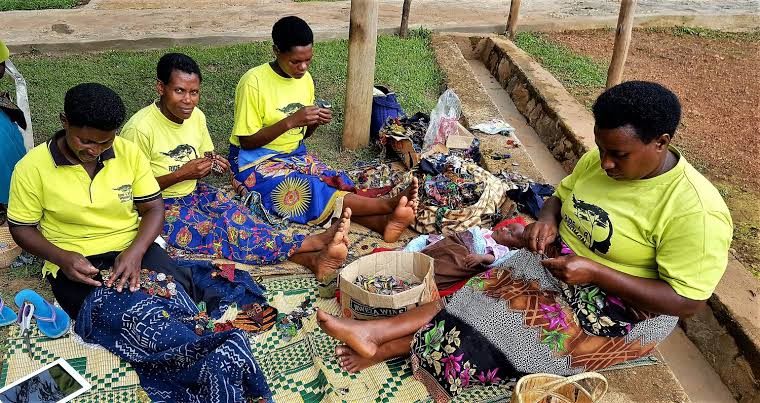
The cultural trail creates opportunities for participating Batwa guides and performers to earn income through tourism.
It also provides a setting where community members can share selected aspects of their cultural heritage and explain their historical experiences.
Nevertheless, financial benefits may vary between individuals and communities. Research on Indigenous tourism in Uganda indicates that community control and cultural self-determination remain important considerations.
Sage Journals+1
Before booking, ask how activity fees are distributed and whether participating guides receive fair compensation.
Responsible cultural tourism should respect community priorities, cultural ownership and the right of individuals to decide what knowledge they wish to share.
Frequently Asked Questions
Where is the Batwa Cultural Trail located?
The trail is located in Mgahinga Gorilla National Park in Kisoro District, southwestern Uganda.
Who guides the Batwa Cultural Trail?
Batwa community guides lead the cultural interpretation, with park personnel involved according to applicable arrangements.
How long does the Batwa Cultural Trail take?
Reserve approximately three to five hours, depending on the route and planned activities.
Is the Batwa Cultural Trail suitable for children?
Many children can enjoy the educational experience. However, parents should confirm walking requirements and cave accessibility before booking.
Is Garama Cave included in the cultural trail?
Garama Cave traditionally forms an important part of the experience, although access depends on prevailing conditions.
Can I combine the trail with gorilla trekking?
Yes. Combining the two activities on separate days provides an excellent cultural and wildlife experience in Mgahinga.
Do I need to book the Batwa Cultural Trail in advance?
Advance booking is recommended to confirm guide availability, activity fees and park arrangements.
The Batwa Cultural Trail provides an educational opportunity to explore ancestral forest knowledge, Indigenous history and cultural traditions in southwestern Uganda.
Through guided forest walks, storytelling, traditional demonstrations and Garama Cave visits, travellers gain a better understanding of the historical relationship between Batwa communities and the Virunga forests.
The experience also encourages meaningful discussions about wildlife conservation, Indigenous rights and community participation in tourism.
When planning your Mgahinga gorilla safari, consider reserving half a day for this cultural excursion. Choose responsible arrangements that respect Batwa heritage, provide fair economic benefits and allow community members to share their knowledge on their own terms.