Best Time to Go Gorilla Trekking in Uganda: Month-by-Month Guide
The best time to go gorilla trekking in Uganda is generally between June and August or December and February, when rainfall tends to be lower and forest trails are easier to navigate. However, mountain gorilla trekking operates throughout the year, making Uganda a rewarding destination regardless of your travel dates.
Bwindi Impenetrable National Park and Mgahinga Gorilla National Park experience tropical mountain weather, with occasional rainfall even during relatively dry months. Each season offers different advantages concerning trekking conditions, accommodation availability, photography and safari expenses.
Choosing the right month depends on your budget, physical fitness, holiday schedule and preferred wildlife experiences. Understanding Uganda’s seasonal weather patterns helps you prepare suitable equipment, secure permits and organise a comfortable gorilla trekking adventure.
Best Time to Go Gorilla Trekking in Uganda at a Glance
Uganda experiences two relatively dry seasons and two rainy periods. These seasonal changes influence forest conditions, road accessibility and demand for gorilla trekking permits.
| Month | Weather conditions | Trekking conditions | Travel season |
|---|---|---|---|
| January | Relatively dry | Very good | High season |
| February | Relatively dry | Very good | High season |
| March | Increasing rainfall | Moderate | Shoulder season |
| April | Heavy rainfall | Challenging | Low season |
| May | Wet conditions | Challenging | Low season |
| June | Decreasing rainfall | Very good | High season |
| July | Relatively dry | Excellent | Peak season |
| August | Relatively dry | Excellent | Peak season |
| September | Increasing rainfall | Good | Shoulder season |
| October | Rainy conditions | Moderate | Shoulder season |
| November | Frequent rainfall | Challenging | Low season |
| December | Generally drier | Very good | High season |
These conditions represent general seasonal patterns rather than guaranteed weather forecasts.
Month-by-Month Guide to Gorilla Trekking in Uganda
Gorilla Trekking in January
January is an attractive month for mountain gorilla trekking because rainfall is generally lower. Forest paths may be firmer, making walking through mountainous terrain more comfortable.
This month also suits travellers combining Bwindi with wildlife game drives in Queen Elizabeth National Park or Murchison Falls National Park.
Reserve permits early, particularly when travelling immediately after the Christmas holidays.
Gorilla Trekking in February
February generally offers favourable trekking conditions before the longer rainy season begins.
Visitors can enjoy forest walks, wildlife photography and relatively comfortable road transfers. Nevertheless, waterproof clothing remains necessary because unexpected showers can occur.
February is particularly suitable for couples, senior travellers and visitors seeking a combination of primate encounters and savannah wildlife.
Gorilla Trekking in March
March marks the transition towards Uganda’s longer rainy season. Rainfall gradually increases, although conditions vary considerably throughout the month.
Early March can still provide comfortable trekking opportunities. Later weeks may bring muddier forest paths and more frequent showers.
Travellers seeking quieter accommodation and greater booking flexibility may find March attractive.
Gorilla Trekking in April
April is generally one of the wettest months in southwestern Uganda. Heavy rainfall can make forest trails slippery and road transfers more demanding.
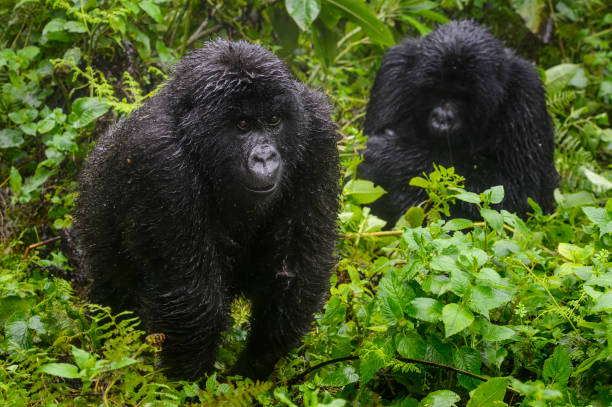
However, gorilla trekking continues throughout the month, and mountain gorillas remain within their natural habitats.
April is particularly attractive to budget-conscious visitors because Uganda Wildlife Authority offers discounted low-season gorilla permits. Carry reliable waterproof boots, protective clothing and a waterproof backpack.
Gorilla Trekking in May
May continues the longer rainy season, although rainfall may gradually decrease towards the end of the month.
The forest appears particularly green, providing attractive backgrounds for wildlife photography. Visitor numbers are often lower than during July and August.
Discounted gorilla permits make May an appealing choice for travellers who can manage challenging walking conditions.
Gorilla Trekking in June
June marks the beginning of the main relatively dry season. Forest trails generally become firmer, and travelling conditions improve along unpaved roads.
This month provides excellent opportunities to combine mountain gorilla trekking with chimpanzee encounters and traditional wildlife safaris.
Demand for permits increases as the international summer holiday season approaches.
Gorilla Trekking in July
July is among the most popular months for gorilla trekking in Uganda. Relatively low rainfall generally makes forest walks more manageable.
The month is especially attractive to international families travelling during school holidays.
However, accommodation and trekking permits can become heavily booked. Making reservations six to twelve months ahead is advisable when your travel dates are fixed.
Gorilla Trekking in August
August offers favourable weather conditions similar to July. Visitors can enjoy mountain gorilla trekking, forest walks and wildlife viewing throughout southwestern Uganda.
This month also works well for combined Uganda and Kenya safaris because wildebeest migration activity may occur in the Masai Mara.
Early accommodation reservations are particularly important during this busy travel period.
Gorilla Trekking in September
September represents a transition between the main dry season and increasing rainfall.
Early September often provides favourable walking conditions, while later weeks may experience more showers.
This month can offer a reasonable balance between trekking comfort and reduced competition for accommodation compared with peak summer dates.
Gorilla Trekking in October
October generally experiences more frequent rainfall across southwestern Uganda.
Forest trails become wetter, and visitors should prepare for muddy slopes. Nevertheless, mountain gorilla encounters remain possible throughout the month.
Photographers may appreciate the soft natural light and vibrant forest vegetation associated with overcast conditions.
Gorilla Trekking in November
November is another rainy month and one of Uganda’s designated low-season permit periods.
Visitors willing to manage wet forest conditions can benefit from discounted trekking permits and potentially more competitive accommodation prices.
Reliable four-wheel-drive transport is particularly important when travelling to remote lodges.
Gorilla Trekking in December
December generally marks the beginning of the shorter dry season, although rainfall remains possible.
The month attracts families, honeymooners and travellers seeking Christmas and New Year wildlife holidays.
Book accommodation and trekking permits well ahead of the festive period because popular travel dates can sell out quickly.
Gorilla Trekking Permit Prices by Season
The Uganda Wildlife Authority introduced discounted low-season gorilla permits in February 2026 to encourage travel during quieter months.
| Visitor category | Standard permit | Low-season permit |
|---|---|---|
| Foreign non-residents | $800 | $600 |
| Foreign residents | $700 | $500 |
Discounted permits apply during April, May and November. These permits cannot be rescheduled, so travellers should confirm their holiday dates before making payments.
For two foreign non-resident travellers, visiting during the discounted months saves $400 on gorilla permits alone.
Dry Season vs Rainy Season Gorilla Trekking
Both seasons offer rewarding experiences, although your comfort and preparation requirements may differ.
| Travel consideration | Dry season | Rainy season |
|---|---|---|
| Forest trails | Generally firmer | Muddy and slippery |
| Road conditions | Generally better | Occasionally challenging |
| Permit demand | Higher | Generally lower |
| Accommodation prices | Often higher | Potentially lower |
| Forest photography | Variable lighting | Rich vegetation and soft light |
| Gorilla encounters | Available | Available |
The dry season is generally preferable for visitors concerned about physical difficulty, while the rainy season offers potential financial savings.
Best Months for Gorilla Trekking Photography
Mountain gorilla photography is possible throughout the year. However, lighting conditions vary according to cloud cover, vegetation and rainfall.
April, May, October and November can provide soft natural light and beautifully green backgrounds. Photographers should carry waterproof camera covers and suitable lenses for low-light conditions.
June, July and August generally provide more comfortable walking conditions when carrying photography equipment.
Regardless of the season, flash photography is prohibited during gorilla encounters.
Best Time for Seniors and Families
January, February, June, July and August are generally suitable for senior travellers and families with eligible teenagers.
Relatively drier trails may reduce some walking difficulties. However, trekking duration depends on gorilla movements, and no particular month guarantees a short or easy encounter.
Consider hiring a porter, booking comfortable accommodation near your trekking headquarters and allowing additional recovery time.
What to Pack During Different Seasons
| Dry-season essentials | Rainy-season essentials |
|---|---|
| Comfortable hiking boots | Waterproof hiking boots |
| Lightweight shirts | Waterproof jacket |
| Sunscreen | Waterproof backpack cover |
| Drinking water | Spare dry clothing |
| Gardening gloves | Additional hiking socks |
| Insect repellent | Moisture protection for electronics |
Carry a rain jacket throughout the year because Bwindi and Mgahinga experience unpredictable mountain weather.
Frequently Asked Questions
Which is the cheapest month for gorilla trekking in Uganda?
April, May and November offer discounted permits for eligible visitors. Accommodation may also be more affordable during these months.
Can you see mountain gorillas during heavy rainfall?
Yes. Gorilla trekking generally continues during rainy conditions, provided park authorities consider the activity safe.
Do mountain gorillas migrate seasonally?
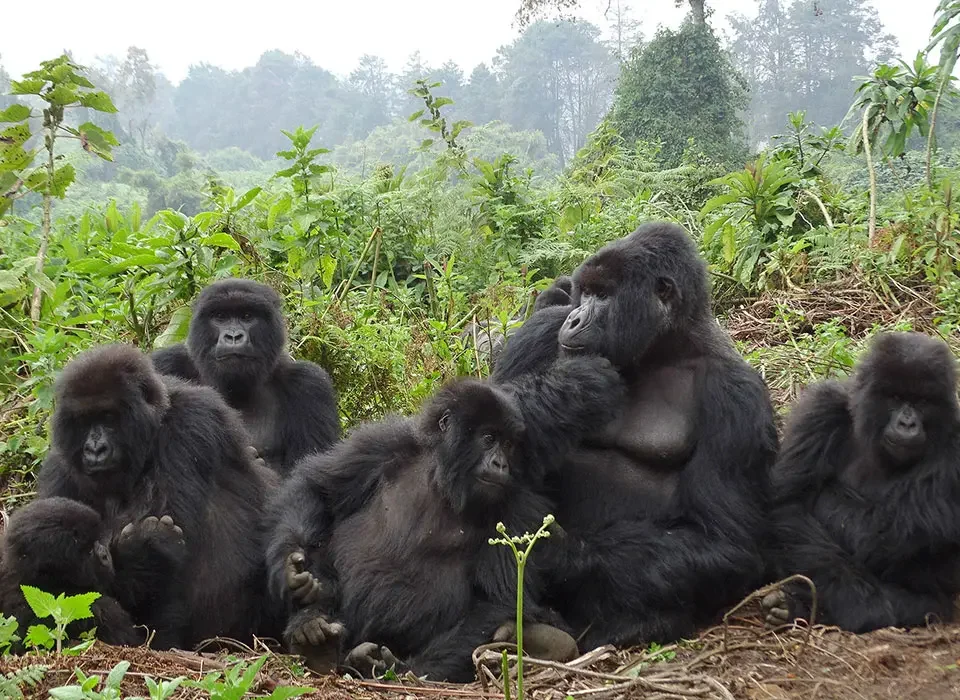
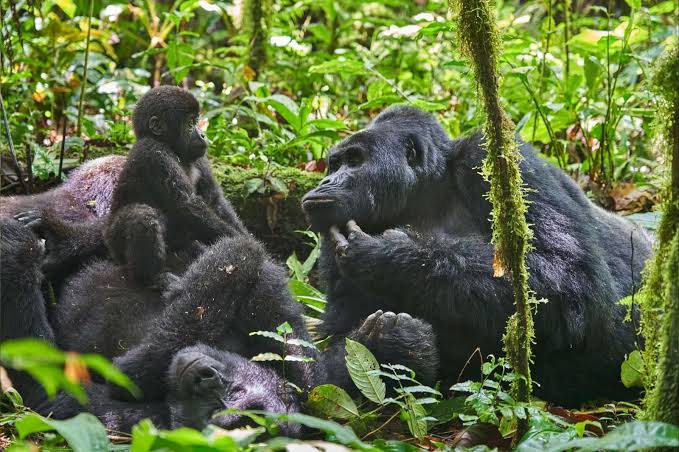
No. Mountain gorillas remain within their forest habitats throughout the year, although they move regularly in search of food.
Which months are best for first-time gorilla trekkers?
January, February, June, July and August generally offer favourable walking conditions and opportunities to combine trekking with other wildlife activities.
How early should I book gorilla permits?
Booking six to twelve months ahead is advisable during peak travel periods. Always confirm permit availability before reserving accommodation.
The best time to go gorilla trekking in Uganda depends on your budget, fitness and travel preferences. June to August and December to February generally offer comfortable trekking conditions, while April, May and November provide attractive permit savings. With appropriate preparation, every season offers opportunities to experience Uganda’s remarkable mountain gorillas.