Hippopotamuses: Where and When to See Them in East Africa
Hippopotamuses rank among Africa’s most genuinely dangerous large mammals, statistically responsible for more human fatalities than lions across the continent, yet remain a genuinely reliable, spectacular sighting across East Africa’s major rivers and lakes when approached correctly. Understanding exactly where the largest pods gather, and how boat safaris offer the safest, most rewarding viewing angle, helps travelers plan a genuinely excellent hippo encounter. This guide covers where and when to look, along with the biology and behavior behind this species’ surprisingly dangerous reputation.
Kazinga Channel, Queen Elizabeth National Park, Uganda
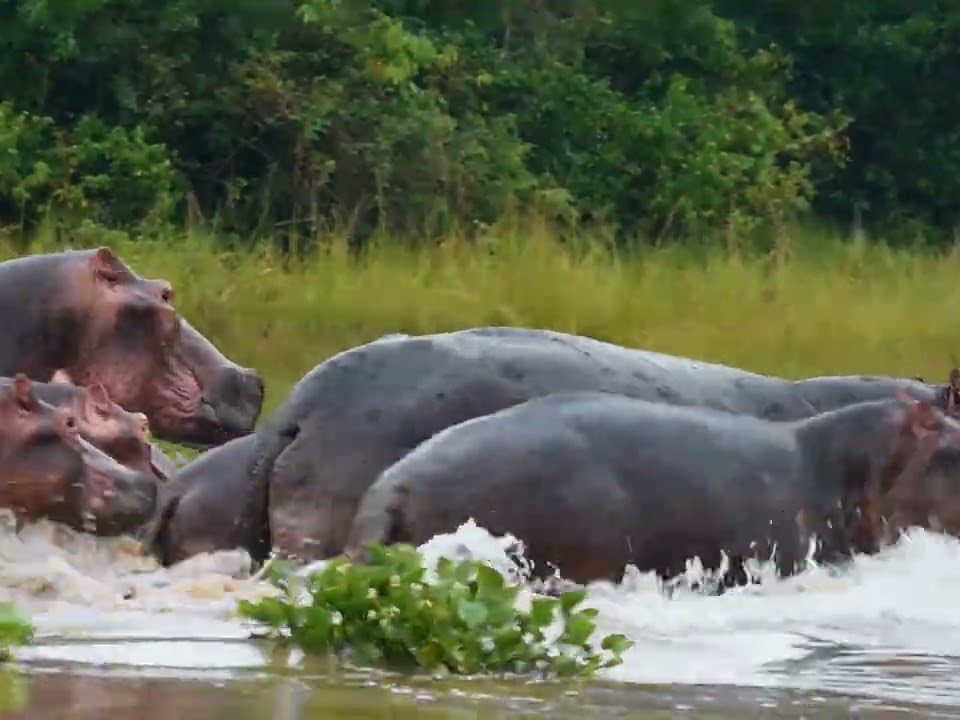
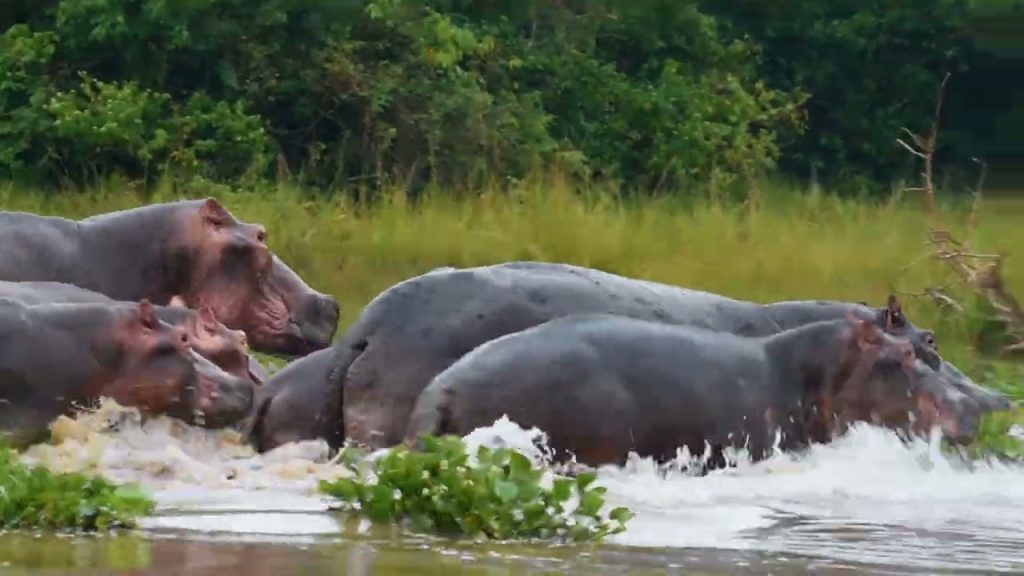
The Kazinga Channel hosts one of Africa’s densest hippo populations, with boat safaris offering genuinely spectacular close-range viewing of hundreds of individuals along the channel’s banks.
Murchison Falls National Park, Uganda
Murchison Falls’ Nile River sections support substantial hippo populations, viewable through both boat cruises and riverside game drives across the park.
Mara River, Kenya and Tanzania
The Mara River, famous for its Great Migration crossings, hosts significant hippo pods year-round, offering reliable sightings independent of the migration’s seasonal timing.
Lake Naivasha, Kenya
Lake Naivasha’s boat safaris offer genuinely excellent hippo viewing alongside the lake’s rich birdlife, a convenient addition for travelers routing through Kenya’s Rift Valley.
Why Boat Safaris Offer the Best Hippo Viewing
Given hippos’ largely aquatic daytime behavior, boat safaris offer genuinely superior viewing angles compared to land-based game drives, allowing closer, safer observation of pods resting and interacting in the water.
Why Hippos Are Genuinely So Dangerous
Despite their seemingly docile daytime water behavior, hippos display genuinely aggressive territorial defense, particularly on land at night when they graze, making respectful distance and professional guiding essential rather than optional around this species.
Hippo Skin and the Famous ‘Blood Sweat’
Hippos secrete a distinctive reddish substance sometimes called blood sweat, actually a natural mucus that functions as sunscreen and antibacterial protection rather than actual sweat or blood, a genuinely fascinating adaptation unique among large mammals that guides often point out during boat safaris.
Hippo Social Behavior
Hippos live in pods led by a dominant male, with genuine social hierarchy and vocal communication, including the distinctive grunting calls audible across considerable distances along rivers and lakeshores.
Best Time of Day for Hippo Viewing
Daytime hours offer the most reliable hippo viewing as they rest submerged in water to avoid overheating, while nighttime grazing on land makes them considerably more dangerous and less visible to typical daytime safari activities.
Best Time of Year for Hippo Sightings
Hippos remain visible year-round given their non-migratory, water-dependent nature, though dry season conditions can concentrate them more densely around shrinking water sources.
Why Hippos Spend So Much Time in Water
Hippos’ skin genuinely requires water to prevent overheating and drying out, given they lack the sweat glands most large mammals use for temperature regulation, explaining why they spend the vast majority of daylight hours submerged before emerging to graze extensively on land after dark.
How to Behave Safely Around Hippo Habitat
Beyond boat safaris, travelers should exercise genuine caution walking near any water body known to host hippos, particularly around dusk and dawn when hippos move between water and grazing land, since accidentally coming between a hippo and its water escape route ranks among the most dangerous wildlife encounters possible in Africa.
How Hippo Jaws Deliver Such a Powerful Bite
Hippos possess genuinely enormous, tusk-like canine teeth and a bite force considerable enough to snap a small boat in half, physical capabilities that underscore both their territorial aggression and why professional guides maintain such strict distance protocols during any close-range viewing.
Why Hippo Calves Face Genuine Vulnerability
Despite the pod’s collective protection, young hippo calves remain genuinely vulnerable to crocodile predation and territorial male aggression during their early months, meaning mothers display particularly heightened protective behavior worth respecting from a considerable distance during any sighting.
How Hippos Communicate Across Long Distances
Beyond audible grunts, hippos genuinely produce underwater vocalizations detectable by other hippos across considerable distance, a communication channel that operates simultaneously both above and below the water’s surface in a way few other mammals can replicate.
Why Hippo Territorial Boundaries Shift With Water Levels
As rivers and lakes fluctuate seasonally, dominant male hippos genuinely adjust their defended territory boundaries accordingly, meaning the specific social dynamics observable at a given viewing spot can shift somewhat between wet and dry season visits.
Common Questions About Hippo Sightings
Travelers frequently ask why hippos are considered more dangerous than lions despite seeming less predatory, and their combination of surprising speed on land, territorial aggression, and sheer size means encounters, though less predatory in intent, often prove genuinely more lethal when they do occur. Visitors also ask whether hippo sightings are guaranteed on a boat safari, and given their concentrated, water-dependent habits, sightings at locations like the Kazinga Channel or Mara River are genuinely among the most reliable wildlife encounters available on any East Africa itinerary.
Why a Boat Safari Belongs on Every Itinerary
Beyond hippo viewing specifically, a boat safari offers a genuinely different, relaxed perspective on riverside wildlife generally, crocodiles, water birds, and grazing animals along the banks, making it a worthwhile activity regardless of how many hippos you’ve already seen elsewhere.
Why This Species Deserves Genuine Respect Alongside Fascination
Beyond the entertainment value of watching pods yawn and jostle in the water, understanding hippos’ genuine capacity for danger adds real depth to appreciating why professional guides treat this species with such consistent, well-earned caution.
How Boat Guides Maintain Safe Viewing Distance
Experienced boat operators genuinely read pod body language, ear flicking, yawning displays, and vocal warnings, to maintain appropriate distance while still delivering close, rewarding viewing, expertise built through years of daily exposure to hippo behavior patterns.
Why Hippo Yawning Displays Aren’t What They Appear
Despite looking like simple tiredness, a hippo’s wide-mouthed yawn actually functions as a genuine territorial and dominance display, showcasing impressive tusks to rivals rather than signaling relaxation, a behavioral nuance guides enjoy explaining during boat safaris.
How Hippo Populations Reflect River and Lake Health
Sustained, healthy hippo populations genuinely indicate stable water levels and food availability within a given river or lake system, making their continued presence a useful, if informal, indicator of broader aquatic ecosystem health for conservation-minded travelers.
Why Photography From a Boat Rewards Patience
Given how much time hippos spend submerged with only eyes and ears visible, capturing a genuinely dramatic full-body or open-mouth photograph rewards photographers who wait for a pod member to surface fully or display territorial behavior.
How This Species Fits Into a Broader River Ecosystem Safari
Hippo viewing pairs naturally with crocodile, fish eagle, and waterbird sightings during the same boat safari, rounding out a water-based activity into a genuinely comprehensive picture of East Africa’s riverine wildlife.
Why Local Communities Historically Respected Hippo Danger
Long before formal wildlife tourism, communities living alongside hippo-populated rivers developed genuine practical knowledge of safe water access points and timing, cultural knowledge that predates modern safety guidance but reflects the same underlying respect for this species’ genuine danger.
Why This Sighting Rewards a Longer Boat Stop
Rather than a brief passing glance, travelers who linger near a hippo pod for even ten or fifteen minutes genuinely improve their odds of witnessing dramatic territorial or social behavior beyond simple resting activity.
How This Species Fits Into a Complete East Africa Safari Narrative
Understanding hippos’ genuine dual nature, both comedic in appearance and genuinely dangerous in behavior, adds real depth to how travelers interpret the broader wildlife they encounter throughout their trip, a useful reminder that appearance rarely tells the full story.
Why This Species Deserves a Genuine Reputation Correction
Popular culture often depicts hippos as comically clumsy or harmless, a mischaracterization guides genuinely enjoy correcting during boat safaris, since understanding the real danger behind the seemingly docile appearance makes for a considerably more informed and appropriately cautious sighting.
How This Sighting Suits Every Type of Safari Traveler
Given their genuine visual appeal, reliable presence, and accessible boat-based viewing, hippos offer a rewarding sighting for travelers of any experience level, requiring no specialized timing beyond a standard boat safari activity.
Why the Kazinga Channel Specifically Stands Out
Given its genuinely exceptional hippo density, the Kazinga Channel offers travelers one of the most reliably spectacular concentrated hippo viewing experiences found anywhere in Africa, a specific destination worth prioritizing for anyone building a dedicated hippo-focused itinerary.
Why This Encounter Leaves a Lasting Impression
Between the sheer scale of a large pod and the genuine tension of understanding their real danger, a well-executed hippo boat safari consistently ranks among travelers’ most vividly recalled water-based wildlife memories long after the trip ends.
Planning Your Hippo-Focused Safari
Working with an experienced operator to include a genuine boat safari activity within your East Africa itinerary ensures the safest, most rewarding hippo encounter, and lingering a little longer at a pod turns a reliable sighting into a genuinely memorable one.
Recommended Tours: 10 Days Ultimate Uganda Gorilla & Big Five Safari | 5 Days Uganda Wildlife and Gorilla Trekking Tour