Discover Tanzania’s Ruaha National Park’s Untouched Wilderness
Untouched Ruaha Wilderness Experience, Nestled in the heart of Tanzania, Ruaha National Park is a hidden gem that offers an unparalleled safari experience. As one of the largest national parks in East Africa, Ruaha remains relatively untouched by mass tourism, making it a perfect destination for travelers seeking an authentic and intimate encounter with Africa’s wild beauty. From its rugged landscapes and diverse wildlife to its serene atmosphere, Ruaha National Park is a haven for nature enthusiasts and adventure seekers alike. This article will guide you through the park’s highlights, the best time to visit, transportation options, and accommodations ranging from budget to luxury.
Untouched Ruaha Wilderness Experience of Ruaha National Park
Ruaha National Park spans over 20,000 square kilometers, making it Tanzania’s largest national park. It is part of the larger Rungwa-Kizigo-Muhesi ecosystem, which contributes to its rich biodiversity. The park is named after the Great Ruaha River, which flows through its southeastern region and serves as a lifeline for the park’s wildlife. Unlike more popular parks like the Serengeti or Ngorongoro, Ruaha remains off the beaten path, offering visitors a sense of solitude and exclusivity.
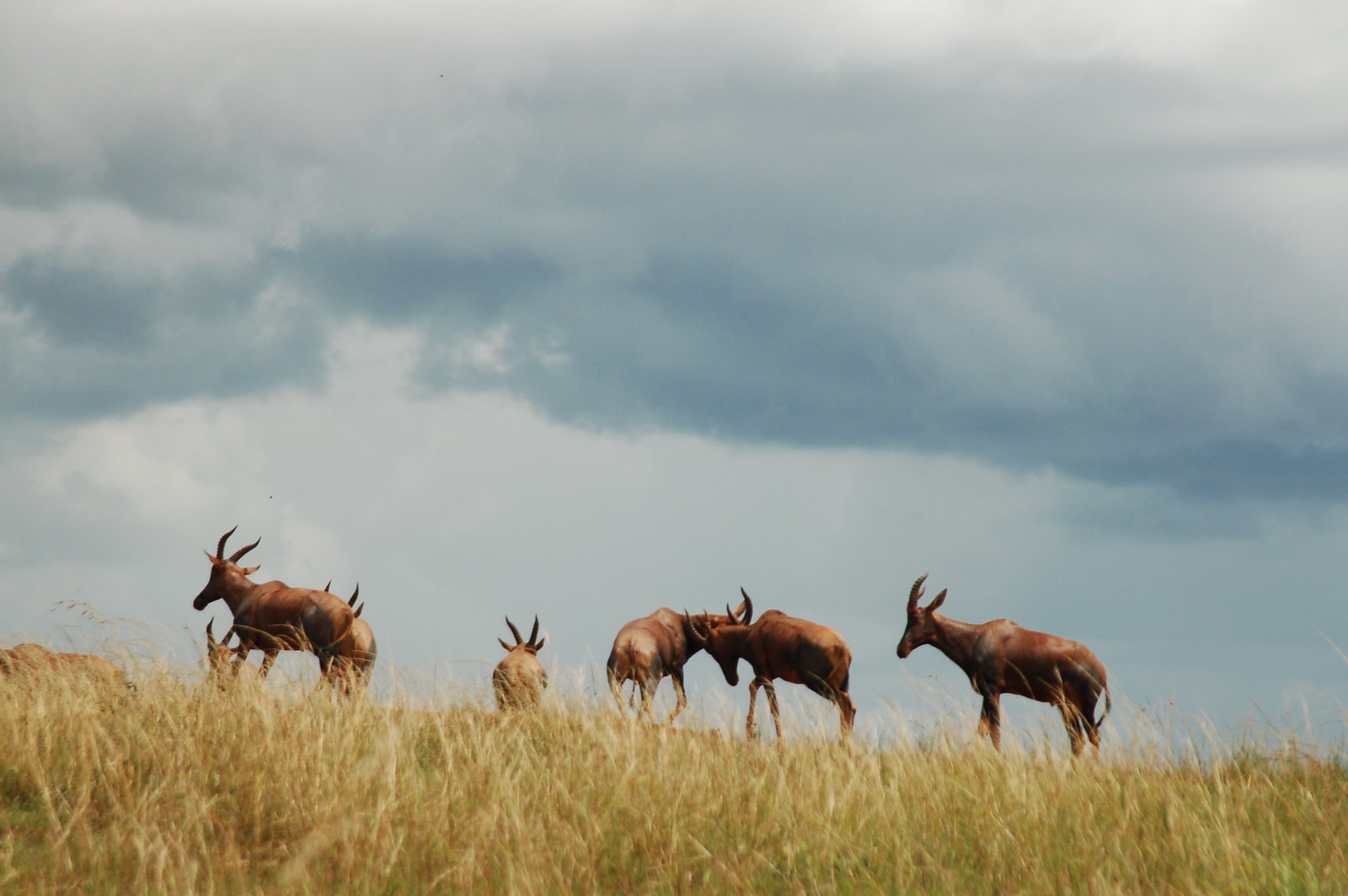
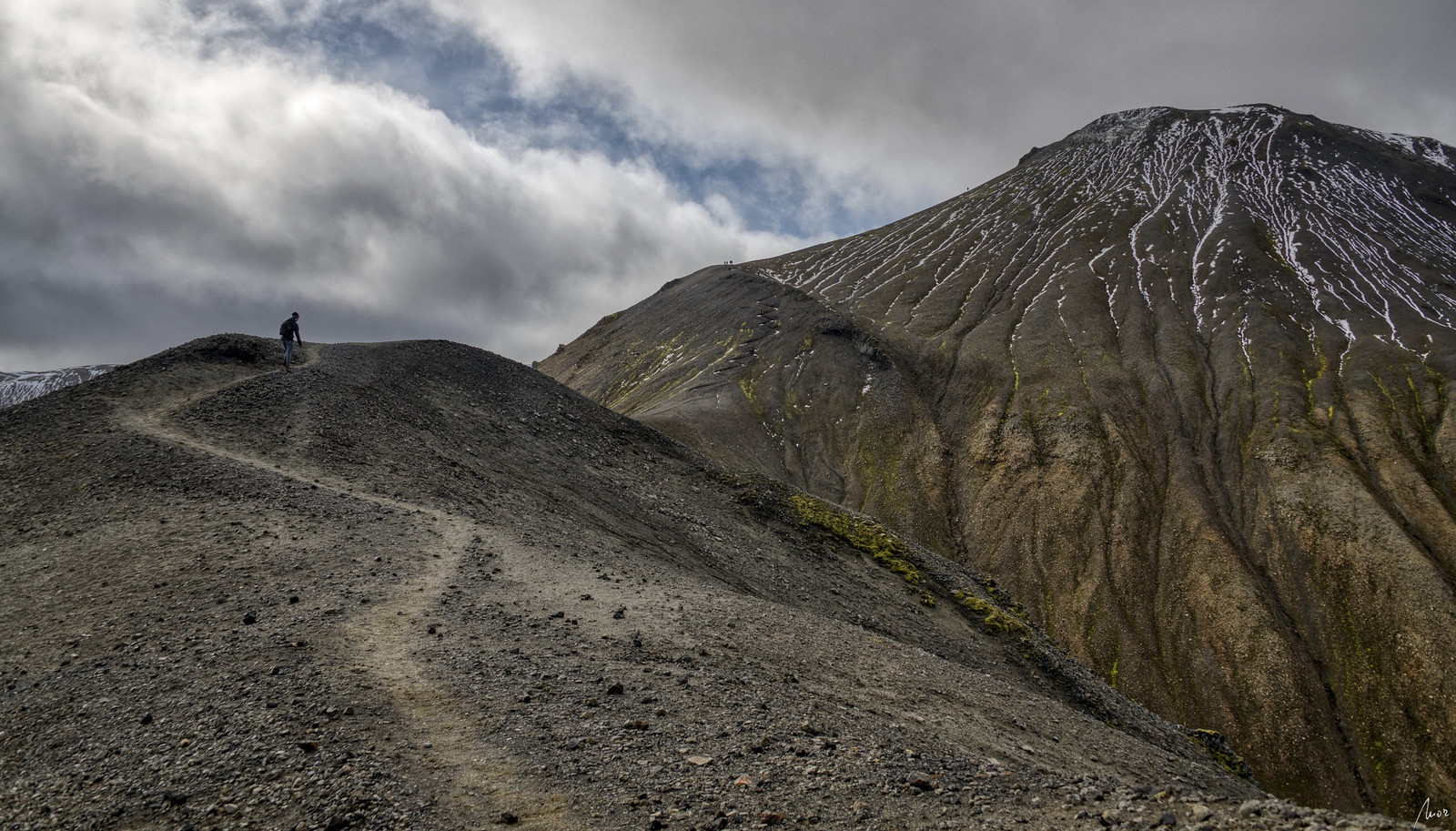
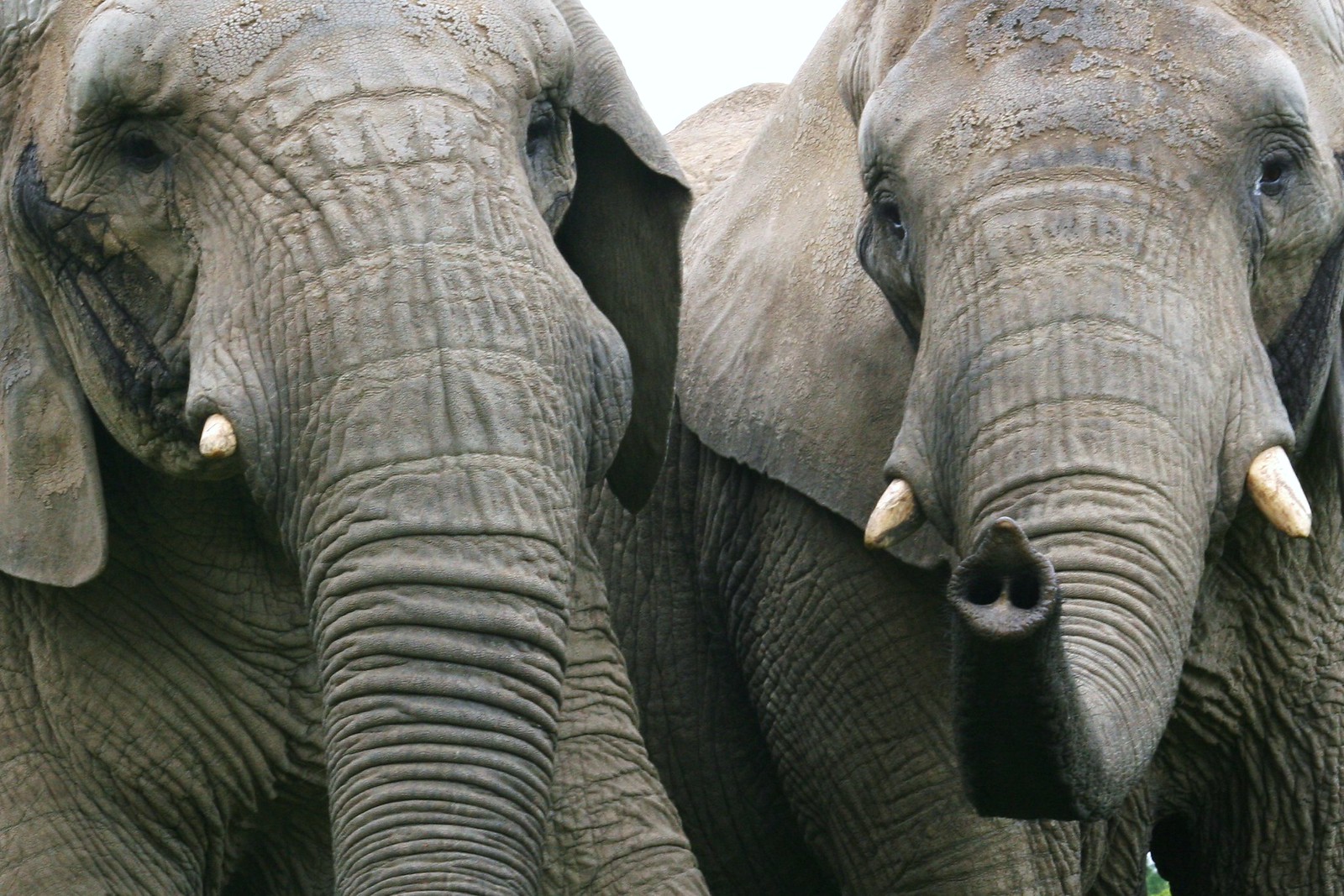
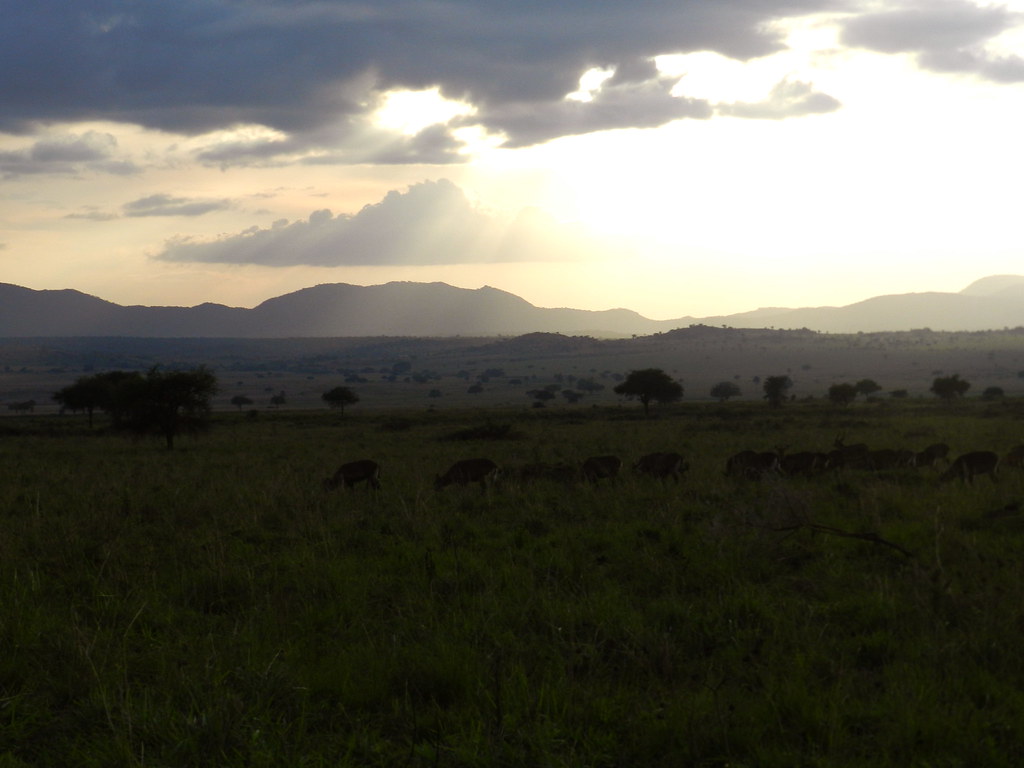
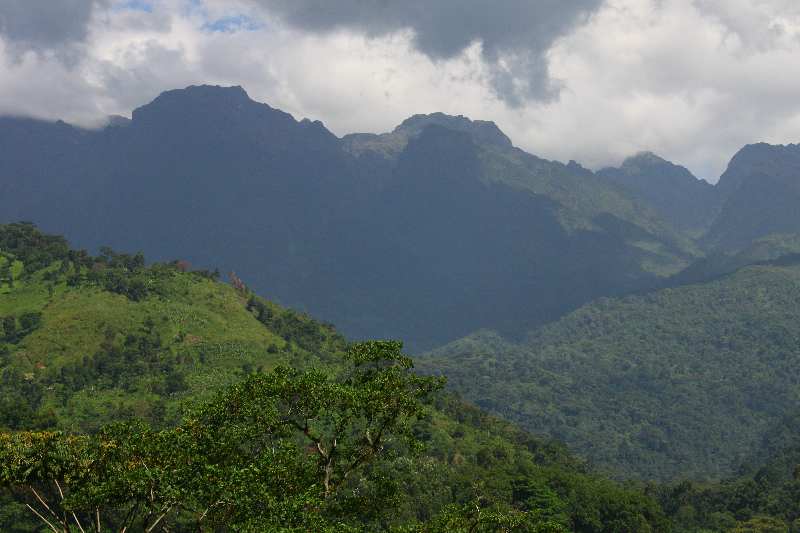
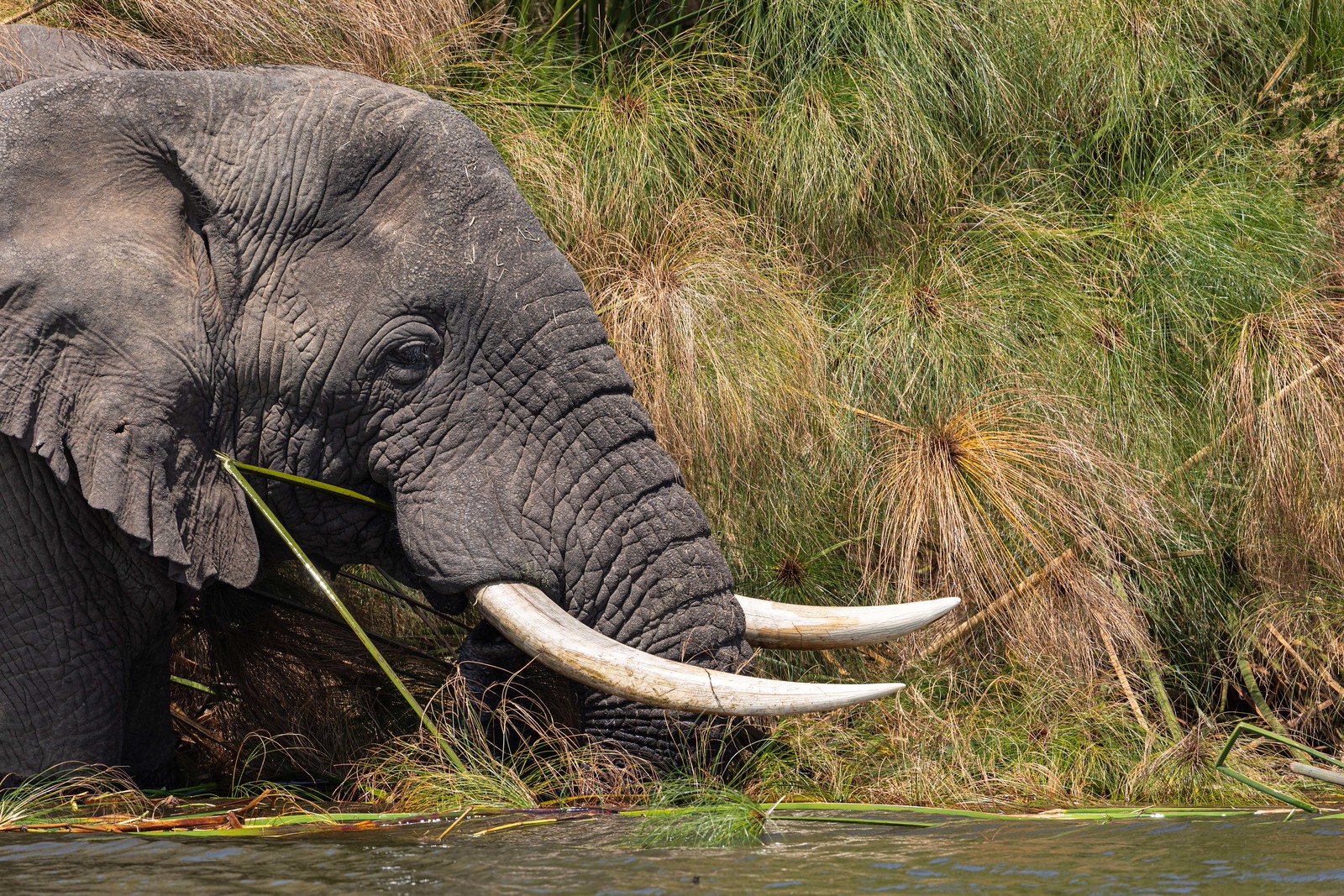
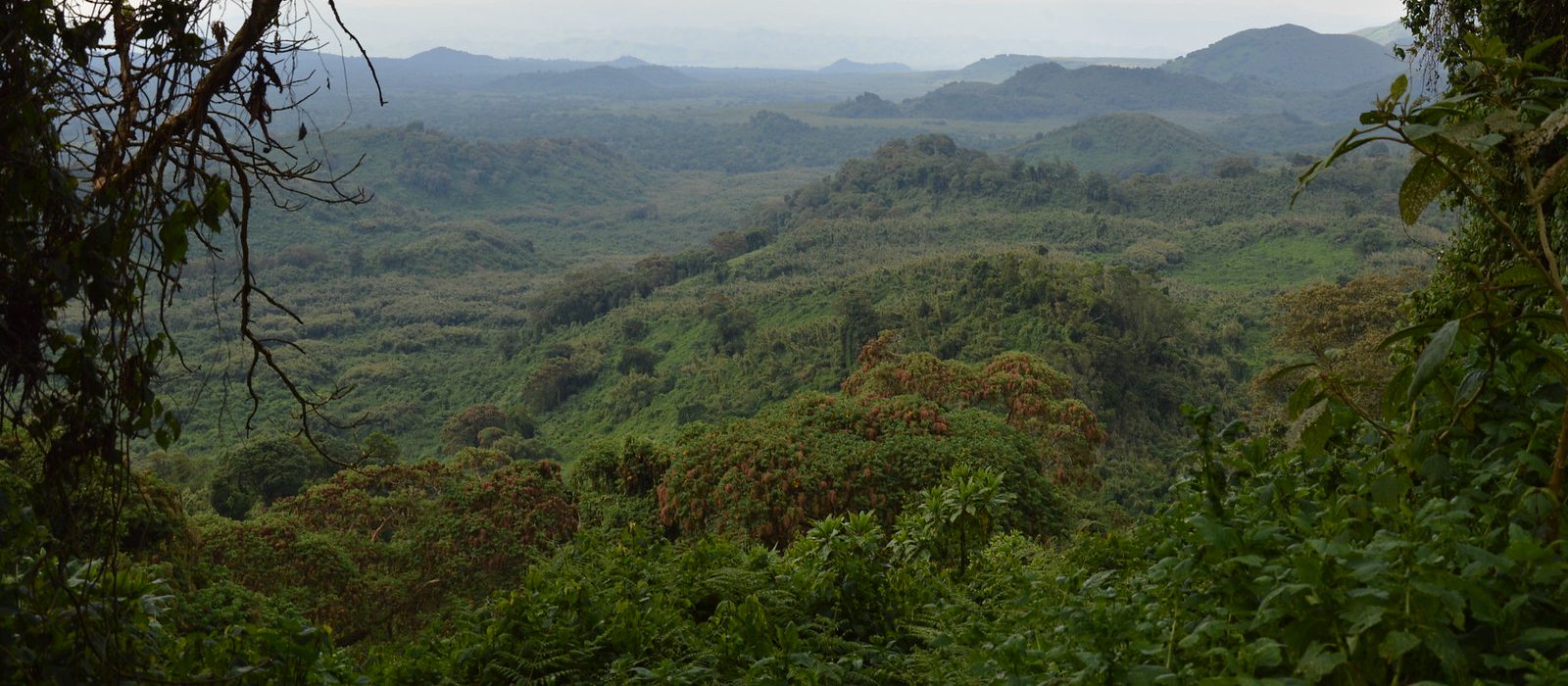
The park’s landscape is a mesmerizing blend of rolling hills, vast savannahs, rocky outcrops, and dense woodlands. This varied terrain provides a habitat for an incredible array of wildlife, including some of Tanzania’s largest populations of elephants, lions, and endangered African wild dogs. Ruaha is also home to over 570 bird species, making it a paradise for birdwatchers.
Places to Visit in Untouched Ruaha Wilderness Experience
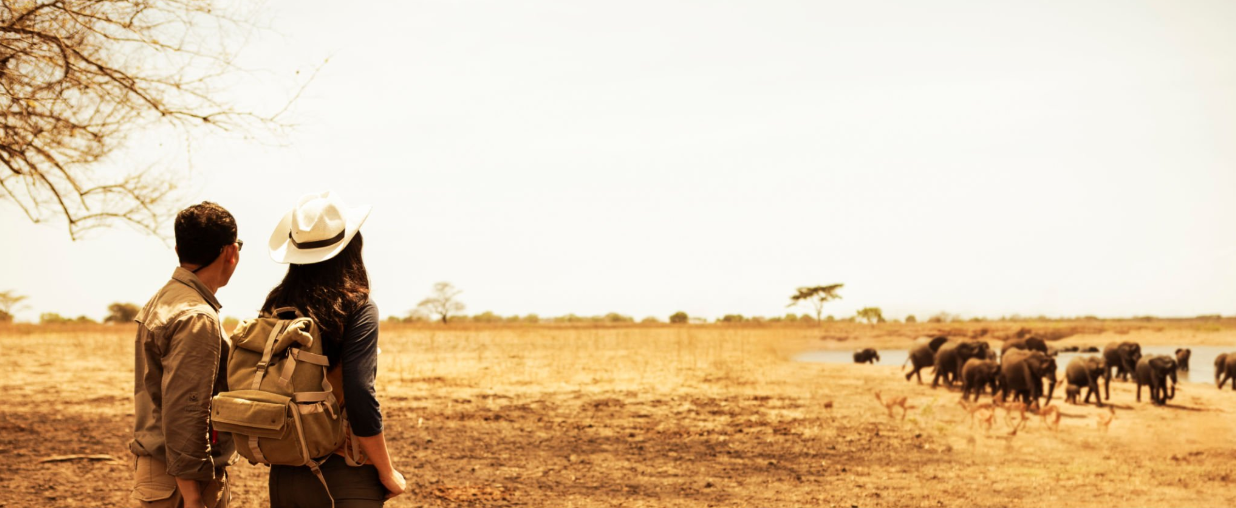
- Great Ruaha River: The river is the park’s centerpiece and a must-visit spot. It attracts large herds of elephants, buffaloes, and antelopes, especially during the dry season. Crocodiles and hippos can also be seen basking along its banks. The river’s scenic beauty and abundant wildlife make it a prime location for game drives and photography.
- Mdonya Falls: Located in the western part of the park, Mdonya Falls is a stunning waterfall that cascades over rocky terrain. The area surrounding the falls is lush and green, providing a stark contrast to the arid landscapes found elsewhere in the park. It’s an ideal spot for a picnic or a short hike.
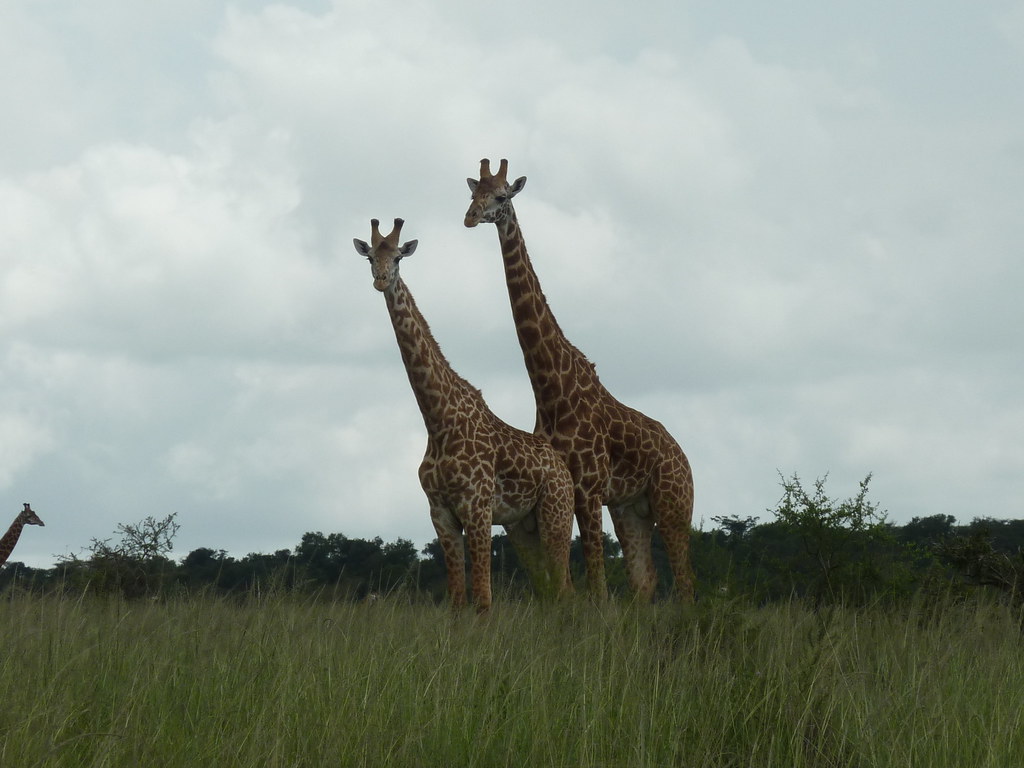
- Jongomero River Valley: This remote and tranquil area is perfect for those seeking solitude. The valley is home to a variety of wildlife, including leopards, giraffes, and zebras. The Jongomero River also offers excellent opportunities for birdwatching.
- Mwagusi Sand River: During the dry season, the Mwagusi Sand River becomes a vital water source for animals. Visitors can witness large herds of elephants and other wildlife congregating here. The riverbed is also a great place for guided walking safaris.
- Ikuka Safari Camp Viewpoint: For breathtaking panoramic views of the park, head to the Ikuka Safari Camp viewpoint. From here, you can take in the vast expanse of Ruaha’s wilderness, with its rolling hills and endless savannahs stretching as far as the eye can see.
Transportation to Untouched Ruaha Wilderness Experience
Reaching Ruaha National Park is an adventure in itself. The park is located in central Tanzania, approximately 130 kilometers west of Iringa town. Here are the main transportation options:
- By Air: The most convenient way to reach Ruaha is by flying into one of its airstrips. Several domestic airlines, such as Coastal Aviation and Auric Air, operate scheduled flights from Dar es Salaam, Arusha, and Zanzibar to Ruaha’s Msembe or Jongomero airstrips. The flight offers stunning aerial views of Tanzania’s landscapes.
- By Road: For those who prefer a road trip, Ruaha is accessible via a combination of tarmac and gravel roads. From Dar es Salaam, the journey takes about 10-12 hours, while from Iringa, it’s a 2-3 hour drive. A 4×4 vehicle is recommended due to the rough terrain.
- Private Transfers: Many lodges and tour operators offer private transfers from major cities or airstrips to the park. This option provides comfort and convenience, especially for first-time visitors.
Best Time to Explore Ruaha National Park
The best time to visit Ruaha National Park depends on your preferences and what you want to experience:
- Dry Season (June to October): This is the peak season for wildlife viewing. The dry season forces animals to gather around water sources, making it easier to spot them. The weather is also pleasant, with clear skies and cooler temperatures.
- Wet Season (November to April): The wet season transforms Ruaha into a lush, green paradise. This is the best time for birdwatching, as migratory birds flock to the park. The landscape is stunning, and the park is less crowded. However, some roads may become impassable due to heavy rains.
Accommodations in Ruaha National Park
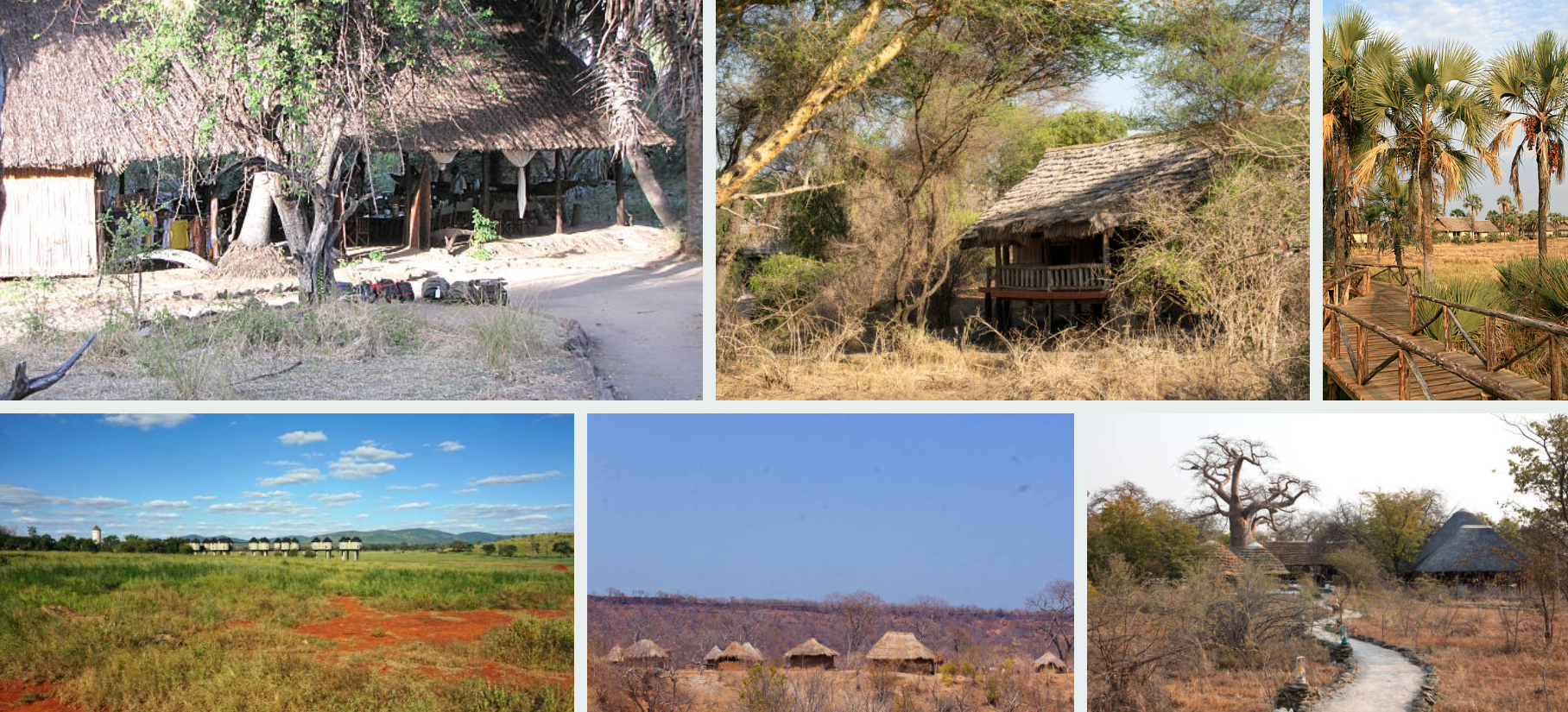
Ruaha offers a range of accommodations to suit every budget, from rustic campsites to luxurious lodges. Here are some options:
- Budget:
- Public Campsites: For budget-conscious travelers, Ruaha has several public campsites equipped with basic facilities such as toilets and showers. These campsites allow you to immerse yourself in nature while keeping costs low.
- TANAPA Bandas: Operated by the Tanzania National Parks Authority (TANAPA), these simple bandas (cottages) provide affordable accommodation with basic amenities. They are ideal for self-catering travelers.
- Mid-Range:
- Ruaha River Lodge: This lodge offers comfortable chalets with stunning views of the Great Ruaha River. It’s a great option for those seeking a balance between comfort and affordability. The lodge also organizes guided game drives and walking safaris.
- Jongomero Camp: Located in a remote part of the park, Jongomero Camp offers spacious tents with en-suite bathrooms. The camp provides an intimate safari experience with personalized service.
- Luxury:
- Ikuka Safari Camp: Perched on a cliff overlooking the park, Ikuka Safari Camp offers luxurious tents with private decks and panoramic views. The camp combines elegance with eco-friendly practices, making it a top choice for discerning travelers.
- Jabali Ridge: This ultra-luxurious lodge features stylish suites with plunge pools and breathtaking views. Jabali Ridge offers exclusive experiences, such as private game drives and bush dinners, ensuring a memorable stay.
Ruaha National Park is a true wilderness destination that promises an unforgettable safari experience. Its untouched landscapes, diverse wildlife, and serene atmosphere set it apart from other parks in Tanzania. Whether you’re a budget traveler, a mid-range explorer, or a luxury seeker, Ruaha has something to offer. With its remote location and limited tourist traffic, Ruaha allows you to connect with nature in a way that few other places can. So pack your bags, embark on an adventure, and discover the untouched wilderness of Ruaha National Park.
Worth reading next: What are the top national parks to visit in Tanzania?, How Far Is Serengeti From Arusha?, Explore Tanzania’s National Parks for Unforgettable Wildlife Encounters.
If this has you dreaming of Tanzania, browse our Tanzania safari packages including the 10 Days Tanzania Wildlife Safari, or reach out to our team to build your own itinerary.
Recommended Tours: 6 Days Tanzania Wildlife Safari | 8 Days Serengeti & Ngorongoro Safari
Tanzania Safari — What You Need to Know
Tanzania is one of Africa’s greatest safari destinations, home to the Serengeti, Ngorongoro Crater, Ruaha, Selous (Nyerere), Tarangire, Lake Manyara, and the Mahale Mountains. Each park offers a distinct ecosystem and wildlife experience, making Tanzania ideal for multi-park itineraries.
The country’s crown jewel is the Serengeti — over 14,000 km² of open savannah supporting the world’s largest terrestrial mammal migration. Over 1.5 million wildebeest, joined by hundreds of thousands of zebras and gazelles, circle the Serengeti ecosystem in an annual clockwise journey in search of fresh grass and water.
Tanzania is also home to Africa’s highest peak, Mount Kilimanjaro, and the Zanzibar Archipelago — making it possible to combine a classic safari with a mountain climb and a beach extension all in one country.
Frequently Asked Questions About Tanzania Safari
Do I need a visa for Tanzania?
Most nationalities require a visa to enter Tanzania. An e-visa can be applied for online at evisa.immigration.go.tz before travel. Citizens of many East African countries are exempt. A standard tourist visa costs USD 50. On arrival, visas are available at Kilimanjaro, Julius Nyerere (Dar es Salaam), and Zanzibar international airports.
What is the best national park to visit in Tanzania?
The Serengeti is Tanzania’s most famous park, but the best park for you depends on your interests. For the Great Migration, the northern Serengeti (July–October) or southern Serengeti (January–March calving season) is unmissable. For sheer density of wildlife in a small area, the Ngorongoro Crater is extraordinary. For elephants, Tarangire (July–October) is outstanding. For wild dogs and remote wilderness, Ruaha and Nyerere are superb.
How many days do I need for a Tanzania safari?
A minimum of 5–7 days allows you to visit two parks (typically Serengeti + Ngorongoro). For a thorough experience of Tanzania’s northern circuit (Tarangire, Manyara, Ngorongoro, Serengeti), allow 8–10 days. Adding Zanzibar or Kilimanjaro extends the trip to 12–14 days for the full Tanzania experience.
What wildlife will I see in Tanzania?
Tanzania’s parks are home to the Big Five (lion, leopard, elephant, buffalo, rhino) along with cheetahs, wild dogs, hyenas, giraffes, zebras, hippos, crocodiles, and an astounding diversity of birds. The Serengeti alone hosts over 500 bird species. The Ngorongoro Crater has the densest concentration of lions in Africa.