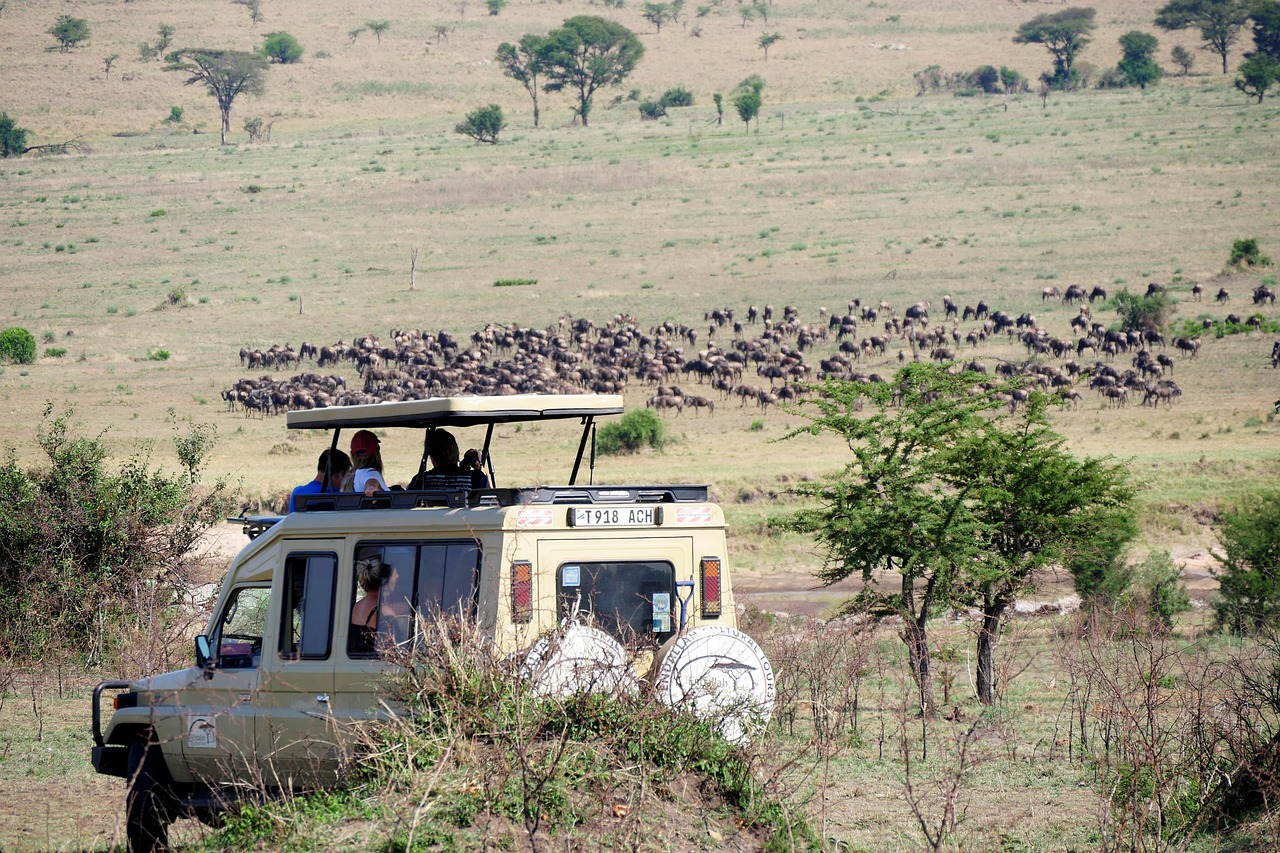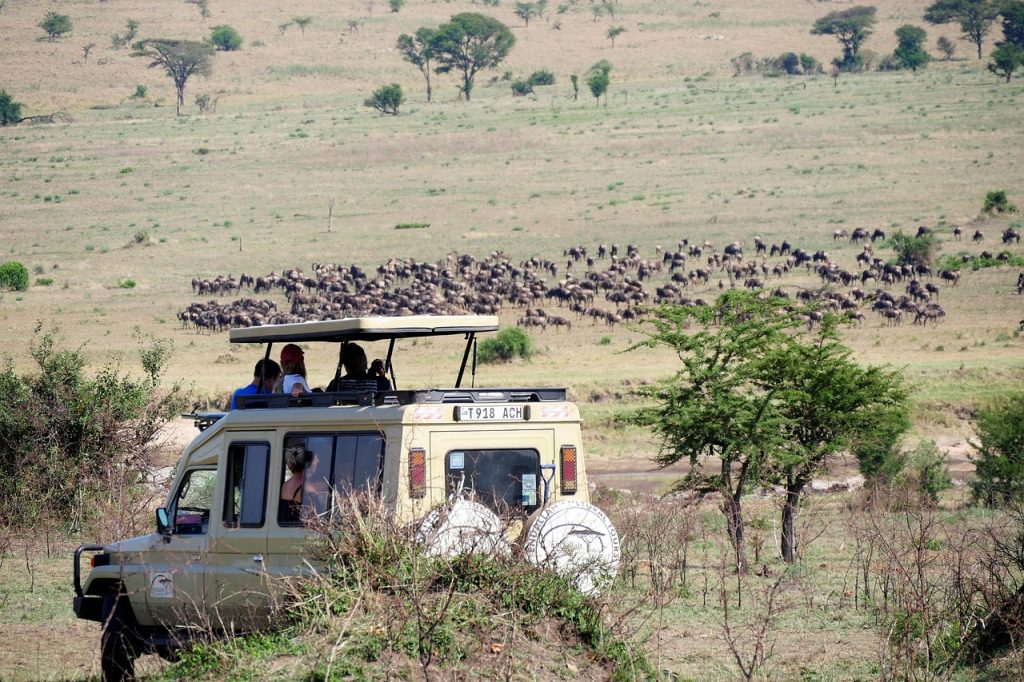
East Africa is a region of stunning natural beauty and biodiversity, offering numerous opportunities for eco-friendly travel. By embracing eco-tourism principles, travelers can experience the wonders of East Africa while minimizing their environmental impact and supporting local communities. This guide highlights sustainable travel tips and top eco-friendly destinations in East Africa, ensuring a responsible and enriching travel experience.
Sustainable Travel Tips
Choose Eco-Friendly Accommodations
Opt for lodges, camps, and hotels that prioritize sustainability. Look for accommodations that use renewable energy sources, implement waste management practices, and support local communities. Eco-friendly accommodations often provide a more immersive and authentic experience.
Key Features to Look For
- Renewable energy sources (solar, wind)
- Waste reduction and recycling programs
- Water conservation measures
- Community involvement and fair trade practices
Minimize Your Carbon Footprint
Traveling responsibly means reducing your carbon footprint wherever possible. Consider using public transportation, carpooling, or biking instead of driving. If flying is necessary, choose direct flights to reduce emissions and consider carbon offset programs.
Practical Tips
- Use public transportation or shared rides
- Opt for direct flights and consider carbon offsetting
- Walk or bike for short distances
- Stay longer in one place to reduce travel emissions
Respect Local Cultures and Wildlife
Respecting local cultures and wildlife is essential for sustainable travel. Engage with local communities in a meaningful and respectful manner, and avoid activities that exploit animals or disrupt their natural habitats. Always follow guidelines provided by guides and local authorities.
Ethical Practices
- Support local businesses and artisans
- Learn and respect local customs and traditions
- Avoid wildlife interactions that are harmful or exploitative
- Follow park rules and guidelines to protect wildlife
Reduce, Reuse, Recycle
Adopting the principles of reduce, reuse, and recycle can significantly lessen your environmental impact. Carry reusable water bottles, bags, and containers to minimize waste. Choose products with minimal packaging and recycle whenever possible.
Sustainable Habits
- Carry a reusable water bottle and refill it
- Use reusable bags, containers, and utensils
- Choose eco-friendly toiletries and products
- Dispose of waste responsibly and recycle
Top Eco-Friendly Destinations in East Africa
1. Maasai Mara National Reserve, Kenya
Community-Based Conservation
The Maasai Mara is not only famous for its incredible wildlife but also for its community-based conservation efforts. Many lodges and camps work closely with the Maasai community to promote sustainable tourism that benefits both the environment and the local people. Staying at eco-friendly accommodations in the Maasai Mara supports these initiatives.
Eco-Friendly Highlights
- Eco-lodges and tented camps
- Community involvement in conservation
- Sustainable wildlife viewing practices
- Maasai cultural experiences
2. Bwindi Impenetrable National Park, Uganda
Gorilla Conservation and Sustainable Tourism
Bwindi Impenetrable National Park is renowned for its mountain gorillas and successful conservation efforts. Gorilla trekking permits support the protection of these endangered animals and contribute to community development. Eco-friendly lodges in the area prioritize sustainability and offer unique, low-impact experiences.
Eco-Friendly Highlights
- Gorilla trekking permits that fund conservation
- Eco-lodges with sustainable practices
- Community projects and cultural tours
- Conservation education programs
3. Chumbe Island Coral Park, Zanzibar, Tanzania
Marine Conservation and Eco-Lodging
Chumbe Island Coral Park is a private nature reserve and marine protected area off the coast of Zanzibar. The park is dedicated to conserving coral reefs and marine biodiversity. Visitors can stay in eco-bungalows that utilize solar power and rainwater harvesting, and participate in guided snorkeling tours to explore the vibrant coral reefs.
Eco-Friendly Highlights
- Eco-bungalows with sustainable features
- Marine conservation programs
- Guided snorkeling and nature walks
- Environmental education and awareness
4. Ol Pejeta Conservancy, Kenya
Wildlife Protection and Sustainable Ranching
Ol Pejeta Conservancy is a model of sustainable land management, combining wildlife conservation with cattle ranching. The conservancy is home to the last remaining northern white rhinos and offers eco-friendly lodges, wildlife experiences, and community outreach programs. Visitors can engage in wildlife tracking, rhino conservation tours, and community visits.
Eco-Friendly Highlights
- Eco-lodges with conservation focus
- Wildlife tracking and rhino conservation tours
- Community engagement and development programs
- Sustainable ranching practices
5. Nyungwe Forest National Park, Rwanda
Primate Conservation and Forest Protection
Nyungwe Forest National Park is one of Africa’s oldest rainforests, home to diverse primate species, including chimpanzees and colobus monkeys. The park promotes eco-tourism through sustainable forest management and community involvement. Visitors can enjoy primate trekking, canopy walks, and birdwatching while staying at eco-friendly lodges.
Eco-Friendly Highlights
- Primate trekking and conservation efforts
- Canopy walkways and nature trails
- Eco-lodges with minimal environmental impact
- Community-based tourism initiatives
Conclusion(Sustainable Travel Tips)
East Africa offers an array of eco-friendly destinations and sustainable travel opportunities that allow you to experience its natural beauty while preserving it for future generations. By choosing eco-friendly accommodations, respecting local cultures and wildlife, and adopting sustainable practices, you can enjoy a responsible and enriching travel experience. Explore the wonders of East Africa with a commitment to sustainability, and contribute to the preservation of this incredible region.
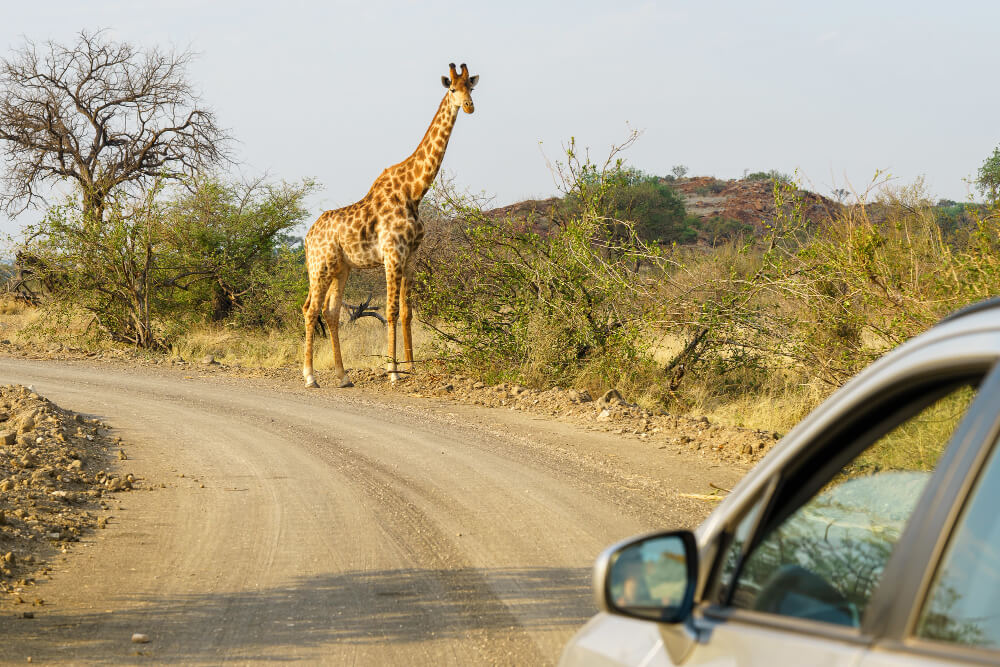
East Africa Safari – Essential Travel Information
East Africa encompasses some of the world’s most iconic wildlife destinations. Uganda, Rwanda, Kenya, and Tanzania form the heart of the safari region, each offering distinct landscapes, wildlife, and travel experiences. Whether you’re seeking mountain gorillas in misty rainforests, the spectacular wildebeest migration across the Serengeti, or the intimate Big Five encounters of the Masai Mara, East Africa delivers an unparalleled variety of wildlife experiences within a relatively compact geographic region.
The region’s safari infrastructure is mature and well-developed, with a wide range of accommodation from budget campsites to ultra-luxury tented lodges. International air connections serve multiple gateway airports including Nairobi’s JKIA, Entebbe (Uganda), Kigali (Rwanda), Kilimanjaro International (Tanzania), and Julius Nyerere International (Dar es Salaam), giving visitors flexibility in designing multi-country itineraries.
East Africa Safari Planning Tips
- Best time to visit: The dry seasons – June to October and December to February – offer the best wildlife viewing across most of East Africa. The Masai Mara migration peaks in July-October. Gorilla trekking is year-round but June-September is most popular.
- Book early: Gorilla permits (Uganda and Rwanda), popular migration camps in the Serengeti and Masai Mara, and Kilimanjaro climb slots all have limited capacity. Book 6-12 months ahead for peak season.
- Combine countries: East Africa’s geography makes multi-country itineraries practical and rewarding. A classic 10-day circuit might combine Uganda gorillas + Queen Elizabeth wildlife + Rwanda gorillas. A 14-day trip adds the Serengeti and Masai Mara.
- Health preparation: Yellow fever vaccination is required for Uganda and Rwanda and recommended elsewhere in the region. Malaria prophylaxis is essential below 2,500m. Comprehensive travel insurance including medical evacuation coverage is non-negotiable.
- Currency: The US dollar is the de facto currency in most safari operations. Carry clean, undamaged USD bills printed after 2009 – older notes are routinely refused. Each country has its own local currency for smaller purchases.
Recommended Tours: 4 Days Bwindi Gorilla Trekking Safari | 8 Days Kenya Wildlife Safari