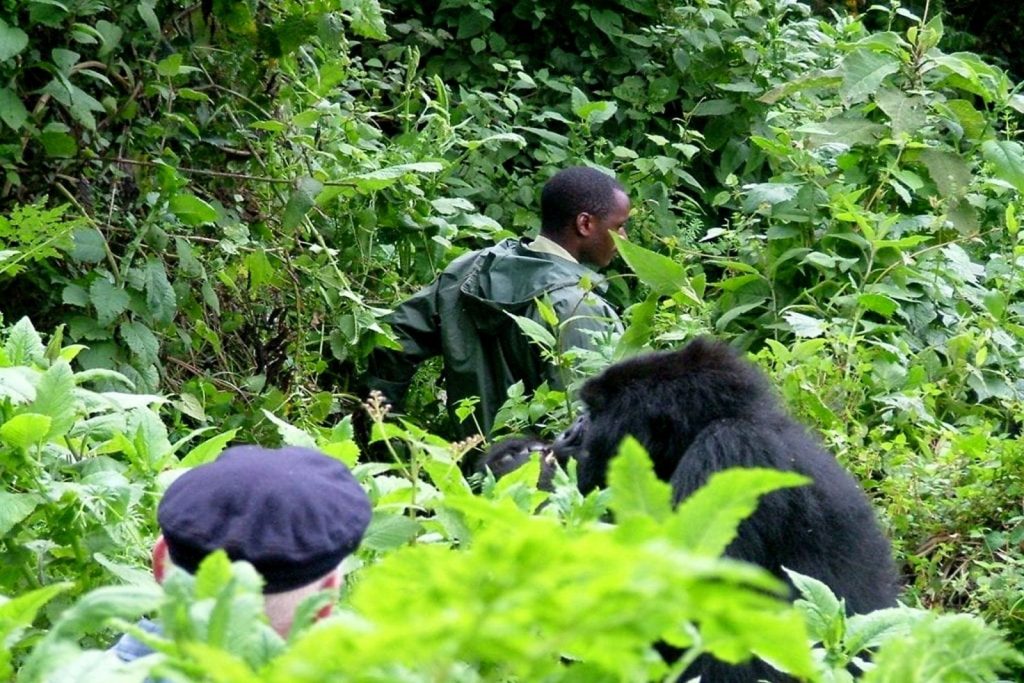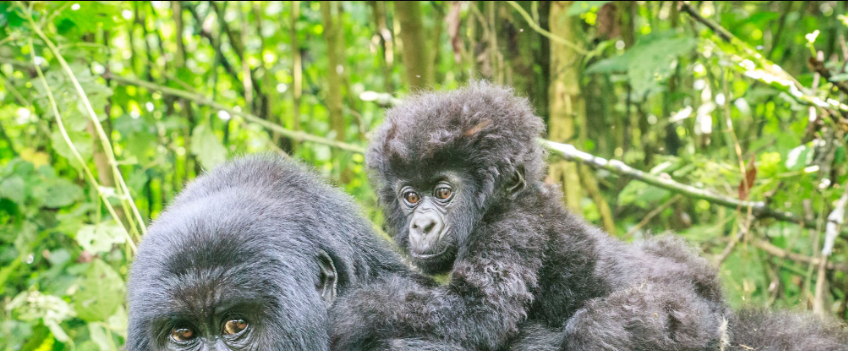
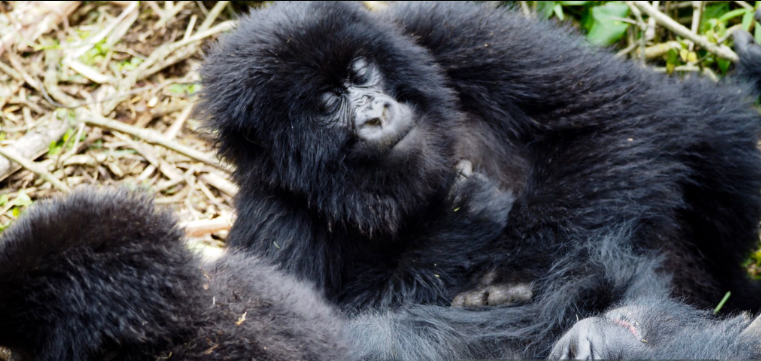
Tracking gorillas in the wild is one of the most challenging yet profoundly rewarding tasks in wildlife conservation. The process of how trackers find gorillas is not just about following footprints or broken branches—it’s a delicate dance of knowledge, intuition, and respect for nature. This journey teaches us invaluable lessons about patience, perseverance, and the deep connection between humans and the natural world.
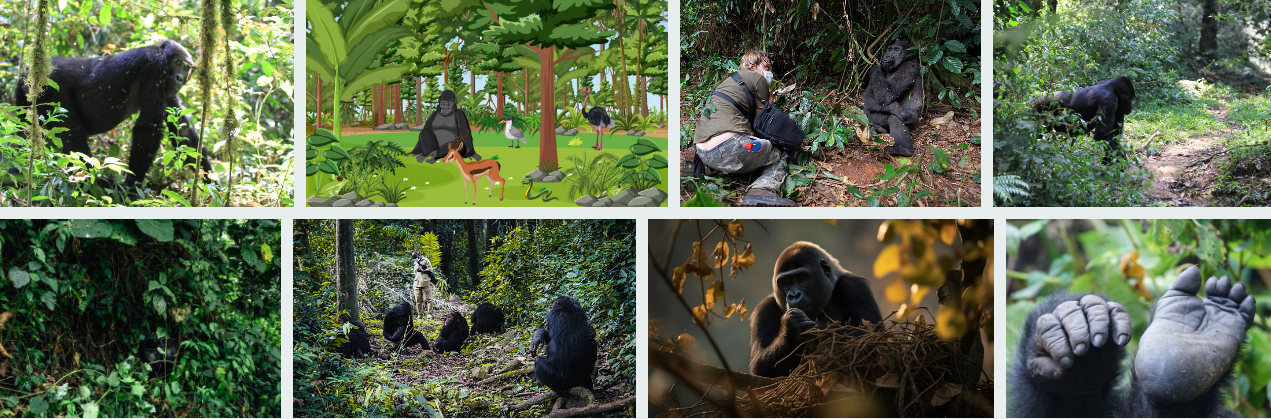
The Science and Art of Tracking
Gorillas, particularly mountain gorillas, inhabit dense forests and rugged terrains in Central and East Africa. Their habitats are often shrouded in mist, thick vegetation, and unpredictable weather, making the task of locating them a true test of skill. So, how do trackers find gorillas in such challenging environments?
1. Understanding Gorilla Behavior
Trackers spend years studying gorilla behavior. They know that gorillas are creatures of habit—they follow specific trails, have favorite feeding spots, and build nests to sleep in each night. By observing these patterns, trackers can predict where gorillas might be at any given time.
Lesson for Life: Just as trackers study gorillas to understand their movements, success in any field requires deep knowledge and observation. Mastery comes from paying attention to details and recognizing patterns.
2. Reading the Signs of the Forest
Gorillas leave behind subtle clues:
-
Footprints: Their large, distinctive tracks can lead trackers in the right direction.
-
Nests: Gorillas build fresh nests daily from bent branches and leaves. Finding these helps trackers estimate how recently gorillas were in the area.
-
Feeding Signs: Peeled bark, broken stems, and discarded fruit rinds indicate recent feeding activity.
-
Droppings: Fresh dung not only confirms presence but also provides health insights.
Lesson for Life: Every challenge leaves clues. Whether in personal growth or professional pursuits, learning to “read the signs” helps us navigate obstacles and stay on the right path.
3. Teamwork and Communication
Tracking is rarely a solo effort. Teams of trackers communicate silently using hand signals, whistles, or subtle sounds to avoid startling gorillas. Each member plays a crucial role—some scout ahead, others interpret signs, and some ensure safety.
Lesson for Life: Great achievements are seldom accomplished alone. Collaboration, trust, and clear communication are essential in any mission.
The Power of Patience and Persistence
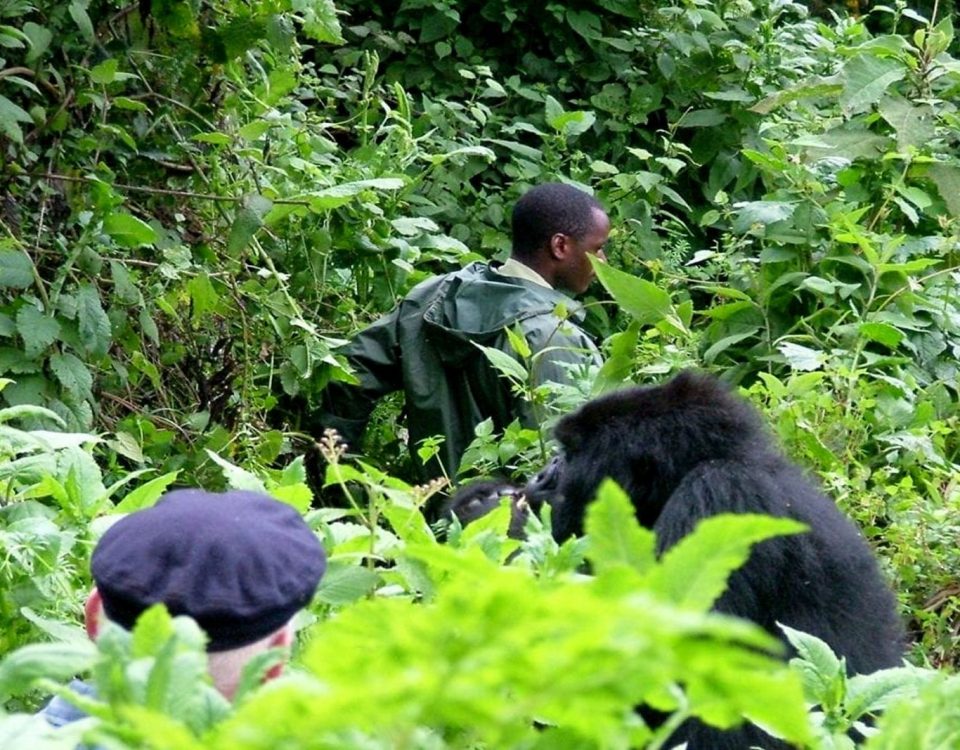
One of the most inspiring aspects of how trackers find gorillas is their unwavering patience. Some days, gorillas are elusive—hidden in thick foliage or moving silently through the forest. Trackers may spend hours or even days following faint trails before finally encountering a gorilla family.
Facing Setbacks with Resilience
-
Weather Challenges: Rain can wash away tracks, and fog can obscure visibility. Yet, trackers persist.
-
False Leads: Sometimes, signs lead to dead ends. Instead of giving up, trackers reassess and try a new approach.
-
Physical Exhaustion: Trekking through steep, muddy terrain is grueling, but the reward of finding gorillas keeps them going.
Lesson for Life: Life’s greatest rewards often come after enduring hardships. Persistence in the face of setbacks is what separates those who succeed from those who give up.
The Role of Technology and Traditional Knowledge
Modern trackers blend traditional skills with technology:
-
Radio Telemetry: Some gorillas are fitted with tracking collars, emitting signals that help locate them.
-
Drones and Cameras: Used sparingly to avoid disturbance, these tools provide aerial views of difficult terrain.
-
Local Wisdom: Indigenous trackers, who have lived near gorillas for generations, possess invaluable knowledge passed down through oral traditions.
Lesson for Life: Progress doesn’t mean abandoning tradition—it means enhancing timeless wisdom with innovation.
The Emotional Reward: A Moment of Connection
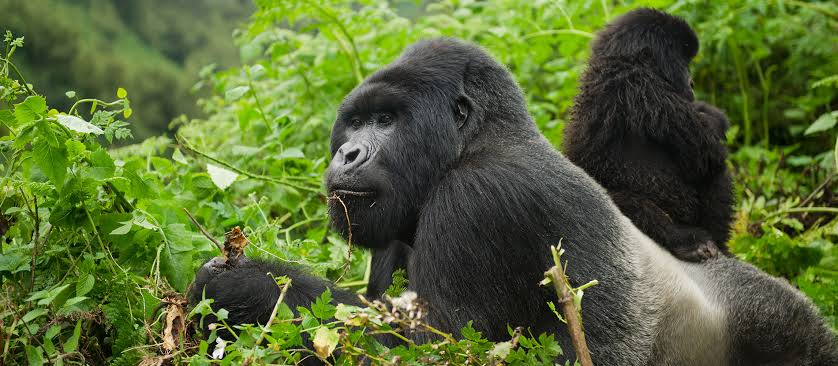
After hours or days of tracking, finally encountering a gorilla family is a transcendent experience. Gorillas, despite their size and strength, are gentle giants. Observing a silverback protect his family, watching juveniles play, or seeing a mother cradle her infant creates a deep emotional connection.
This moment reminds trackers—and all of us—why the effort is worth it.
Lesson for Life: The greatest achievements are those that connect us to something larger than ourselves. Whether it’s a career goal, a personal dream, or a relationship, the journey is meaningful when it fosters connection.
Conservation: The Greater Purpose
Tracking isn’t just about finding gorillas—it’s about protecting them. With fewer than 1,000 mountain gorillas left in the wild, trackers play a vital role in:
-
Monitoring Health: Checking for injuries or illnesses.
-
Anti-Poaching Efforts: Deterring illegal hunters.
-
Research: Helping scientists gather data to aid conservation.
Every time trackers find gorillas, they contribute to saving a critically endangered species.
Lesson for Life: True success is measured not just by personal gain but by the impact we have on the world.
What Gorilla Tracking Teaches Us
The process of how trackers find gorillas is a powerful metaphor for life:
-
Success Requires Preparation – Trackers don’t stumble upon gorillas by luck; they train, learn, and prepare.
-
Persistence Overcomes Obstacles – Even when the path is unclear, they keep moving forward.
-
Respect is Essential – Trackers approach gorillas with humility, knowing they are guests in the gorillas’ world.
-
The Journey is as Important as the Destination – The hours spent tracking are filled with lessons, beauty, and growth.
So, the next time you face a daunting challenge, remember the trackers in the misty forests—patient, persistent, and purposeful. If they can find gorillas in the wild, you can find your way through any obstacle.
Your Turn to Track Your Dreams
Just as trackers follow signs to find gorillas, you too can pursue your goals with the same dedication. Look for clues, adapt when needed, and never lose sight of the bigger purpose. The wild may be unpredictable, but with patience and perseverance, you’ll find what you’re searching for.
Now, go forth—track your dreams with the heart of a gorilla tracker. The journey is waiting.
Everything You Need to Know About Mountain Gorillas
The mountain gorilla (Gorilla beringei beringei) is one of the world’s most endangered great apes and one of its most magnificent wildlife spectacles. With fewer than 1,063 individuals remaining in the wild, every encounter with a habituated gorilla family is a rare and deeply moving privilege.
Mountain gorillas live in family groups of 5–30 individuals, led by a dominant silverback male. Gorillas are primarily herbivores, feeding on leaves, stems, bark, roots and fruits — a silverback can consume up to 34kg of vegetation per day. At dusk each individual builds a fresh sleeping nest from bent vegetation.
Where to See Mountain Gorillas
Mountain gorillas can only be seen in the wild — they do not survive in captivity. They exist in two populations:
- Bwindi Impenetrable Forest, Uganda: The largest gorilla population, home to over 400 individuals across 19 habituated families. Four trekking sectors: Buhoma, Ruhija, Rushaga, and Nkuringo.
- Virunga Massif: Shared between Uganda (Mgahinga), Rwanda (Volcanoes National Park), and the DRC (Virunga National Park). Home to around 600 gorillas across the six volcanic mountains.
Gorilla Trekking Permits — Uganda vs Rwanda
Both Uganda and Rwanda offer outstanding gorilla trekking experiences with important differences:
- Uganda (USD 800): More affordable permit. Greater number of habituated families and sectors. Bwindi terrain is more challenging but offers more choice. Also offers the Gorilla Habituation Experience (USD 1,500).
- Rwanda (USD 1,500): Higher permit cost but closer to Kigali airport (2.5 hours). More developed luxury lodge sector. Smaller park but highly managed experience with reliable gorilla sightings.
Recommended Tours: 4 Days Bwindi Gorilla Trekking Safari | 4 Days Rwanda Gorilla Trekking Safari