HOW TO BOOK A GORILLA TREKKING PERMIT IN UGANDA – STEP-BY-STEP GUIDE 2026
Gorilla trekking in Uganda is widely regarded as one of the most exhilarating wildlife experiences in the world. It provides visitors the rare opportunity to observe mountain gorillas (Gorilla beringei beringei) in their natural habitats within Bwindi Impenetrable National Park and Mgahinga Gorilla National Park. Both parks are part of the Albertine Rift, a region renowned for its high biodiversity, with dense montane and bamboo forests offering shelter to not only gorillas but also golden monkeys, forest elephants, and over 350 species of birds.
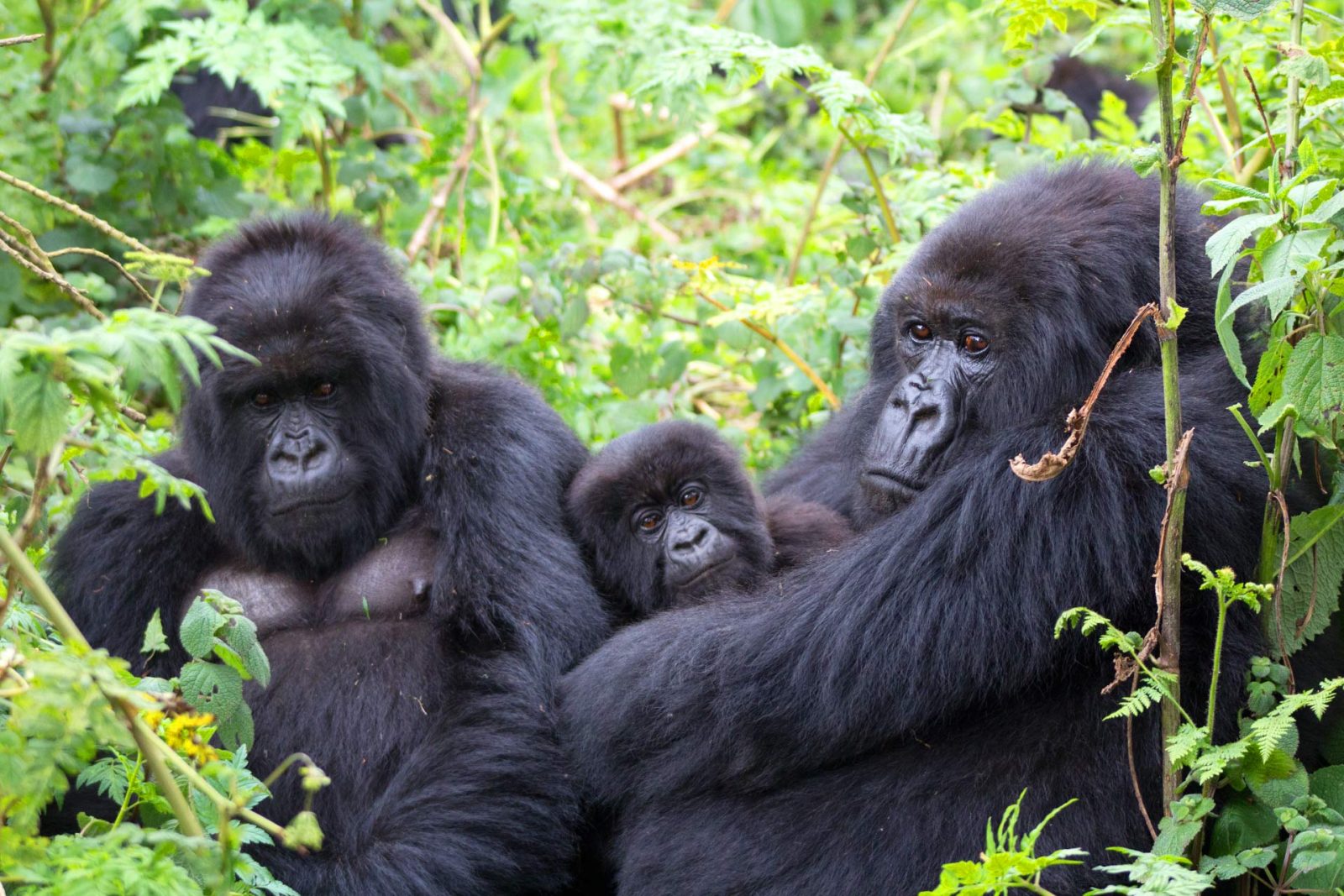
Securing a gorilla trekking permit is mandatory and serves multiple purposes. It regulates tourism, controls visitor numbers to minimize stress on the gorillas, generates vital funding for conservation efforts, and ensures the safety of both gorillas and trekkers. Uganda maintains strict limits on daily permits—typically 8 permits per gorilla family per day—to protect these critically important primates. This approach has contributed to the recovery of Uganda’s mountain gorilla population over the last few decades, making responsible tourism an integral part of conservation.
Permits for gorilla trekking are in high demand, particularly during peak travel periods such as the dry season (June to September) and the December to February holiday season. For this reason, travelers are strongly advised to plan and book well in advance, sometimes even six months or more, to ensure availability. Understanding the process of obtaining a permit, including payment methods, travel logistics, and park regulations, is essential for anyone planning a gorilla trekking safari in Uganda in 2026.
This comprehensive guide provides a step-by-step walkthrough for booking a gorilla trekking permit, including practical tips for travelers, key considerations for park selection, and strategies to enhance your trekking experience.
Step 1: Determine Your Preferred Park and Sector
Uganda has two primary gorilla trekking destinations: Bwindi Impenetrable National Park and Mgahinga Gorilla National Park. Each park has its unique features, trekking experiences, and levels of difficulty, which will influence your choice.
Bwindi Impenetrable National Park, often described as the “Place of Many Gorillas,” is the larger of the two parks, covering approximately 321 square kilometers. The park is divided into four main sectors, each with distinct trekking experiences:
- Buhoma Sector: Accessible from the town of Buhoma, this sector is considered the easiest for trekking due to relatively gentle trails and moderate altitude. It is suitable for families, older travelers, and first-time trekkers. Buhoma hosts several habituated gorilla families, providing high chances of sightings.
- Rushaga Sector: Known for being less crowded and offering dramatic landscapes, Rushaga provides longer and steeper trekking trails. It is ideal for visitors seeking a more adventurous and immersive trekking experience. The sector hosts multiple gorilla families and offers opportunities for photography amidst forested valleys.
- Nkuringo Sector: Situated in southwestern Bwindi, Nkuringo is recognized for its challenging trails, steep terrain, and spectacular forest vistas. It is less visited than Buhoma, offering a more intimate experience with gorilla families. Trekking here requires good physical fitness.
- Ruhija Sector: The highest sector in Bwindi, Ruhija is known for its misty landscapes, bamboo forests, and cooler climate. Trekking in this sector is physically demanding but highly rewarding due to fewer tourists and unique gorilla encounters.
Mgahinga Gorilla National Park, located in the southwestern corner of Uganda bordering Rwanda and the Democratic Republic of Congo, is smaller but equally rich in biodiversity. The park is home to a few habituated gorilla families and also offers golden monkey tracking. The terrain is less strenuous than some Bwindi sectors but still requires a moderate level of fitness, especially on trails through bamboo forests and volcanic slopes.
Selecting a park and sector should be based on your fitness level, trekking experience, travel schedule, and interest in complementary wildlife experiences. Travelers seeking a combination of gorilla trekking and golden monkey tracking may prefer Mgahinga, while those looking for more habituated gorilla families and a variety of trekking difficulties may choose Bwindi.
Step 2: Choose Your Travel Dates
Once the park and sector are decided, selecting the travel dates is the next critical step. Gorilla trekking permits are limited, so planning early is essential to secure a spot, particularly during peak tourism months.
Peak Seasons: June to September and December to February are considered dry seasons with easier trekking conditions, clear trails, and favorable weather for photography. However, high demand during these months means permits often sell out months in advance.
Off-Peak Seasons: March to May and October to November are wetter months with higher rainfall. Trekking during this time is more challenging due to muddy trails and slippery terrain, but fewer visitors provide a more intimate experience. Wildlife activity can also be interesting, as gorillas may be more visible when foraging on fresh vegetation.
Daily Timing: Gorilla trekking usually begins early in the morning. Visitors must arrive at the park headquarters before the pre-trek briefing, which is scheduled based on permit allocation. Early arrival ensures proper orientation, maximizes trekking safety, and allows full participation in the gorilla observation hour.
Step 3: Contact the Uganda Wildlife Authority (UWA) or Authorized Tour Operator
In Uganda, gorilla trekking permits are issued by the Uganda Wildlife Authority. Travelers can purchase permits directly through UWA’s official channels or through licensed tour operators. While direct purchase is possible, most international tourists find working with tour operators more convenient because they provide additional services such as accommodation, park transfers, guided trekking, and sometimes flights.
When contacting UWA or an operator, provide:
- Full names and passport information for all trekkers
- Chosen park and sector
- Desired trekking dates
- Number of permits required
Licensed operators can also advise on visa requirements, travel insurance, park regulations, and other logistics, making the process smoother and safer for international visitors.
Step 4: Make Payment
The 2026 gorilla trekking permit fees are structured according to visitor nationality and age:
- International tourists: Permits are higher-priced, reflecting both the cost of conservation and global tourism standards.
- Residents of East Africa: Discounted fees are available to encourage local tourism and awareness of conservation.
Payments can be made via bank transfer, credit card, or through a tour operator. Always request an official receipt and confirmation of permit allocation. Note that permits are non-transferable and generally non-refundable unless cancellation policies are invoked under UWA guidelines.
Step 5: Receive Permit Confirmation
After payment, the Uganda Wildlife Authority or the tour operator issues an official permit. The permit includes:
- Trekking date and time
- Park and sector
- Assigned gorilla family
- Official reference number for verification
Travelers must carry both physical and digital copies of their permit to the park headquarters. The permit serves as the legal authorization to enter the gorilla habitat.
Step 6: Prepare for the Trek
Gorilla trekking can be physically demanding. Preparation should include:
- Clothing: Long-sleeved shirts, long pants, and layers to protect against rain, sun, and insects
- Footwear: Sturdy hiking boots with good grip
- Accessories: Rain jacket, gloves for gripping vines, walking sticks, and a daypack
- Health Considerations: Carry water, light snacks, and any personal medications. Visitors with pre-existing health conditions should consult a physician prior to trekking.
Photography is allowed during the trek, but flash photography is prohibited to avoid disturbing gorillas. Maintaining a safe distance of at least seven meters is mandatory, both for visitor safety and gorilla welfare.
Step 7: Arrive Early and Attend the Pre-Trek Briefing
On the trekking day, early arrival at the park headquarters is essential. Here, rangers provide a pre-trek briefing covering:
- Gorilla behaviour and communication
- Safety protocols
- Rules for approaching and observing gorillas
- Environmental ethics and minimizing human impact
Visitors are divided into groups based on their assigned gorilla family and guided by experienced rangers throughout the trek.
Step 8: Trekking and Observing Gorillas
The trek’s duration depends on the location of the gorilla family and the terrain, ranging from one to six hours. Rangers ensure a safe and structured approach to minimize disturbance to gorillas.
Once at the gorilla family, visitors are allowed one hour to observe, photograph, and enjoy the animals under ranger supervision. During this time, gorilla behaviour such as feeding, grooming, playing, and social interactions can be witnessed up close, offering a rare and educational wildlife experience.
Step 9: Post-Trek Activities and Feedback
After the trek, visitors return to the park headquarters, where certificates or photo souvenirs may be provided. Many tour operators include a debriefing, sharing highlights of the encounter and discussing gorilla ecology, social structures, and conservation challenges.
Providing feedback supports both park management and operator services, improving experiences for future visitors while contributing indirectly to conservation efforts.
Step 10: Complementary Experiences
Uganda offers a variety of complementary activities to enhance the gorilla trekking experience:
- Golden Monkey Tracking: Particularly in Mgahinga, these playful primates offer an engaging forest encounter.
- Birdwatching: Over 350 species inhabit Bwindi and Mgahinga, including rare and endemic birds.
- Cultural Encounters: Visiting local communities offers insight into indigenous lifestyles and conservation efforts.
- Nature Walks and Forest Trails: Exploring the forest ecosystem provides context for gorilla behaviour and ecology.
These additional experiences create a holistic understanding of Uganda’s biodiversity and the ecosystems supporting its endangered primates.
Step 11: Tips for Maximizing Your Experience
- Physical Preparation: Regular exercise prior to the trek helps with stamina and balance on challenging trails.
- Respect Wildlife: Avoid sudden movements, loud noises, or feeding animals.
- Photography Etiquette: Use silent modes and avoid flash; maintain the minimum safe distance.
- Sustainable Travel: Support eco-lodges and community tourism initiatives that contribute to local conservation.
Step 12: Consider Health and Safety
Mountain gorillas are susceptible to human diseases. Visitors should ensure they are in good health, avoid visiting if ill, and follow UWA health protocols. Wearing face masks during the trek is recommended to reduce disease transmission, a practice that has been increasingly emphasized since the COVID-19 pandemic.
Step 13: Understanding Permit Regulations
Uganda enforces strict regulations to protect gorillas. Permits are non-transferable, and visitors must comply with all ranger instructions. Photography restrictions, group size limits, and the one-hour observation rule are enforced to minimize human impact on gorilla families. Violating rules can result in fines, revocation of permits, or exclusion from future park visits.
Step 14: Booking in Advance
Given high demand, especially for first-time visitors or during peak seasons, early booking is essential. Many travelers book six to twelve months in advance. Using authorized tour operators or UWA’s official channels ensures authenticity and increases the likelihood of securing permits for preferred gorilla families and sectors.
Step 15: Planning Accommodation and Transport
Most gorilla trekking itineraries include overnight stays near the park. Accommodation options range from luxury lodges to eco-camps, providing convenient access to park headquarters. Travel logistics, including flights from Kampala to Kisoro, Kabale, or other regional airstrips, or overland transport via road, should be arranged in advance.
Having accommodation near the park headquarters ensures early arrival for pre-trek briefings and maximizes time for wildlife observation. Many lodges also provide cultural programs, wellness activities, and guided forest walks to complement the gorilla trekking experience.
Step 16: Supporting Conservation Through Your Visit
Revenue from gorilla trekking permits is reinvested into conservation initiatives, including anti-poaching patrols, gorilla health monitoring, community development, and habitat restoration. By participating in gorilla trekking, visitors directly contribute to the protection of mountain gorillas and the preservation of Uganda’s forests.
Travelers are encouraged to choose operators and lodges committed to sustainable tourism practices, ensuring that their visit benefits both wildlife and local communities.
Step 17: Key Considerations for International Visitors
International travelers must consider visa requirements, vaccinations, and travel insurance when planning a gorilla trekking safari in Uganda. A yellow fever certificate is mandatory, and comprehensive travel insurance is highly recommended to cover medical emergencies, trip cancellations, and trekking risks. Currency considerations should also be made, with the Ugandan Shilling being the official currency, although most lodges and operators accept major international credit cards.
Step 18: Combining Gorilla Trekking with Other Uganda Safaris
Gorilla trekking can be combined with other safari experiences, such as:
- Queen Elizabeth National Park: Savanna wildlife including lions, elephants, hippos, and buffalo along the Kazinga Channel.
- Lake Mburo National Park: Home to zebras, eland, and impala, ideal for short game drives.
- Murchison Falls National Park: Spectacular waterfalls, large herds of wildlife, and Nile crocodiles.
Combining experiences allows travelers to appreciate Uganda’s diverse ecosystems, from dense montane forests to open savannas, creating a complete wildlife safari adventure.
Step 19: Preparing for the Unexpected
Gorilla trekking can be unpredictable. Gorillas may move across large territories, trails may be muddy or steep, and weather conditions can change rapidly. Being physically prepared, carrying appropriate gear, and maintaining flexibility ensures a safe and rewarding experience.
Guides play a crucial role in navigating terrain, interpreting gorilla behaviour, and ensuring compliance with park rules. Following their instructions closely enhances both safety and the overall quality of the trek.
Step 20: Summary
Booking a gorilla trekking permit in Uganda in 2026 involves careful planning, early reservation, understanding of park regulations, and preparation for physically demanding trekking. By following the step-by-step guide—choosing the park and sector, selecting dates, contacting UWA or an authorized operator, securing payment, and preparing for the trek—visitors ensure a safe, ethical, and unforgettable encounter with mountain gorillas.
Gorilla trekking not only provides a once-in-a-lifetime wildlife experience but also contributes to the ongoing conservation of one of the world’s most endangered species and their habitats. A well-planned trek enhances awareness of Uganda’s biodiversity, supports local communities, and offers memories that last a lifetime.
Recommended Tours: 4 Days Bwindi Gorilla Trekking Safari | 3 Days Bwindi Gorilla Trekking