Slave Trade Routes in East Africa: Zanzibar, Bagamoyo, and the Interior
The former slave market in Zanzibar tells only one part of the story. Before people were sold there, many had already been taken from their homes and forced to travel long distances. Some passed through caravan centres near Lake Tanganyika and in central Tanzania before reaching the mainland coast. Others travelled along different routes or were held in slavery on the mainland itself.
The slave trade routes in East Africa formed a network, not a single road. This guide follows one well-documented corridor through Ujiji, Tabora and Bagamoyo, then explains Zanzibar’s role as both a trading centre and a place where enslaved people worked. It also shows what you can learn at the historic sites and how to visit them respectfully.
How the Slave Trade Routes in East Africa Worked
During the nineteenth century, long-distance caravans connected the interior of what is now Tanzania with ports on the Indian Ocean. One major corridor linked Ujiji on Lake Tanganyika to Bagamoyo on the mainland coast, passing through what is now Tabora and other parts of central Tanzania. Tanzania’s heritage submission describes the route as more than 1,200 kilometres long. That figure refers to a documented corridor, not the distance every captive travelled.
The central route had branches, and caravans moved in both directions. Among those who travelled were merchants, paid porters and people made to travel against their will. Ivory moved towards the coast, and traders carried goods such as cloth and beads inland. Enslaved people were sold along these networks, although not every caravan carried captives and not every porter was enslaved.
Other routes led to ports such as Kilwa and Pangani. The southern routes linked the coast with areas around Lake Nyasa, also called Lake Malawi. Some northern routes ran through the Kilimanjaro area towards Lake Victoria. Knowing about these alternatives helps you avoid a common mistake. A person enslaved in East Africa did not necessarily pass through Bagamoyo or Zanzibar.
What Each Place Tells You About the Trade
| Place | Historical role | What to ask about during a visit |
|---|---|---|
| Ujiji | A trading centre on Lake Tanganyika with connections across the lake and farther inland | How did lake crossings connect with caravans heading east? |
| Tabora area | A caravan centre in the interior, historically associated with Unyanyembe and Nyamwezi trade | Who organised caravans, supplied them or worked as porters? |
| Bagamoyo | A mainland port and coastal terminus of the central caravan route | What happened when caravans reached the coast, and which people continued by sea? |
| Stone Town, Zanzibar | A major trading centre with a slave market and links to plantation labour and overseas trade | Who remained on the islands, who was transported farther and what changed when the market closed? |
Ujiji and Tabora: The trade before it reached the coast
Ujiji stood on the eastern shore of Lake Tanganyika. Its location linked routes across the lake with journeys farther east. Some enslaved people brought through the area came from places that now lie in the Democratic Republic of the Congo. Modern borders can help you locate these places today, but they did not define the nineteenth-century trading network.
Farther east, the Tabora area was a centre for caravans. Nyamwezi merchants and porters helped develop long-distance trade between their home region and the coast. Their role matters because it challenges an account in which all trade started at the coast and simply moved inland. It also reminds visitors to distinguish between the people who organised journeys, those who worked for pay and those whose labour or movement was forced.
Bagamoyo: Where inland routes met the sea
Bagamoyo was one of the main coastal destinations for caravans following the central route. Its harbour connected the mainland with Zanzibar and the wider coastal trade. For some captives, reaching the coast meant boarding a vessel. For others, journeys ended or changed direction before that point. The relationship between Bagamoyo and Zanzibar was important, but it was never the only way people were moved.
A visit to Caravan Serai in Bagamoyo gives you a place to ask how the caravan economy worked. Ask what the surviving buildings can establish, what the exhibits explain and which details come from written or oral accounts. A historic building can help you understand the route without revealing the exact experiences of every person who passed through the town.
Zanzibar: A market and a place of forced labour
Zanzibar was a major centre of the nineteenth-century slave trade in the western Indian Ocean. Some people sold there were taken to other destinations, including parts of the Arabian Peninsula and other Indian Ocean ports. Many others remained in slavery on Zanzibar and Pemba, where enslaved labour supported the clove plantations. People were also forced to work in households and other settings.
In Stone Town, Christ Church Anglican Cathedral stands on the site of the former slave market. The cathedral was built after the market closed. That distinction is useful when you visit. You are looking at a place connected to the trade and to its later commemoration, rather than a market preserved exactly as it was.
When Did the Slave Trade End in Zanzibar?
The year 1873 marks the closure of Zanzibar’s public slave market and a prohibition on transporting enslaved people by sea under Sultan Barghash. It did not immediately free people already held in slavery or stop all illegal trading. Later decrees addressed different parts of the system.
| Year | What changed |
|---|---|
| 1873 | Sultan Barghash prohibited sea transport of enslaved people, and the public market closed. |
| 1890 | Sultan Ali issued a further decree prohibiting the slave trade. |
| 1897 | Sultan Hamoud issued a decree abolishing the legal status of slavery, with exceptions that delayed emancipation for some people. |
| 1909 | A later measure extended abolition to enslaved women classified as concubines who had been excluded from the earlier decree. |
Treat these dates as stages, rather than one moment when the whole system ended. Historians studying the later reforms have documented women challenging the claims of those who held them. Their actions are a reminder that abolition was shaped by people seeking freedom as well as by rulers, officials and campaigners. Legal change did not erase the economic and social inequalities created by slavery.
How to Visit These Sites Respectfully
Start with the questions you want answered
In Stone Town, make time for the interpretation at the former slave market site. Ask how people were brought there, what happened to those kept on the islands and why closing the market did not end slavery. You can learn a great deal at one site if you take time to read and ask questions rather than treating it as a quick stop for photographs.
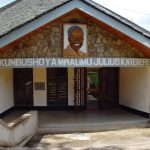
On the mainland, Bagamoyo offers a different perspective. If you are going farther inland, Kwihara Tembe in the Tabora area and the Livingstone memorial museum in Ujiji can provide context for the caravan corridor. Ask specifically about local traders, porters and enslaved people. An exhibit focused on an explorer may tell you less about those whose work made the journey possible. Confirm opening hours and guide availability before setting out.
Let the setting guide your behaviour
Ask before photographing memorials, worshippers or people working at a site. Avoid staged photographs that recreate captivity or treat a memorial as a backdrop for a joke. When visiting with children, explain what slavery meant in plain language and give them time to ask questions. You can skip a display if its subject matter is too distressing for someone in your group.
If accounts differ, ask what evidence supports each version. A guide might be drawing on a local story, a written record or an archaeological interpretation. All three can be worth hearing, but they do not always answer the same question. This is especially useful when you hear claims about the exact purpose of a room, the path taken by a caravan or the number of people who passed through a site.
Frequently Asked Questions
Did all enslaved people pass through Zanzibar?
No. Some remained on the mainland, while others passed through different coastal ports. Zanzibar was a major centre within a much larger network.
Can you follow the entire route today?
You can visit places associated with the corridor, but modern roads do not necessarily follow the old caravan tracks. Travel between the coast and Lake Tanganyika needs separate planning.
Is the entire route a UNESCO World Heritage Site?
No. Stone Town of Zanzibar is inscribed on the World Heritage List. Tanzania’s Central Slave and Ivory Trade Route is on its Tentative List, which is a separate status.
Think of the interior, Bagamoyo and Zanzibar as three parts of the history. The interior helps explain how caravans assembled and how people were displaced. Bagamoyo shows how land routes met maritime trade. Zanzibar brings the market, forced labour and the long process of abolition into view. At each stop, ask whose experience the account describes and whose voice is harder to find.East African Slave Trade Routes: Zanzibar, Bagamoyo and Beyond