
Omo Valley Cultural Tours: Meeting Ethiopia’s Tribes Responsibly
Southern Ethiopia’s Omo Valley is home to a remarkable diversity of ethnic groups whose traditions, dress, and ways of life have remained distinct despite growing outside contact, making Omo Valley cultural tours one of the most talked-about, and most debated, experiences in African travel. Done thoughtfully, a visit here offers a genuine window into ways of life that have adapted on their own terms over centuries. Done carelessly, it can reduce living communities to a photo backdrop. This guide covers who lives in the valley, why responsible planning matters more here than almost anywhere else in East Africa, and how to structure a visit that respects the people who call it home.
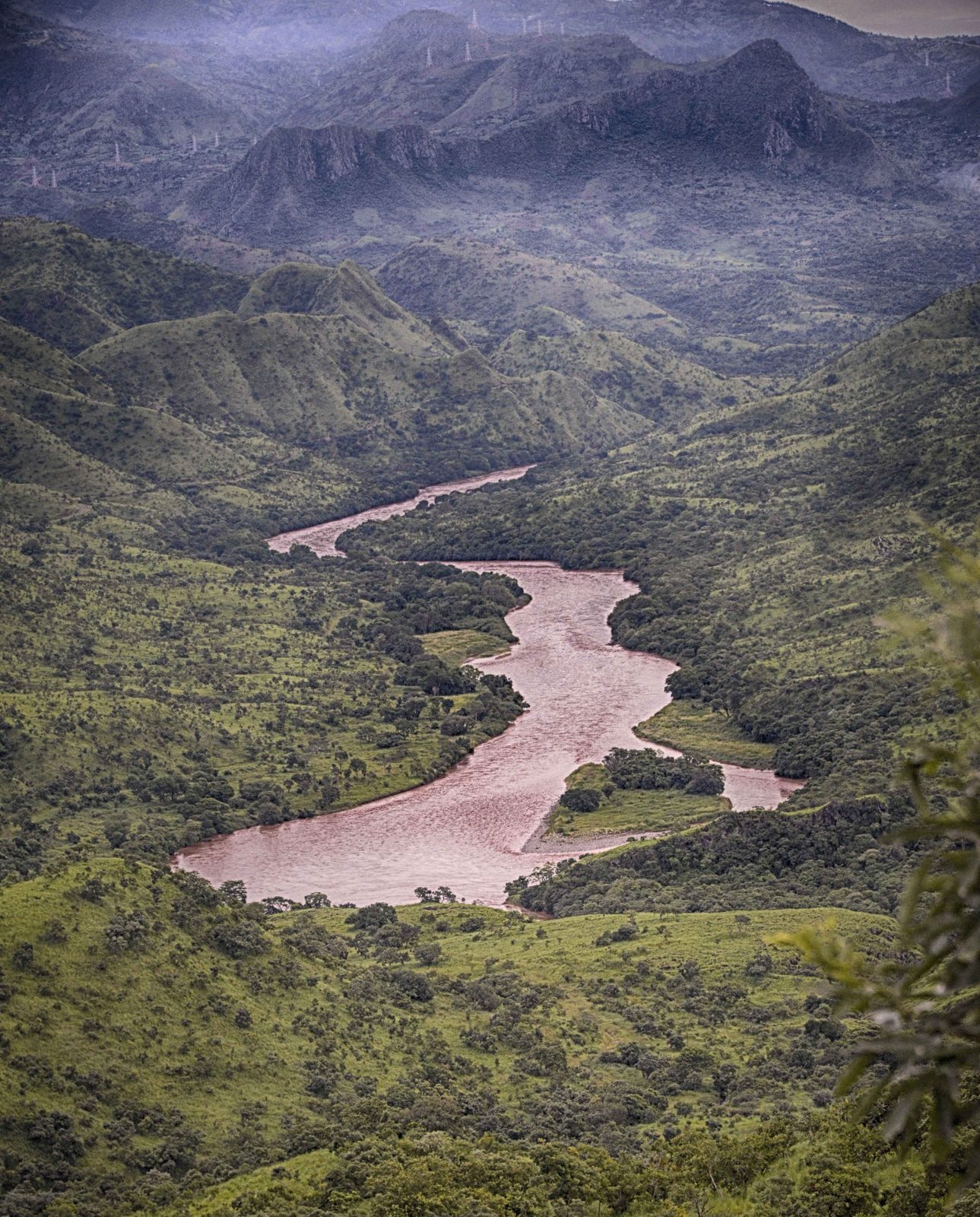
The Omo River winding through southern Ethiopia’s highlands. Photo: Rod Waddington, CC BY-SA 2.0, via Wikimedia Commons.
The Communities of the Omo Valley
The Lower Omo Valley holds one of Africa’s highest concentrations of distinct ethnic groups within a relatively small area, including the Mursi, known for the lip plates worn by some women, the Hamar, whose bull-jumping coming-of-age ceremony marks a young man’s transition to adulthood, the Karo, recognized for elaborate body painting using natural pigments, and several other groups including the Dassanech, Nyangatom, and Banna. Each maintains its own language, social structures, and traditions, and while tourism has brought change to all of them, many core cultural practices remain genuinely intact rather than performed purely for visitors.
Why Responsible Tourism Matters Here
The Omo Valley has developed a reputation, not entirely undeserved, for tourism that treats local communities as photo subjects rather than people, with some visitors and operators historically paying small amounts for photographs in transactions that can feel transactional and dehumanizing on both sides. This dynamic has drawn real criticism from anthropologists, journalists, and increasingly from community members themselves, and it’s precisely why choosing how you visit matters as much as choosing whether to visit at all. Responsible tourism here means genuine cultural exchange, fair compensation, and visits arranged through operators who have built long-term, respectful relationships with specific communities, not a transactional scramble for photographs.
Choosing a Responsible Operator
The single most important decision for an Omo Valley visit is selecting an operator with an established, ongoing relationship with the specific communities you’ll visit, ideally one that employs local guides from within these communities rather than exclusively outside guides speaking for them. Ask direct questions before booking: how does the operator compensate communities, does payment go to individuals or through a broader community arrangement, and how does the operator handle photography and consent. Operators unwilling or unable to answer these questions clearly are worth avoiding, regardless of how competitively priced their tour might be.
Photography and Consent
Photography is where most ethical friction in Omo Valley tourism actually happens, and the responsible approach starts with treating a camera as something you ask permission to use, not a right that comes with the price of admission. Some communities and individuals are entirely comfortable being photographed, sometimes for a small agreed fee, while others are not, and a good guide will help you read these situations and communicate respectfully rather than pushing for a shot. Building genuine rapport first, through conversation facilitated by your guide, before ever raising a camera, tends to produce both better photographs and a more genuinely respectful interaction than treating a village as a photo opportunity to move through quickly.
The Bull Jumping Ceremony
The Hamar bull jumping ceremony, a rite of passage in which a young man runs across the backs of a line of cattle to mark his transition into adulthood, is one of the most significant cultural events a visitor might have the chance to witness. These ceremonies happen on the community’s own schedule, not a tourist timetable, and travelers hoping to witness one should build flexibility into their itinerary rather than expecting one to be arranged on demand. Attending, when the opportunity genuinely arises through a respectful operator with real community ties, offers an extraordinary window into a ceremony that predates outside tourism entirely and continues regardless of whether visitors are present.
Getting to the Omo Valley
The Omo Valley’s remoteness is part of what has preserved its cultural distinctiveness, and reaching it requires either a long overland journey from Addis Ababa or a domestic flight to a regional airstrip followed by rougher road travel. Most visitors join a multi-day organized itinerary covering several communities across the valley, since the distances between different ethnic groups’ territories are substantial and the road network limited. This remoteness also means visitor numbers stay considerably lower than at Ethiopia’s more accessible sites, which, while adding logistical complexity, also means the region hasn’t been reshaped by tourism to the same degree as more heavily visited destinations elsewhere in Africa.
Best Time to Visit
The dry season, broadly October through May, offers more reliable road conditions for reaching the valley’s more remote communities, while the wet season can make some routes genuinely impassable. Beyond weather, timing a visit around specific ceremonies or market days, when communities gather in larger numbers, requires flexibility and local knowledge that a well-connected operator can provide, since these events don’t run on a fixed tourist-friendly calendar.
What to Bring and How to Behave
Modest, practical clothing suited to hot, dusty conditions serves visitors well throughout the valley, and following your guide’s lead on greetings, gift-giving customs, and appropriate behavior in each community avoids the kind of well-meaning but culturally tone-deaf missteps that damage the relationship between tourism and the communities it depends on. Small gifts, when appropriate and guided by local custom rather than a visitor’s own assumptions, are sometimes welcomed, though direct cash-for-photo transactions are exactly the dynamic responsible tour operators try to move away from in favor of more genuine, structured community engagement.
Market Days and Community Gatherings
Weekly market days, when members of different communities travel to a central point to trade goods, livestock, and produce, offer one of the most organic ways to experience the valley’s cultural diversity, since these gatherings happen regardless of tourist presence and bring together people from several ethnic groups in one place. Visiting a market with a knowledgeable local guide, rather than treating it purely as a photography stop, opens up genuine opportunities for conversation and cultural exchange that a scripted village visit sometimes can’t match. These gatherings also give a more accurate sense of daily life than a purpose-arranged demonstration, since trade, negotiation, and social visiting happen exactly as they would with no visitors present at all.
The Broader Impact of Tourism on the Valley
Tourism has brought real economic benefit to some Omo Valley communities, funding schools, healthcare access, and diversified income beyond subsistence agriculture and pastoralism, but it has also introduced pressures, including the transactional photography dynamic already discussed and, more broadly, questions about how much outside contact should shape communities that have maintained distinct identities specifically because of relative isolation. There’s no single right answer to how much tourism the valley should absorb, but travelers who choose operators genuinely invested in equitable, sustainable engagement contribute to the more positive side of that balance rather than the more extractive pattern that has drawn criticism in the past.
Setting Realistic Expectations
Travelers arriving with a rigid checklist of specific ceremonies or cultural moments they expect to witness often end up disappointed, since the Omo Valley’s communities live on their own schedules, not a tourist itinerary. Approaching a visit with genuine curiosity and flexibility, willing to let a knowledgeable guide shape the day around what’s actually happening in a given community rather than a predetermined script, tends to produce far more rewarding encounters than chasing a specific photograph or ceremony that may or may not align with your visit dates. The most memorable Omo Valley experiences often come from unplanned moments, a shared meal, an impromptu conversation through a guide, rather than the staged encounters some tours promise.
Combining the Omo Valley With a Wider Ethiopia Trip
Because of its remoteness, the Omo Valley typically forms its own dedicated leg of an Ethiopia itinerary, separate from the northern historical circuit of Lalibela and the Simien Mountains. Travelers with two weeks or more can reasonably combine both the north and south of the country, though those with less time often need to choose one region to visit properly rather than rushing through both. Our broader Ethiopia travel guide covers how the Omo Valley fits alongside the country’s other major regions for travelers planning a fuller itinerary, and it’s worth reading before finalizing how much time to dedicate to each part of the country.
Recommended Tours: 9 Days Uganda Gorilla Safaris & Jinja Nile Cultural Experience | 7 Days Uganda Gorilla Trekking and Cultural Experience