Samburu People of Northern Kenya: Traditions and Respectful Visits
If you are visiting Samburu National Reserve, a locally guided visit outside the reserve can help you understand how people live and work in the surrounding drylands. You might talk with a livestock keeper about finding water in the dry season or sit with a beadworker who can explain why she chose a particular pattern. Ask your hosts what they are happy to share before deciding what you want to see.
The Samburu people of northern Kenya are a Maa-speaking community with a long history of livestock herding. Beadwork, family life and the responsibilities people take on as they grow older are important parts of that history. Practices vary between families and places. A good visit gives you time to listen, ask questions and learn about life today, as well as the traditions your hosts grew up with.
Who Are the Samburu People of Northern Kenya?
Many Samburu live in Samburu and Marsabit counties. Samburu County, Samburu National Reserve and the Samburu people are three different things. The reserve is a protected wildlife area, the county is an administrative region and the people live in communities that extend beyond both. A game drive inside the reserve and a community visit nearby are separate experiences.
The Samburu and Maasai speak related varieties of Maa and share some pastoral traditions. They are distinct communities with their own histories and practices. If you have read about a Maasai ceremony or a meaning attached to a bead colour, ask how your Samburu hosts understand it before carrying that explanation into a different setting.
Livestock and Water in Samburu Life
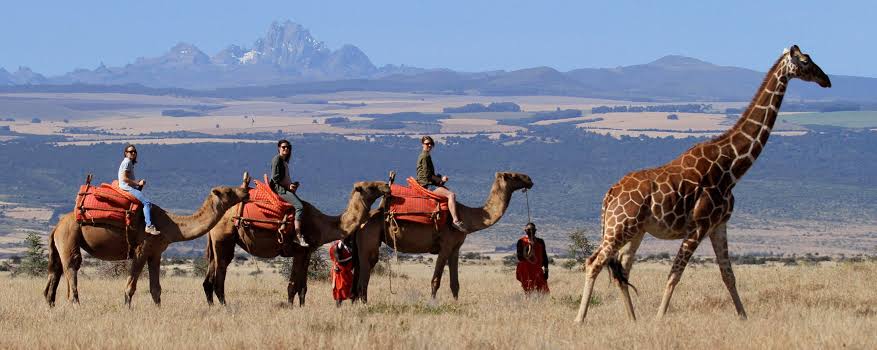
Pastoralism means raising livestock on land where herders may need to move animals to find pasture and water. Cattle have long been important to Samburu households, and families may also keep goats, sheep or camels. Herding decisions depend on the season, the animals a household keeps and which grazing areas it can use. Some household members may move with livestock while others stay closer to homes, schools or work.
On a visit, ask your guide what changes between wet and dry months. Where do herders take their animals after rain? What do they do when a nearby water source dries up? Those questions can explain why a place that looks empty from a safari vehicle may still be important grazing land at another time of year.
If your guide mentions a communal well or watering point, ask whether visitors are welcome there. Watering livestock is work, and a visit should fit around it. If you are invited, give herders and animals room, keep clear of the path to the water and wait for permission before taking your camera out. A conversation away from the well can be a better option when people are busy.
Beadwork, Dress and Community Traditions
Ask the maker about the piece
Samburu beadworkers make collars, necklaces, bracelets and other ornaments. Some pieces are for everyday wear, some suit particular occasions and others are made for sale. When you look at a wide collar, notice how the maker spaces the rows, repeats a pattern or uses a contrasting bead to mark an edge. A narrow bracelet can use similar colours while requiring a different arrangement.
Instead of asking what every colour means, choose one piece and ask who made it, what it was made for and why the maker chose that design. You may learn that it reflects a family practice, suits a celebration or follows a pattern the maker developed for customers. If the artisan is working while you watch, ask whether it is a good time for questions. You can often learn more by watching one short demonstration than by asking a seller to interpret a whole table of jewellery.
Understand age groups without expecting a ceremony
Age-set traditions have historically shaped some social responsibilities among Samburu men. An age set is a group of people who enter a recognised stage of life around the same period. Its members can remain connected as they grow older and take on different roles. Elders have traditionally held authority in some family and community decisions, though the way people exercise those roles varies.
Your visit may include a dance or an explanation of a celebration. A performance arranged for guests can be worth attending when the hosts choose what to present and explain its context. It does not give visitors access to private rites. If a guide says a gathering is closed, accept that and ask whether the hosts would be comfortable discussing the tradition on another occasion.
Where to Arrange a Samburu Cultural Visit
| If you want to learn about | A practical starting point | What to confirm |
|---|---|---|
| Women’s enterprise and beadwork | Umoja Uaso Women’s Group near Archer’s Post | Whether visits are available and what the group is offering that day |
| Livestock, pasture and conservation | A locally guided visit through a community conservancy such as Kalama or Westgate | Who hosts the visit and which areas you may enter |
| A particular craft or skill | A pre-arranged session with an artisan or local group | The time, fee and whether you will watch, take part or both |
Umoja Uaso Women’s Group near Archer’s Post
Samburu women founded the Umoja Uaso Women’s Group in 1990. Beadwork and other artisan work have helped support the group, which also advocates for women’s and girls’ rights. If you are interested in how women organise their own enterprises, ask whether the group is receiving visitors. Let the hosts decide which parts of the group’s history they want to discuss. No one needs to share a personal story for a visit to be worthwhile.
Kalama and Westgate community conservancies
If you are staying near the reserve, ask whether your lodge works with guides or hosts in Kalama or Westgate. A guided visit can help you understand how livestock grazing and wildlife conservation operate in the same landscape. Ask who will lead the visit and whether it includes a conversation, a walk or time with artisans. A conservancy booking does not automatically give you access to homes or community spaces.
How to Visit Respectfully
Agree on the visit before you arrive
Ask who will welcome you, how long the visit lasts and who receives the fee. If your safari operator arranges it, find out whether the hosts are paid separately and whether the fee covers a demonstration, translation or transport. Craft purchases may be separate. Knowing this upfront lets you pay the agreed amount without putting the host in the position of explaining extra costs after you arrive.
A short visit with one clear focus can fit well between safari activities. Tell the organiser if you would rather learn how a bracelet is made than attend a dance. If you are travelling with children or someone with limited mobility, ask how much walking is involved, whether there is shade and whether you can sit during the visit.
Treat photography as a separate request
Ask the person you want to photograph, even if your guide has already explained the general rules. Being welcomed into a compound, watching a performance and posting someone’s portrait online are different permissions. If a parent or guardian has not agreed to a photograph of a child, leave the camera down.
You can still take home a good record of the visit. With permission, photograph the beads, tools or finished piece instead. If you post an image of someone’s work, ask whether they would like their name or group credited. Check the spelling before you share it.
Frequently Asked Questions
Can you visit a Samburu community independently?
You can make your own booking if a host group accepts direct enquiries. Arrange the visit before travelling and confirm the meeting point. If you cannot reach a host, ask a local guide or lodge to make an introduction instead of arriving unannounced.
What should you wear on a community visit?
Choose light clothes that cover your shoulders and knees unless your host advises otherwise. Wear shoes suited to dusty or uneven paths and carry water. If your programme includes a walk, ask whether there will be any shade or somewhere to sit.
Is buying beadwork expected?
No. The visit fee and a purchase are separate unless the hosts explain otherwise beforehand. If you want to buy something, ask who made it, confirm the price and check the fit or fastening. If you decide against a purchase, thank the maker for their time and pay any agreed visit or demonstration fee.