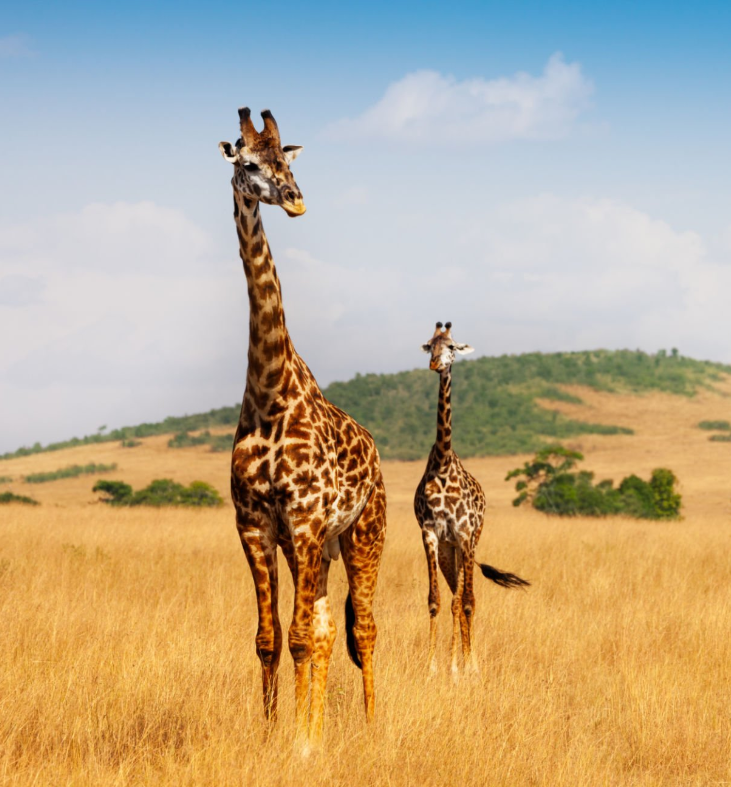
Serengeti National Park is one of the most iconic safari destinations in the world, famous for its vast landscapes, abundant wildlife, and the spectacular great migration. For first-time visitors, the Serengeti offers an unforgettable adventure, but planning a trip can be overwhelming. This Serengeti National Park guide is designed to help you navigate the essential aspects of your visit, from what to see and do to tips on making the most of your safari experience. Whether you’re drawn by the allure of the Big Five or the chance to witness the world’s largest animal migration, this guide will ensure your first trip to the Serengeti is nothing short of extraordinary.
Why Visit Serengeti National Park?
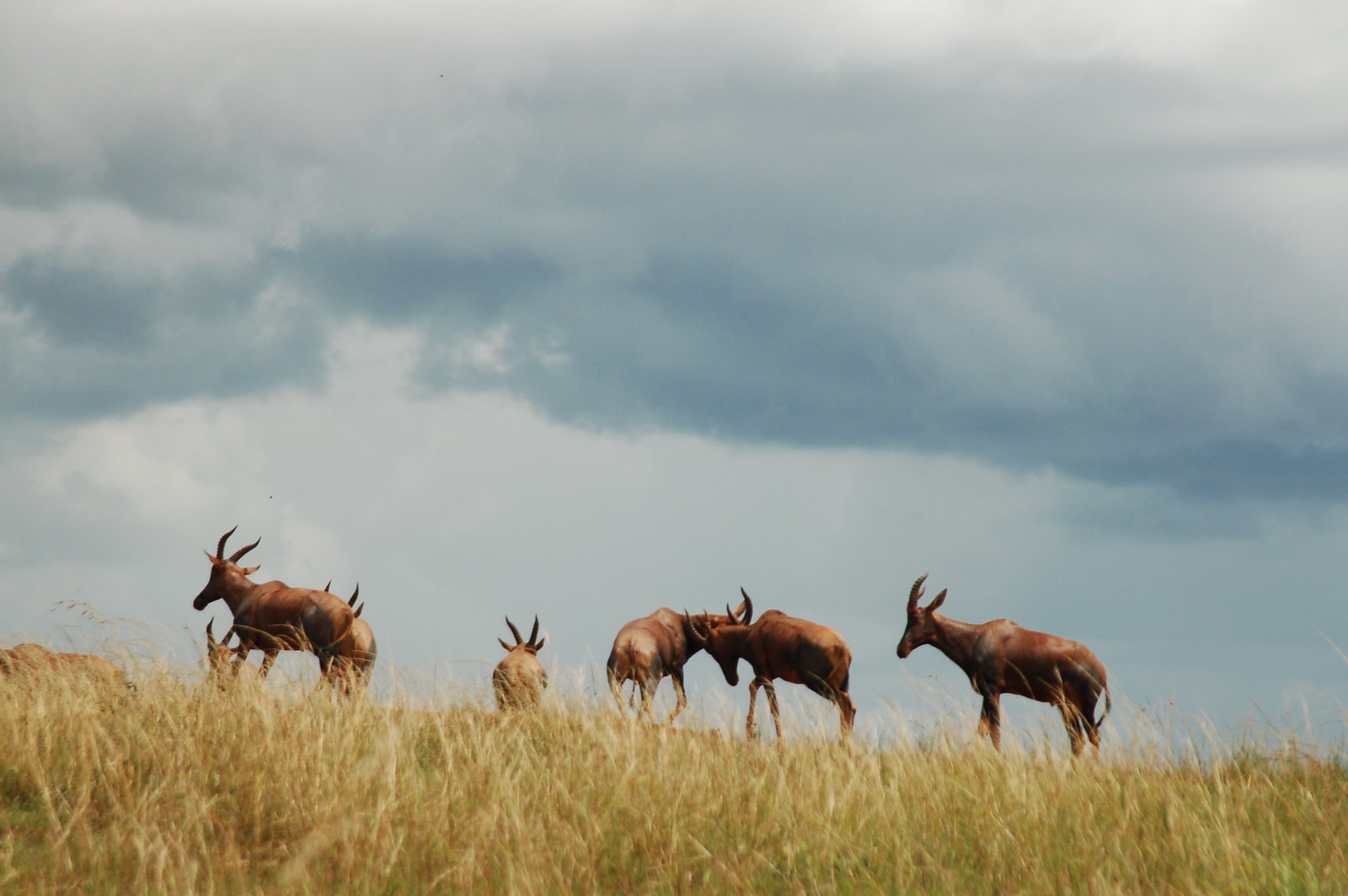
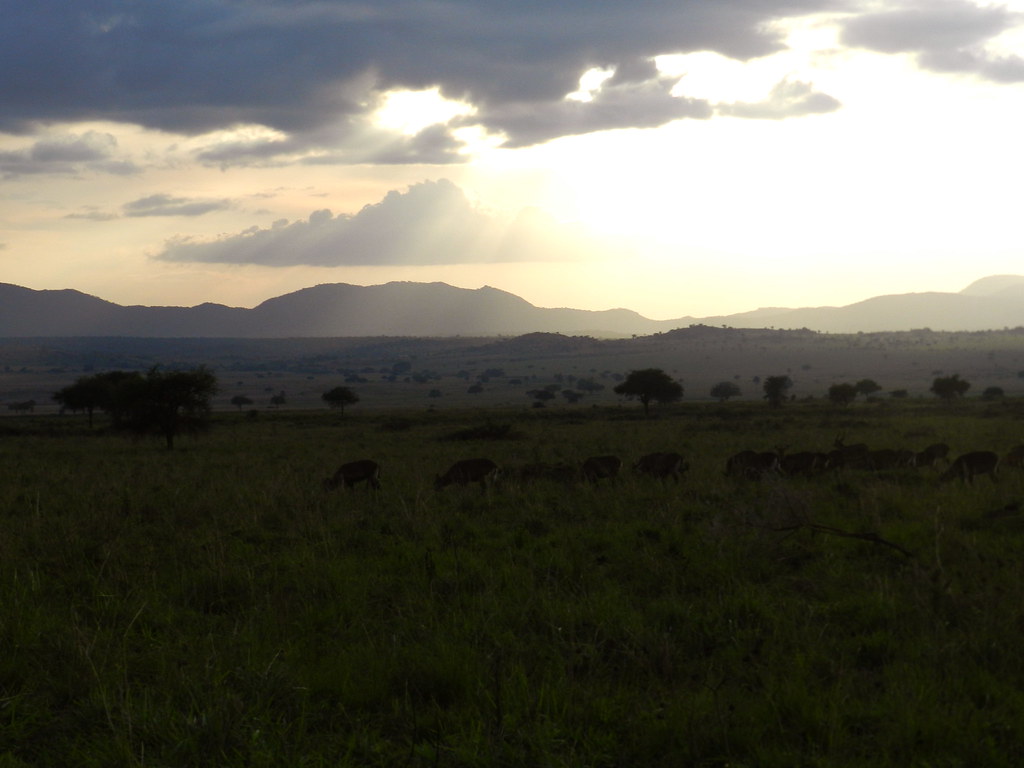
The Serengeti is more than just a wildlife destination; it’s a natural wonder that offers a unique blend of beauty, biodiversity, and cultural heritage. The park is home to over two million wildebeest, zebras, and gazelles that participate in the great migration, as well as a vast array of other wildlife, including lions, elephants, leopards, and rhinos. The Serengeti’s endless plains, dramatic landscapes, and rich ecosystems make it a must-visit for anyone interested in experiencing the raw beauty of nature.
When to Visit Serengeti National Park
Timing your visit to the Serengeti is crucial to ensuring you experience the park at its best. The Serengeti offers unique experiences throughout the year, depending on what you want to see:
1. great migration (June to October)
If witnessing the great migration is at the top of your list, plan your visit between June and October. During these months, the migration reaches the northern Serengeti, where the famous river crossings at the Mara and Grumeti Rivers take place. The dry season also makes it easier to spot wildlife, as animals congregate around water sources.
2. Calving Season (January to March)
The calving season in the southern Serengeti, particularly around the Ndutu region, occurs from January to March. This is when thousands of wildebeest calves are born, attracting predators like lions and cheetahs. The lush green landscape during this time also provides a stunning backdrop for photography.
3. Shoulder Seasons (November to December and April to May)
The shoulder seasons offer a quieter, less crowded experience, with good wildlife viewing and more affordable rates. The short rains in November and the long rains in April and May rejuvenate the park’s landscapes, attracting migratory birds and creating vibrant scenery.
Where to Go in Serengeti National Park
The Serengeti is vast, and knowing where to go can help you make the most of your visit. Here are some of the key regions to explore:
1. Central Serengeti (Seronera)
The Seronera area in the central Serengeti is a great starting point for first-time visitors. It’s known for its high density of wildlife, including large predator populations such as lions, leopards, and cheetahs. The central location also makes it easy to access other parts of the park, and the Seronera River is a year-round water source that attracts a variety of animals.
2. Northern Serengeti
The northern Serengeti, particularly around Kogatende and the Mara River, is where you can witness the dramatic river crossings during the great migration. This region is less crowded than the central Serengeti and offers a more remote, wilderness experience. The landscapes here are more rugged and diverse, with rolling hills, woodlands, and riverine forests.
3. Western Corridor
The Western Corridor, stretching towards Lake Victoria, is home to the Grumeti River and its large Nile crocodiles. This area is another prime location for witnessing the migration, especially during the river crossings in the Grumeti. The corridor’s woodlands and open plains also offer excellent game viewing, with a good chance of seeing elephants, giraffes, and predators.
4. Southern Serengeti (Ndutu)
The southern Serengeti, particularly the Ndutu region, is the place to be during the calving season. The open plains and seasonal lakes attract large herds of wildebeest and zebras, as well as predators. This area is also known for its birdlife, making it a great spot for birdwatchers.
Essential Tips for First-Time Visitors
To ensure your Serengeti experience is smooth and enjoyable, here are some essential tips for first-time visitors:
1. book Early
The Serengeti is a popular destination, especially during peak seasons. To secure the best accommodations and safari guides, it’s advisable to book your trip several months in advance. This is particularly important if you plan to visit during the great migration.
2. Choose the Right Safari
There are various types of safaris available, from budget-friendly group tours to luxury private safaris. Consider your budget, interests, and travel style when choosing your safari. Private safaris offer a more personalized experience, while group tours can be more economical.
3. Pack Appropriately
The Serengeti’s climate can vary, so it’s important to pack appropriately. Bring lightweight, breathable clothing for the day, as well as warmer layers for early morning and evening game drives. Don’t forget essentials like sun protection, insect repellent, and sturdy footwear. A good pair of binoculars and a camera with a zoom lens are also must-haves for wildlife viewing and photography.
4. Follow Park Rules
Respecting the park’s rules and wildlife is crucial for your safety and the preservation of the ecosystem. Always stay in your vehicle during game drives unless your guide instructs otherwise, keep a safe distance from animals, and avoid making loud noises or sudden movements. Remember that you are a guest in the animals’ home, and minimizing your impact is key to conservation.
5. Embrace the Experience
A safari in the Serengeti is a unique adventure, so embrace the experience with an open mind and a sense of wonder. Wildlife sightings can be unpredictable, so patience and flexibility are important. Whether you’re witnessing a lion hunt, watching a sunset over the plains, or simply soaking in the sounds of the African bush, every moment in the Serengeti is special.
Must-See Attractions for First-Time Visitors
To make the most of your visit, be sure to include these must-see attractions in your itinerary:
1. The great migration
No visit to the Serengeti is complete without witnessing the great migration, one of the most spectacular wildlife events on the planet. Depending on the time of year, you can see the herds moving through different parts of the park, from the calving grounds in the south to the dramatic river crossings in the north.
2. The Big Five
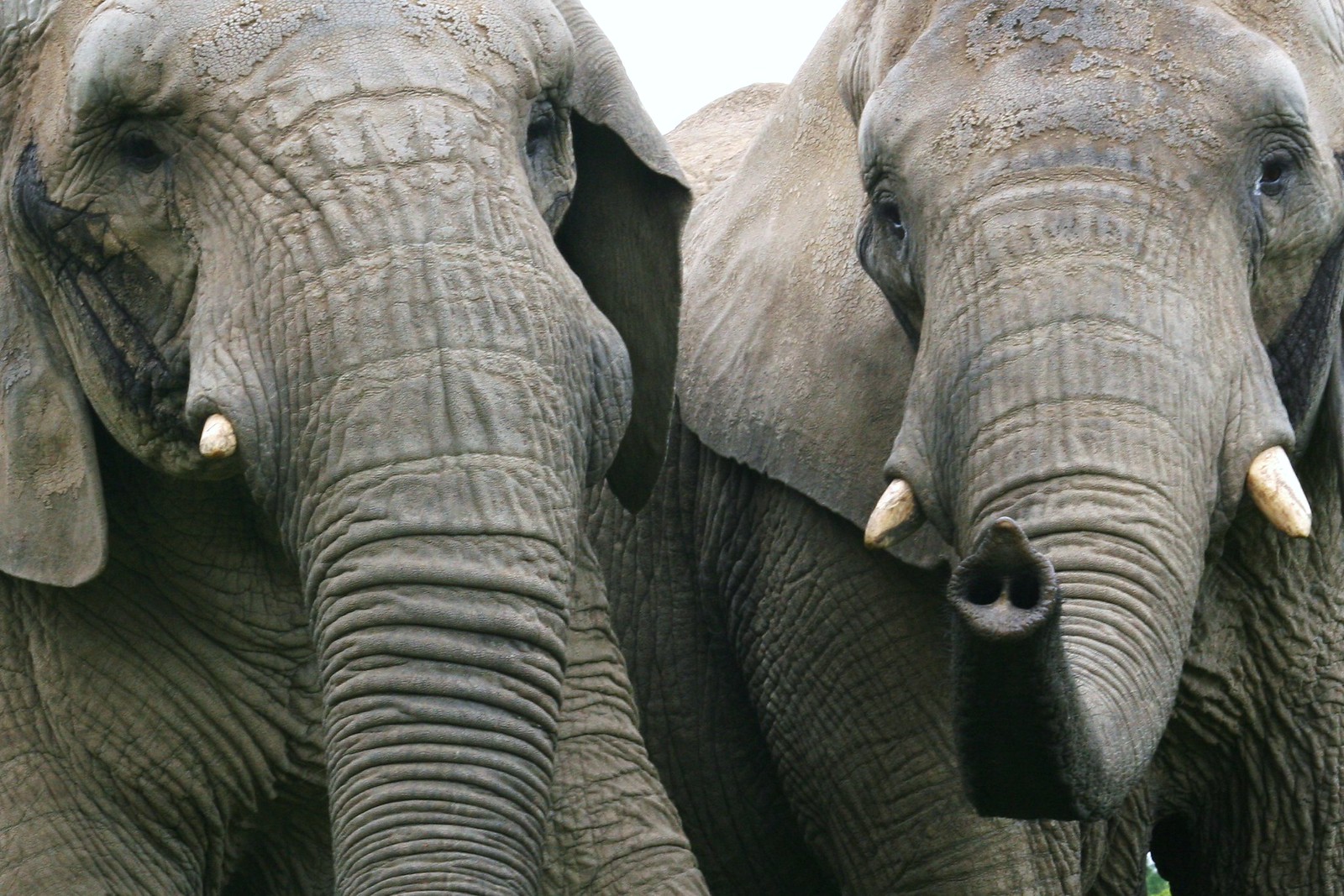
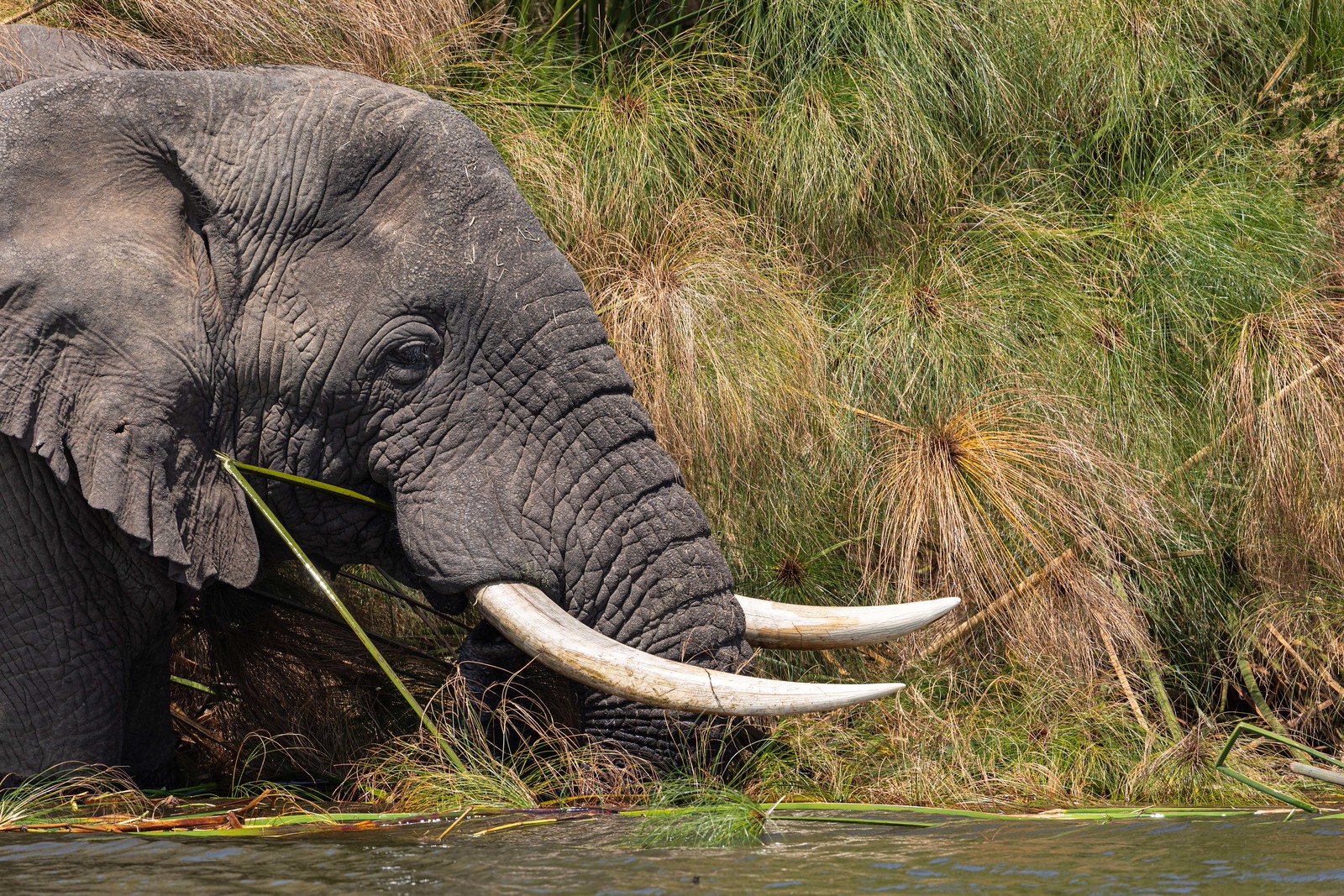
The Serengeti is one of the best places in Africa to see the Big Five—lion, leopard, elephant, rhino, and buffalo. game drives in the central Serengeti offer a good chance of spotting these iconic animals, especially lions and leopards, which are commonly seen in the Seronera area.

3. hot air balloon Safari
For a truly unforgettable experience, consider a hot air balloon safari over the Serengeti. This unique perspective allows you to see the park’s vast landscapes and wildlife from above, followed by a champagne breakfast in the bush. It’s a magical way to start the day and offers incredible photo opportunities.
4. Moru Kopjes and Gong Rock
The Moru Kopjes, ancient granite rock formations scattered across the plains, are not only scenic but also culturally significant. The area is home to the famous Gong Rock, which features ancient Maasai rock paintings. Exploring the Moru Kopjes offers a fascinating glimpse into the Serengeti’s geological and cultural history.
The Cultural Side of Serengeti
In addition to its natural wonders, the Serengeti is rich in cultural heritage. The Maasai people, who have lived in harmony with the Serengeti’s wildlife for centuries, offer visitors a unique opportunity to learn about their traditions and way of life. Many safari itineraries include visits to Maasai villages, where you can experience traditional dances, visit a boma (homestead), and learn about the Maasai’s deep connection to the land.
Serengeti National Park is a bucket-list destination for first-time visitors seeking an authentic African safari experience. With its breathtaking landscapes, diverse wildlife, and cultural richness, the Serengeti offers an adventure like no other. This Serengeti National Park guide provides the essential information you need to plan your visit, ensuring that your first trip to the Serengeti is as magical and memorable as you’ve always dreamed. Whether you’re drawn by the great migration, the thrill of spotting the Big Five, or the serene beauty of the plains, the Serengeti promises an experience that will stay with you for a lifetime.
Frequently Asked Questions About Serengeti and Tanzania Safari
When is the best time to visit the Serengeti?
The Serengeti is a year-round destination, but different months offer different experiences. July to October brings the dramatic river crossings of the Great Migration in the northern Serengeti. January to March sees calving season in the south, where thousands of wildebeest give birth. June to July and December to January are the dry seasons with excellent general wildlife viewing.
What animals will I see in the Serengeti?
The Serengeti is home to the Big Five (lion, leopard, elephant, buffalo, rhino), as well as cheetahs, wild dogs, hyenas, jackals, hippos, crocodiles, zebras, giraffes, and over 2 million wildebeest and gazelles. Over 500 bird species have been recorded here.
How do I get to the Serengeti?
Most visitors fly into Kilimanjaro International Airport (JRO) or Julius Nyerere International Airport in Dar es Salaam, then take a connecting flight to Seronera Airstrip within the Serengeti. Road access is possible from Arusha (approximately 8 hours). Many safaris include light aircraft transfers for efficiency.
Tanzania Safari Travel Tips
- Combine with Ngorongoro: The Ngorongoro Crater is just a few hours from the Serengeti and hosts the densest concentration of wildlife on earth inside its 260 km² caldera.
- Allow enough time: Minimum 3 nights in the Serengeti to properly explore its vast ecosystems. The northern and central sectors require separate travel days.
- Stay in camp: Mobile camps that move with the migration offer an immersive experience during the Great Migration.
- Get a Tanzania visa: Apply for your e-visa online at evisa.immigration.go.tz before departure.
Recommended Tours: 6 Days Tanzania Wildlife Safari | 8 Days Serengeti & Ngorongoro Safari
Explore More: Tanzania Safaris | Gorilla Trekking Guide | Kenya Safaris
Tanzania’s National Parks and Safari Experiences
Tanzania is home to Africa’s greatest wildlife concentration and most spectacular national parks. The Serengeti hosts the legendary Great Wildebeest Migration – the greatest wildlife spectacle on Earth. Ngorongoro Crater is a UNESCO World Heritage Site with guaranteed Big Five sightings. Tarangire is famous for giant baobab trees and large elephant herds. Selous and Ruaha offer remote, authentic game drive safaris. Gombe Stream and Mahale are the world’s best destinations for chimpanzee trekking. Zanzibar provides the perfect beach safari extension. Enjoy hot air balloon safaris over the Serengeti, birding safaris, and Maasai cultural experiences. Choose from luxury, camping, family, or fly-in safaris.