
What Animals Live in Ngorongoro Crater?
There’s something spellbinding about the Ngorongoro Crater. As dawn spills golden light across the ancient caldera, a wave of serenity sweeps over you. It feels like you’ve stepped back in time into a world where wildlife roams freely, untouched by modern noise and chaos. Here in this natural amphitheater carved by the hand of time, Africa reveals its raw, wild heart. The Ngorongoro Crater isn’t just a safari destination it’s a living Eden, home to some of the most iconic and elusive animals on the planet.
This article offers a deep and inspiring look at the wildlife that makes Ngorongoro Crater one of the most breathtaking places to visit in Tanzania. If you’ve ever wondered what animals live in Ngorongoro Crater, prepare to be amazed by the richness and diversity this place holds.
A Natural Haven: Why Wildlife Thrives Here
The Ngorongoro Crater is the world’s largest inactive, intact, and unfilled volcanic caldera. Around 600 meters deep and spanning over 260 square kilometers, this UNESCO World Heritage Site forms a self-contained ecosystem that supports over 25,000 large animals all year round. With permanent water sources, lush grasslands, woodlands, and swamps, the crater offers food and shelter in abundance. This makes it one of the most wildlife-rich safari destinations in Africa.
Unlike many parks where animals migrate, the wildlife in Ngorongoro is mostly resident. This means visitors have an exceptional chance to see a variety of species in a relatively compact area making it a paradise for photographers, nature lovers, and adventurers alike.
The Big Five: Present and Majestic
Lions are the undisputed kings of the crater. Ngorongoro has one of the highest densities of lions in Africa. You might see a pride resting under an acacia tree or watching silently as they stalk zebras across the grassland. The chances of seeing lions here are incredibly high due to the concentration of prey within the crater floor.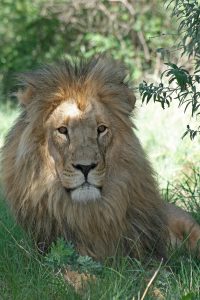
Leopards are more elusive and often found along the forested crater rim. These shy and solitary cats prefer the trees and are usually spotted during early morning or dusk drives, draped gracefully over a branch or moving silently through the undergrowth.
Elephants in Ngorongoro are mostly mature bulls with large tusks. The females and herds prefer higher altitudes on the outer slopes, but solitary bulls often descend into the crater. Watching these gentle giants roam slowly across the plains is one of the crater’s most humbling experiences.
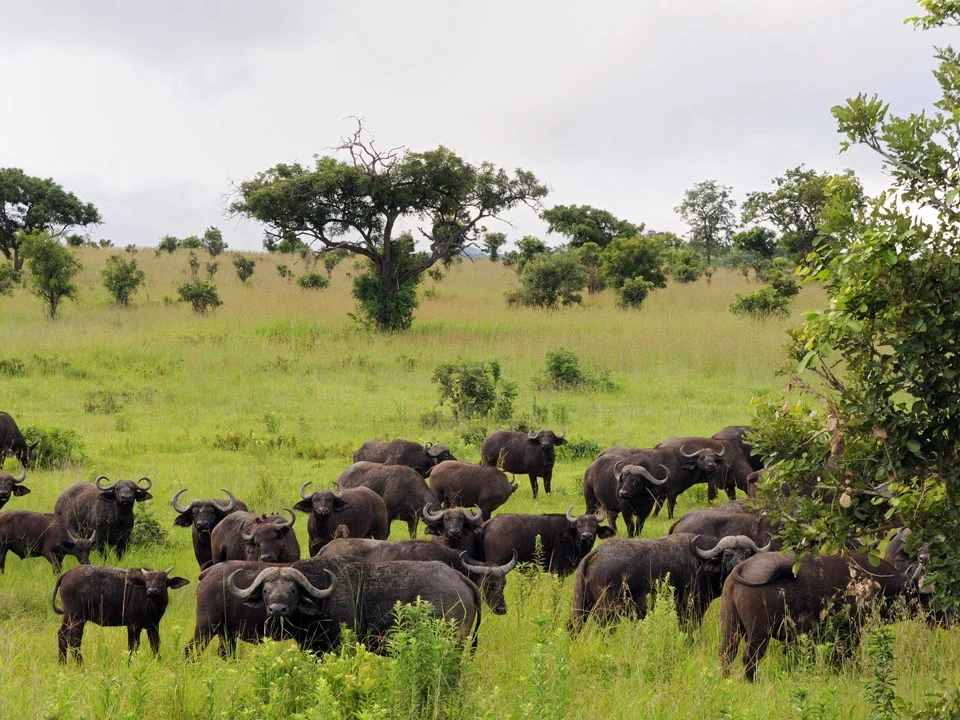
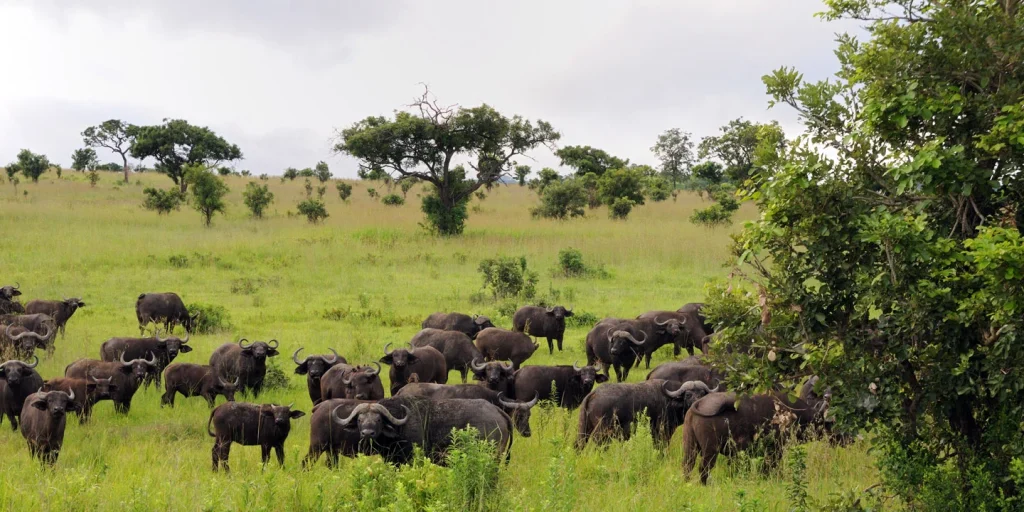
Buffalo roam the crater in large herds. They’re resilient, strong, and always aware of lurking predators. They add a powerful presence to the crater and are frequently seen near water sources.
Rhinoceroses, particularly the endangered black rhino, are among the rarest sightings in Ngorongoro. However, this is one of the best places in East Africa to see them in the wild. Conservation efforts have helped sustain a small population within the crater, offering a rare chance to witness these prehistoric-looking giants in their natural habitat.
Grazers and Browsers: The Heart of the Ecosystem
Ngorongoro’s vast grasslands support large numbers of herbivores. These animals form the backbone of the food chain, drawing predators and maintaining the natural balance of the ecosystem.
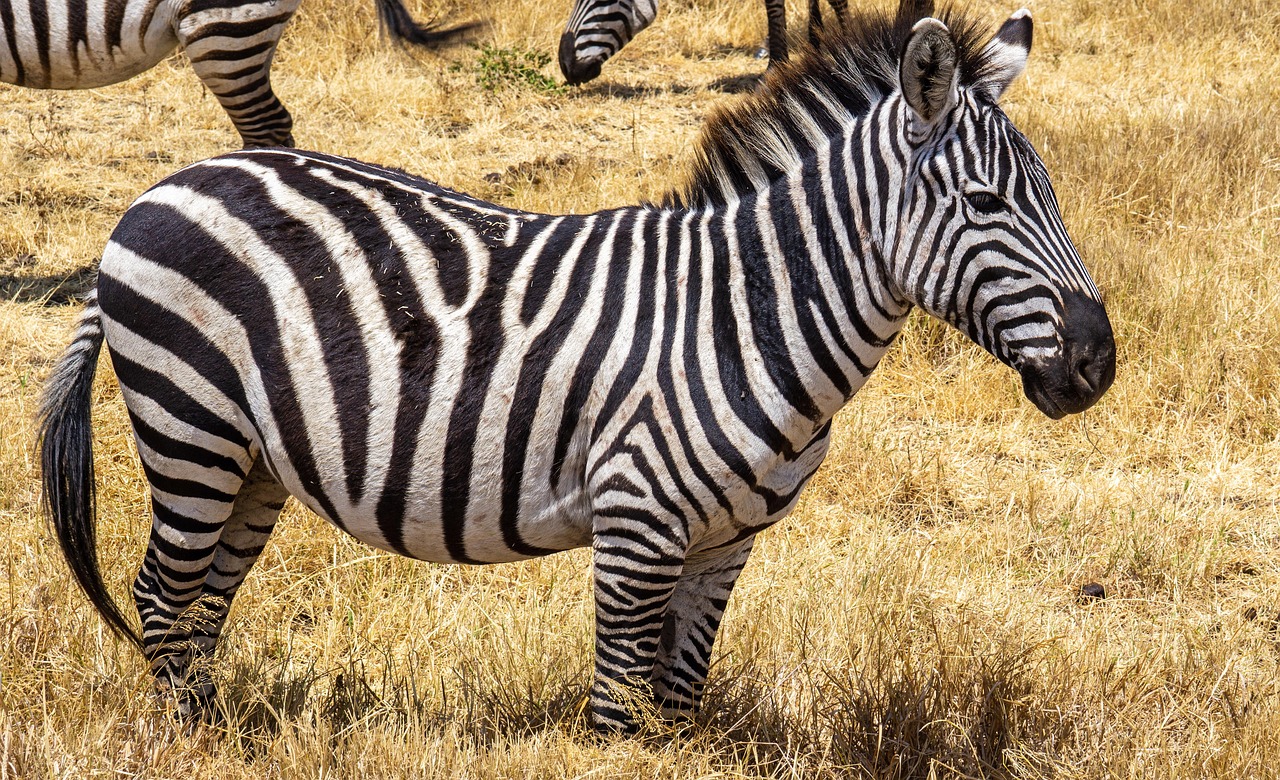
Zebras are everywhere grazing, moving in herds, or resting under the sun. Their stripes seem to ripple across the plains like waves. They often mingle with wildebeests, which also populate the crater in great numbers. Though these wildebeests are part of the larger Serengeti migration, many remain in Ngorongoro year-round.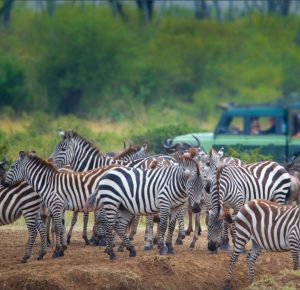
Thomson’s and Grant’s gazelles move in elegant herds, their alert stances and agile movements making them both beautiful and essential prey for predators.
Elands, the largest of the antelopes, occasionally make appearances, while waterbucks and bushbucks are more likely seen near the swamps and woodlands. Warthogs, with their quirky movements and expressive faces, add a dash of humor to the safari scene.
Scavengers and Predators: Nature’s Balancers
Ngorongoro Crater is not just about the iconic big cats and elephants-it’s also home to a thriving community of scavengers and smaller predators that ensure nothing goes to waste.
Spotted hyenas are some of the most visible and vocal predators in the crater. Often misunderstood, hyenas are skilled hunters and play a critical role in cleaning up the ecosystem. Their eerie calls at dusk are unforgettable.
Golden and black-backed jackals scavenge alongside hyenas and birds of prey. Serval cats, although smaller and less commonly seen, may be spotted hunting in the tall grass.
Cheetahs, the fastest land animals, also reside in the crater, though in lower numbers. With their slender build and graceful speed, they often hunt gazelles in open areas.
Birds and Wetland Species: A Birder’s Dream
Ngorongoro is not just about large mammals. It’s a haven for over 500 bird species, making it one of Tanzania’s top birding destinations.
Lesser and greater flamingos often gather around Lake Magadi, a soda lake at the crater’s center, painting the shoreline pink. Kori bustards, crested cranes, and crowned plovers roam the grasslands, while eurasian bee-eaters and lilac-breasted rollers add splashes of vibrant color.
The swamps host hippos, usually submerged during the day and occasionally seen lumbering out during early mornings or late evenings. Watch carefully, and you might also spot otters, frogs, and even monitor lizards lurking in the wetland corners.
Forest Dwellers: Hidden in the Trees
The Lerai forest and other wooded patches on the crater floor are home to more secretive animals. Bushbucks, baboons, and vervet monkeys are frequently seen in the shade of the trees. Baboons often gather in family groups near picnic spots, ever curious and entertaining.
Though rare, leopards, as mentioned earlier, favor these wooded areas and may be seen if luck is on your side.
Conservation and Coexistence
The Ngorongoro Conservation Area is unique because it balances wildlife protection with human presence. The Maasai people, traditional pastoralists, live in designated areas within the conservation zone. Their coexistence with wildlife is part of what makes Ngorongoro so extraordinary.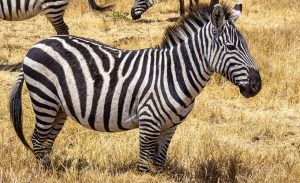
Strict conservation efforts by the Tanzanian government and international partners ensure the preservation of the crater’s ecosystem. Vehicle numbers are regulated, and off-road driving is prohibited to minimize impact on delicate environments. Tourists are encouraged to follow ethical safari practices, making sure the beauty and biodiversity of Ngorongoro remain for generations to come.
Why Seeing Ngorongoro’s Wildlife Is Unforgettable
Nothing compares to seeing a lioness groom her cubs under the rising sun, or watching a black rhino lumber across the mist-covered crater floor. A visit to Ngorongoro isn’t just a wildlife tour it’s a deeply moving journey into a living time capsule. Each animal, from the tiniest songbird to the towering elephant, plays a part in the crater’s symphony of life.
Whether it’s your first safari or your tenth, Ngorongoro delivers moments of wonder that stay etched in your memory. The sheer density of animals, the diversity of species, and the striking landscape come together to offer one of the most complete safari experiences in Africa.