What Is the Zanzibar Ferry Schedule?
There’s something magical about arriving in Zanzibar by sea. As the ferry slices across the turquoise waters of the Indian Ocean, the Swahili breeze welcomes you with a salty kiss, and the historical silhouette of Stone Town slowly emerges from the horizon like a page from a timeworn travel journal. For many travelers, the journey to Zanzibar isn’t just about getting from one point to another it’s part of the adventure itself. And one of the most iconic ways to reach this Indian Ocean gem is by ferry.
Understanding the Zanzibar ferry schedule is key to planning your island escape smoothly. Whether you’re traveling from Dar es Salaam or returning from the paradise shores of Zanzibar to mainland Tanzania, this article will guide you through everything you need to know to ride the waves with confidence and ease.
The Dar es Salaam to Zanzibar Ferry Route
The main ferry route to Zanzibar operates between Dar es Salaam and Stone Town, the capital of Unguja Island. This is the most popular and direct sea connection, used by locals and tourists alike. The ferry crossing offers scenic views and a glimpse into daily life in coastal Tanzania. Most travelers use this option due to its affordability, comfort, and frequent departures.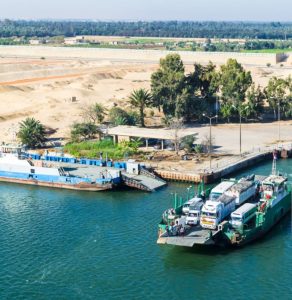
The journey typically takes about two hours one way, depending on sea conditions. Ferries are modern, well-maintained, and operated by reputable companies, with Azam Marine/ Kilimanjaro Fast Ferries being the most popular and reliable provider.
Ferry Schedule Overview
The Zanzibar ferry schedule is consistent and designed to accommodate the heavy flow of passengers, especially during peak travel seasons. Ferries operate daily between Dar es Salaam and Zanzibar, with multiple departures both ways.
Dar es Salaam to Zanzibar Departures:
-
Morning Ferry: 7:00 AM
-
Mid-Morning Ferry: 9:30 AM
-
Afternoon Ferry: 12:30 PM
-
Late Afternoon Ferry: 3:45 PM
Zanzibar to Dar es Salaam Departures:
-
Morning Ferry: 7:00 AM
-
Mid-Morning Ferry: 9:30 AM
-
Afternoon Ferry: 12:30 PM
-
Late Afternoon Ferry: 3:45 PM
These schedules are generally reliable, though they can occasionally be affected by weather conditions or operational adjustments. It’s always a good idea to confirm your departure time at least a day in advance, especially if you’re traveling during a public holiday or festival.
Ferry Companies Operating the Route
1. Azam Marine / Kilimanjaro Fast Ferries:
This is the most prominent ferry company on this route. They operate a modern fleet including Kilimanjaro I, II, III, and IV. These ferries are fast, comfortable, and offer different seating classes depending on your budget and preference.
2. Zan Fast Ferries:
Another operator that provides reliable and scheduled service. While slightly less known than Azam, they also offer good quality services, especially for travelers looking for more flexible pricing.
Most travelers prefer Azam Marine because of their consistent schedule, safety standards, and excellent customer service.
Ticket Classes and Pricing
Ferry tickets are categorized into different classes, each offering a varying level of comfort:
-
Economy Class: Basic seating with fans and shared space. Ideal for budget travelers.
-
Business Class: Comfortable air-conditioned seating and a quieter experience.
-
VIP Class: Premium seats with ample legroom, lounge access, and refreshments.
-
Royal Class (First Class): The highest level of luxury onboard, with reclining seats and a peaceful environment away from the crowd.
Ticket Prices (as of 2025):
-
Economy Class: $35-$40 (one way)
-
Business Class: $45-$50
-
VIP Class: $55-$60
-
Royal Class: $60-$70
Children, East African residents, and locals may enjoy discounted fares. Tickets can be purchased online via the official Azam Marine website, at ticket offices in Dar es Salaam and Zanzibar, or through travel agents and hotel desks.
Best Times to Travel
If you’re looking for a smooth and comfortable journey, consider traveling early in the morning when the sea tends to be calmer. The 7:00 AM and 9:30 AM ferries are particularly popular with those wanting to arrive on the island with enough time to explore the local culture or head straight to the beach.
Travel during weekdays if possible, as weekends and holidays can see larger crowds, leading to long queues at boarding points. Booking your ticket at least a day in advance is highly recommended.
What to Expect on Board
Once aboard the ferry, you’ll find clean seating areas, friendly staff, snack bars, televisions, and sometimes live music in VIP and Royal sections. Safety briefings are provided in both Swahili and English. Life jackets and emergency procedures are clearly explained before departure.
The view from the upper deck is a highlight. Many travelers spend a portion of the journey standing along the railings, watching the skyline of Dar es Salaam disappear behind them as the waters open up toward Zanzibar’s ancient charm.
Travel Tips for a Seamless Ferry Experience
-
Arrive Early: Get to the terminal at least 1 hour before departure, especially if you’re carrying luggage or traveling in a group.
-
Bring Identification: All passengers must present a valid ID or passport to board.
-
Choose Your Class Wisely: If you’re prone to seasickness or want a quieter trip, business or VIP class is worth the extra cost.
-
Secure Your Belongings: Keep valuables in a daypack or handbag with you at all times.
-
Watch the Weather: Rainy season (March to May) can affect ferry schedules. Travel in the dry months for smoother crossings.
-
Use Official Ticket Counters: Avoid street vendors selling tickets, as scams can occur. Only buy from official booths or trusted online platforms.
Accessibility and Family Travel
The ferries are relatively accessible for travelers with mobility challenges, though assistance may be needed during boarding and disembarkation. Families traveling with children will find the ride comfortable, and snacks or light meals are available on board. Strollers and luggage can be stored safely during the trip.
Arriving in Zanzibar
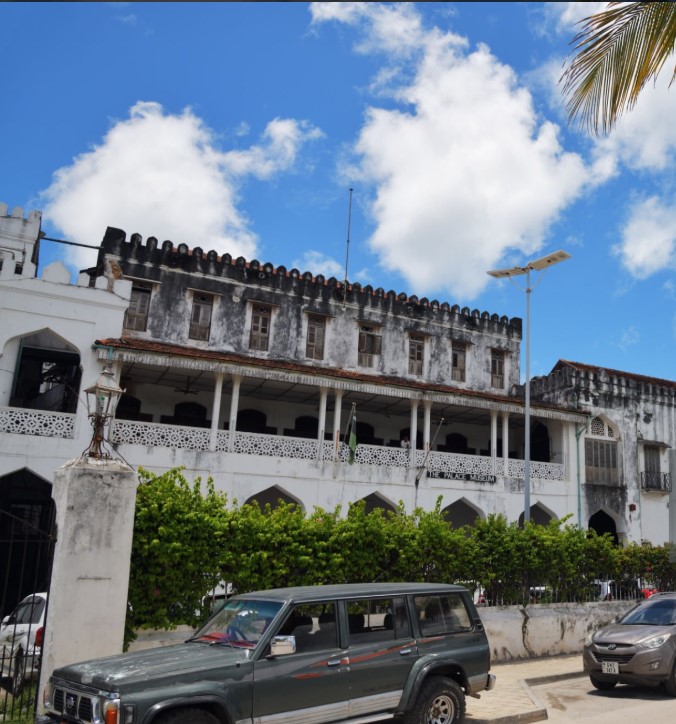
Once you arrive at the Zanzibar Ferry Terminal in Stone Town, you’ll step into a bustling port surrounded by history, spices, and a warm coastal breeze. The terminal is within walking distance of most Stone Town hotels, and taxis are readily available to take you further into the island toward beach destinations like Nungwi, Kendwa, or Paje.
Customs and immigration checks apply to non-Tanzanian citizens, so keep your passport and travel documents handy. If you’re a foreign traveler entering from the mainland, the process is quick and straightforward since Zanzibar is semi-autonomous but still under Tanzanian jurisdiction.
How to Prepare for Climbing Kilimanjaro
Preparing well is the single most important factor in successfully summiting Mount Kilimanjaro. Unlike technical mountaineering peaks, Kilimanjaro requires no ropes or climbing equipment – but it does demand cardiovascular fitness, mental resilience, and proper acclimatization. Start your preparation at least three months before your climb.
Begin with regular cardiovascular training including hiking, running, cycling, and stair climbing. Aim to hike with a loaded backpack on uneven terrain at least once a week. Strength training focusing on legs and core will help significantly on the steep sections, particularly the Barafu or Stella Point approaches to the summit.
Sleep at altitude before your climb if possible. Even a weekend at a mountain lodge at 3,000m will help your body begin to adapt. On the mountain, the golden rule is “pole pole” – slowly, slowly. Rushing is the most common cause of altitude sickness and failed summits.
Kilimanjaro Routes Compared
There are seven official routes up Kilimanjaro, each with different scenery, difficulty levels, and summit success rates. The most popular routes are:
- Machame Route (6-7 days): Known as the “Whiskey Route” for its challenging terrain, Machame is the most scenic and has a good acclimatization profile. Success rate: ~85% on 7-day itinerary.
- Lemosho Route (7-8 days): Starting from the west, Lemosho offers the most diverse scenery and the best acclimatization profile. Fewer crowds. Success rate: ~90%.
- Marangu Route (5-6 days): The only route with hut accommodation. Called the “Coca-Cola Route,” it is the shortest but has the lowest success rate (~65%) due to insufficient acclimatization time.
- Rongai Route (6-7 days): The only route approaching from the north, near the Kenyan border. Drier and less crowded, with good wildlife sightings in the lower zone.
- Northern Circuit (9 days): The longest route with the highest success rate (~95%). Circles the entire northern hemisphere of the mountain before the summit push.
Recommended Tours: 6 Days Kilimanjaro Hiking Safari | 6 Days Tanzania Wildlife Safari