
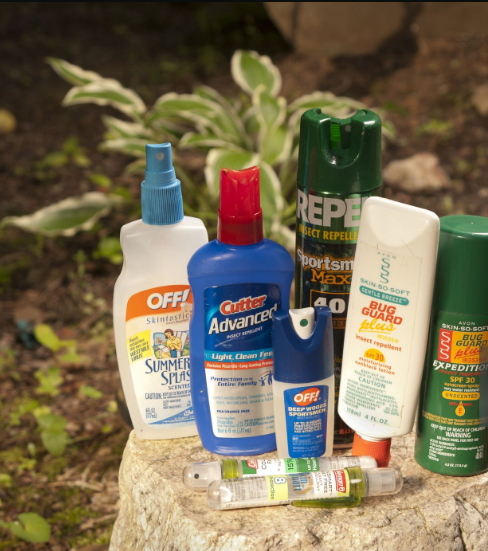
Insects are a vital part of our ecosystem, but when they invade our personal space, they can become a nuisance—or even a health hazard. Mosquitoes, ticks, fleas, and other biting insects can cause itchy bites, allergic reactions, and even transmit dangerous diseases like malaria, dengue, Zika, and Lyme disease. This makes finding the best insect repellent not just a matter of comfort but of safety and well-being.
But beyond just choosing the right repellent, there’s an inspiring lesson here: protection is empowerment. Just as we shield ourselves from insects, we can learn to guard against negativity, distractions, and harmful influences in life. Let’s explore how to find the best insect repellent for your needs while drawing motivation from the idea of staying protected in all aspects of life.
Why Do We Need Insect Repellents?
Before diving into the best insect repellent options, it’s important to understand why they’re necessary. Insects are attracted to humans for various reasons:
-
Body heat and sweat – Mosquitoes are drawn to the carbon dioxide we exhale and the lactic acid in our sweat.
-
Scents and perfumes – Some insects are attracted to floral or sweet fragrances.
-
Dark clothing – Certain bugs, like mosquitoes, are more likely to land on dark-colored fabrics.
Without protection, we become easy targets. Similarly, in life, if we don’t guard our minds and energy, we can fall prey to negativity, stress, and toxic influences. The best insect repellent is like a shield—whether for bugs or bad vibes.
Types of Insect Repellents: Finding What Works Best
There are several types of repellents, each with pros and cons. Let’s break them down to help you choose the best insect repellent for your lifestyle.
1. DEET-Based Repellents
DEET (N,N-Diethyl-meta-toluamide) is one of the most effective and widely used repellents. It works by masking the scent of human skin, making it harder for insects to detect you.
Pros:
-
Highly effective against mosquitoes, ticks, and other biting insects.
-
Long-lasting protection (up to 12 hours depending on concentration).
Cons:
-
Can feel greasy or have a strong odor.
-
May damage synthetic fabrics or plastics.
Inspiration: DEET teaches us that sometimes, the strongest protections require adjustments. Just as DEET isn’t perfect but gets the job done, we sometimes have to tolerate minor discomforts for greater security.
2. Picaridin Repellents
Picaridin is a synthetic alternative to DEET, offering similar effectiveness without the strong smell or sticky residue.
Pros:
-
Odorless and non-greasy.
-
Safe for skin and fabrics.
Cons:
-
May need more frequent reapplication than DEET.
Inspiration: Picaridin shows that innovation can improve on older solutions. In life, we should always seek better, more comfortable ways to protect ourselves.
3. Natural Repellents (Oil of Lemon Eucalyptus, Citronella, etc.)
For those who prefer plant-based solutions, natural repellents can be a good choice.
Pros:
-
Chemical-free and gentle on skin.
-
Pleasant natural scents.
Cons:
-
Shorter-lasting protection.
-
May not be as effective against all insect species.
Inspiration: Nature provides solutions, but they require more effort (like frequent reapplication). Similarly, staying naturally positive in life takes continuous work—mindfulness, gratitude, and self-care must be practiced daily.
4. Permethrin-Treated Clothing
Permethrin is a synthetic insecticide applied to clothing, gear, and mosquito nets. It kills insects on contact rather than repelling them.
Pros:
-
Long-lasting (can survive multiple washes).
-
Great for outdoor enthusiasts.
Cons:
-
Not for direct skin application.
Inspiration: Sometimes, the best defense is changing our environment. Just as permethrin-treated clothes create a protective barrier, surrounding ourselves with positivity (good friends, inspiring content) can shield us from negativity.
How to Choose the Best Insect Repellent for You
The best insect repellent depends on your needs:
-
For everyday use: Picaridin or a mild DEET spray.
-
For hiking/camping: DEET (higher concentration) or permethrin-treated gear.
-
For kids/sensitive skin: Natural options like lemon eucalyptus oil (for children over 3).
Life Lesson: Just as you tailor your repellent choice to the situation, customize your personal “shields” in life—whether it’s setting boundaries, practicing self-care, or avoiding toxic influences.
Beyond Chemicals: Additional Protective Measures
The best insect repellent is part of a broader strategy:
-
Wear long sleeves and pants in bug-heavy areas.
-
Avoid peak insect activity times (dawn and dusk for mosquitoes).
-
Use mosquito nets while sleeping in high-risk areas.
Inspiration: Defense is multi-layered. In life, one tool (like positive thinking) isn’t enough—combine it with action, boundaries, and resilience.
Protection Is Power
Finding the best insect repellent is about more than avoiding bites—it’s about taking control of your environment and well-being. Just as we protect our bodies from pests, we must safeguard our minds from negativity, self-doubt, and harmful influences.
Whether you choose DEET, picaridin, or natural oils, the key is consistency. Apply your repellent regularly, just as you should reinforce your mental and emotional defenses daily.
Stay protected. Stay empowered. And remember—the best insect repellent is the one that keeps you safe, healthy, and free to enjoy life without unnecessary distractions.
Now, go forth—shield yourself from bugs and negativity alike! 🚀
East Africa Safari — Essential Travel Information
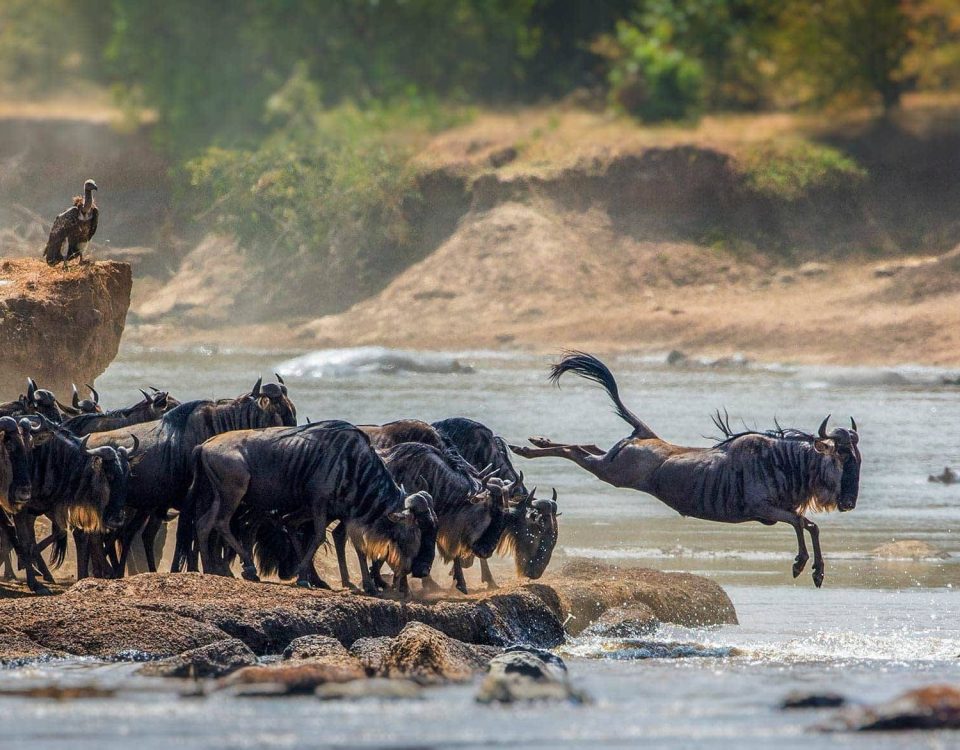
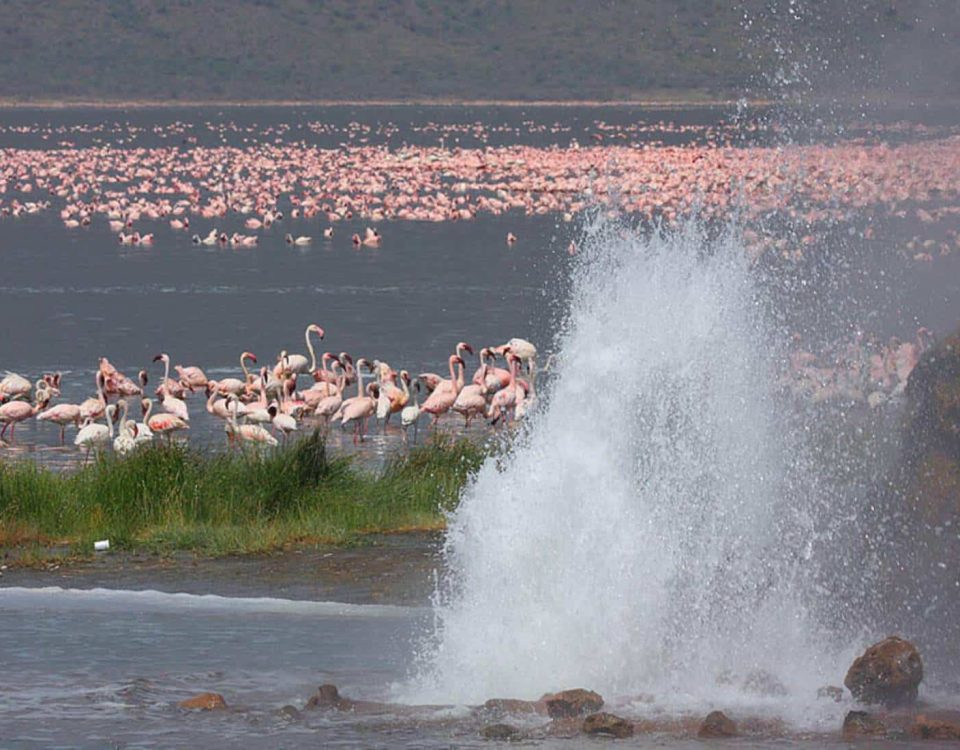
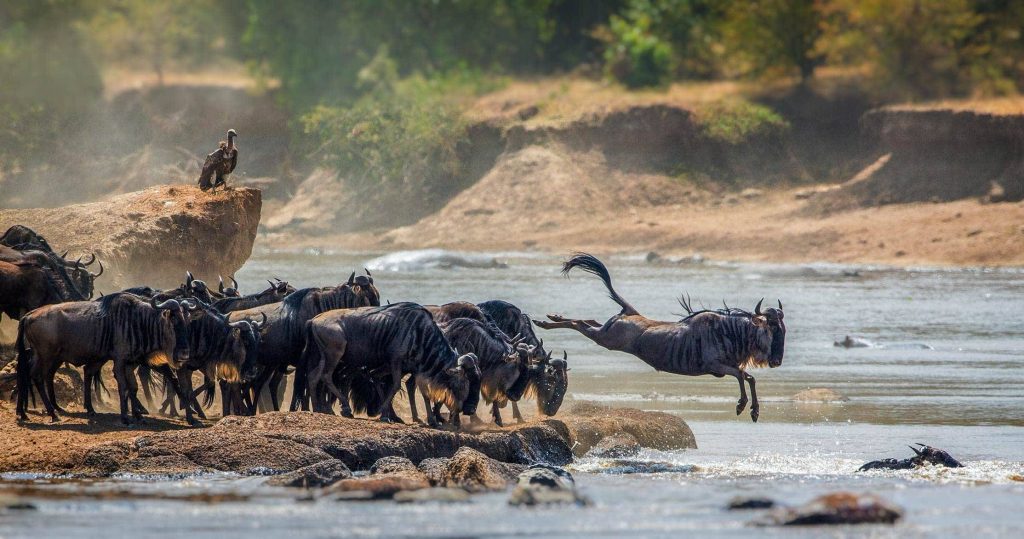
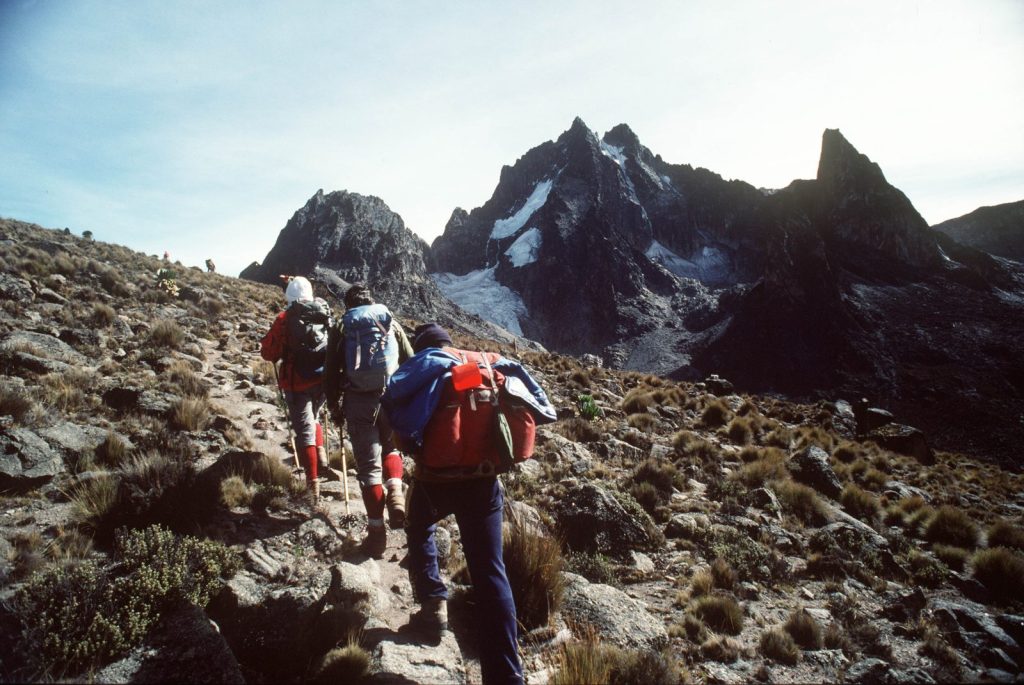
East Africa encompasses some of the world’s most iconic wildlife destinations. Uganda, Rwanda, Kenya, and Tanzania form the heart of the safari region, each offering distinct landscapes, wildlife, and travel experiences. Whether you’re seeking mountain gorillas in misty rainforests, the spectacular wildebeest migration across the Serengeti, or the intimate Big Five encounters of the Masai Mara, East Africa delivers an unparalleled variety of wildlife experiences within a relatively compact geographic region.
The region’s safari infrastructure is mature and well-developed, with a wide range of accommodation from budget campsites to ultra-luxury tented lodges. International air connections serve multiple gateway airports including Nairobi’s JKIA, Entebbe (Uganda), Kigali (Rwanda), Kilimanjaro International (Tanzania), and Julius Nyerere International (Dar es Salaam), giving visitors flexibility in designing multi-country itineraries.
East Africa Safari Planning Tips
- Best time to visit: The dry seasons — June to October and December to February — offer the best wildlife viewing across most of East Africa. The Masai Mara migration peaks in July–October. Gorilla trekking is year-round but June–September is most popular.
- Book early: Gorilla permits (Uganda and Rwanda), popular migration camps in the Serengeti and Masai Mara, and Kilimanjaro climb slots all have limited capacity. Book 6–12 months ahead for peak season.
- Combine countries: East Africa’s geography makes multi-country itineraries practical and rewarding. A classic 10-day circuit might combine Uganda gorillas + Queen Elizabeth wildlife + Rwanda gorillas. A 14-day trip adds the Serengeti and Masai Mara.
- Health preparation: Yellow fever vaccination is required for Uganda and Rwanda and recommended elsewhere in the region. Malaria prophylaxis is essential below 2,500m. Comprehensive travel insurance including medical evacuation coverage is non-negotiable.
- Currency: The US dollar is the de facto currency in most safari operations. Carry clean, undamaged USD bills printed after 2009 — older notes are routinely refused. Each country has its own local currency for smaller purchases.
Recommended Tours: 4 Days Bwindi Gorilla Trekking Safari | 8 Days Kenya Wildlife Safari