In today’s fast-paced world, maintaining good health is more important than ever. With the constant threat of viruses, bacteria, and environmental toxins, knowing how do I avoid getting sick can make a significant difference in your quality of life. While it’s impossible to completely eliminate the risk of illness, adopting healthy habits can strengthen your immune system and reduce your chances of falling ill.
This article provides a comprehensive guide on how to avoid getting sick, covering nutrition, hygiene, lifestyle choices, and mental well-being. By following these practical steps, you can boost your immunity and enjoy a healthier, more vibrant life.
1. Strengthen Your Immune System Through Nutrition
A strong immune system is your body’s first line of defense against infections. What you eat plays a crucial role in keeping your immune system functioning optimally.
Eat a Balanced Diet
-
Fruits and Vegetables: Rich in vitamins, minerals, and antioxidants, fruits and vegetables help combat free radicals and support immune function. Citrus fruits (oranges, lemons), berries, spinach, and broccoli are excellent choices.
-
Lean Proteins: Foods like chicken, fish, beans, and nuts provide essential amino acids necessary for immune cell production.
-
Whole Grains: Brown rice, quinoa, and oats contain fiber and nutrients that promote gut health, which is closely linked to immunity.
-
Probiotics: Yogurt, kefir, and fermented foods like kimchi and sauerkraut support a healthy gut microbiome, enhancing immune response.
Stay Hydrated
Water helps flush out toxins, supports digestion, and keeps mucous membranes moist, which acts as a barrier against pathogens. Aim for at least 8-10 glasses of water daily.
Limit Sugar and Processed Foods
Excessive sugar intake can suppress immune function by reducing the ability of white blood cells to fight infections. Opt for natural sweeteners like honey or stevia instead.
2. Practice Good Hygiene to Avoid Germs
Germs are everywhere, but proper hygiene can significantly reduce your risk of infection.
Wash Your Hands Frequently
-
Use soap and warm water for at least 20 seconds, especially after touching public surfaces, before eating, and after using the restroom.
-
Carry hand sanitizer (at least 60% alcohol) for situations where soap and water aren’t available.
Avoid Touching Your Face
Your eyes, nose, and mouth are entry points for viruses. Touching your face with unwashed hands increases the risk of infection.
Keep Your Surroundings Clean
-
Disinfect frequently touched surfaces (doorknobs, phones, keyboards) regularly.
-
Ensure proper ventilation in living spaces to reduce airborne pathogens.
3. Prioritize Sleep for Immune Health
Sleep is when your body repairs and regenerates. Lack of sleep weakens immunity, making you more susceptible to illnesses.
Aim for 7-9 Hours of Sleep Per Night
-
Maintain a consistent sleep schedule, even on weekends.
-
Create a relaxing bedtime routine (reading, meditation, warm baths).
-
Avoid screens (phones, TVs) at least an hour before bed, as blue light disrupts melatonin production.
4. Exercise Regularly to Boost Immunity
Moderate physical activity enhances circulation, reduces inflammation, and strengthens immune cells.
Engage in 30 Minutes of Exercise Daily
-
Walking, jogging, yoga, or strength training all contribute to better immune function.
-
Avoid overtraining, as excessive exercise can weaken immunity.
5. Manage Stress to Prevent Illness
Chronic stress releases cortisol, which suppresses the immune system over time.
Practice Stress-Relief Techniques
-
Meditation & Deep Breathing: Helps lower cortisol levels.
-
Journaling: Writing down thoughts can reduce anxiety.
-
Spending Time in Nature: Reduces stress and boosts mood.
6. Stay Up-to-Date with Vaccinations
Vaccines train your immune system to recognize and fight specific pathogens. Ensure you’re updated on:
-
Flu shots
-
COVID-19 boosters
-
Other recommended vaccinations (e.g., pneumonia, HPV)
7. Avoid Close Contact with Sick Individuals
-
If someone around you is ill, maintain distance when possible.
-
Wear a mask in crowded or high-risk environments.
8. Quit Smoking and Limit Alcohol
-
Smoking damages the lungs and weakens immunity.
-
Excessive alcohol disrupts gut health and immune function.
9. Listen to Your Body
-
Rest when feeling fatigued.
-
Seek medical advice if symptoms persist.
How Do I Avoid Getting Sick?
Staying healthy requires a proactive approach. By strengthening your immune system through nutrition, practicing good hygiene, prioritizing sleep, exercising, managing stress, and making smart lifestyle choices, you can significantly reduce your risk of illness.
Remember, how do I avoid getting sick isn’t just about reacting to threats—it’s about building a resilient body that can defend itself naturally. Start implementing these habits today, and enjoy a stronger, healthier life!
Would you like any additional tips tailored to your lifestyle? Stay committed to these practices, and your body will thank you!
East Africa Safari — Essential Travel Information
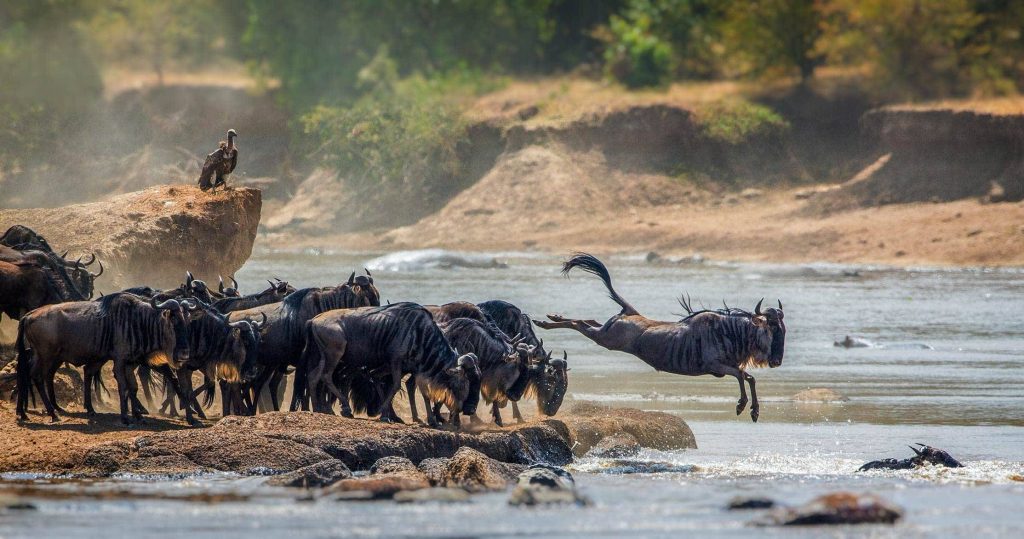
East Africa encompasses some of the world’s most iconic wildlife destinations. Uganda, Rwanda, Kenya, and Tanzania form the heart of the safari region, each offering distinct landscapes, wildlife, and travel experiences. Whether you’re seeking mountain gorillas in misty rainforests, the spectacular wildebeest migration across the Serengeti, or the intimate Big Five encounters of the Masai Mara, East Africa delivers an unparalleled variety of wildlife experiences within a relatively compact geographic region.
The region’s safari infrastructure is mature and well-developed, with a wide range of accommodation from budget campsites to ultra-luxury tented lodges. International air connections serve multiple gateway airports including Nairobi’s JKIA, Entebbe (Uganda), Kigali (Rwanda), Kilimanjaro International (Tanzania), and Julius Nyerere International (Dar es Salaam), giving visitors flexibility in designing multi-country itineraries.
East Africa Safari Planning Tips
- Best time to visit: The dry seasons — June to October and December to February — offer the best wildlife viewing across most of East Africa. The Masai Mara migration peaks in July–October. Gorilla trekking is year-round but June–September is most popular.
- Book early: Gorilla permits (Uganda and Rwanda), popular migration camps in the Serengeti and Masai Mara, and Kilimanjaro climb slots all have limited capacity. Book 6–12 months ahead for peak season.
- Combine countries: East Africa’s geography makes multi-country itineraries practical and rewarding. A classic 10-day circuit might combine Uganda gorillas + Queen Elizabeth wildlife + Rwanda gorillas. A 14-day trip adds the Serengeti and Masai Mara.
- Health preparation: Yellow fever vaccination is required for Uganda and Rwanda and recommended elsewhere in the region. Malaria prophylaxis is essential below 2,500m. Comprehensive travel insurance including medical evacuation coverage is non-negotiable.
- Currency: The US dollar is the de facto currency in most safari operations. Carry clean, undamaged USD bills printed after 2009 — older notes are routinely refused. Each country has its own local currency for smaller purchases.
Recommended Tours: 4 Days Bwindi Gorilla Trekking Safari | 8 Days Kenya Wildlife Safari