When Is the Best Time to Climb Kilimanjaro?
There are few experiences in the world as soul-stirring as standing atop Mount Kilimanjaro, watching the sun rise above the vast African plains. The journey to Uhuru Peak is more than just a trek-it’s a personal triumph, a test of willpower, and a breathtaking encounter with nature at its purest. But to give yourself the best chance of success, choosing the right time to climb is just as important as the gear you pack or the route you choose.
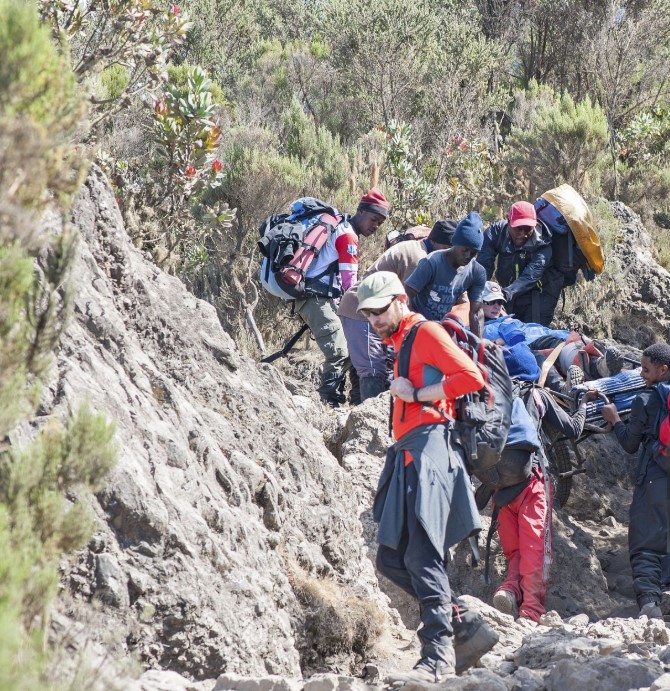
Mount Kilimanjaro, the highest freestanding mountain in the world, can be climbed year-round. However, weather conditions, trail traffic, and your personal comfort levels vary throughout the year. Let’s take a closer look at the best times to climb, and how the seasons can influence your experience on Africa’s iconic peak.
Understanding Kilimanjaro’s Weather Patterns
Mount Kilimanjaro is located near the equator, which means it doesn’t experience the typical four seasons you might be used to. Instead, the weather is shaped by two major rainy seasons and two dry seasons.
The long rainy season runs from March to May, and the short rainy season typically falls in November. The rest of the year is generally dry, making January to mid-March and June to October the most popular climbing periods.
Rain on Kilimanjaro not only makes the trails slippery and the climb more difficult, but it can also obscure the spectacular views and make your tent nights damp and uncomfortable. For the best experience, most climbers plan their trek during the dry months.
Best Months to Climb Kilimanjaro
January to March: Clear Skies and Fewer Crowds
This period is considered one of the best windows to climb. The weather is relatively dry, and the skies are often crystal clear, especially in the mornings. While afternoon clouds can roll in, the chance of rainfall is minimal compared to the wet season. Temperatures at higher altitudes can be colder than later in the year, with snow sometimes present at the summit.
One of the biggest advantages of climbing during these months is the fewer crowds. If you’re looking for a more solitary, serene experience on the mountain, this is an excellent time to go.
June to October: Peak Season with Ideal Weather
These months fall during Tanzania’s main dry season and are widely regarded as the most popular time to climb Kilimanjaro. The weather is stable, the chances of rainfall are low, and visibility is superb. You’ll enjoy sweeping views of the plains below and starry skies above.
Because these months coincide with summer holidays in Europe and North America, expect more climbers on the mountain. The trails, especially on the more popular routes like Machame and Marangu, can be busy. That said, the energy of fellow trekkers, all striving for the same summit dream, often adds to the adventure.
July and August are the driest months, but they can also be the coldest, particularly at higher elevations. September often provides a sweet spot-good weather, fewer crowds, and moderate temperatures.
March to May: Wet, Muddy, and Challenging
The long rains make this the least recommended time to climb Kilimanjaro. The trails can become muddy and slippery, making the hike more strenuous and less enjoyable. Heavy cloud cover can limit your views, and persistent rain can dampen your gear and spirit.
However, this season isn’t entirely off-limits. Some experienced trekkers who have climbed before, or who want complete solitude, might choose this time. If you do, opt for the Rongai Route, which lies on the northern side of the mountain and tends to receive less rainfall.
November: Short Rains and a Window of Opportunity
November typically brings lighter rainfall than the long rains in spring, but conditions can still be unpredictable. While this month isn’t the most popular time to climb, it can offer a quieter trail experience. Just like in the wet season, the Rongai Route is the best choice if you decide to take on the challenge.
Considerations Beyond the Weather
While weather is the main factor in choosing when to climb, there are other personal and logistical considerations that can influence your timing.
Your Fitness and Preparation
Give yourself ample time to train, especially if you’re not used to high altitudes or multi-day hikes. Choosing a date six to nine months ahead allows you to build endurance and strength gradually. The better prepared you are, the more flexible your options become.
Wildlife and Safari Extensions
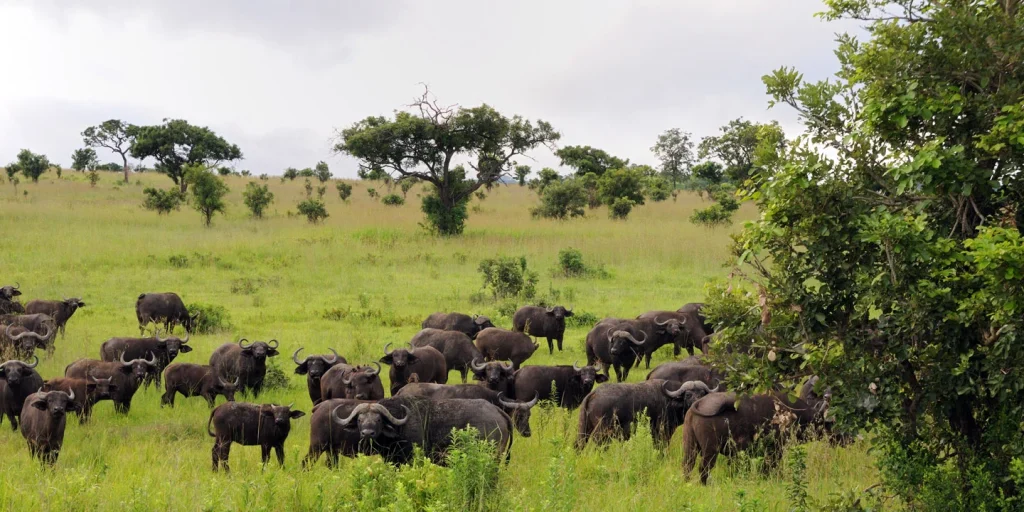
Many climbers pair their Kilimanjaro climb with a Tanzanian safari. If this is your plan, consider the timing of the Great Migration in the Serengeti, which peaks from June to August and December to March, depending on the animals’ movement.
Cultural Events and Holidays
You may also want to align your trek with local cultural events or avoid peak travel times like Christmas and New Year, when flights and accommodations can be more expensive.
Best Time by Route
Each route on Kilimanjaro has its own microclimate. Some are better suited for wet conditions, while others offer more scenic rewards during dry seasons.
-
Rongai Route: Best during wet seasons due to its drier climate.
-
Lemosho and Machame Routes: Best from June to October and January to March.
-
Marangu Route: Can be hiked year-round but is busiest in dry seasons.
Our Recommendation: The Ideal Climbing Window
If we had to choose the perfect time for most climbers, we’d recommend either late January to early March or September. These months strike the best balance between favorable weather, manageable crowds, and good visibility. September, in particular, often delivers some of the clearest summit views with comfortable trekking conditions.
Final Thoughts
Climbing Kilimanjaro is more than just reaching 5,895 meters above sea level. It’s about challenging your limits, connecting with nature, and returning home transformed. Choosing the best time to climb can dramatically shape your experience. Whether you’re drawn by the crisp alpine air of January or the golden African sunsets of September, there is no wrong time only the time that feels right for you.
Mount Kilimanjaro doesn’t just test your strength; it rewards your soul. And no matter when you go, the mountain will be waiting, timeless and powerful, ready to share its majesty with those bold enough to take the first step.
How to Prepare for Climbing Kilimanjaro
Preparing well is the single most important factor in successfully summiting Mount Kilimanjaro. Unlike technical mountaineering peaks, Kilimanjaro requires no ropes or climbing equipment – but it does demand cardiovascular fitness, mental resilience, and proper acclimatization. Start your preparation at least three months before your climb.
Begin with regular cardiovascular training including hiking, running, cycling, and stair climbing. Aim to hike with a loaded backpack on uneven terrain at least once a week. Strength training focusing on legs and core will help significantly on the steep sections, particularly the Barafu or Stella Point approaches to the summit.
Sleep at altitude before your climb if possible. Even a weekend at a mountain lodge at 3,000m will help your body begin to adapt. On the mountain, the golden rule is “pole pole” – slowly, slowly. Rushing is the most common cause of altitude sickness and failed summits.
Kilimanjaro Routes Compared
There are seven official routes up Kilimanjaro, each with different scenery, difficulty levels, and summit success rates. The most popular routes are:
- Machame Route (6-7 days): Known as the “Whiskey Route” for its challenging terrain, Machame is the most scenic and has a good acclimatization profile. Success rate: ~85% on 7-day itinerary.
- Lemosho Route (7-8 days): Starting from the west, Lemosho offers the most diverse scenery and the best acclimatization profile. Fewer crowds. Success rate: ~90%.
- Marangu Route (5-6 days): The only route with hut accommodation. Called the “Coca-Cola Route,” it is the shortest but has the lowest success rate (~65%) due to insufficient acclimatization time.
- Rongai Route (6-7 days): The only route approaching from the north, near the Kenyan border. Drier and less crowded, with good wildlife sightings in the lower zone.
- Northern Circuit (9 days): The longest route with the highest success rate (~95%). Circles the entire northern hemisphere of the mountain before the summit push.
Recommended Tours: 6 Days Kilimanjaro Hiking Safari | 6 Days Tanzania Wildlife Safari