Can You Travel Without Restriction During the Ongoing War?
When global tensions rise and headlines are dominated by conflict between powerful nations such as the United States, Iran, and Israel, many travelers begin to question their freedom of movement. The word “war” carries weight. It suggests borders closing, flights grounding, and uncertainty spreading across continents.
But the reality of international travel during a regional conflict is often far more measured than the headlines suggest. If you are considering traveling — especially to Africa for a safari or tour — the important question becomes: Are there actual restrictions preventing you from going?
In most cases, the answer is no. There is no broad global travel ban preventing tourists from traveling internationally because of the ongoing war. However, there are nuances worth understanding.
The Difference Between Restriction and Disruption
The first thing to clarify is the difference between a travel restriction and a travel disruption.
A restriction means you are legally prevented from entering or leaving a country due to government policy. This usually happens when borders are closed, visas are suspended, or sanctions directly target civilian travel.
A disruption, on the other hand, affects logistics. Flights may reroute. Airspace may temporarily close in certain regions. Ticket prices may rise. Security checks may increase.
Currently, the conflict between the USA, Iran, and Israel has caused logistical adjustments in global aviation, particularly around Middle Eastern airspace. However, it has not triggered widespread global tourism bans or continent-wide travel prohibitions.
For most destinations outside the immediate conflict zone, travel continues as normal.
What This Means for Travel to Africa
Africa is geographically separate from the Middle East conflict zone. East African safari destinations such as Uganda, Kenya, Tanzania, and Rwanda remain far removed from active hostilities. Southern African countries like Botswana, Namibia, and South Africa are even farther away.
Borders in these countries remain open. National parks operate normally. Tourist visas are still issued. International flights continue to land in major African hubs.
There is no general restriction preventing tourists from entering African countries because of the war.
If you hold a valid passport, obtain the required visa or travel authorization, and meet health entry requirements, you are permitted to travel.
Flight Routes May Change, But Travel Continues
One area where you might notice an impact is in flight routing. Airlines avoid flying through active conflict airspace. If certain corridors become restricted, carriers reroute aircraft around them.
This may result in longer travel times or connections through different cities. It may also affect airfare pricing due to increased fuel consumption and limited routing options.
But rerouting does not equal prohibition. Aviation authorities are highly experienced at maintaining global travel flow even during geopolitical tension.
The aircraft still flies. The destination remains accessible.
Nationality and Travel Freedom
Another common concern is whether nationality plays a role in restriction during wartime. In most African tourism destinations, entry rules are based on standard immigration policy rather than external geopolitical conflicts.
Americans, Iranians, Israelis, and travelers from many other countries continue to visit African destinations under regular visa procedures. There are no sweeping, continent-wide bans targeting these nationalities due to the ongoing war.
As always, travelers must comply with individual country requirements, including passport validity, visa approval, and vaccination documentation.
These are routine travel conditions, not war-specific barriers.
Security Within Tourist Destinations
Travel safety during wartime often raises emotional concerns. It is important to separate local safety from distant conflict.
The African safari experience takes place in protected wildlife reserves, remote national parks, and established tourism corridors. These areas are not connected to the Middle East conflict zone.
On-the-ground security in established tourist areas continues under normal protocols. Safari operators maintain communication systems, licensed guides accompany guests, and national parks are patrolled by trained rangers.
Your personal safety while touring Africa is far more influenced by standard travel precautions than by distant geopolitical events.

When Restrictions Could Occur
While there is currently no broad restriction on travel due to the war, it is important to acknowledge that international situations can evolve.
Restrictions would only arise if:
A country directly involved in the conflict closes its borders.
Your home country issues a specific travel ban to a region.
Airspace closures significantly disrupt flight networks.
Even in those scenarios, impacts are usually localized rather than global.
For African safari destinations, the likelihood of direct war-related restriction remains low.
The Role of Travel Advisories
Governments issue travel advisories based on risk assessments. During global tension, advisory levels may change for certain regions, especially those geographically close to the conflict.
However, most African safari destinations are not subject to war-related advisories tied to the Middle East conflict.
It is wise to monitor official government travel advice from your home country before departure. Being informed is part of responsible travel planning.
Practical Considerations for Travelers
Although you can travel, thoughtful preparation is essential. Flexibility is valuable during periods of global uncertainty.
Booking refundable tickets or flexible safari packages can provide reassurance. Comprehensive travel insurance offers protection against flight disruptions or unexpected itinerary changes.
Allowing extra transit time reduces stress if flights are rerouted. Staying updated on airline notifications ensures you are aware of any schedule adjustments.
These steps are precautionary, not reactions to direct danger.
Perspective in a Globalized World
In today’s interconnected world, a regional war can influence global markets and transportation systems. It can raise fuel prices, shift airline routes, and dominate media cycles.
But it does not automatically suspend global movement.
Africa remains open. Its borders are functioning. Its wildlife areas are operating. Its tourism industry continues welcoming international visitors.
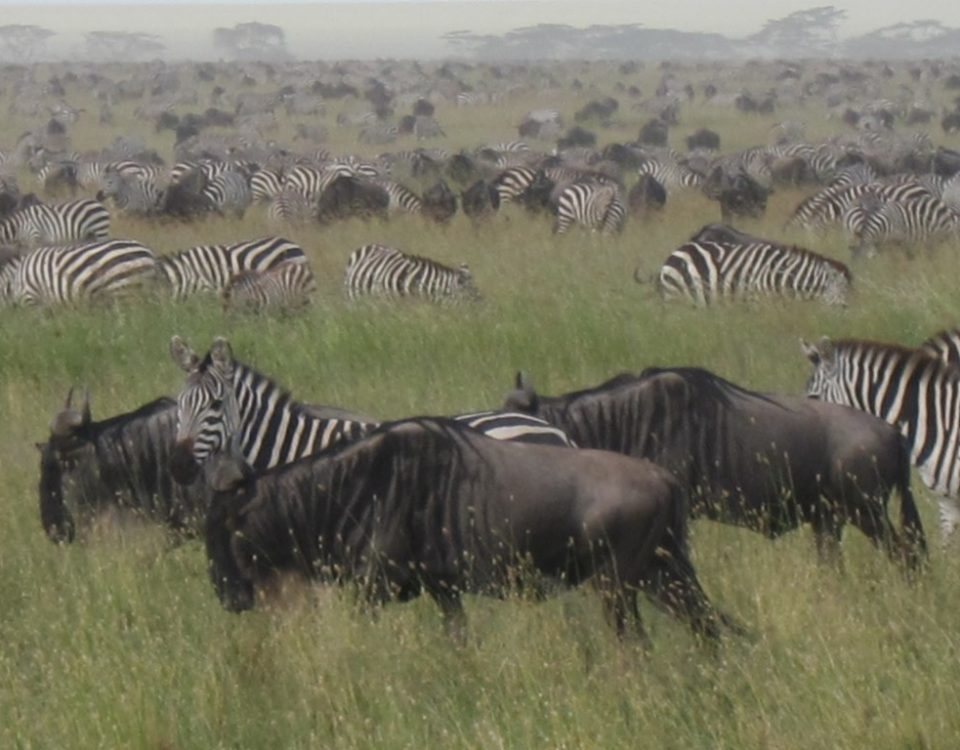
The plains of the Serengeti, the forests of Bwindi, the beaches of Zanzibar, and the waterfalls of Victoria Falls are not battlegrounds in this conflict.
They are distant landscapes, operating under their own national governance and security structures.
Final Reflection
So, can you travel without restriction during the ongoing war?
Yes — in most cases, you can. There is no blanket international travel ban preventing you from visiting Africa or other distant regions because of the USA–Iran–Israel conflict.
You may encounter logistical changes, increased costs, or route adjustments. But legal access to travel remains intact.
The world may feel uncertain at times, but international tourism continues to function. With informed planning, proper documentation, and flexible arrangements, travel remains not only possible but meaningful.
And often, in times of global tension, stepping into the quiet vastness of nature — far from political noise — can offer perspective that headlines cannot.