Why Uganda Is the Ultimate Safari Destination in Africa
When people dream of an African safari, their minds often wander to the vast golden plains of Kenya or the sweeping savannahs of Tanzania. Yet tucked in the heart of East Africa lies a destination that quietly surpasses them all in sheer diversity, authenticity, and raw natural wonder. Uganda, often called the Pearl of Africa, is a country that rewards every traveler who chooses to venture beyond the well-trodden paths. From the mist-shrouded forests of Bwindi to the open savannah of Queen Elizabeth National Park, Uganda offers a safari experience that is unlike anything else on the continent.
Uganda sits right on the equator, giving it a remarkably stable and lush climate year-round. Unlike drier safari destinations, Uganda’s landscapes are a rich tapestry of deep green forests, crater lakes, papyrus-lined rivers, and sweeping grasslands. This variety of ecosystems supports an extraordinary range of wildlife, making Uganda one of the most biodiverse countries in Africa relative to its size. With over 1,000 bird species, more than half of the world’s remaining mountain gorillas, and a stunning collection of large mammals, Uganda is a destination that will leave even the most seasoned traveler breathless.
The Magic of Gorilla Trekking in Uganda
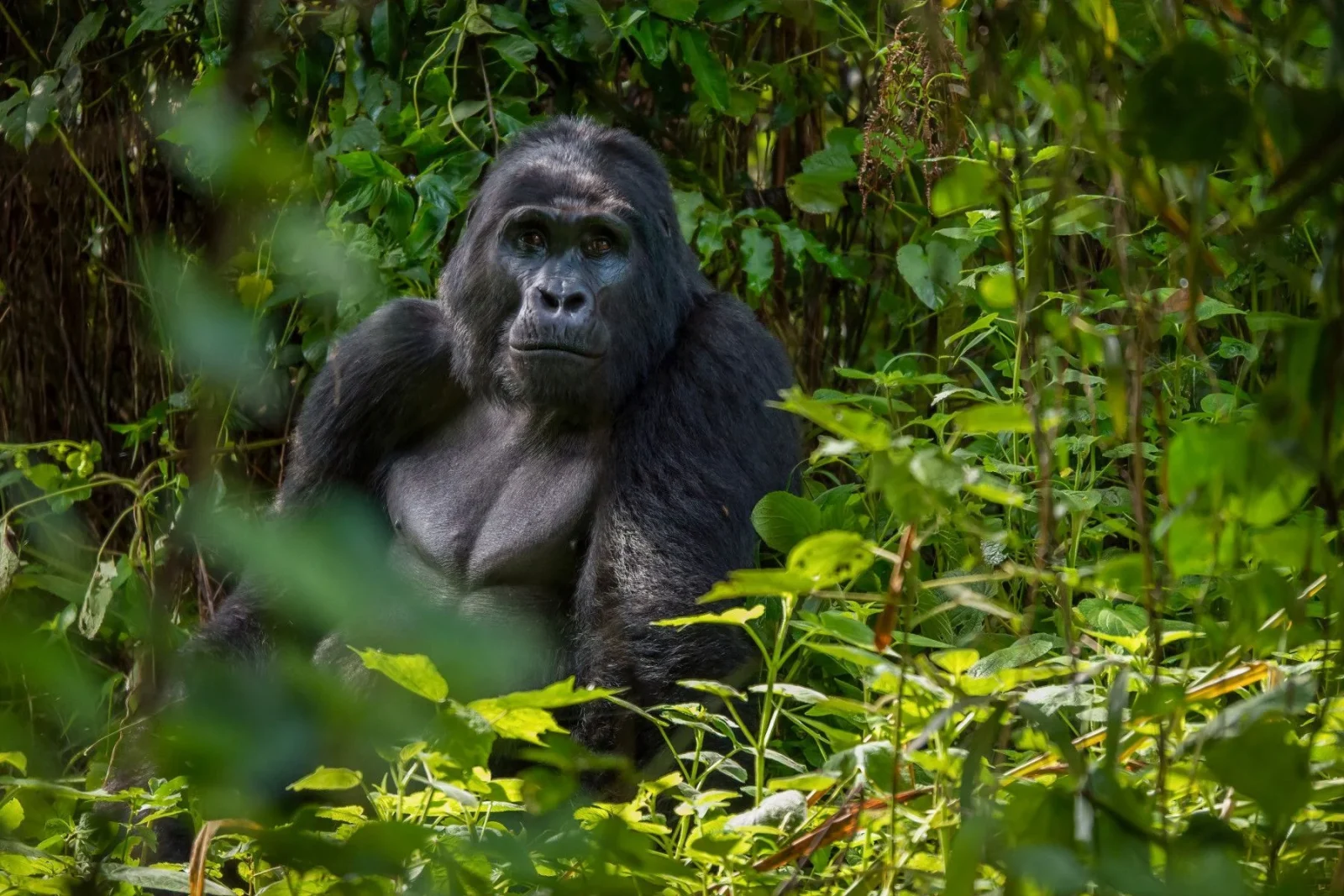
No Uganda safari is complete without the experience of trekking through the ancient rainforest to sit in the presence of mountain gorillas. Bwindi Impenetrable National Park in southwestern Uganda is home to roughly half of the world’s entire mountain gorilla population, making it the single most important site for gorilla conservation on the planet. The experience of trekking through the dense undergrowth, guided by expert trackers who have spent their lives in these forests, and then suddenly coming face to face with a family of gorillas going about their daily lives is something that defies description.
What the Gorilla Trek Is Really Like
The trek itself can range from a gentle one-hour walk to a challenging full-day hike through steep terrain, depending on where the gorilla family has chosen to spend the night. Your guide and trackers will have been out since early morning locating the group, so by the time you set off, you already have a general direction to follow. Once you reach the gorillas, you are given exactly one hour with them, a golden hour that many travelers describe as the most profound experience of their lives. You will watch silverbacks beat their chests, young juveniles swing through the trees, and mothers nurse their infants with a tenderness that is unmistakably familiar. The connection you feel in those moments is one that stays with you forever.
Mgahinga Gorilla National Park
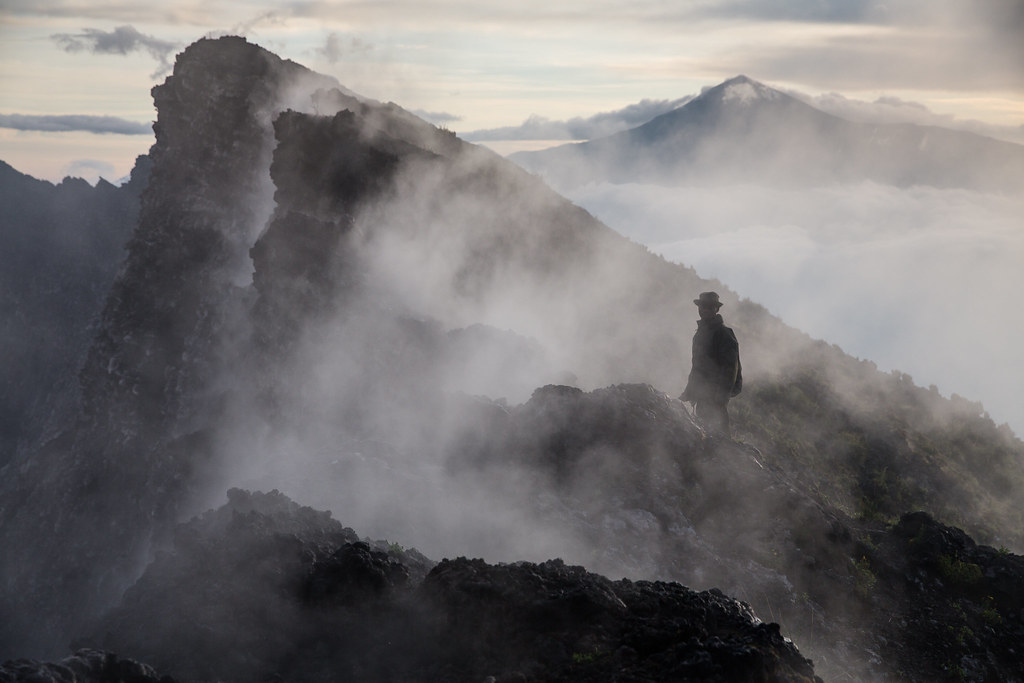
Uganda’s second gorilla trekking destination is Mgahinga Gorilla National Park, nestled at the foot of the Virunga volcanoes in the far southwest. While smaller than Bwindi, Mgahinga has its own unique charm. The dramatic backdrop of three extinct volcanoes, Mount Muhabura, Mount Gahinga, and Mount Sabyinyo, makes this one of the most visually stunning places in all of East Africa. The Nyakagezi gorilla family, habituated here for decades, regularly crosses the border between Uganda, Rwanda, and Congo, adding a slight element of adventure to the trekking experience.
Queen Elizabeth National Park: Uganda’s Jewel of the Savannah
Queen Elizabeth National Park is Uganda’s most visited national park and for very good reason. Stretching across the western Rift Valley in a landscape of open savannah, crater lakes, and dense forest, the park offers classic safari game viewing alongside unique experiences that you simply cannot find anywhere else in East Africa. The iconic Kazinga Channel, a natural waterway connecting Lake Edward and Lake George, supports one of the highest concentrations of hippos in Africa, alongside enormous Nile crocodiles and hundreds of bird species that crowd the banks.
The Tree-Climbing Lions of Ishasha
The southern sector of Queen Elizabeth National Park, known as Ishasha, is famous throughout the safari world for its tree-climbing lions. While lions across Africa typically rest on the ground, the lions of Ishasha have developed the curious habit of climbing into the branches of large fig trees, where they drape themselves lazily among the limbs and watch the world below. Seeing these magnificent cats resting in the trees against a backdrop of the Rwenzori Mountains is one of those images that stays with you long after you return home.
Chimpanzee Tracking in Kyambura Gorge
Within Queen Elizabeth National Park lies the dramatic Kyambura Gorge, a sunken rainforest carved deep into the earth where a community of habituated chimpanzees has made its home. Descending into this lush gorge feels like entering another world entirely, and the chimpanzee tracking experience here is intimate and unforgettable. The chimps of Kyambura are well accustomed to human presence and will often approach remarkably close, giving you views that rival anything you might experience in more famous chimp trekking destinations.
Bwindi Impenetrable Forest: A World Heritage Site Like No Other
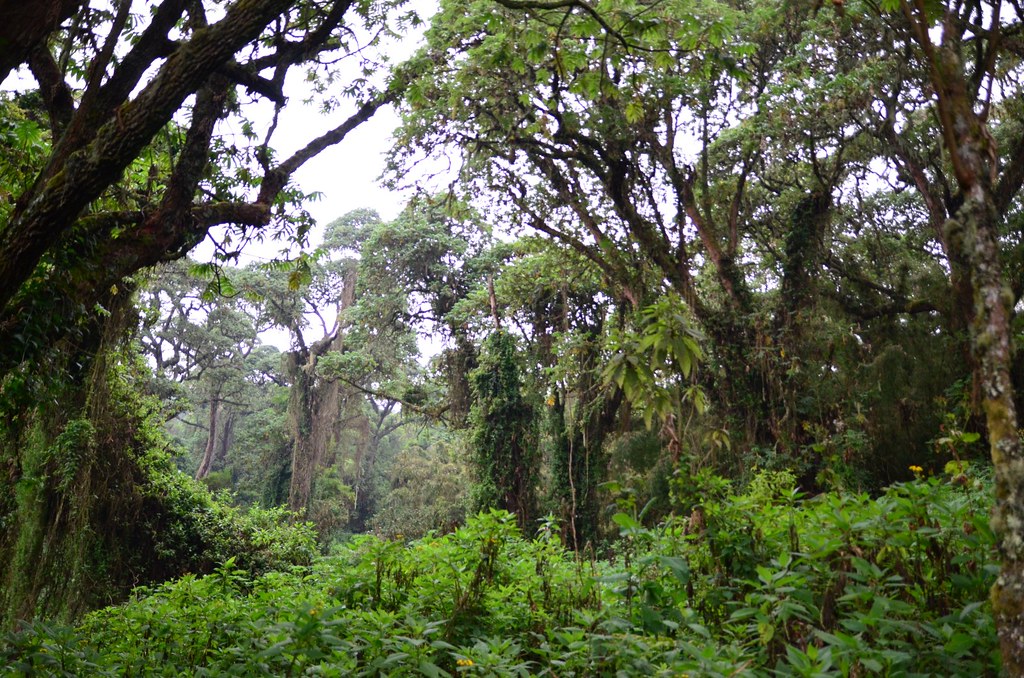
Bwindi Impenetrable National Park is a UNESCO World Heritage Site, and every single step through its ancient forest makes it immediately clear why it received that designation. The forest is over 25,000 years old, predating the last Ice Age, and it has never been cleared or significantly disturbed by human activity. As a result, it supports a staggering variety of life, with over 120 mammal species, 350 bird species, and more than 1,000 plant species living within its boundaries. The forest is genuinely impenetrable in places, with thick tangles of vines, roots, and undergrowth that make the gorillas’ comfort in this environment all the more impressive.
The Batwa Cultural Experience
No visit to Bwindi is complete without spending time with the Batwa people, the indigenous forest dwellers who lived within Bwindi for thousands of years before the park was gazetted for conservation purposes. The Batwa Trail is a moving cultural experience led by Batwa guides who share their deep ancestral knowledge of forest plants, traditional hunting techniques, and the spiritual relationship their people had with the forest. It adds a profound human dimension to the gorilla trekking experience and provides direct economic benefit to the Batwa community.
Kibale National Park: The Primate Capital of the World
If the diversity of primates fascinates you, then Kibale National Park in western Uganda will feel like paradise. Home to thirteen species of primates, including the largest population of chimpanzees in Uganda, Kibale is widely regarded as the best place in the world for chimpanzee trekking. The habituated chimpanzee communities here are highly active and vocal, filling the forest with the sound of their hoots and calls as they move through the canopy with extraordinary speed and agility.
The Bigodi Wetland Sanctuary
Adjacent to Kibale is the Bigodi Wetland Sanctuary, a community-managed conservation area that has become one of Uganda’s most rewarding birding destinations. The sanctuary is run entirely by the local community and provides guided walks through the papyrus swamp and riverine forest where you can encounter red-tailed monkeys, black and white colobus, and an extraordinary array of birds including the great blue turaco and the papyrus gonolek. It is a perfect complement to a chimpanzee trek in Kibale and one of the finest examples of community-based conservation in East Africa.
Murchison Falls National Park: Power, Wilderness, and the Nile
In the north of Uganda, where the White Nile forces itself through a gap just seven meters wide in a wall of ancient rock, you will find one of the most dramatic natural spectacles in Africa. Murchison Falls National Park, Uganda’s largest national park, surrounds this natural wonder with sweeping savannah that supports large populations of elephants, giraffes, buffalo, hippos, lions, leopards, and the rare Rothschild’s giraffe. The sheer force of water being compressed through that narrow gorge creates a thunderous roar that can be heard from miles away, and the spray that rises from the base of the falls creates its own microclimate of lush vegetation.
The Launch Trip to the Base of the Falls
One of the highlights of any Murchison Falls safari is the boat launch trip that travels from Paraa up the Nile to the base of the falls. The banks of the river are lined with hippos, crocodiles, and an astonishing variety of birds, and as you approach the falls, the sound and the sight of all that water crashing down is genuinely awe-inspiring. The launch trip is one of Uganda’s classic safari experiences, and it gets better every time you make it.
The Shoebill Stork of Murchison
For birdwatchers, the Murchison Falls area offers the chance to see the shoebill stork, one of Africa’s most prehistoric-looking and sought-after birds. This enormous, slate-grey bird with its distinctive shoe-shaped bill stands motionless in the papyrus swamps for hours at a time, waiting with extraordinary patience for a lungfish to surface. Seeing a shoebill in the wild is considered a major achievement in the birding world, and Uganda’s swamps give you some of the best chances anywhere in Africa.
When to Visit Uganda on Safari
Uganda can be visited year-round thanks to its equatorial location and high rainfall, which keeps the country green and productive in all seasons. The dry seasons, running from December to February and from June to September, are generally considered the best time for game viewing and gorilla trekking because the trails are drier and the vegetation thins out slightly, making wildlife easier to spot. However, the wet seasons bring their own rewards, including spectacular birdlife, lush landscapes, and dramatically reduced visitor numbers, meaning you may well have the gorillas almost entirely to yourself.
Practical Tips for Planning Your Uganda Safari
Gorilla trekking permits are the single most important booking you will make for a Uganda safari, and they must be secured well in advance, ideally six months to a year ahead of travel for peak season dates. Permits for gorilla trekking in Uganda cost USD 800 per person per trek, which includes your guide, trackers, and the one-hour encounter with the gorilla family. This fee directly funds park management and local community projects, making it one of the most meaningful wildlife tourism fees in the world. Beyond permits, your Uganda safari budget should account for accommodation, park entry fees, internal flights where applicable, and meals.
The road network in Uganda has improved significantly in recent years, but many parks still require journeys on unpaved roads that are best handled by experienced drivers in well-equipped 4×4 vehicles. Working with a reputable Uganda safari operator who knows the country deeply is the best way to ensure that your trip runs smoothly and that you experience the very best that this extraordinary country has to offer.
Recommended Trips to Uganda
3-Day Uganda Gorilla Safari
This short but intensely rewarding safari is designed for travelers who have limited time but do not want to miss the once-in-a-lifetime experience of gorilla trekking in Bwindi. The itinerary typically begins with a flight or drive from Kampala to Bwindi, followed by a full trekking day in the forest and a final morning dedicated to the Batwa cultural experience before returning to Kampala. It is compact, focused, and utterly unforgettable.
7-Day Uganda Wildlife and Gorilla Safari
A seven-day safari allows you to combine gorilla trekking in Bwindi with game drives and boat trips in Queen Elizabeth National Park. This is Uganda’s most popular safari itinerary and for excellent reason. It delivers the twin highlights of primate trekking and classic savannah game viewing in a single well-paced journey. You will see tree-climbing lions in Ishasha, search for hippos and crocodiles on the Kazinga Channel, and spend your golden hour in the company of mountain gorillas in the forest.
10-Day Uganda Primate and Wildlife Safari
For those who want to go deeper into Uganda’s incredible natural world, a ten-day safari adds chimpanzee trekking in Kibale National Park and a visit to Murchison Falls to the core gorilla and Queen Elizabeth experience. This itinerary takes you across the breadth of Uganda, from the forests of the west to the savannah of the north, and delivers an extraordinarily comprehensive portrait of the country’s wildlife and landscapes. By the time you leave, you will understand exactly why Winston Churchill called Uganda the Pearl of Africa.
14-Day Ultimate Uganda Safari
The ultimate Uganda safari is a two-week journey that leaves no stone unturned. In addition to gorilla trekking, chimpanzee trekking, and game drives in Uganda’s major parks, this itinerary includes golden monkey tracking in Mgahinga, a Nile cruise to the base of Murchison Falls, birding in Bigodi Wetland Sanctuary, and cultural experiences with the Batwa and other local communities. It is a trip that will reshape how you see Africa and leave you with memories that last a lifetime. Whether you are a first-time safari traveler or a seasoned explorer, Uganda has the power to move you in ways that no other destination can match, and once you have experienced the Pearl of Africa, no other safari will ever quite compare.
Recommended Tours: 4 Days Bwindi Gorilla Trekking Safari | 3 Days Bwindi Gorilla Trekking