Safari Allergies and Medication: Packing a Personal Health Kit
Preparing for an African safari involves more than choosing comfortable clothing and packing photography equipment. Your health deserves equal attention, especially when travelling to remote national parks where medical facilities may be several hours away.
Understanding safari allergies and medication helps you prepare for insect bites, dust exposure, food allergies, minor injuries and existing medical conditions.
Uganda, Kenya, Tanzania and Rwanda offer excellent wildlife experiences, but their environments can expose travellers to unfamiliar plants, insects, changing temperatures and different foods.
Some visitors experience mild allergic reactions, while others require regular prescription medication or emergency allergy treatment.
A properly organised personal health kit helps you manage minor problems and keep essential medicines accessible.
Why You Need a Personal Safari Health Kit
Safari activities often take place far from major hospitals and pharmacies.
For example, travellers visiting Bwindi Impenetrable National Park, Kidepo Valley National Park or remote areas of the Serengeti may have limited access to medical supplies.
A personal health kit allows you to carry familiar medicines and basic first-aid equipment.
It can help with minor headaches, small cuts, uncomplicated insect bites and previously diagnosed allergies.
However, your kit should never replace professional medical treatment for serious illness.
Prepare according to your medical history, destinations, planned activities and length of stay.
Common Allergies During African Safaris
Different environments can trigger allergic symptoms.
Dust Allergies
Dry-season game drives may expose passengers to airborne dust.
People with allergic rhinitis or asthma may experience sneezing, nasal congestion, coughing or irritated eyes.
Keep vehicle windows closed when passing through heavy dust where practical.
A suitable face mask may reduce dust exposure.
Insect Bite Reactions
Mosquitoes, bees, wasps and other insects occur in East African environments.
Most insect bites cause temporary itching or swelling.
However, people with insect venom allergies may develop severe reactions requiring emergency treatment.
Food Allergies
Safari lodges serve different meals, including foods containing nuts, dairy products, eggs, wheat or seafood.
Travellers with food allergies should inform accommodation providers before arrival.
Always confirm ingredients rather than assuming a meal is safe.
Plant and Skin Allergies
Some travellers experience skin irritation after touching unfamiliar vegetation or using new skincare products.
Wear protective clothing during walking activities and avoid touching unknown plants.
What Medication Should You Pack?
Your personal medication requirements depend on your health.
The following table provides a practical starting point.
| Health Kit Item | Purpose |
|---|---|
| Regular prescription medicines | Managing existing medical conditions |
| Antihistamine | Relieving suitable mild allergy symptoms |
| Prescribed adrenaline auto-injectors | Emergency treatment for anaphylaxis |
| Asthma inhaler | Managing prescribed respiratory treatment |
| Paracetamol | Suitable pain or fever relief |
| Oral rehydration salts | Replacing fluids after diarrhoea or vomiting |
| Antiseptic wipes | Cleaning minor wounds |
| Sterile dressings | Protecting small injuries |
| Insect repellent | Reducing insect bites |
| Sunscreen | Protecting skin against sunlight |
| Digital thermometer | Checking body temperature |
| Medical information card | Providing essential details during emergencies |
Choose medicines with guidance from your pharmacist or doctor.
You do not need every item if it is unsuitable for your circumstances.
1. Pack Your Regular Prescription Medication
If you take medication for diabetes, high blood pressure, asthma, epilepsy or another condition, carry enough for the entire safari.
Include a reasonable additional supply for unexpected travel delays, subject to destination regulations.
Keep medicines inside their original labelled packaging.
Carry copies of prescriptions showing the generic medicine names.
Some countries restrict controlled medicines, so check relevant import regulations before departure.
Never stop or change prescribed treatment simply because you are travelling.
2. Carry Appropriate Allergy Medication
Antihistamines can relieve certain mild allergic symptoms, including sneezing, itching and some skin reactions.
Common examples include cetirizine and loratadine.
However, suitability depends on your age, medical conditions and other medicines.
Some antihistamines cause drowsiness, which may affect your comfort and concentration during activities.
Ask your pharmacist which treatment is appropriate.
Importantly, antihistamines are not a substitute for adrenaline during anaphylaxis.
3. Prepare for Severe Allergic Reactions
Anaphylaxis is a potentially life-threatening allergic reaction requiring immediate treatment.
Symptoms may include breathing difficulty, throat or tongue swelling, faintness or collapse.
If you have been prescribed adrenaline auto-injectors, carry two accessible devices and know how to use them.
Share your emergency action plan with a trusted travelling companion.
If anaphylaxis occurs, administer prescribed adrenaline immediately according to your action plan and arrange emergency medical assistance.
Do not delay adrenaline while waiting for antihistamines to work.
Anyone experiencing anaphylaxis needs urgent medical assessment, even when symptoms improve.
4. Prepare for Mosquitoes and Other Insects
Mosquito bites can cause itching and may transmit diseases such as malaria.
Pack an effective insect repellent suitable for your age and health.
Products containing DEET or picaridin are common options.
Follow product instructions carefully.
Wear long sleeves and trousers when appropriate, particularly during mosquito-active periods.
Use properly maintained mosquito nets where necessary.
Discuss malaria prevention medication with a travel health professional before departure.
Malaria prevention tablets do not prevent ordinary allergic reactions to insect bites.
5. Include Basic First-Aid Supplies
Small injuries may occur during walking safaris, gorilla trekking or ordinary travel.
A basic first-aid kit should contain sterile dressings, plasters, antiseptic wipes and suitable blister protection.
Tweezers can be useful for removing small splinters.
Keep equipment clean and stored inside a water-resistant pouch.
For deep wounds, animal bites or injuries showing signs of infection, seek medical treatment.
Do not attempt complicated procedures without appropriate training.
6. Manage Food Allergies at Safari Lodges
Food allergies require advance communication.
Tell your safari operator and lodge management about diagnosed allergies before travelling.
Provide specific information about foods you must avoid.
For example, explaining that you have a serious peanut allergy is more useful than simply requesting special meals.
Ask about shared cooking equipment and possible cross-contact.
Carry safe snacks for long transfers.
If language differences may create confusion, prepare a written allergy information card.
Never depend entirely on verbal assurances when your allergy is severe.
7. Protect Medication From Heat and Moisture
East African safari destinations experience different temperatures and weather conditions.
Some national parks become hot during the day, while mountainous areas can be cool and wet.
Heat and moisture can damage certain medicines.
Keep medication away from direct sunlight and hot vehicle surfaces.
Use appropriate protective storage.
Medicines requiring refrigeration, including some insulin products, need arrangements based on manufacturer instructions and professional advice.
Confirm refrigeration availability with your accommodation before travelling.
8. Keep Essential Medicines Accessible
Avoid placing all essential medication in checked luggage.
Flights may be delayed, or luggage may arrive late.
Keep emergency allergy medication and regular treatment in your hand luggage.
During game drives, store essential medicines where you can reach them quickly.
Do not leave adrenaline auto-injectors locked inside distant luggage compartments.
If travelling with children, ensure a responsible adult knows where their medication is kept.
Safari Health Kit Packing Checklist
Use this checklist before departure.
| Item | Packing Advice |
|---|---|
| Prescription medication | Entire trip plus permitted reserve |
| Allergy medication | As recommended by your pharmacist |
| Emergency allergy treatment | Two prescribed auto-injectors where indicated |
| Insect repellent | Appropriate product and quantity |
| First-aid supplies | Small organised selection |
| Sunscreen | Broad-spectrum SPF 30 or higher |
| Oral rehydration salts | Small emergency supply |
| Medical documents | Prescriptions and emergency plan |
| Travel insurance | Include medical assistance details |
| Emergency contacts | Printed and saved offline |
Review expiry dates before packing.
Health Planning for Children and Older Travellers
Children require age-appropriate medication and accurate dosing.
Never give children adult medication without professional guidance.
Parents should bring suitable measuring devices for liquid medicines.
Older travellers may require several daily prescriptions.
Prepare a clear medicine schedule and discuss possible interactions before departure.
Anyone with significant medical conditions should review their itinerary with a healthcare professional.
When Should You Seek Medical Assistance?
A personal health kit is intended mainly for prevention, routine treatment and minor problems.
Seek urgent assistance for severe allergic reactions, breathing difficulties, chest pain, confusion or collapse.
Persistent vomiting, significant dehydration and worsening infections also require medical assessment.
Fever during or after travel to a malaria-risk area needs prompt evaluation.
Tell your safari guide immediately when you feel seriously unwell.
Remote destinations may require evacuation to a larger medical facility.
Frequently Asked Questions
Can I Carry Allergy Medication Into Uganda?
Generally, travellers can bring appropriate personal medicines, but restrictions vary by substance. Keep original packaging and check import requirements.
Should I Carry Antibiotics on Safari?
Only carry antibiotics when prescribed or specifically recommended by a qualified healthcare professional. They are not appropriate for every illness.
Are Safari Lodges Equipped With First-Aid Kits?
Many established lodges maintain basic supplies, but availability and staff training vary. Carry your own essentials.
Can Dust Trigger Asthma During Game Drives?
Yes. Dust may trigger symptoms in susceptible travellers. Carry prescribed inhalers and follow your asthma management plan.
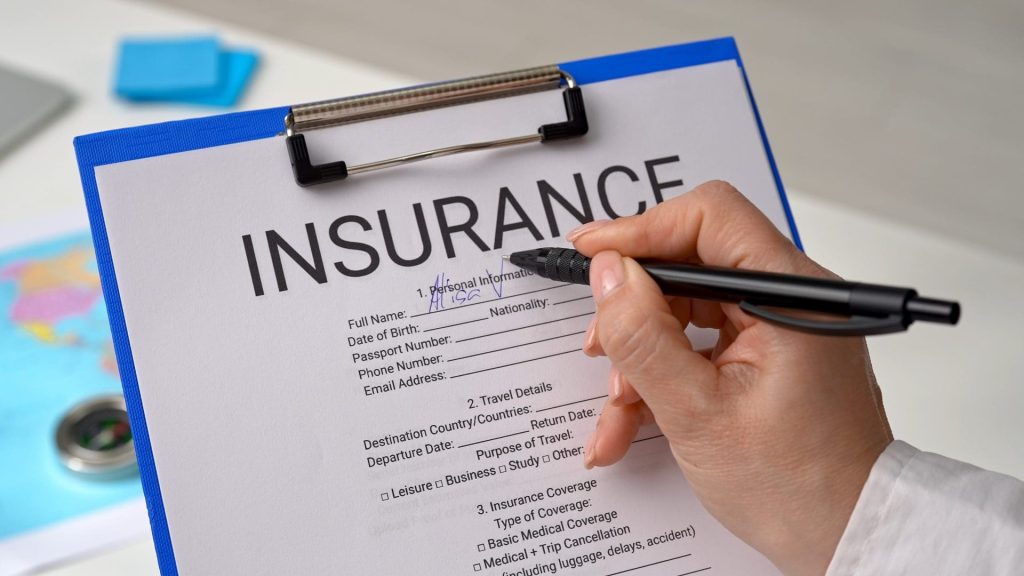
Do I Need Travel Insurance for Allergies?
Medical insurance is strongly recommended. Confirm coverage for existing conditions, allergic emergencies and evacuation.
Preparing for safari allergies and medication helps you travel comfortably and respond appropriately to common health concerns.
Pack regular prescriptions, suitable allergy treatment, basic first-aid supplies and important medical documents.
Discuss existing conditions with a healthcare professional before departure.
Inform your safari operator about serious allergies and confirm emergency arrangements.
A carefully prepared personal health kit allows you to enjoy East Africa’s wildlife destinations while taking sensible precautions to protect your health.