
Murchison Falls National Park Safaris: Known as Uganda’s oldest and largest safari park, Murchison Falls National Park was formerly known as Kabalega National Park. It is situated at the end of the Albertine Rift Valley. The park is accessible by road or air and is located in the Masindi area, 305 kilometers north of Kampala.
at general, more than 451 bird species and 76 mammal species may be found at Murchison Falls National Park, which was officially gazetted as a wildlife reserve in 1926. Bugungu, Karuma wildlife reserves, and Murchison Falls National Park make up the Murchison Conservation Area.
The Victoria Nile splits the park in half, plunging 45 meters over the remaining valley wall to form the striking falls, the park’s unique feature, and the last event in an 80-kilometer stretch of rapids. After the river’s vitality is depleted by the powerful cascade, it becomes a wide, serene stream that flows across the bottom of the rift valley and into Lake Albert. Only Uganda Safaris and Uganda tours are able to witness one of Uganda’s most striking wildlife displays along this section of the river.
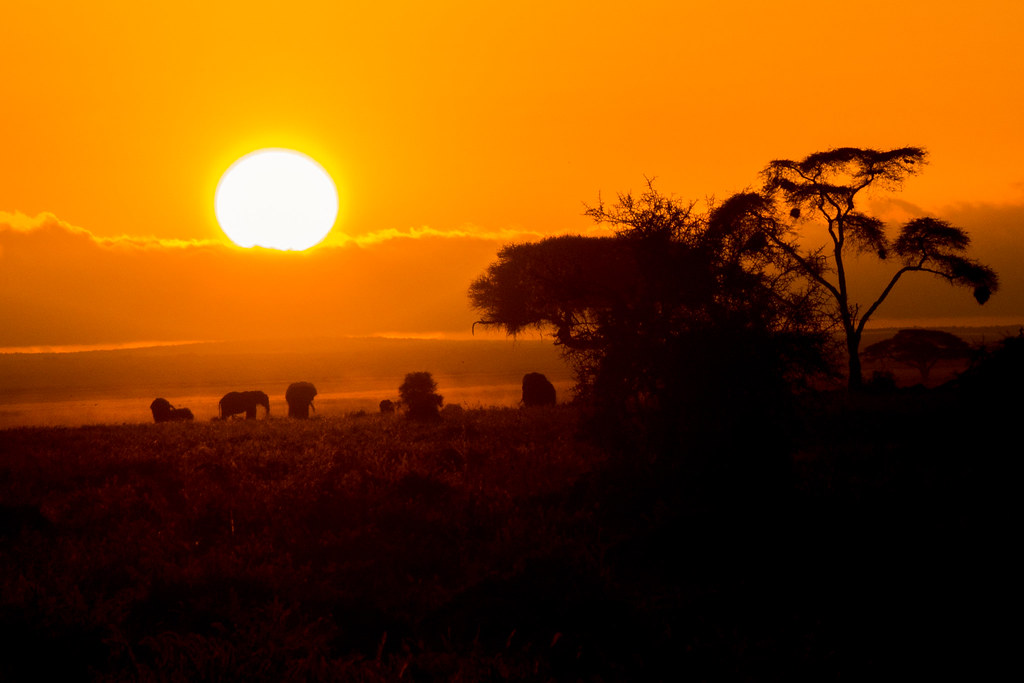
While hippos, Nile crocodiles, and aquatic birds live there permanently, lions, elephants, giraffes, and buffaloes frequently visit the riverbanks. Several British royals, Theodore Roosevelt, Ernest Hemingway, and Winston Churchill are among the notable tourists that have visited Murchison Falls National Park.
Wildlife viewing safaris at Murchison Falls, wildlife viewing, launch trips to the base of the falls and treks to the summit where you can see the Devil’s Cauldron, birdwatching, and nature walks among the most popular activities. There are hot air ballooning activities offered within the park, as well as launch trips that provide a close-up, advantageous view of the Nile’s appealing features.
Woodland, riverine forest, and savannah comprise the park’s stunning vegetation. Kobs, elephants, Rothschild giraffes, hartebeests, oribis, leopards, lions, Uganda kobs, chimpanzees, and numerous bird species are among the creatures on the list.
The optimum times to go on a Uganda safari for all of the aforementioned activities are from June to mid-September and December to mid-March.
Accessing the National Park of Murchison Falls;
The northern part of Uganda is home to Murchison Falls National Park, which is situated northwest of the country’s capital, Kampala. The park is actually encircled by a number of districts, including Masindi, Buyisa, Kiryandongo, and Mwoya. It also extends across the land to create the shoreline of Lake Albert, the Bunyoro escarpment, and the Karuma Falls Wildlife Reserve.
From Kampala, it takes roughly three to four hours to go to Murchison Falls National Park by bus, private vehicle, or safari vehicle. The trip is simple and reasonably priced. Since flying is the quickest way to get to the park, other visitors choose to take the flight from Entebbe Kajjansi airport to Chobe airstrip.
Activities in the National Park of Murchison Falls
Game drives, boat cruises on the Victoria Nile, nature walks, bird watching (the park is home to over 450 different species of birds), hiking to the top of the falls-which provides an exhilarating view of the thunderous world’s powerful water fall-and chimpanzee tracking in the Budongo forest are just a few of the safari activities available at Murchison Falls National Park.
The accommodations provided for elephants in Murchison Falls National Park
When it comes to where to stay if you are going on a longer than one-day safari in Murchison, the park offers first-rate tour accommodations in the form of lodges throughout the entire nation. For your comfortable stay in the middle of the woods, the park offers a variety of several lodging options. There are affordable, mid-range, and luxury lodges here and elsewhere.
Chobe Safari Lodge, Nile Safari Lodge, Paraa Safari Lodge, and Bakers Lodges are examples of opulent lodges.
Mid-range lodges include, among others, Sambya River Lodge, Murchison River Lodge, Pakuba Safari Lodge, and Fort Murchison Safari Lodge.
Low-cost lodging options include Budongo Eco Lodge, Yebo Safari Camp, and Parkside Safari Lodge.
You can combine your safari to Murchison Falls National Park with other Uganda safari destinations, such as Bwindi Impenetrable Forest National Park for gorilla trekking, Kibale Forest National Park for tracking chimpanzees, or Uganda wildlife safaris at Queen Elizabeth National Park, Kidepo Valley National Park, and Lake Mburo National Park, among others.
Uganda Travel Guide – The Pearl of Africa
Uganda is one of Africa’s most rewarding and underrated destinations. Winston Churchill’s description of Uganda as the “Pearl of Africa” – inspired by its extraordinary combination of landscapes, wildlife, and people – remains as apt today as when he coined it in 1908. The country packs an astonishing range of experiences into a relatively compact area: snow-capped mountains, vast savannahs, dense tropical rainforests, the source of the Nile, and some of the world’s most remarkable wildlife.
Uganda shares borders with Kenya, Tanzania, Rwanda, the Democratic Republic of Congo, and South Sudan, and sits astride the equator in East-Central Africa. The capital, Kampala, is a vibrant, growing city that serves as the gateway to Uganda’s national parks. Most wildlife safaris begin and end in Kampala or at Entebbe International Airport, 45 minutes south of the city.
Uganda’s Key National Parks and Wildlife Areas
- Bwindi Impenetrable Forest: UNESCO World Heritage Site and home to over half the world’s mountain gorillas. Four trekking sectors: Buhoma, Ruhija, Rushaga, and Nkuringo.
- Queen Elizabeth National Park: Uganda’s most visited park, famous for tree-climbing lions in the Ishasha sector, boat cruises on the Kazinga Channel, and diverse savannah and forest habitats.
- Murchison Falls National Park: Uganda’s largest park, home to the world’s most powerful waterfall. Excellent for elephants, giraffes, buffalo, hippos, crocodiles, and shoebill storks on the Nile.
- Kibale Forest National Park: The world’s best chimpanzee trekking destination, also home to 12 other primate species and superb birdwatching.
- Kidepo Valley National Park: Uganda’s most remote and arguably most spectacular park, bordering South Sudan. Wild, untouched, and home to species found nowhere else in Uganda including cheetahs and caracals.
- Mgahinga Gorilla National Park: In the Virunga Mountains, offering gorilla trekking, golden monkey trekking, and volcano hiking in a compact, accessible park.
Practical Uganda Travel Information
Visa and entry requirements
Uganda offers an e-visa for most nationalities, applied online at visas.immigration.go.ug. East African Community citizens are exempt. The East Africa Tourist Visa (covering Uganda, Kenya, and Rwanda) is available at the point of entry. A yellow fever vaccination certificate is mandatory for entry.
Currency and costs
The Ugandan Shilling (UGX) is the local currency. USD is widely accepted in tourist areas. Mid-range safari lodges cost USD 150-350 per person per night. Budget accommodation in Kampala starts from USD 20-40. Gorilla permits (USD 800) are the single largest expense for most visitors.
Getting around Uganda
Most visitors use private safari vehicles (included in tour packages) or hire a driver-guide. Public minibus taxis (matatus) connect major towns but are not suitable for wildlife areas. Charter flights from Entebbe to Kihihi, Kisoro, Kasese, or Pakuba significantly reduce overland travel times on longer itineraries.
Recommended Tours: 9 Days Uganda Wildlife Safari | 7 Days Uganda Safari