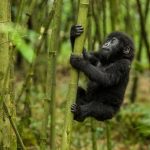
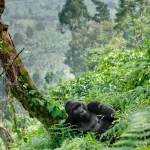
Why Mountain Gorillas Were Once Critically Endangered
Understanding why mountain gorillas were once critically endangered provides an important lesson in wildlife conservation. Throughout much of the twentieth century, mountain gorillas faced serious threats from habitat destruction, illegal hunting, infectious diseases, agricultural expansion and armed conflict.
Their populations declined as human settlements expanded around the mountain forests of Uganda, Rwanda and the Democratic Republic of Congo. Their naturally slow reproductive rate made recovering from population losses particularly difficult.
For many years, conservationists feared that mountain gorillas could disappear entirely from the wild. However, sustained conservation efforts, scientific research, veterinary treatment and community participation gradually improved their survival prospects.
In 2018, the International Union for Conservation of Nature (IUCN) changed their conservation classification from Critically Endangered to Endangered.
Although this improvement represents a remarkable achievement, mountain gorillas still require continuous protection. Understanding their historical challenges helps explain why strict gorilla trekking regulations and responsible tourism remain essential today.
What Does Critically Endangered Mean?
Critically Endangered is a conservation classification used by the International Union for Conservation of Nature to identify animals and plants facing an extremely high risk of extinction in the wild.
Species and subspecies receive conservation classifications based on scientific assessments of population size, geographical distribution, population decline and other survival factors.
| Conservation classification | Meaning |
|---|---|
| Least Concern | Relatively low risk of extinction |
| Near Threatened | Close to qualifying as threatened |
| Vulnerable | High risk of extinction |
| Endangered | Very high risk of extinction |
| Critically Endangered | Extremely high risk of extinction |
| Extinct in the Wild | Survives only outside its natural wild range |
| Extinct | No surviving individuals |
Mountain gorillas previously occupied the Critically Endangered category because of their small populations, restricted habitats and persistent threats to their survival.
Their improved classification in 2018 reflected documented population recovery rather than the complete removal of these threats.
IUCN+1
Why Mountain Gorillas Were Once Critically Endangered
Several environmental and human-related factors contributed to the historical decline of mountain gorilla populations.
1. Destruction of Mountain Gorilla Habitats
Habitat destruction was one of the most significant historical threats to mountain gorillas.
As human populations increased around mountain forests, more land was cleared for agriculture, settlement and commercial activities.
In Rwanda, substantial portions of the original protected volcanic forest were converted into agricultural land during the twentieth century.
Mountain gorillas depend on natural vegetation for food, shelter and nesting materials. When forests disappear, available feeding areas become smaller, increasing competition for resources.
Habitat destruction also brings gorillas into closer contact with people, creating additional risks of disease transmission and human-wildlife conflict.
2. Agricultural Expansion Around Protected Forests
The fertile volcanic soils surrounding mountain gorilla habitats are particularly suitable for agriculture.
Communities cultivate crops such as potatoes, beans, bananas and maize around the boundaries of protected forests.
Historically, increasing demand for farmland placed considerable pressure on mountain gorilla habitats.
Forest conversion reduced the geographical area available to gorillas and restricted opportunities for natural population expansion.
Effective conservation requires supporting agricultural communities while preventing further destruction of protected forests.
3. Illegal Hunting and Poaching
Mountain gorillas historically faced threats from illegal hunting and the capture of infants for wildlife trafficking.
Capturing a young gorilla can have devastating consequences because adult family members may attempt to protect the infant.
Illegal hunting also affects gorillas indirectly through snares intended to capture antelopes and other forest animals.
Gorillas can accidentally become trapped, resulting in serious injuries, infections and permanent disabilities.
Regular forest patrols and stronger wildlife protection laws have reduced these threats, although illegal snares remain a conservation concern.
4. Human Diseases and Respiratory Infections
Mountain gorillas are biologically similar to humans and susceptible to several human infectious diseases.
Respiratory viruses that cause relatively mild symptoms in people may produce severe illness in gorillas.
As researchers, tourists and neighbouring communities increased their contact with gorilla habitats, opportunities for disease transmission also increased.
Gorillas live in social groups, making it possible for infections to spread between family members.
Disease outbreaks can be particularly damaging when the affected wildlife population is already small.
This vulnerability explains why visitors suffering from colds, flu or other contagious illnesses should not participate in gorilla trekking.
5. Political Instability and Armed Conflict
Mountain gorilla habitats extend across a region that has experienced periods of political instability and armed conflict.
During such periods, conservation organisations may struggle to conduct regular patrols, monitor wildlife and maintain protected area operations.
Displaced populations may also face limited access to food, fuel and shelter, increasing pressure on nearby forest resources.
Conservation teams working in the Virunga region have faced particularly difficult circumstances.
Despite these challenges, international conservation partnerships have helped maintain protection for mountain gorillas.
igcp.org+2
6. Slow Reproductive Rates
Mountain gorillas reproduce relatively slowly compared with many other wildlife species.
Females generally give birth to one infant following a pregnancy lasting approximately eight and a half months.
Several years may pass before a female produces another infant because young gorillas depend heavily on maternal care.
This slow reproductive rate makes recovering from population losses particularly difficult.
When adult females or infants die prematurely, the consequences can affect population growth for many years.
7. Limited Geographical Distribution
Mountain gorillas naturally inhabit only two geographically separated forest regions.
These include the Bwindi-Sarambwe region and the Virunga Massif.
Unlike widely distributed wildlife species, mountain gorillas cannot easily relocate to distant habitats when environmental conditions deteriorate.
Their restricted geographical distribution makes them particularly vulnerable to habitat destruction, disease outbreaks and environmental changes.
Protecting every remaining suitable habitat is therefore essential for their long-term survival.
How Low Did Mountain Gorilla Numbers Fall?
During the early 1980s, conservationists estimated that fewer than 400 mountain gorillas remained globally.
Historical research also documented a particularly severe decline in the Virunga Massif, where the population fell to approximately 250 individuals around 1981.
Subsequent conservation efforts gradually improved their survival prospects.
| Period | Estimated population | Geographical coverage |
|---|---|---|
| Early 1980s | Fewer than 400 | Global estimate |
| 1981 | Approximately 250 | Virunga Massif |
| 2008 | Approximately 680 | Global estimate |
| 2015–2016 | 604 | Virunga Massif |
| 2018 | 459 | Bwindi-Sarambwe |
| 2019 combined census benchmark | 1,063 | Global population |
These figures come from different surveys and geographical areas. The combined figure of 1,063 represents an established historical census benchmark rather than an exact current population count.
The documented recovery demonstrates the importance of sustained wildlife protection.
WWF+3
How Conservation Saved Mountain Gorillas
Establishment of Protected Areas
National parks and nature reserves provide essential protection for mountain gorilla habitats.
Bwindi Impenetrable National Park, Mgahinga Gorilla National Park, Volcanoes National Park and Virunga National Park form important parts of the conservation landscape.
These protected areas restrict activities that could damage forest habitats and threaten wildlife.
Dian Fossey and Gorilla Research
Dian Fossey began her mountain gorilla research in Rwanda in 1967, establishing the Karisoke Research Centre.
Her work helped improve scientific understanding of gorilla behaviour, family relationships and conservation threats.
African researchers, trackers and wildlife rangers have continued this work through long-term monitoring and protection programmes.
Scientific research remains essential for understanding population changes and identifying emerging threats.
Veterinary Care
Specialist veterinary teams monitor mountain gorilla health and provide medical assistance when necessary.
Organisations such as Gorilla Doctors respond to serious injuries, snare entanglements and infectious diseases.
Veterinary intervention has helped save individual gorillas that might otherwise have died from treatable conditions.
Anti-Poaching Patrols
Wildlife rangers regularly patrol protected forests to remove illegal snares and prevent unauthorised activities.
These patrols protect mountain gorillas and numerous other wildlife species sharing their habitats.
Community Conservation
Communities surrounding mountain gorilla habitats are essential conservation partners.
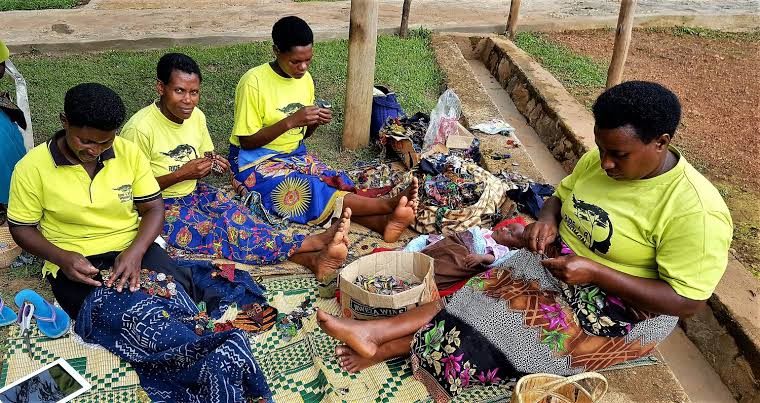
Employment opportunities, tourism revenue-sharing programmes and community development projects can help residents benefit economically from protecting wildlife.
Community-owned accommodation, local guiding services and porter programmes provide additional opportunities for tourism-related income.
Responsible Gorilla Trekking
Gorilla trekking generates revenue that contributes towards wildlife protection, protected area management and community development.
Strict tourism regulations help reduce disturbance and disease transmission.
Visitors contribute to conservation through permit purchases, responsible behaviour and support for local businesses.
When Did Mountain Gorillas Stop Being Critically Endangered?
In November 2018, the International Union for Conservation of Nature changed the mountain gorilla’s classification from Critically Endangered to Endangered.
The decision followed documented population growth and improvements in conservation management.
| Conservation milestone | Significance |
|---|---|
| 1967 | Establishment of Karisoke Research Centre |
| 1980s | Expansion of intensive gorilla protection programmes |
| 1991 | Establishment of the International Gorilla Conservation Programme |
| 2018 | Mountain gorillas reclassified as Endangered |
| 2019 | Combined census benchmark of 1,063 published |
The improved classification demonstrated that dedicated conservation programmes could reverse severe wildlife population declines.
IUCN+2
Are Mountain Gorillas Completely Safe Today?
No. Mountain gorillas remain endangered despite substantial population recovery.
Their habitats are geographically restricted, and several historical threats continue to affect their survival.
Climate change could also influence vegetation patterns, food availability and disease distribution within mountain forests.
Continued veterinary monitoring, habitat restoration, responsible tourism and international cooperation remain necessary.
Conservation success should encourage further protection rather than a reduction in conservation investment.
How Tourists Can Help Protect Mountain Gorillas
Visitors undertaking gorilla trekking can contribute to mountain gorilla conservation through several practical decisions:
-
Purchase gorilla permits through authorised organisations.
-
Maintain the required wildlife viewing distance.
-
Avoid trekking when suffering from contagious illnesses.
-
Follow instructions provided by wildlife rangers.
-
Avoid flash photography and unnecessary noise.
-
Never touch or feed mountain gorillas.
-
Hire local porters and community guides.
-
Support community-owned accommodation.
-
Avoid leaving rubbish inside protected forests.
Responsible visitor behaviour helps protect gorilla health while allowing neighbouring communities to benefit from wildlife tourism.
Frequently Asked Questions
Why were mountain gorillas critically endangered?
Mountain gorillas faced severe threats from habitat destruction, poaching, infectious diseases, political instability and naturally slow reproductive rates.
When were mountain gorillas reclassified as Endangered?
The IUCN changed their conservation classification in November 2018 following documented population recovery.
Did mountain gorillas nearly become extinct?
Yes. Historical population estimates indicate that fewer than 400 individuals remained globally during the early 1980s.
Are mountain gorilla populations increasing?
Historical census results demonstrate substantial population growth, although continued monitoring is necessary to establish recent population trends.
Does gorilla trekking help prevent extinction?
Responsibly managed gorilla trekking generates conservation revenue and supports local employment. Strict visitor regulations remain essential.
Could mountain gorillas become critically endangered again?
Yes. Major disease outbreaks, habitat destruction or prolonged disruption of conservation programmes could threaten their recovery.
Understanding why mountain gorillas were once critically endangered reveals the importance of protecting natural habitats and maintaining long-term wildlife conservation programmes.
Habitat destruction, illegal hunting, infectious diseases, agricultural expansion and political instability brought mountain gorillas dangerously close to extinction.
Decades of scientific research, veterinary treatment, anti-poaching patrols and community participation have significantly improved their survival prospects.
Although mountain gorillas are no longer classified as Critically Endangered, they remain Endangered and require continuous protection.
By participating in responsible gorilla trekking and supporting conservation initiatives, visitors can contribute towards protecting mountain gorillas and their natural forest habitats for future generations.