The Role of Tourism in Protecting Gorillas
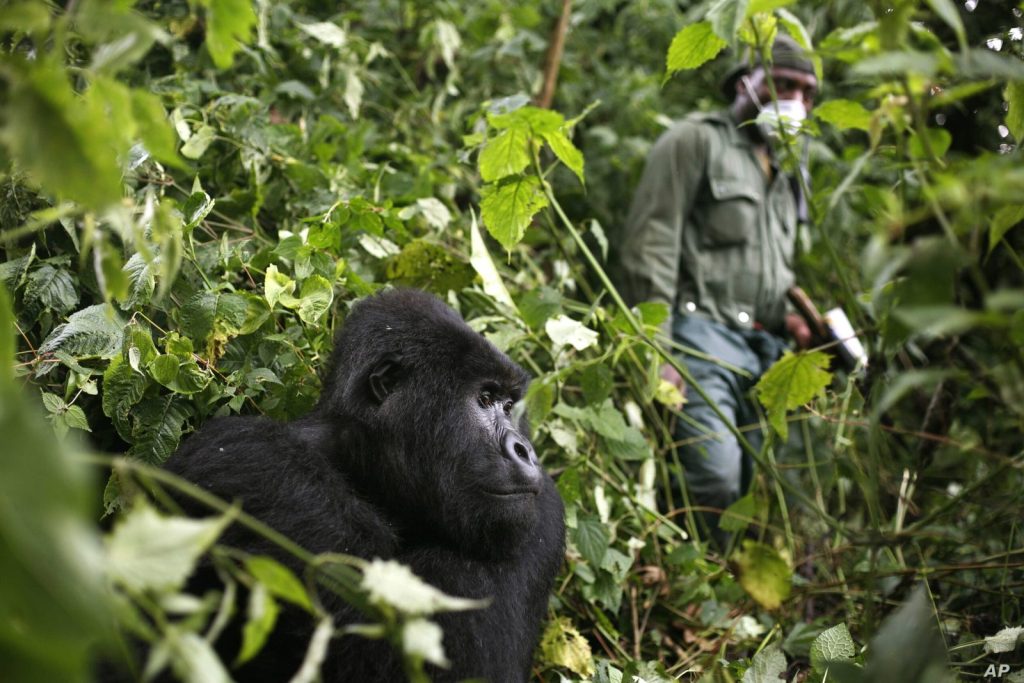
The role of tourism in protecting gorillas has become increasingly important in East and Central Africa. Through gorilla trekking permits, accommodation spending, local employment and community development programmes, wildlife tourism generates financial resources that contribute to the protection of endangered gorillas and their natural habitats.
Uganda, Rwanda and the Democratic Republic of Congo protect the world’s remaining mountain gorilla populations. These countries have established conservation programmes that combine wildlife protection, scientific research and regulated tourism.
Without sufficient conservation funding, maintaining forest patrols, monitoring gorilla health and supporting communities around protected areas would become considerably more difficult.
However, tourism must be carefully managed. Excessive visitor numbers, irresponsible behaviour and human diseases can threaten the very animals that tourism seeks to protect.
Understanding how gorilla tourism contributes to conservation helps travellers recognise the value of their safari expenditure and the importance of following wildlife protection regulations.
How Tourism Helps Protect Endangered Gorillas
Gorilla tourism provides economic and social benefits that can strengthen wildlife conservation. When properly managed, it creates financial incentives for protecting natural forests rather than converting them into agricultural or commercial land.
| Tourism activity | Contribution to gorilla conservation |
|---|---|
| Gorilla trekking permits | Funding protected area management |
| Safari accommodation | Creating local employment |
| Porter services | Providing alternative sources of income |
| Community tours | Supporting rural development |
| Conservation donations | Supporting research and veterinary programmes |
| Wildlife photography | Increasing public awareness |
| Park entrance fees | Financing conservation operations |
| Local craft purchases | Supporting community businesses |
These benefits extend beyond mountain gorillas because protecting their habitats also supports thousands of other plant and animal species.
1. Gorilla Trekking Permits Generate Conservation Revenue
Gorilla trekking permits represent an important source of revenue for wildlife authorities in Uganda and Rwanda.
Visitors purchase permits to observe habituated mountain gorillas within their natural habitats. The income generated contributes towards managing protected areas and maintaining tourism and conservation operations.
Conservation requires considerable financial resources. Wildlife authorities must employ rangers, maintain equipment, manage forest trails and monitor illegal activities.
Permit revenue can help meet these operational expenses.
Unlike conventional tourism attractions, gorilla trekking has strict visitor limits. Wildlife authorities must balance income generation against the need to minimise disturbance to gorilla families.
Increasing visitor numbers without appropriate restrictions could undermine conservation achievements.
2. Tourism Supports Anti-Poaching Patrols
Illegal hunting remains a threat to mountain gorillas despite decades of conservation progress.
Hunters sometimes set snares intended to capture antelopes and other forest animals. Mountain gorillas can accidentally become caught in these traps, resulting in serious injuries or infections.
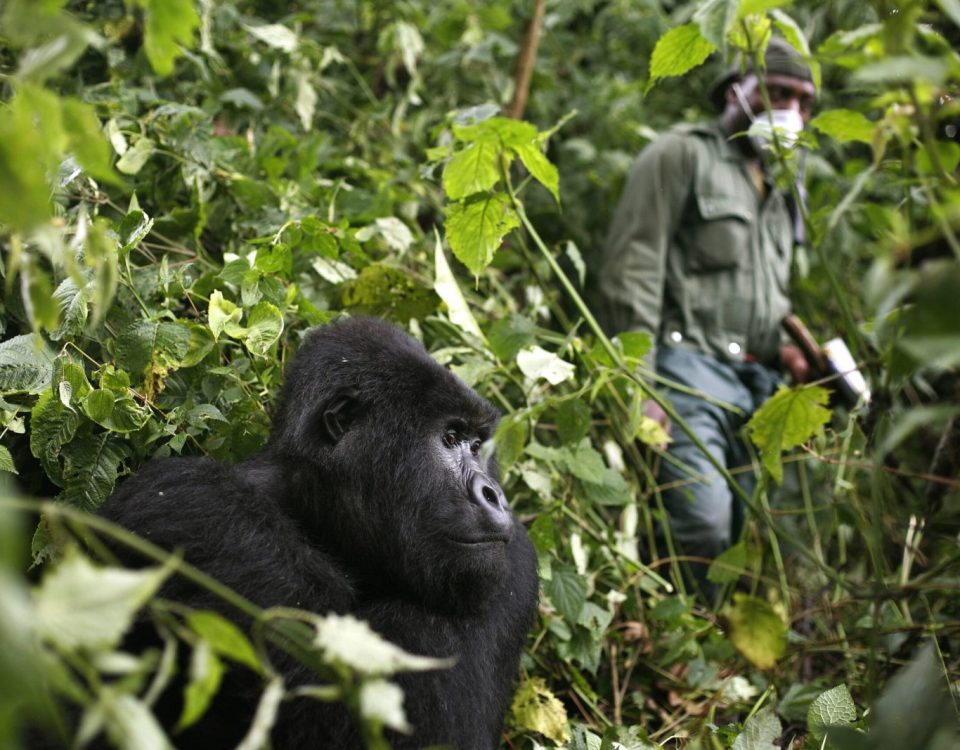
Wildlife rangers regularly patrol protected forests to remove snares, identify illegal activities and monitor gorilla habitats.
Tourism revenue contributes to the resources available for these operations, including staff salaries, communication equipment, protective clothing and transportation.
Regular patrols are particularly important in remote forest areas where illegal activities may otherwise remain undetected.
3. Tourism Creates Employment for Local Communities
Communities surrounding mountain gorilla habitats have traditionally depended heavily on agriculture and other natural resources.
Gorilla tourism has introduced additional employment opportunities, allowing residents to earn income through wildlife-related businesses.
Common tourism occupations include:
-
Gorilla trekking porters.
-
Wildlife guides and trackers.
-
Safari lodge employees.
-
Professional drivers.
-
Community tour guides.
-
Handicraft producers.
-
Agricultural suppliers.
-
Accommodation managers.
These employment opportunities can reduce economic pressure on protected forests by providing alternative livelihoods.
For example, a resident working as a gorilla trekking porter can earn income by assisting visitors rather than depending entirely on activities that may place pressure on forest resources.
However, tourism employment must provide fair wages and meaningful opportunities for local residents.
4. Tourism Revenue Supports Community Development
People living near national parks experience several challenges associated with wildlife conservation. These include crop destruction, restricted access to forest resources and occasional conflicts with wild animals.
Revenue-sharing programmes provide mechanisms through which communities can benefit financially from tourism.
Tourism Revenue Sharing in Uganda
The Uganda Wildlife Authority operates a programme that shares 20% of park entrance revenue with eligible neighbouring communities.
In Bwindi Impenetrable National Park, an additional US$10 from each gorilla trekking permit contributes to community revenue-sharing arrangements.
These funds support initiatives intended to improve household livelihoods and reduce human-wildlife conflict.
Uganda Wildlife Authority+2
Tourism Revenue Sharing in Rwanda
Rwanda’s Tourism Revenue Sharing Programme allocates 10% of national park tourism revenue towards development initiatives in communities surrounding protected areas.
The Rwanda Development Board reaffirmed this commitment in August 2026 as part of its ongoing conservation and community development programmes.
Official Rwanda Development Board (RDB) Website+1
| Country | Revenue-sharing arrangement |
|---|---|
| Uganda | 20% of park entrance revenue |
| Uganda, Bwindi | Additional US$10 per gorilla trekking permit |
| Rwanda | 10% of national park tourism revenue |
These arrangements have different calculation methods and should not be compared as direct percentages of individual gorilla permit prices.
Community development projects may include classrooms, clean water facilities, agricultural programmes and measures to reduce wildlife-related crop damage.
5. Tourism Encourages Mountain Gorilla Habitat Protection
Mountain gorillas depend on healthy forest environments for food, shelter and reproduction.
Their habitats are restricted to the Bwindi-Sarambwe region and the Virunga Massif, covering protected areas in Uganda, Rwanda and the Democratic Republic of Congo.
Tourism gives governments an additional economic reason to maintain these forests.
Protected gorilla habitats also provide important environmental benefits, including water catchment protection, carbon storage, soil conservation and biodiversity preservation.
Maintaining healthy forests benefits wildlife and communities that depend on surrounding natural resources.
Tourism can therefore contribute to broader environmental protection beyond the conservation of mountain gorillas alone.
6. Tourism Supports Gorilla Research and Veterinary Care
Understanding mountain gorilla behaviour, reproduction and health is essential for effective conservation.
Tourism contributes to maintaining protected areas where researchers and veterinarians conduct long-term monitoring.
Organisations such as Gorilla Doctors provide specialist veterinary assistance to gorillas experiencing serious injuries and illnesses.
Veterinary interventions may include removing snares, treating infected wounds and responding to respiratory disease outbreaks.
These programmes also depend on donations, grants and conservation partnerships. Tourism is an important contribution, but it is not their only source of financial support.
7. Gorilla Tourism Increases International Conservation Awareness
Visitors who encounter mountain gorillas frequently develop a greater appreciation for wildlife conservation.
Observing a silverback protecting its family, watching infants play and learning about gorilla behaviour can help travellers understand the importance of protecting endangered primates.
After returning home, visitors may share their experiences through photographs, travel articles and educational discussions.
Some choose to support conservation organisations or participate in fundraising programmes.
This international awareness can attract additional financial support for wildlife protection and scientific research.
The Role of Tourism in Mountain Gorilla Population Recovery
Mountain gorillas have experienced significant population recovery following decades of conservation investment.
In November 2018, the International Union for Conservation of Nature changed their classification from Critically Endangered to Endangered.
Historical census results demonstrate the progress achieved.
| Census period | Population | Region |
|---|---|---|
| 2010 | 480 | Virunga Massif |
| 2011 | 400 | Bwindi-Sarambwe |
| 2015–2016 | 604 | Virunga Massif |
| 2018 | 459 | Bwindi-Sarambwe |
| Combined historical benchmark | 1,063 | Global population |
Tourism has contributed to this recovery alongside habitat protection, anti-poaching operations, veterinary treatment and international conservation cooperation.
The figure of 1,063 represents a historical combined census benchmark rather than a newly measured 2026 population.
Can Gorilla Tourism Negatively Affect Conservation?
Although tourism provides important conservation benefits, poorly managed activities can create serious risks.
Human Disease Transmission
Mountain gorillas are susceptible to several human infectious diseases, particularly respiratory infections.
Visitors suffering from colds, flu or other contagious illnesses can expose gorillas to harmful pathogens.
Scientific research has documented concerns about visitors failing to maintain appropriate viewing distances during gorilla trekking.
PubMed Central (PMC)+1
Wildlife Disturbance
Excessive noise, close physical contact and inappropriate photography practices can disturb normal gorilla behaviour.
Repeated disturbance may affect feeding, resting and social activities.
Environmental Damage
Uncontrolled lodge construction, improper waste disposal and excessive resource consumption can damage surrounding environments.
Accommodation development must respect protected forest boundaries and local environmental regulations.
Overdependence on Tourism Revenue
The COVID-19 pandemic demonstrated the financial risks associated with relying heavily on international tourism.
Travel restrictions reduced visitor numbers and disrupted tourism-related income.
Conservation organisations must develop additional funding sources to maintain essential wildlife protection programmes during periods of reduced tourism.
igcp.shorthandstories.com+1
How Responsible Gorilla Trekking Protects Gorillas
Wildlife authorities have established trekking regulations intended to reduce disease transmission and disturbance.
| Gorilla trekking regulation | Conservation purpose |
|---|---|
| Maximum of eight visitors during standard group visits | Limits human exposure |
| One hour of standard gorilla observation | Reduces disturbance |
| Required viewing distance | Reduces close contact |
| No flash photography | Minimises disturbance |
| No trekking while contagious | Protects gorilla health |
| Face masks where required | Reduces respiratory disease exposure |
| No touching or feeding | Prevents harmful interactions |
| No littering | Protects forest habitats |
Visitors should follow current park regulations and instructions provided by their assigned wildlife ranger.
The International Gorilla Conservation Programme promotes responsible tourism practices that prioritise gorilla health and natural behaviour.
igcp.org+2
How You Can Support Gorilla Conservation During Your Safari
Your travel decisions can influence how effectively tourism benefits gorillas and surrounding communities.
Choose a responsible safari operator, purchase authorised gorilla trekking permits and consider staying at community-owned accommodation.
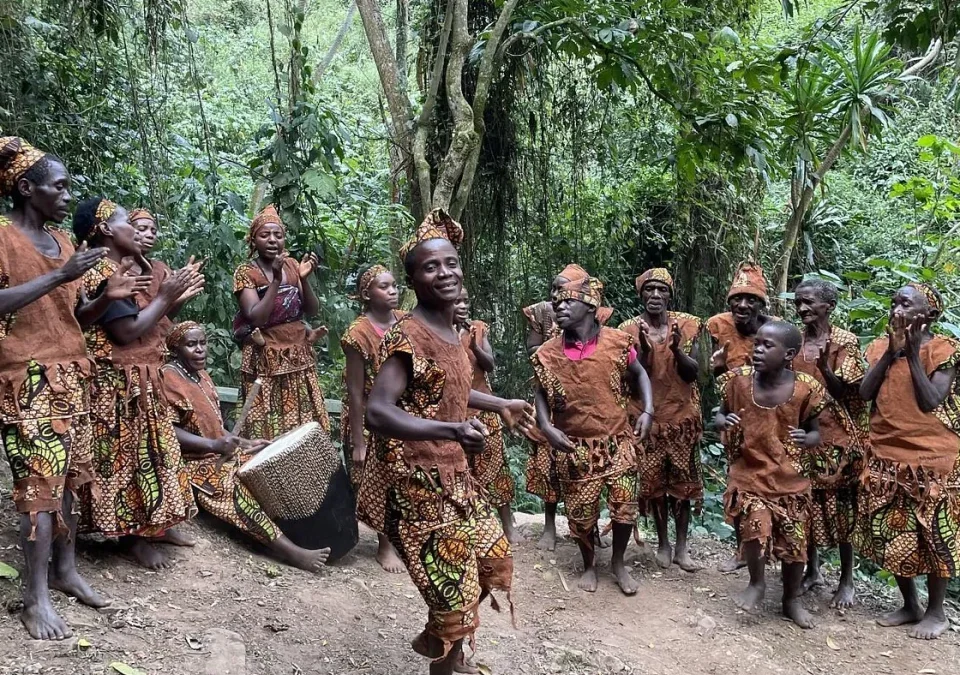
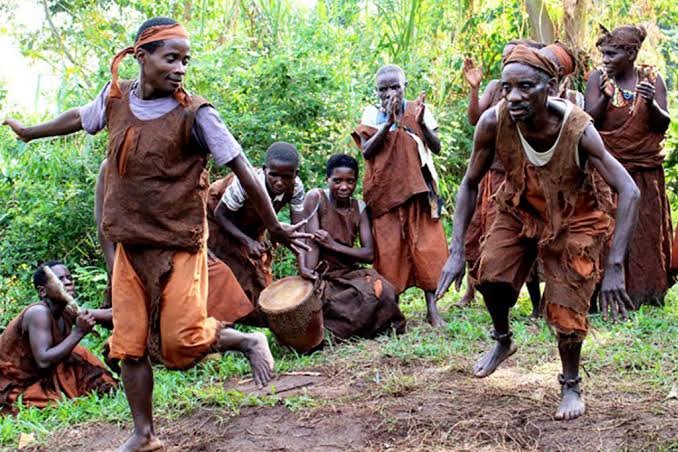
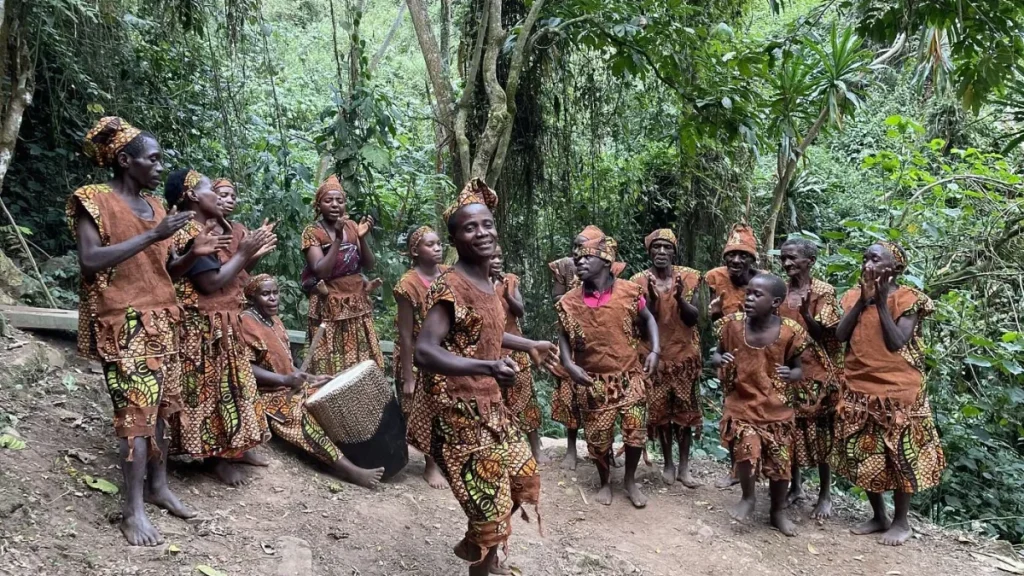
Hiring a local porter provides direct employment income. Purchasing locally produced handicrafts and participating in community-led cultural activities can further support rural businesses.
Respect wildlife regulations even when they prevent you from obtaining a closer photograph.
Consider making additional contributions to reputable conservation organisations if you wish to support wildlife research, habitat restoration or veterinary programmes.
Frequently Asked Questions
Does gorilla trekking help protect mountain gorillas?
Yes. Responsibly managed gorilla trekking generates revenue for protected area management, conservation operations and community development.
How do local communities benefit from gorilla tourism?
Communities benefit through employment, accommodation businesses, agricultural supply opportunities, guiding services and tourism revenue-sharing programmes.
Does all gorilla permit revenue go towards conservation?
No. Revenue also supports park administration, tourism operations, staff salaries and designated community contributions.
Can tourism harm mountain gorillas?
Yes. Irresponsible tourism can increase disease transmission, disturb natural behaviour and contribute to environmental damage.
Why are gorilla trekking visitor numbers restricted?
Visitor restrictions help minimise disease exposure, reduce disturbance and protect the natural behaviour of mountain gorillas.
Can gorillas survive without tourism?
Potentially, provided alternative conservation funding and effective protection remain available. However, tourism currently makes an important financial contribution to mountain gorilla conservation.
The role of tourism in protecting gorillas demonstrates how responsibly managed wildlife travel can contribute to conservation and community development.
Gorilla trekking permits help finance protected area operations, while accommodation, guiding services and other tourism activities create economic opportunities for neighbouring communities.
Nevertheless, conservation must remain the priority. Strict visitor regulations, disease prevention, habitat protection and fair community participation are essential for maintaining long-term progress.
When you undertake a responsible gorilla safari in Uganda or Rwanda, your spending and behaviour can contribute to protecting endangered mountain gorillas and preserving their natural habitats for future generations.