How Many Mountain Gorillas Are Left in the Wild?
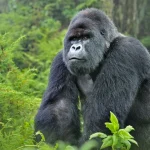
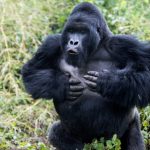
How many mountain gorillas are left in the wild? This is a common question among travellers planning gorilla trekking safaris in Uganda and Rwanda. Mountain gorillas are among the world’s rarest great apes, surviving naturally in a small geographical region of East and Central Africa.
The documented global population benchmark stands at approximately 1,063 mountain gorillas. Their population has experienced significant recovery following decades of habitat protection, veterinary treatment, scientific research and community conservation programmes.
Although mountain gorillas were once considered critically endangered, their conservation classification improved to Endangered in 2018. This achievement represents one of Africa’s most encouraging wildlife conservation stories.
However, mountain gorillas continue to face threats from infectious diseases, habitat destruction, illegal snares and climate change.
Understanding their population figures, natural habitats and conservation challenges helps visitors appreciate the importance of responsible gorilla tourism and the ongoing efforts required to protect these remarkable animals.
How Many Mountain Gorillas Are Left in the Wild in 2026?
The established combined census benchmark records at least 1,063 mountain gorillas living in the wild. These animals are distributed between two geographically separated populations in Uganda, Rwanda and the Democratic Republic of Congo.
| Mountain gorilla population | Documented number |
|---|---|
| Virunga Massif | 604 |
| Bwindi-Sarambwe | 459 |
| Total population | 1,063 |
The Virunga population figure comes from the 2015–2016 survey, while the Bwindi-Sarambwe population was surveyed in 2018.
A new census began in the Bwindi-Sarambwe region in May 2025. Until updated results are officially confirmed, the figure of 1,063 remains a useful historical population benchmark rather than an exact 2026 count.
Mountain gorilla populations naturally change through births, deaths and other environmental factors.
Mountain Gorilla Population Growth Over the Years
During the early 1980s, conservationists estimated that fewer than 400 mountain gorillas remained in the wild. Their survival was threatened by poaching, agricultural expansion and limited conservation resources.
Decades of protection have gradually improved their survival prospects.
| Census period | Population | Geographical coverage |
|---|---|---|
| Early 1980s | Fewer than 400 | Global estimate |
| 2010 | 480 | Virunga Massif |
| 2011 | 400 | Bwindi-Sarambwe |
| 2015–2016 | 604 | Virunga Massif |
| 2018 | 459 | Bwindi-Sarambwe |
| 2019 combined benchmark | 1,063 | Global population |
These figures demonstrate substantial population recovery, although differences in survey methods should be considered when comparing historical estimates.
The improvement reflects years of cooperation between wildlife authorities, conservation organisations, researchers, veterinarians and neighbouring communities.
Where Do the Remaining Mountain Gorillas Live?
Mountain gorillas survive naturally in two forest regions covering parts of Uganda, Rwanda and the Democratic Republic of Congo.
Bwindi Impenetrable National Park
Bwindi Impenetrable National Park in southwestern Uganda forms part of the Bwindi-Sarambwe mountain gorilla habitat.
The 2018 census recorded at least 459 mountain gorillas throughout this forest region.
Bwindi contains dense tropical vegetation, steep valleys, mountain slopes and numerous plant species that provide suitable feeding and nesting habitats.
The national park has four established gorilla trekking sectors:
-
Buhoma in northern Bwindi.
-
Ruhija in eastern Bwindi.
-
Rushaga in southern Bwindi.
-
Nkuringo in southwestern Bwindi.
Each sector offers opportunities to observe habituated mountain gorilla families under the supervision of experienced wildlife rangers.
Mgahinga Gorilla National Park
Mgahinga Gorilla National Park is located in southwestern Uganda near the borders of Rwanda and the Democratic Republic of Congo.
Its mountain gorillas belong to the Virunga Massif population.
The park contains volcanic mountains, bamboo forests and other vegetation suitable for mountain gorillas.
Although Mgahinga is considerably smaller than Bwindi, it remains an important part of the international conservation area protecting mountain gorillas.
Volcanoes National Park
Rwanda’s Volcanoes National Park protects mountain gorillas within the Virunga mountain range.
The park is internationally recognised for mountain gorilla research, conservation programmes and regulated wildlife tourism.
Visitors can undertake gorilla trekking while learning about efforts to protect these endangered primates and restore their natural habitats.
Virunga National Park
Virunga National Park in the Democratic Republic of Congo protects another important portion of the Virunga Massif gorilla population.
The park contains extensive forests, volcanic landscapes and diverse wildlife.
Conservation teams continue protecting mountain gorillas despite considerable challenges associated with regional insecurity and limited conservation resources.
Sarambwe Nature Reserve
Sarambwe Nature Reserve lies along the border between Uganda and the Democratic Republic of Congo.
It connects with Bwindi Impenetrable Forest, allowing mountain gorillas to move naturally between protected habitats.
This geographical connection demonstrates the importance of international conservation cooperation.
How Do Researchers Count Mountain Gorillas?
Counting mountain gorillas requires considerable expertise because their natural habitats contain thick vegetation and difficult mountain terrain.
Researchers use several methods to estimate population sizes accurately.
Gorilla Nest Surveys
Mountain gorillas generally construct sleeping nests using leaves, branches and other vegetation.
Conservation teams search for these nests to identify areas occupied by gorilla families and estimate group sizes.
However, young infants may share nests with their mothers, making additional counting methods necessary.
DNA Analysis
Researchers collect gorilla dung samples during forest surveys.
Genetic analysis helps scientists identify individual animals and distinguish between different gorillas.
This method reduces the risk of counting the same gorilla several times as it moves through the forest.
Monitoring Habituated Gorilla Families
Wildlife rangers and researchers regularly observe habituated gorilla families.
Their records provide information about births, deaths, injuries, group movements and changes in social organisation.
Combining daily monitoring with wider population surveys provides a more comprehensive understanding of mountain gorilla numbers.
Why Are Mountain Gorilla Populations Increasing?
Mountain gorilla population recovery results from several conservation measures working together.
Habitat Protection
National parks and protected nature reserves provide essential feeding grounds, nesting areas and breeding habitats.
Restricting illegal logging, agricultural expansion and settlement within protected forests helps maintain suitable environmental conditions.
Forest restoration programmes also contribute towards improving available wildlife habitats.
Anti-Poaching Patrols
Wildlife rangers regularly patrol mountain gorilla habitats to identify illegal activities and remove snares.
Although hunters may set traps for smaller animals, mountain gorillas can accidentally become caught in them.
Regular patrols help reduce these risks and protect other wildlife species sharing the same forests.
Veterinary Treatment
Specialist veterinarians monitor mountain gorilla health and provide medical treatment when necessary.
Organisations such as Gorilla Doctors respond to serious injuries, infectious diseases and other potentially life-threatening conditions.
Veterinary interventions have helped protect individual gorillas and contribute to wider population recovery.
Responsible Gorilla Trekking
Gorilla trekking generates revenue for wildlife authorities, conservation programmes and neighbouring communities.
Permit revenue contributes towards protected area management, ranger operations and conservation activities.
Tourism also creates employment opportunities for guides, porters, lodge employees and local suppliers.
Strict visitor regulations help minimise wildlife disturbance and reduce disease transmission.
Community Conservation Programmes
Local communities play an important role in protecting mountain gorilla habitats.
Tourism revenue-sharing programmes, employment opportunities and community-owned businesses allow residents to benefit from wildlife conservation.
When communities receive meaningful benefits and participate in conservation decisions, they can become important partners in protecting endangered wildlife.
Are Mountain Gorillas Still Endangered?
Yes. Mountain gorillas remain classified as Endangered by the International Union for Conservation of Nature.
In November 2018, their classification improved from Critically Endangered to Endangered following documented population recovery.
Although this represented a major conservation achievement, mountain gorillas remain vulnerable because their natural habitats are geographically restricted.
A serious disease outbreak, widespread habitat destruction or prolonged disruption of conservation programmes could have significant consequences for their survival.
Major Threats Facing Mountain Gorillas
Despite their encouraging population recovery, mountain gorillas continue to face several challenges.
| Conservation threat | Potential consequences |
|---|---|
| Habitat destruction | Loss of feeding and nesting areas |
| Human respiratory diseases | Serious illness and disease outbreaks |
| Illegal snares | Injuries, infections and deaths |
| Climate change | Changes in vegetation and habitat conditions |
| Regional insecurity | Disruption of conservation activities |
| Human-wildlife conflict | Increased pressure on protected forests |
| Irresponsible tourism | Disease transmission and wildlife disturbance |
Mountain gorillas reproduce slowly. Females generally give birth to one infant after a pregnancy lasting approximately eight and a half months.
Several years may pass between births, making rapid recovery from significant population losses difficult.
Can Mountain Gorillas Survive in Captivity?
Mountain gorillas are generally not found in conventional zoo breeding programmes.
Their conservation depends primarily on protecting their natural forest environments, where they can maintain their normal feeding habits, social relationships and breeding behaviour.
Rescued mountain gorillas may receive specialist care under exceptional circumstances. However, captive care cannot replace the protection of healthy wild populations.
Maintaining suitable habitats in Bwindi and the Virunga Massif remains essential for their long-term survival.
How Tourists Can Help Protect Mountain Gorillas
Visitors undertaking gorilla trekking in Uganda and Rwanda can contribute to conservation through responsible behaviour.
Always maintain the required viewing distance, follow ranger instructions and avoid touching or feeding gorillas.
Do not use flash photography or leave rubbish inside protected forests. If you have a cold, flu or another contagious illness, postpone your trekking activity.
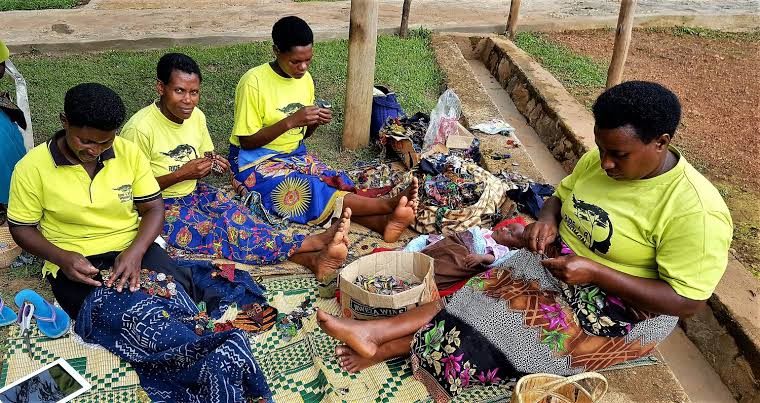
Hiring local porters, purchasing locally produced handicrafts and staying at community-owned lodges can also support neighbouring residents.
These practical decisions help protect mountain gorillas while ensuring that tourism provides economic benefits to local communities.
Frequently Asked Questions
How many mountain gorillas are left in the wild?
The established combined census benchmark records at least 1,063 mountain gorillas across the Bwindi-Sarambwe and Virunga Massif populations.
How many mountain gorillas live in Bwindi?
The 2018 census recorded at least 459 mountain gorillas across the Bwindi-Sarambwe forest region.
Are mountain gorillas becoming extinct?
Their populations have experienced documented recovery. However, mountain gorillas remain endangered and require continued conservation protection.
Which countries have mountain gorillas?
Mountain gorillas live naturally in Uganda, Rwanda and the Democratic Republic of Congo.
Are mountain gorillas the rarest gorillas?
Cross River gorillas have a smaller estimated wild population than mountain gorillas.
Can mountain gorilla numbers continue increasing?
Yes, provided conservation programmes remain effective and suitable habitats, veterinary care and community partnerships continue receiving support.
Does gorilla trekking help protect mountain gorillas?
Responsibly managed gorilla trekking generates revenue for wildlife protection, conservation programmes and community development.
Understanding how many mountain gorillas are left in the wild reveals an encouraging conservation achievement that requires continued protection.
The documented population benchmark of 1,063 mountain gorillas represents substantial recovery compared with historical estimates from the early 1980s.
Habitat protection, veterinary treatment, anti-poaching patrols, scientific research and responsible tourism have contributed to this achievement.
Nevertheless, mountain gorillas remain endangered. Protecting their forests, preventing disease transmission and supporting neighbouring communities are essential for their future survival.
When you undertake a responsible gorilla safari in Uganda or Rwanda, you contribute to conservation efforts that help preserve these remarkable primates for future generations.