Can Children Trek Gorillas?
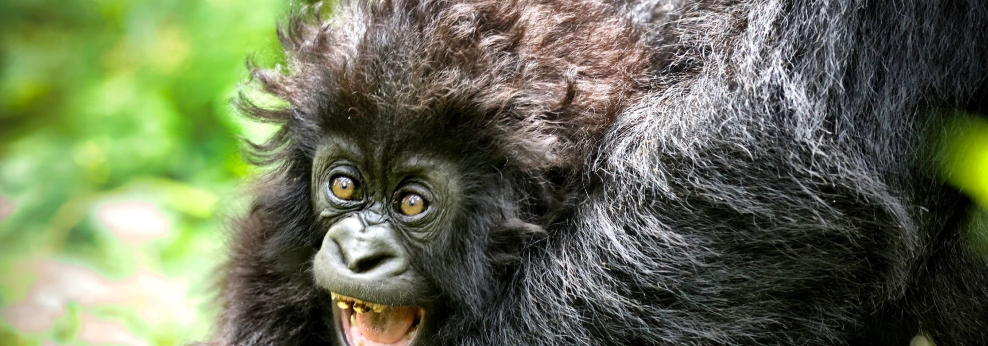
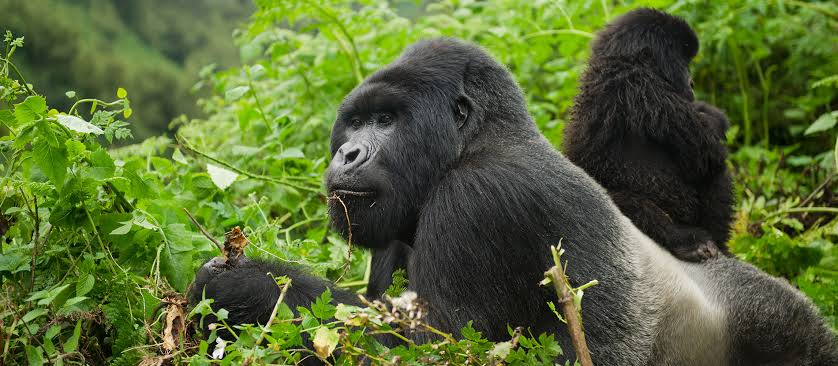
In the heart of Africa’s lush and mysterious rainforests lies one of the most extraordinary wildlife experiences on the planet — gorilla trekking. With their soulful eyes, expressive gestures, and familial bonds, mountain gorillas are among our closest relatives in the animal kingdom. Trekking to see them is not just a journey through the forest; it’s a deeply transformative experience that opens one’s mind and heart. But one question often asked by families with young explorers is, Can children trek gorillas? The answer is more nuanced than a simple yes or no. It involves a careful balance of conservation, safety, maturity, and adventure.
The Age Limit and Its Purpose
Officially, most gorilla trekking destinations, particularly in Uganda and Rwanda, set the minimum age for gorilla trekking at 15 years. This regulation is primarily based on safety and health concerns. Young children may find the trek physically demanding, and more critically, they may unintentionally pose a health risk to the gorillas. Due to our genetic similarity, gorillas can catch human illnesses, and younger children often carry colds or viruses asymptomatically. A sick child could unknowingly transmit a virus to an entire gorilla family, which can have devastating consequences for this endangered species.
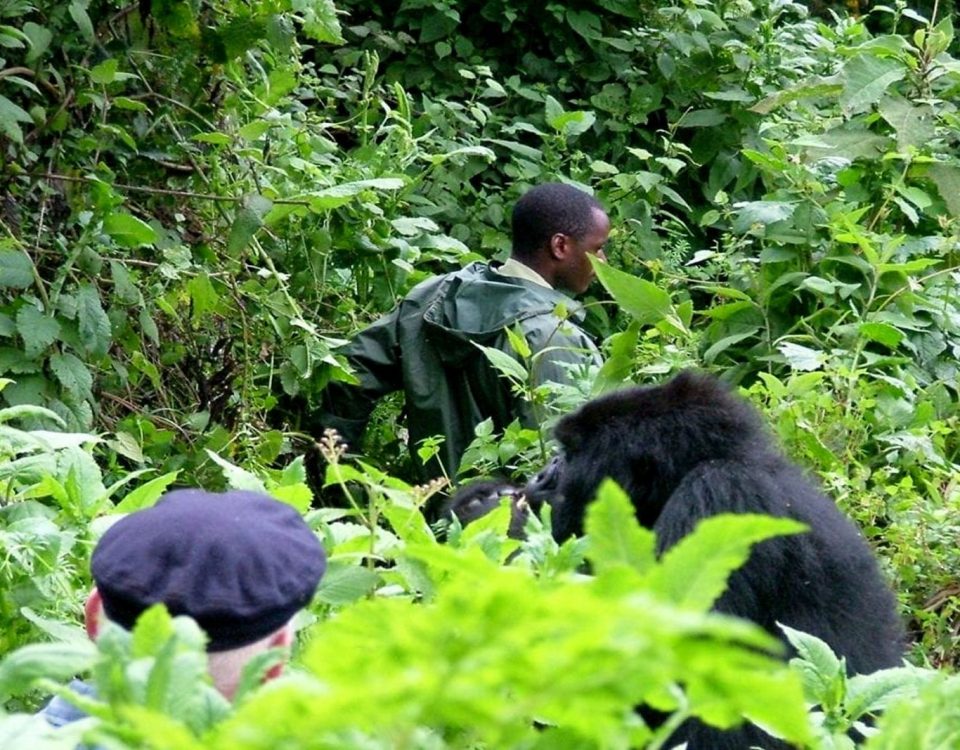
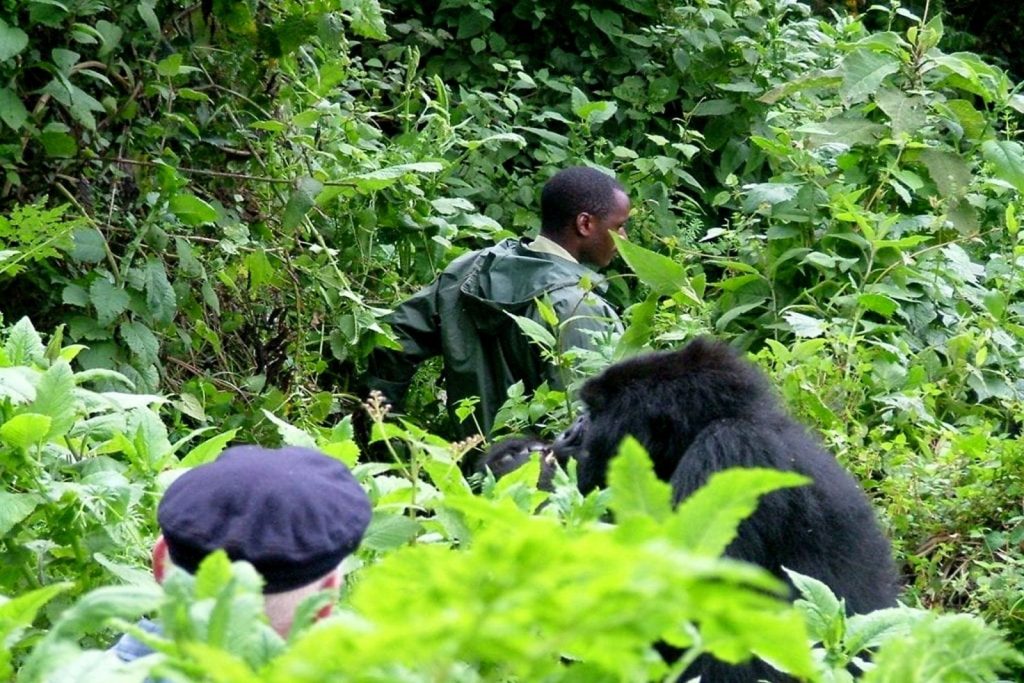
Furthermore, gorilla trekking involves long, strenuous hikes through unpredictable terrain. The trails can be muddy, steep, and dense with vegetation. Rangers and guides must ensure the safety of both tourists and gorillas. It becomes challenging to manage a group with young children who may not follow strict behavioral guidelines when in the presence of gorillas. A sudden movement, loud cry, or even just fidgeting can trigger a defensive reaction from these powerful animals.
Yet, the question remains relevant for many families: Can children trek gorillas under any circumstances? And more importantly, should they?
Exceptions and Alternatives
While the general policy is to prohibit children under 15 from gorilla trekking, there have been rare exceptions, particularly in Uganda. If a child is near the age limit (for example, 13 or 14), shows exceptional maturity, and is physically capable, some authorities may grant special permission. In such cases, the child’s physical health, mental readiness, and understanding of the rules are assessed rigorously. Parents or guardians must accept full responsibility and provide written consent.
However, even when granted special permission, a child must meet all behavioral expectations. Silence, calm body language, and unwavering attention to the guides’ instructions are essential. This is not just for safety — it’s also a matter of respect. Gorilla trekking is a privilege, not a right. Every visit must be conducted in a way that minimally disrupts the gorillas’ natural behavior.
But when the rules do not allow for such exceptions, families still have meaningful and enriching alternatives. For example, in Uganda, the Chimpanzee Habituation Experience and Golden Monkey Tracking in Mgahinga offer incredible primate interactions suitable for younger audiences. Many of these experiences allow children as young as 12, and sometimes even younger. Visiting local cultural villages, conservation centers, and nature trails can also provide deep insights into wildlife protection and the ecosystem.
Instilling Conservation Values Early
So while the technical answer to Can children trek gorillas may often be “not under 15,” this doesn’t mean that children cannot participate in the conservation story. In fact, introducing children to gorilla conservation from a young age can be the beginning of a lifelong passion for wildlife and environmental protection.
Many lodges and conservation programs in Rwanda and Uganda offer family-friendly educational activities. Children can learn about gorilla behavior, tracking methods, and the challenges of protecting endangered species. Through storytelling, interactive exhibits, and community engagement, kids develop empathy and appreciation for wildlife.
Some schools even organize educational safaris, incorporating wildlife conservation into their curriculum. These experiences foster responsibility, cultural awareness, and global citizenship. A child who grows up dreaming of seeing gorillas in the wild is more likely to become an adult who protects their habitats.
The Power of Anticipation
Sometimes, being told “not yet” is the beginning of a powerful journey. When a child is told they cannot yet trek gorillas due to age, it can spark a dream that builds over years. This anticipation, combined with education and preparation, can transform a future trek into a milestone achievement.
Imagine a 10-year-old who learns about gorillas through books, documentaries, and virtual tours. Over the years, they research habitats, study conservation challenges, and practice responsible eco-travel. By the time they turn 15 and step into the forest for their first real trek, they are not just tourists — they are informed, passionate advocates. That experience becomes a rite of passage, a deeply earned reward.
The Role of Parents and Guardians
For parents asking, Can children trek gorillas?, the answer may also lie within themselves. How do they define the experience they want for their child? Is it about ticking a box or nurturing wonder? Gorilla trekking is just one aspect of a rich, diverse African wilderness experience. There is so much more that children can do while waiting to reach the eligible age.
In fact, family safaris can be tailored to engage children meaningfully. Whether it’s tracking giraffes on the savannah, learning from Batwa forest people about ancient survival techniques, or helping plant trees in reforestation programs, the options are endless. Parents play a key role in framing these experiences. A child who hears that gorilla trekking is postponed due to respect for the animals learns a deeper lesson than one who is told it’s simply “not allowed.”
Inspirational Stories from the Field
There are numerous accounts of children who, though initially disappointed at not being able to trek gorillas, later became wildlife champions. One such story is of Sarah, a 12-year-old from the UK who visited Uganda with her family. She wasn’t allowed to trek with her older siblings, but she spent time volunteering with a local wildlife education center. That visit inspired her to start a conservation club at her school. Three years later, she returned to Uganda and finally went gorilla trekking. Her experience was not just thrilling — it was profound.
Another story comes from Rwanda, where a 14-year-old boy, denied a permit, wrote a compelling letter to the Rwanda Development Board explaining why he believed he was ready. The letter showcased maturity, understanding of conservation principles, and an awareness of the responsibility such a trek demands. While he was still not permitted due to policy constraints, the letter was later used by park authorities in educational campaigns to inspire other young people.
Looking Forward: A Shared Future
The future of mountain gorillas depends on a global community of protectors. While Can children trek gorillas may often yield a restrictive answer today, the real question is: How can we empower the next generation to care?
By encouraging children to learn, to respect nature, and to dream of their future encounter with gorillas, we are planting seeds. Some of those children will grow up to be conservationists, rangers, scientists, or eco-tourists who change the game for endangered species. The journey toward that future begins long before the first step into the forest.
Conclusion
So, can children trek gorillas? Technically, the answer is mostly no — not until they are 15. But in a broader sense, they absolutely can be part of the gorilla conservation experience. They can prepare, learn, and grow in ways that deepen their eventual connection to these magnificent creatures. Instead of focusing on the restriction, we should see it as a doorway to meaningful, age-appropriate engagement.
Let us remember that the goal is not just to see gorillas. The goal is to protect them. And in doing so, we inspire young hearts to become lifelong guardians of the wild.