



Home /
Rwanda Gorilla Trekking Experience
Rwanda gorilla trekking is one of the most extraordinary wildlife experiences in Africa, giving travelers the rare opportunity to enter the misty mountain forests of Volcanoes National Park and spend time observing endangered mountain gorillas in their natural habitat. Located in northwestern Rwanda, Volcanoes National Park forms part of the Virunga Massif, a remarkable mountain ecosystem shared by Rwanda, Uganda and the Democratic Republic of Congo. The landscape is characterized by dense rainforest, bamboo forests, steep volcanic slopes and spectacular views of the Virunga Mountains. Gorilla trekking in Rwanda is more than simply seeing a gorilla. It is a journey into the forest where visitors follow experienced trackers and guides in search of a habituated gorilla family. Once the family is located, travelers have a carefully regulated period to observe the animals as they feed, rest, groom one another, play and care for their young. Rwanda has become one of Africa's best-known gorilla trekking destinations because of its well-organized tourism system, excellent conservation efforts, accessibility from Kigali and high-quality accommodation around Volcanoes National Park. The journey from Kigali to the gorilla trekking area can be completed by road in a few hours, making Rwanda particularly convenient for travelers who have limited time. The experience can also be combined with other Rwandan attractions, including golden monkey trekking, volcano hiking, cultural experiences, Dian Fossey-related experiences, Nyungwe chimpanzee trekking and wildlife safaris in Akagera National Park. For anyone dreaming of standing in a rainforest and watching a silverback gorilla surrounded by its family, Rwanda offers an unforgettable adventure.


Rwanda Gorilla Trekking Experience & Tours
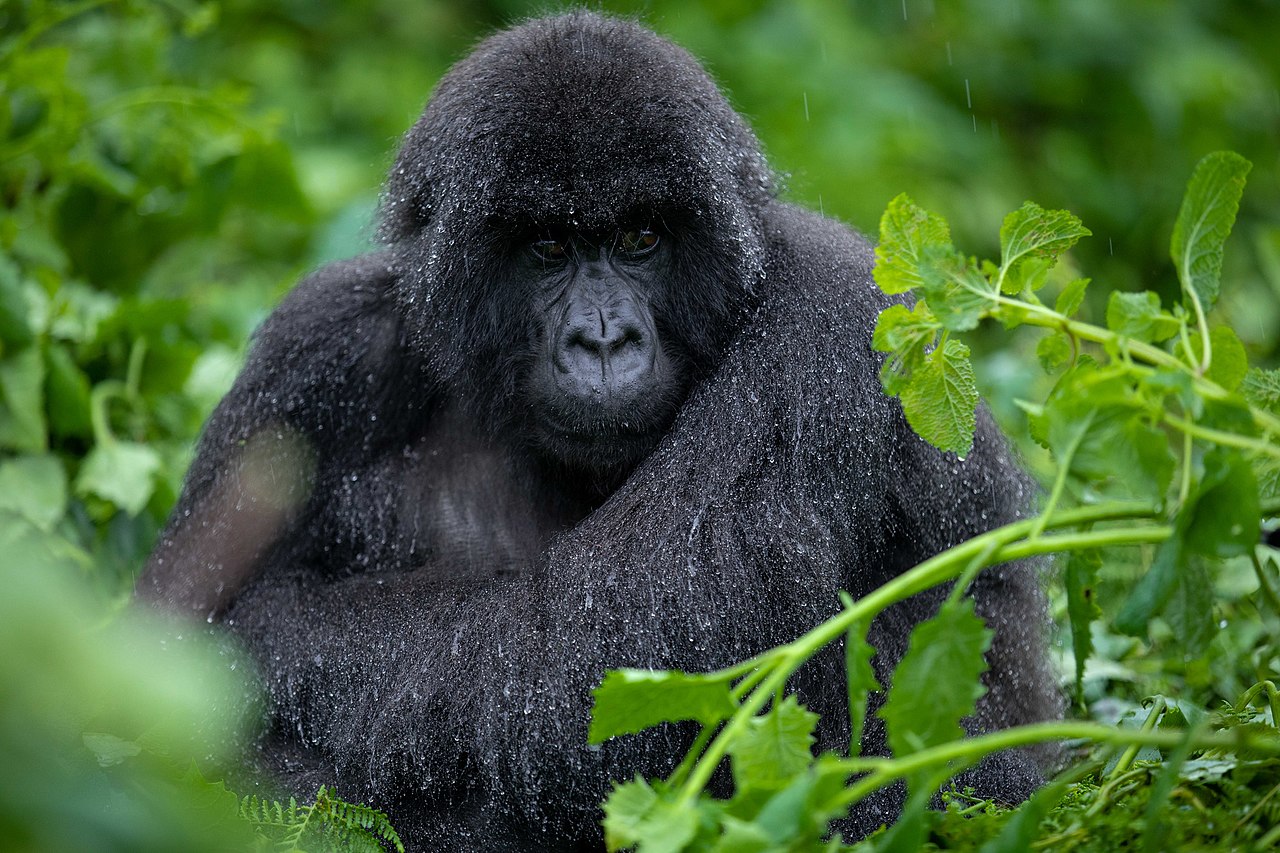
A guided Kigali orientation day grounds first-time visitors before heading to Volcanoes National Park for a single gorilla trek.
A romantic 4-day Rwanda safari for newlyweds, pairing one gorilla trek with boutique lodges and private transfers throughout.
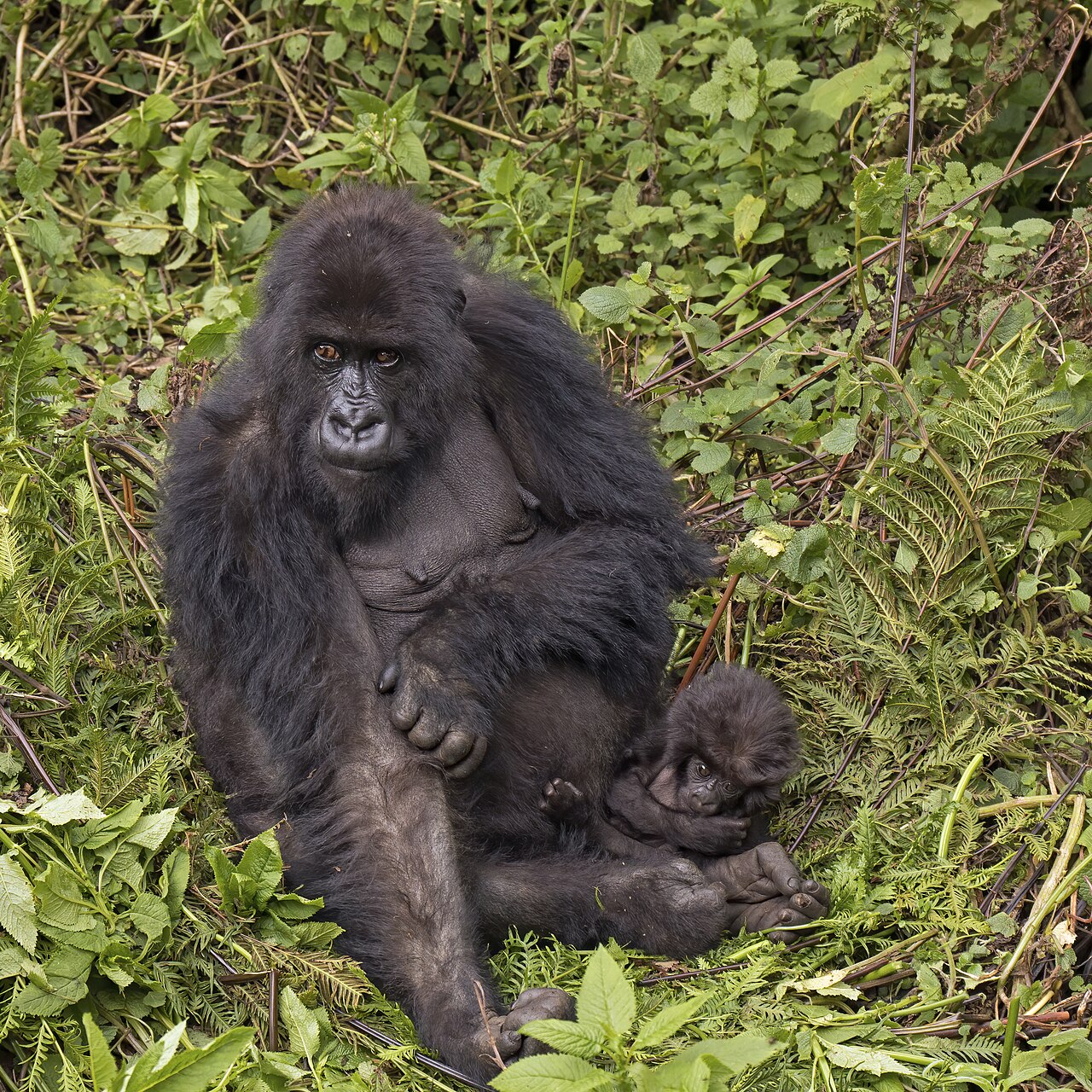
One gorilla trek in Volcanoes National Park followed by a restful day on Lake Burera and Lake Ruhondo's twin lakes.
A first-timer-friendly family itinerary: one gorilla trek plus kid-friendly activities at a comfortable, unrushed pace.
A relaxed 5-day safari pairing a single gorilla trek with an unhurried cultural visit near Nyanza and short daily drives.
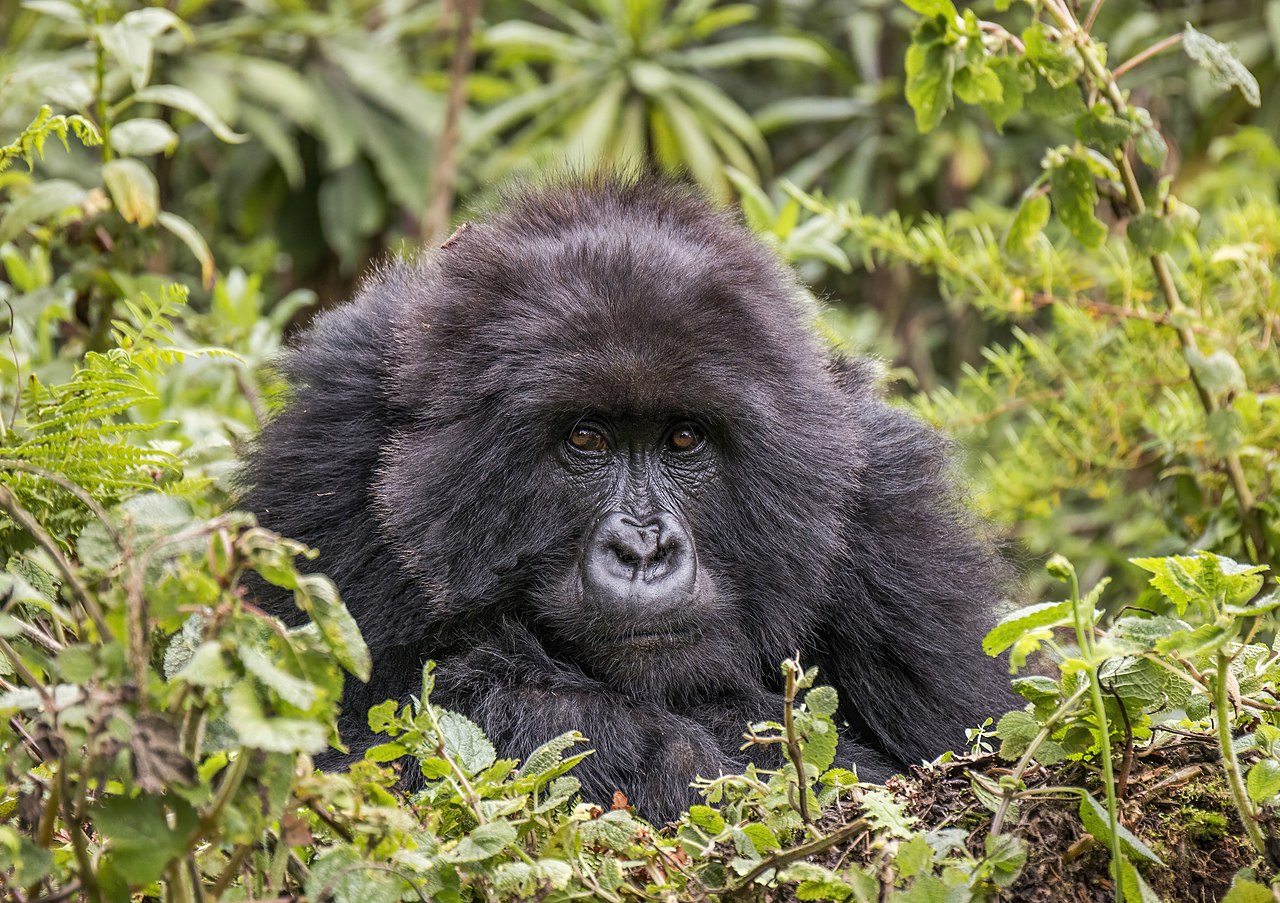
Skip the long road transfer with a scenic flight straight to Volcanoes National Park for an easier first gorilla trekking trip.
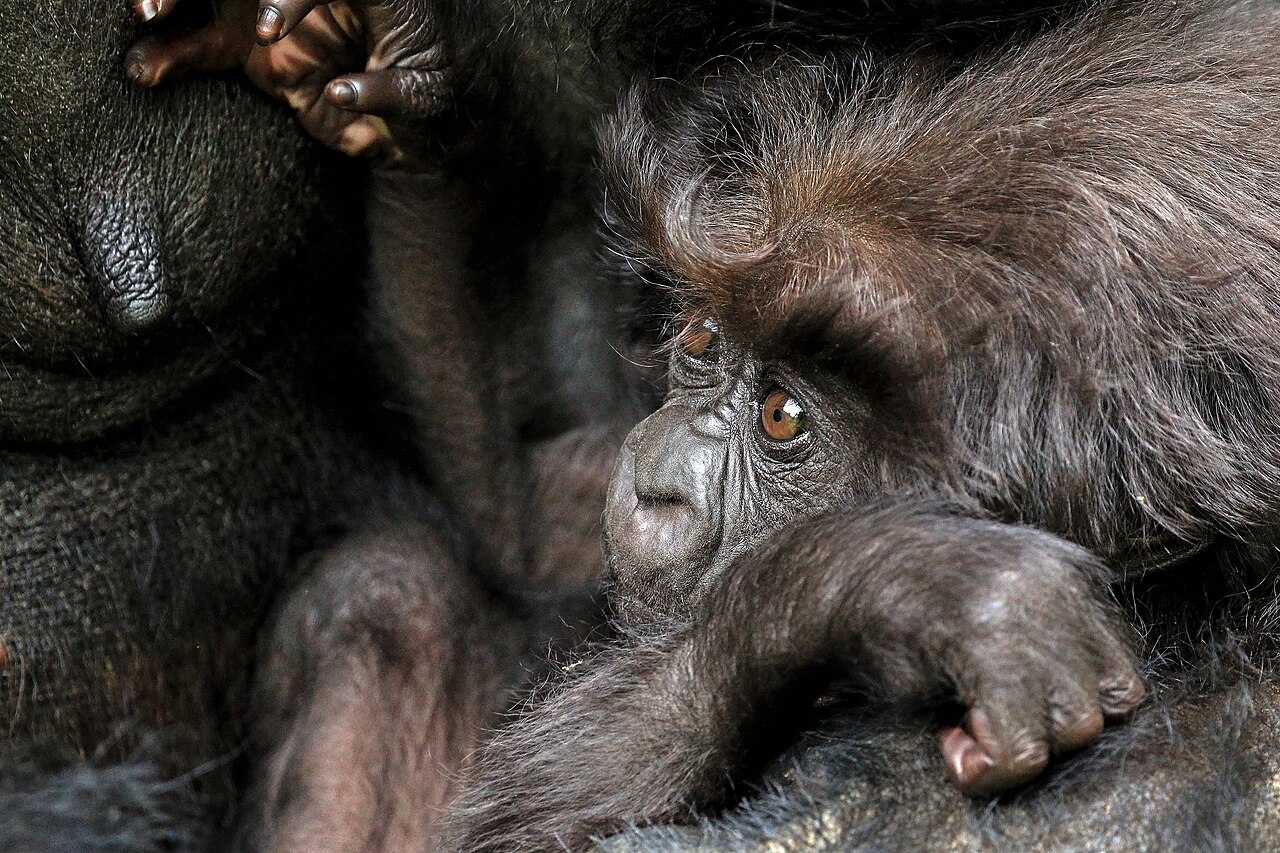
An easy, unhurried 3-day gorilla trek in Volcanoes National Park, built for travelers on their very first African safari.
A gentle first look at Rwanda combining a Kigali city orientation, one gorilla trek, and relaxed time on Lake Kivu.
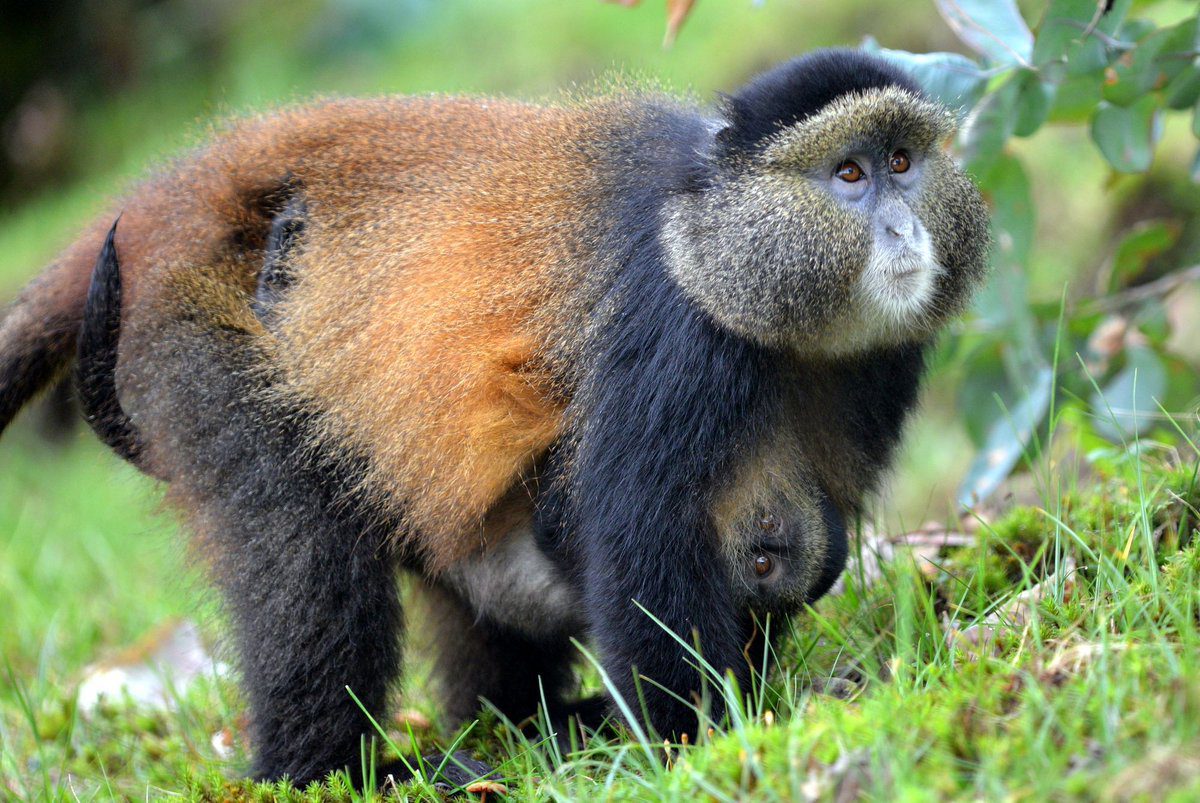
See Kigali city, trek gorillas and track golden monkeys on this perfectly planned 5-day Rwanda gorilla safari.
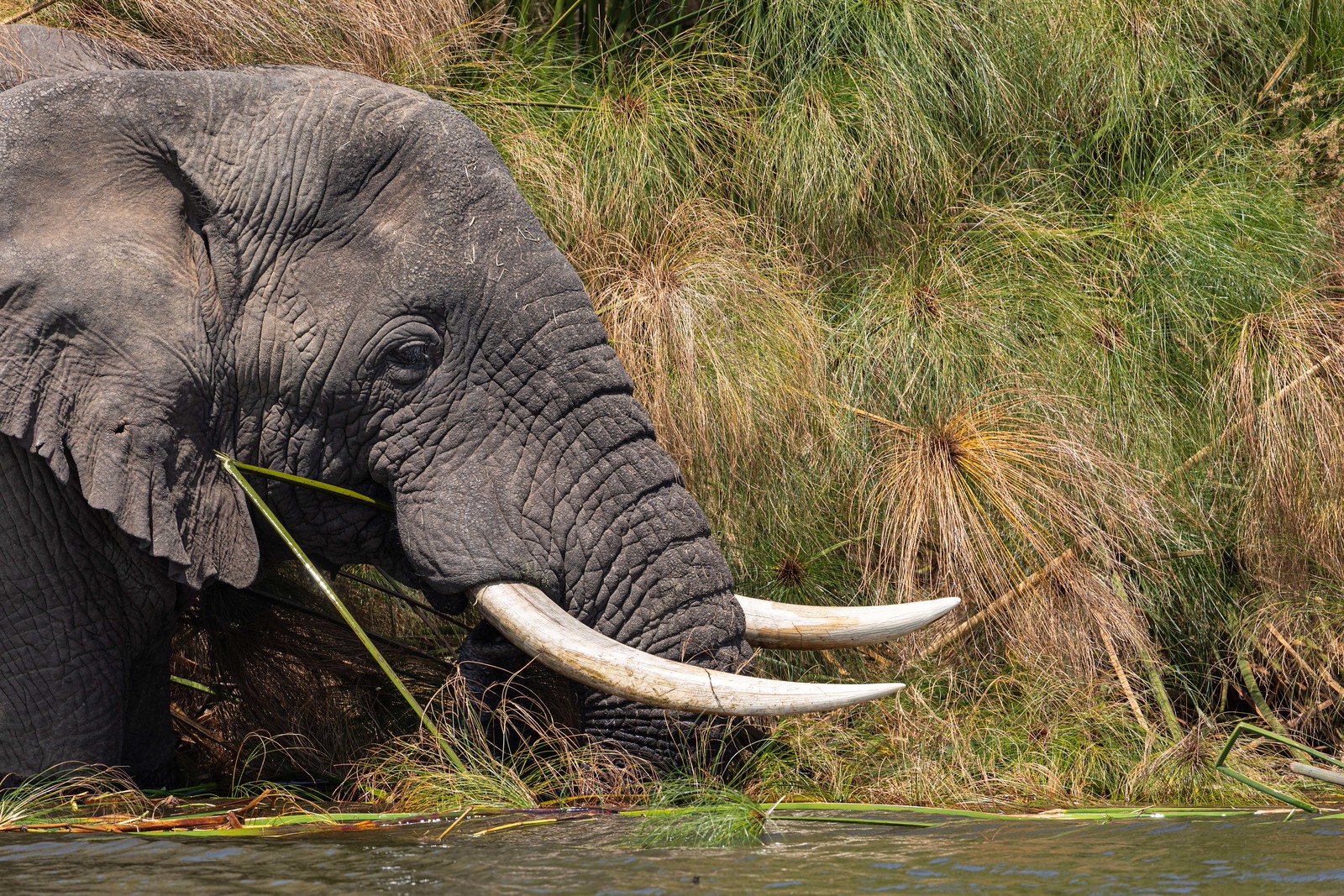
Trek Rwanda mountain gorillas then enjoy Big Five game drive in Akagera on this rewarding 6-day Rwanda safari.
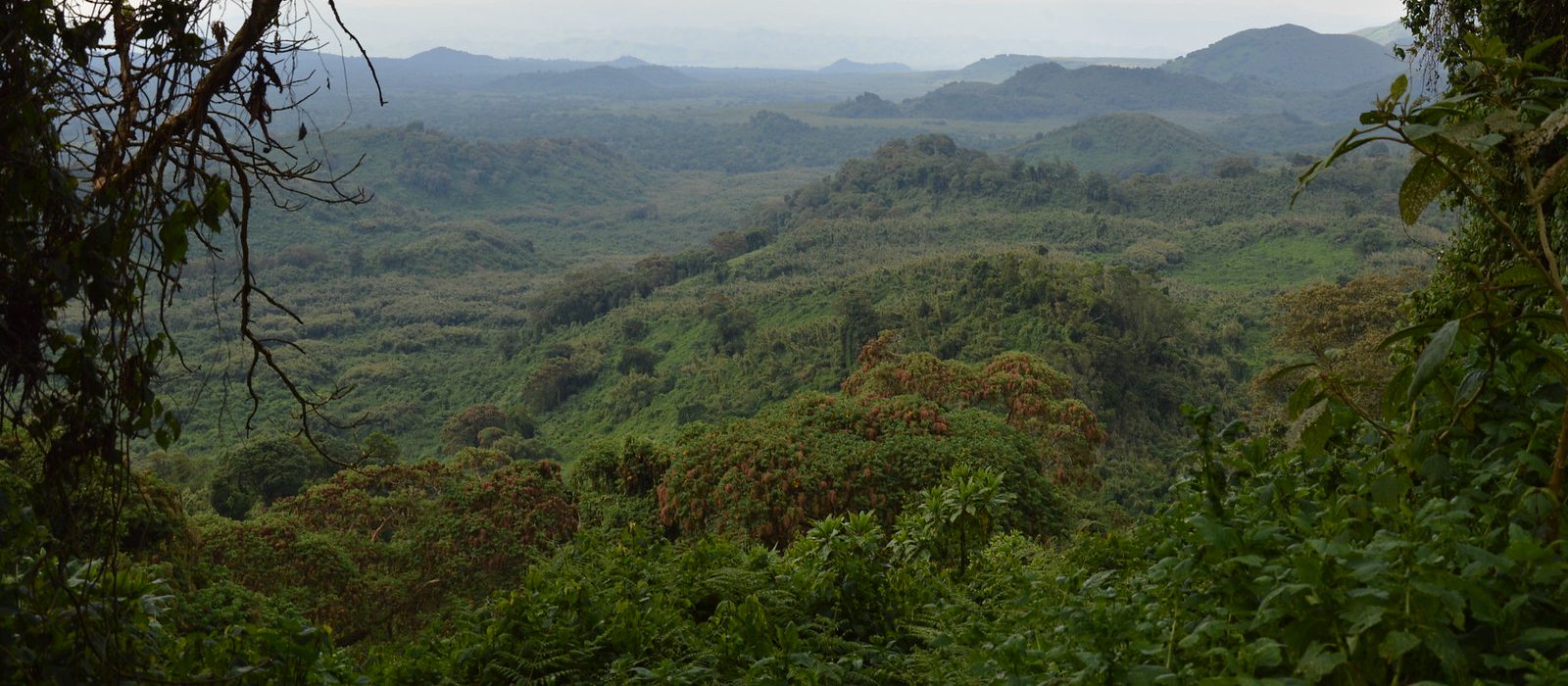
Double your gorilla trekking with both permits in Volcanoes National Park on this 4-day Rwanda gorilla safari.
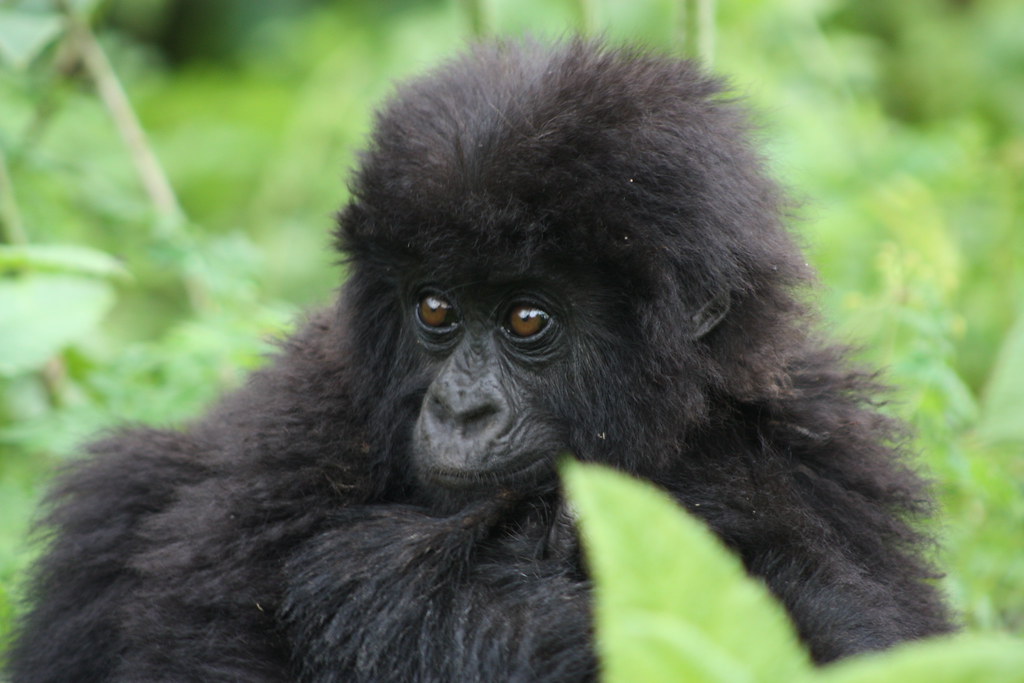
Trek Rwanda's mountain gorillas in Volcanoes National Park on this classic and epic 4-day Rwanda gorilla trip.
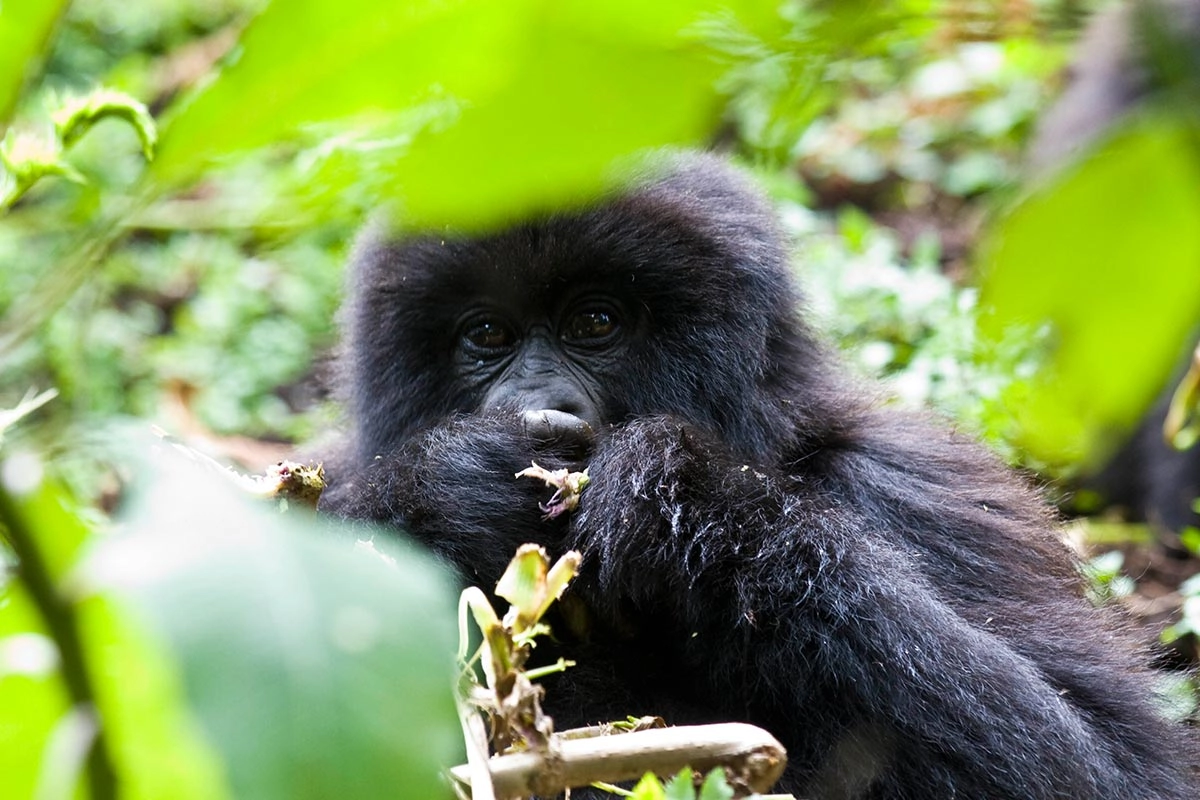
Experience a mountain gorilla trek in Rwanda on this short and well-made 2-day Rwanda gorilla trekking safari.
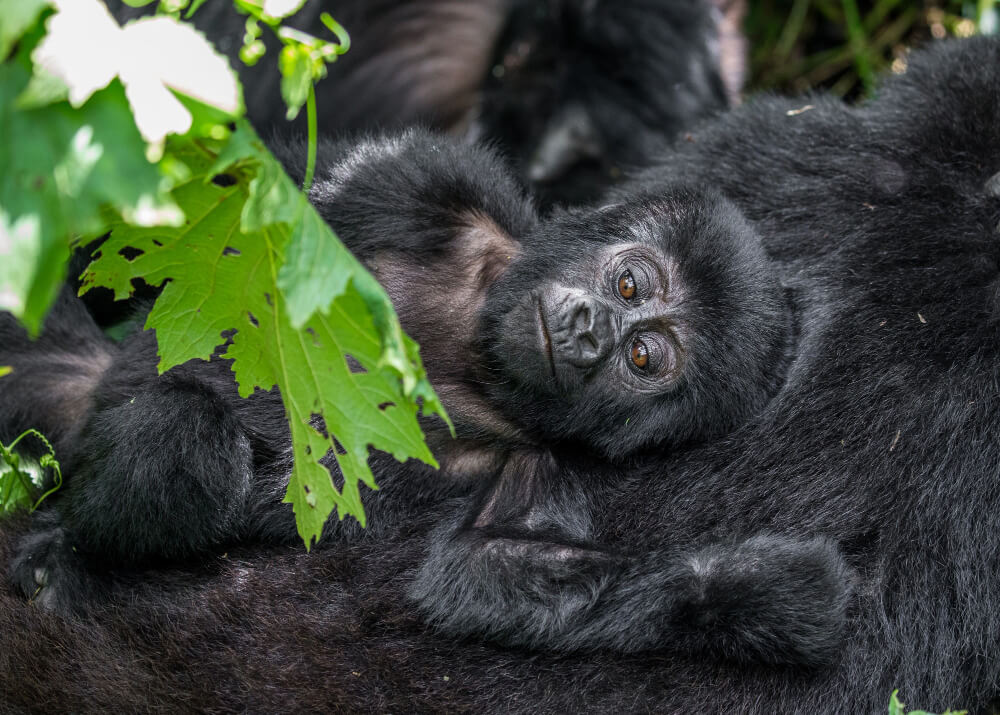
Explore Rwanda's gorillas, golden monkeys, tea plantations and cultural sites on this top 7-day Rwanda safari.

Trek mountain gorillas and golden monkeys through Rwanda's volcanic Virunga forests on this 5-day Rwanda trip.
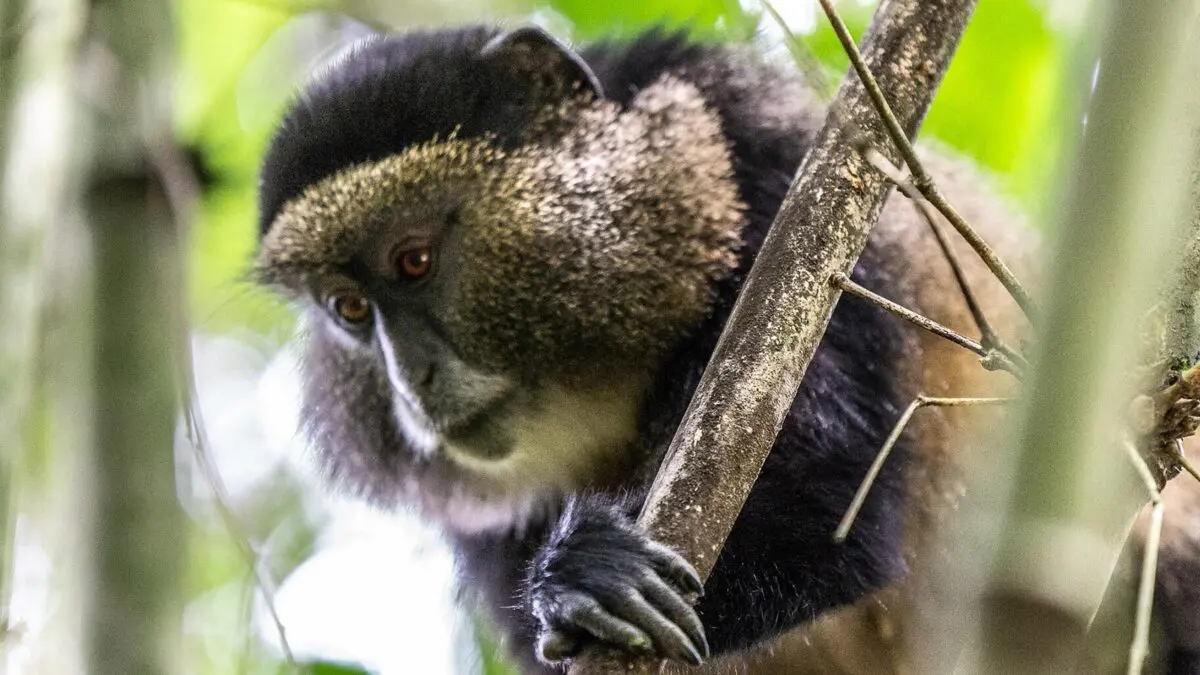
Trek Rwanda gorillas and golden monkeys through Volcanoes National Park on this rewarding 4-day Rwanda safari.
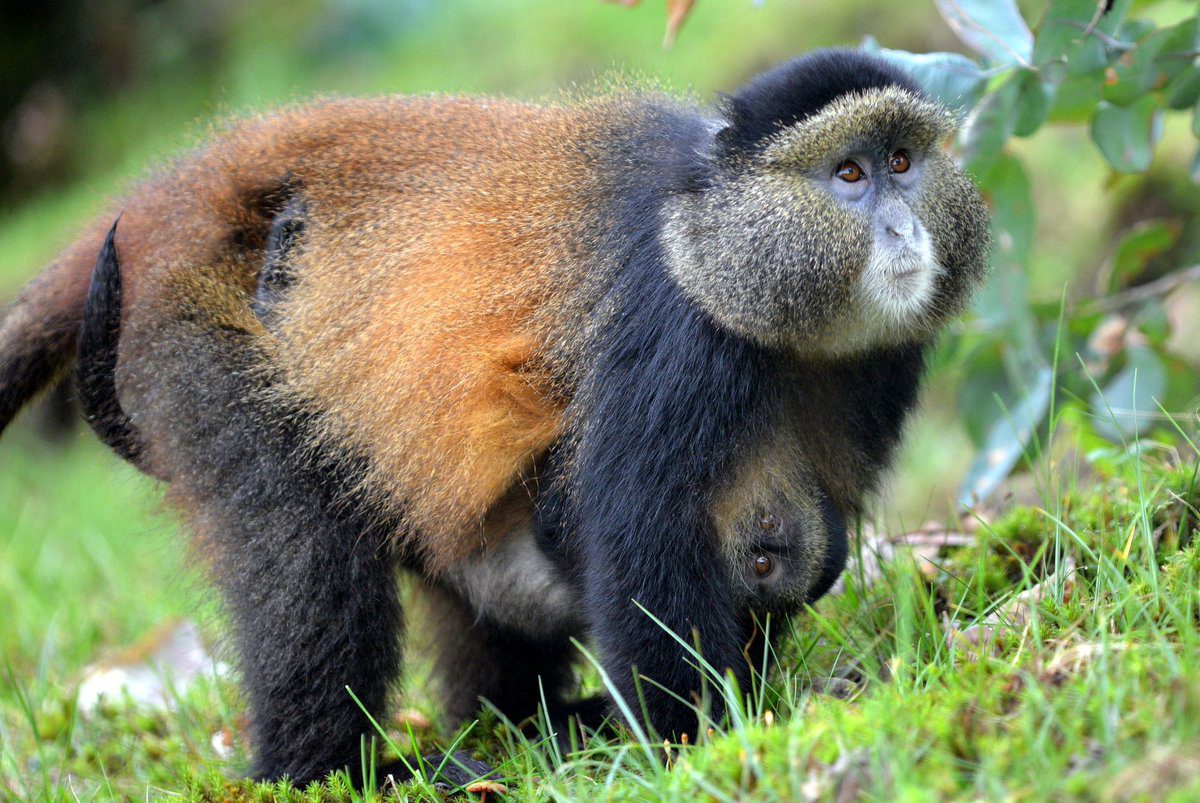
Meet mountain gorillas and golden monkeys in Volcanoes Park on this compact and superb 3-day Rwanda tour trip.

Trek Rwanda gorillas and track golden monkeys and colorful primates on this wildlife-rich 7-day Rwanda safari.

Trek mountain gorillas and track chimps and primates in Rwanda's volcanic forests on this 5-day Rwanda safari.
Rwanda Gorilla Trekking Experience
Where Does Gorilla Trekking Take Place in Rwanda?
Gorilla trekking in Rwanda takes place in Volcanoes National Park, located in the country's northern region near the town of Musanze. The park is dominated by a chain of spectacular volcanic mountains that form part of the Virunga volcanic range.
The scenery is one of the attractions of the experience. The mountains rise dramatically above the surrounding countryside, while the lower slopes are covered with cultivated farmland and communities. As you approach the national park, the landscape gradually changes, with dense vegetation creating the feeling that you are entering a completely different world.
Volcanoes National Park is particularly famous for its population of endangered mountain gorillas. It is also associated with the pioneering conservation work of Dian Fossey, whose research and protection efforts brought international attention to the gorillas of the Virunga region.
The forest itself is not always the stereotypical tropical jungle that some first-time visitors imagine. Depending on the location of the gorilla family and the altitude, trekkers may pass through bamboo forests, dense vegetation, open sections of montane forest, and areas where the terrain becomes steep and muddy.
This changing environment is part of what makes the experience exciting. You are not guaranteed a simple trail leading directly to the gorillas. Instead, trackers and guides work together to determine where the animals have moved and lead visitors through the forest.
What Is the Rwanda Gorilla Trekking Experience Really Like?
The experience usually begins early in the morning. Trekkers arrive at the park headquarters for registration and briefing before being assigned to a gorilla family. The briefing is important because mountain gorillas are wild animals and their behavior must be respected throughout the encounter.
After the briefing, you begin the journey toward the forest. Depending on the location of the gorilla family, the drive or walk to the starting point can vary. Some groups may be relatively close to the park boundary, while others can require a longer trek.
Once the actual hike begins, the character of the adventure changes. The roads and organized tourist areas disappear, and you begin moving through natural vegetation. Your guide and trackers take the lead while the rest of the group follows.
The trackers are particularly important because they are familiar with the behavior and movements of the gorilla families. They use information from earlier sightings and signs left by the animals to determine where the gorillas are likely to be.
The trek can take a relatively short time or several hours. There is no fixed duration because gorillas move through their natural habitat rather than remaining in one location for tourists. A family that was in one area the previous evening may have moved considerably by morning.
This uncertainty is part of the adventure. You may walk uphill, cross muddy sections, squeeze between vegetation, and stop several times while trackers assess the direction the gorillas have taken.
Then comes the moment many travelers have been waiting for.
You may suddenly hear branches moving nearby. Your guide may quietly signal that the gorillas are close. As you approach, the dense vegetation begins to reveal shapes moving through the forest.
Seeing a mountain gorilla in its natural environment is completely different from seeing one in a zoo or enclosure. You are entering their world, and they continue behaving according to their own social structure and daily routines.
The First Moment You See a Mountain Gorilla
For many visitors, the first gorilla sighting is an emotional moment.
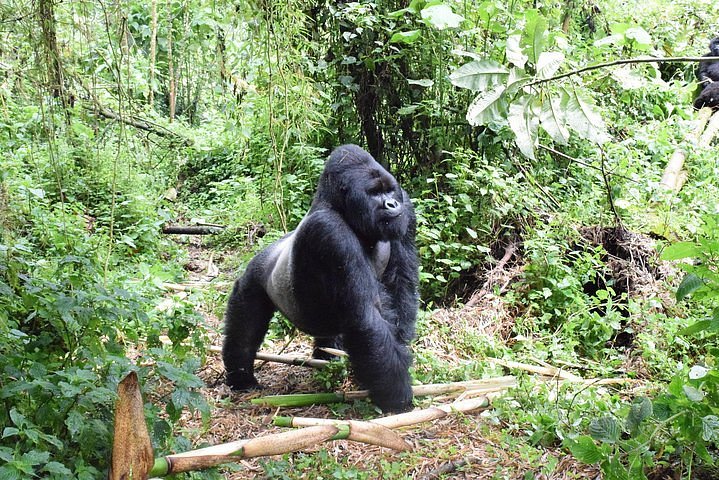
You might initially see only a dark shape behind leaves. Then you notice the face, the hands, the enormous shoulders, or the distinctive silver hair of a mature male. Suddenly, an animal that you have seen only in documentaries or photographs is standing in front of you.
The reaction varies from person to person. Some visitors become extremely excited, while others become quiet because they are overwhelmed by the experience.
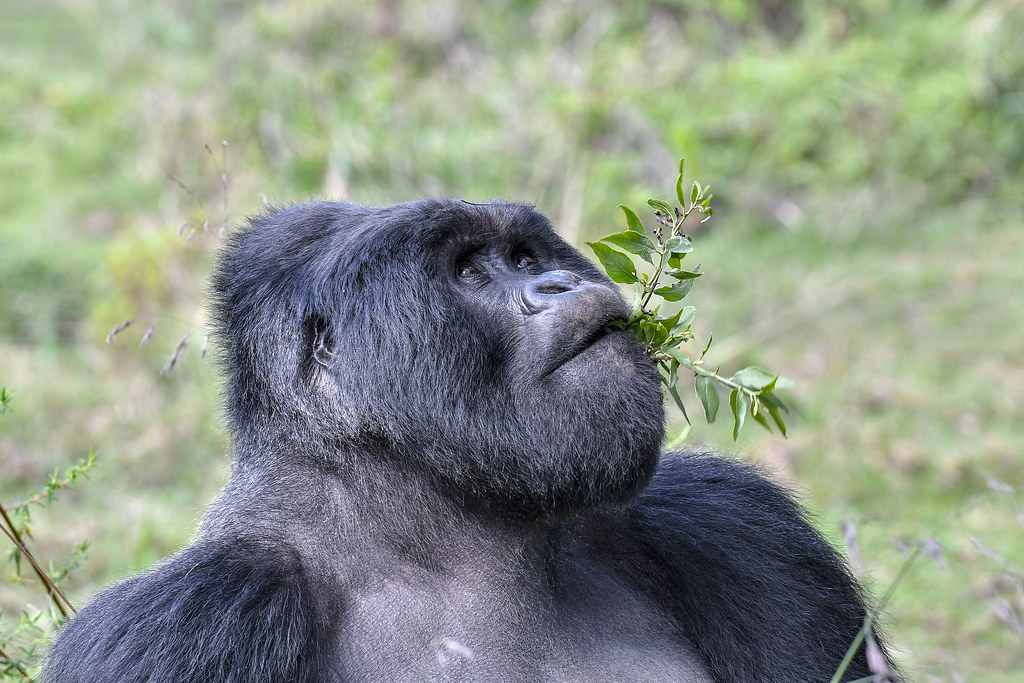
Mountain gorillas are powerful animals, but they are also highly social and intelligent. Watching a family interact provides an opportunity to see behaviors that are impossible to understand fully from photographs.
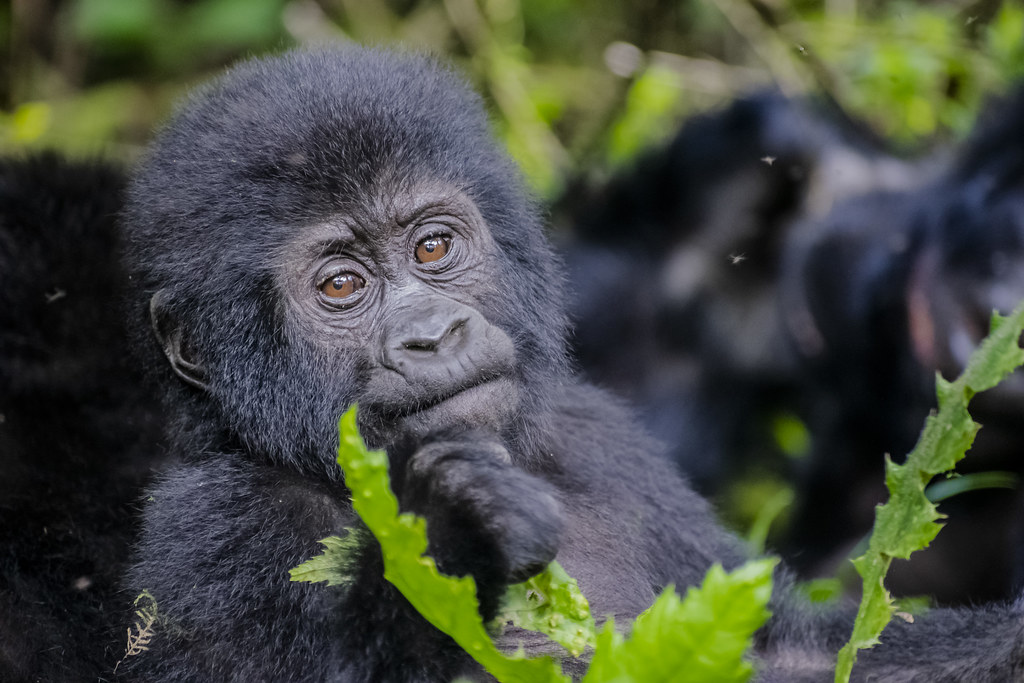
Young gorillas may climb, wrestle, roll around, or play with one another. Mothers may hold their babies close. Adults may feed quietly on vegetation. A silverback may sit in a commanding position while keeping an eye on the rest of the family.
Sometimes a gorilla may come closer to the visitors. In such moments, following the guide's instructions is essential. You should remain calm, avoid sudden movements, and never attempt to touch the animal.
Spending Time with the Gorilla Family
One of the most valuable parts of the Rwanda gorilla trekking experience is the limited time spent observing the family.
The encounter is not designed around entertainment. The objective is to observe the gorillas while causing as little disturbance as possible.
During this period, you can watch the family members interact naturally. The longer you observe them, the more you begin to notice individual personalities and relationships.
A young gorilla may constantly move around the group while another remains close to its mother. A silverback may appear relaxed one moment and suddenly become alert when another sound comes from the forest. Other adults may feed quietly without paying much attention to the visitors.
This is what makes gorilla trekking different from many traditional wildlife viewing experiences. You are not simply searching for an animal and taking a photograph before moving on. You are given an opportunity to observe a complex social group in its natural environment.
How Difficult Is Gorilla Trekking in Rwanda?
The difficulty of the trek varies considerably.
Volcanoes National Park is located in a mountainous region, so visitors should be prepared for uneven terrain, steep slopes, slippery trails, and changing weather conditions. The actual difficulty depends largely on where the gorilla family is located on the day of the trek.
Some travelers may find their gorilla family after a relatively manageable hike. Others may need to walk for several hours through challenging terrain.
Fitness therefore plays an important role, but you do not need to be an elite athlete to participate. People with different levels of fitness take part in gorilla trekking. The key is to prepare appropriately and communicate honestly with your tour operator and guide.
Walking slowly is perfectly acceptable. The guides understand that visitors have different abilities, and the group can usually move according to the circumstances.
Good footwear is particularly important. Hiking boots with strong grip are useful because trails can become muddy and slippery, especially during rainy periods.
What Makes Rwanda Different From Other Gorilla Trekking Destinations?
Rwanda is one of the three countries where mountain gorilla trekking is available, alongside Uganda and the Democratic Republic of Congo.
One of Rwanda's major advantages is accessibility. Volcanoes National Park is relatively easy to reach from Kigali compared with some other gorilla trekking destinations. This makes Rwanda particularly attractive to travelers who have limited time but still want to include gorilla trekking in an African itinerary.
The infrastructure around the park is also well developed. Musanze provides accommodation, restaurants, services, and access to the park, while Kigali offers international connections and a wide range of hotels.
Rwanda also has a strong reputation for organized tourism and conservation. The gorilla experience is carefully regulated, helping reduce unnecessary pressure on the animals and their habitat.
However, Rwanda is not necessarily the best choice for every traveler. Uganda's Bwindi Impenetrable National Park offers a different forest environment and can provide a longer, more rugged trekking experience. The best destination depends on your budget, itinerary, preferred landscape, accommodation style, and overall African travel plans.
Meeting the Silverback
For many travelers, seeing a silverback is one of the highlights of the trek.
A silverback is a mature male gorilla recognized by the distinctive silver-colored hair across its back. These males can be incredibly powerful, but their role within the family is much more complex than simply being the strongest animal.
The silverback may protect the group, maintain order, respond to threats, and influence the movement of the family. Watching one interact with other gorillas provides a fascinating glimpse into the social structure of the species.
A silverback may sometimes stare directly toward visitors. This can feel intimidating because of its size and strength. However, your guide will help you understand appropriate behavior and maintain a safe distance.
One of the most important lessons of gorilla trekking is that the animals deserve respect rather than fear. They are wild animals, and their space should always be maintained.
Gorilla Trekking and Conservation
A Rwanda gorilla trekking experience is also an opportunity to contribute to conservation.
Mountain gorillas have faced serious threats over the decades, including habitat pressure, disease, human activity, and historical poaching. Conservation programs across the Virunga region have played an important role in protecting the species.
Tourism provides an economic reason to protect the gorillas and their habitat. Visitors generate revenue through permits, accommodation, transportation, guiding services, porters, food, and other tourism activities. These economic benefits can support conservation and local communities.
The relationship between tourism and conservation is therefore extremely important. When travelers visit responsibly, they become part of a system that gives the gorillas greater economic value alive and protected in their natural environment.
The Role of Local Guides and Trackers
The guides and trackers are among the most important people during a gorilla trek.
Trackers often enter the forest ahead of visitors and follow the movements of the gorilla families. They understand the terrain and recognize signs that may not be obvious to someone visiting the forest for the first time.
Guides then help visitors understand what they are seeing and ensure that the encounter follows the established rules.
Their knowledge can completely change the experience. Instead of simply looking at a group of gorillas, you begin to understand their behavior, relationships, movements, and individual characteristics.
Local porters can also be extremely helpful, particularly for travelers carrying backpacks or struggling with steep terrain. Hiring a porter can make the trek easier while also providing direct economic benefits to people living around the park.
What Should You Wear for Rwanda Gorilla Trekking?
Clothing should be chosen for comfort, protection, and changing forest conditions.
Long trousers and long-sleeved shirts are useful because they protect your legs and arms from vegetation and insects. Hiking boots with good traction are highly recommended because trails may be muddy and uneven.
A waterproof jacket is also useful. Weather around the Virunga mountains can change quickly, and rain can make the forest considerably more challenging.
Gloves can protect your hands when holding vegetation while moving through dense areas. A small backpack is useful for carrying water, snacks, rain protection, and personal items.
It is also wise to avoid wearing very bright clothing. Neutral colors tend to blend better into the forest and are generally more appropriate for wildlife experiences.
What Is the Best Time for Gorilla Trekking in Rwanda?
Gorilla trekking can be done throughout the year.
The drier periods are often preferred because trails may be easier to navigate and conditions can be more comfortable for hiking. However, the mountain environment can receive rain at almost any time.
The wetter periods can make trekking more challenging because paths may become muddy. At the same time, the forest can look incredibly lush and green, creating beautiful scenery.
There is therefore no single perfect month for every traveler. Your choice may depend on whether you prioritize easier trekking conditions, accommodation availability, overall travel plans, or combining gorilla trekking with other activities in Rwanda.
Combining Gorilla Trekking with Other Rwanda Experiences
A gorilla trek does not have to be your only activity in Rwanda.
Many travelers combine Volcanoes National Park with a broader Rwanda itinerary. Kigali is often the starting or ending point, providing opportunities to experience the country's capital and learn more about its history and culture.
Travelers can also explore Akagera National Park, where traditional wildlife safari experiences include opportunities to see elephants, lions, giraffes, zebras, hippos, and numerous bird species.
Nyungwe National Park provides another completely different experience, particularly for travelers interested in chimpanzee trekking, forest walks, and primates.
Combining these destinations creates a more complete picture of Rwanda. Instead of visiting only for gorillas, travelers can experience mountains, forests, savannah, wildlife, culture, and urban life.
Gorilla Trekking as a Once-in-a-Lifetime Experience
There are many wildlife experiences available across Africa, but gorilla trekking occupies a special place because of the closeness and intimacy of the encounter.
You are not watching a distant animal through binoculars from a safari vehicle. You are walking through its habitat and observing a family at close range.
The experience can also change your perception of gorillas. Their faces, expressions, movements, and social interactions make them remarkably relatable. Watching a mother care for an infant or young gorillas play can create an emotional connection that remains long after you leave the forest.
For some travelers, the most memorable part is the silverback. For others, it is a baby gorilla. Some remember the challenging hike, the mist around the volcanoes, or the silence of the forest before the gorillas appear.
Every trek is different because every gorilla family and every day in the forest is different.
Preparing Mentally for the Trek
Physical preparation is important, but mental preparation matters too.
You should enter the experience knowing that nature does not operate according to a fixed schedule. The gorillas may be close or far away. It may rain. You may become muddy. You may have to climb steep slopes. You may spend hours walking before finding the family.
That uncertainty should be considered part of the experience rather than a problem.
The reward is that the encounter is genuine. The gorillas are not performing for visitors. They are simply living their lives, and you have been given a rare opportunity to observe them.
Responsible Gorilla Trekking
Responsible tourism is essential when visiting mountain gorillas.
Visitors should follow the instructions of guides and park authorities, maintain the required distance, avoid loud noises, never feed the gorillas, and never attempt to touch them.
Health precautions are also important because gorillas can be vulnerable to human illnesses. Even common respiratory infections can potentially pose risks to closely related great apes. Travelers who are feeling unwell should follow the park's health guidance rather than putting the gorillas at risk.
Photography should also be respectful. Visitors should avoid using flash and should not allow photography to become more important than the welfare of the animals.
The best photograph is never worth disturbing a gorilla family.
Is Rwanda Gorilla Trekking Worth It?
For travelers who value wildlife, conservation, adventure, and meaningful encounters with nature, Rwanda gorilla trekking is absolutely a worthwhile experience.
The trek can be physically demanding and the permit represents a significant part of the overall trip budget, but the experience goes far beyond ordinary sightseeing.
You are entering a protected mountain ecosystem and encountering one of the world's most fascinating primates in its natural environment. The combination of the volcanic landscape, dense forest, expert trackers, local communities, and gorilla families creates an experience that is difficult to reproduce anywhere else.
For first-time visitors to Rwanda, gorilla trekking can become the central highlight of an African journey. For experienced safari travelers, it offers a completely different way of experiencing wildlife.
What you should know
The Rwanda gorilla trekking experience is an adventure built around patience, nature, conservation, and an extraordinary connection with wildlife. From the early morning briefing to the challenging hike through the volcanic forest and finally the moment when a gorilla family appears through the vegetation, every stage contributes to the experience.
The beauty of the trek is that you never know exactly what the forest will give you. You may encounter a playful young gorilla, watch a mother caring for her infant, observe several adults feeding peacefully, or find yourself standing at a respectful distance from an enormous silverback.
Beyond the photographs and memories, gorilla trekking provides travelers with a deeper understanding of why conservation matters. The survival of mountain gorillas depends not only on dedicated conservationists and governments but also on responsible tourism and the communities living around their habitat.
A journey to Volcanoes National Park is therefore more than a wildlife excursion. It is an opportunity to enter one of Africa's most extraordinary ecosystems, experience the lives of mountain gorillas up close, support conservation, and return home with a story that is likely to remain with you for years.
For anyone dreaming of seeing mountain gorillas in the wild, Rwanda offers an experience that combines adventure, breathtaking volcanic scenery, fascinating wildlife, and genuine human connection. The trek may challenge your legs, test your patience, and leave you covered in forest mud, but when you finally look into the eyes of a mountain gorilla, those challenges often become part of what makes the experience unforgettable.
What Our Travelers Enjoyed About Rwanda Gorilla Trekking Experience

Gorillas "Silverback"
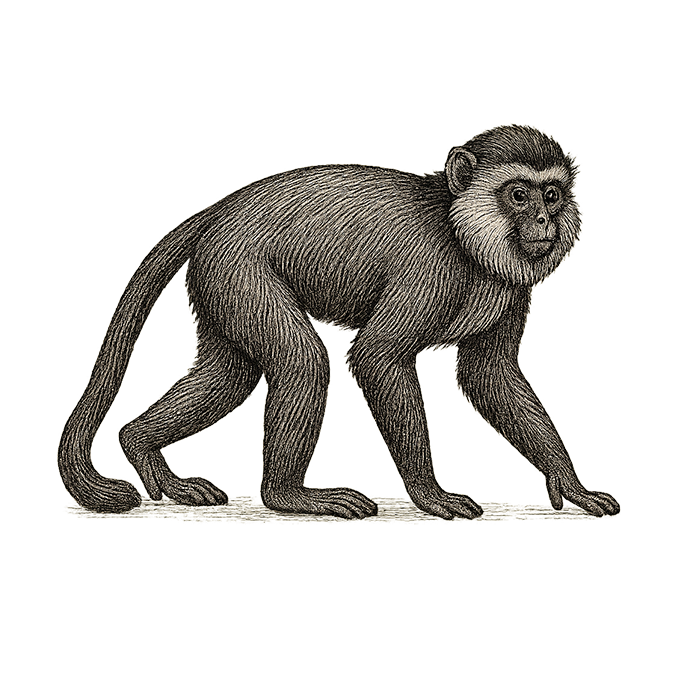
Golden Monkey "Photogenic"
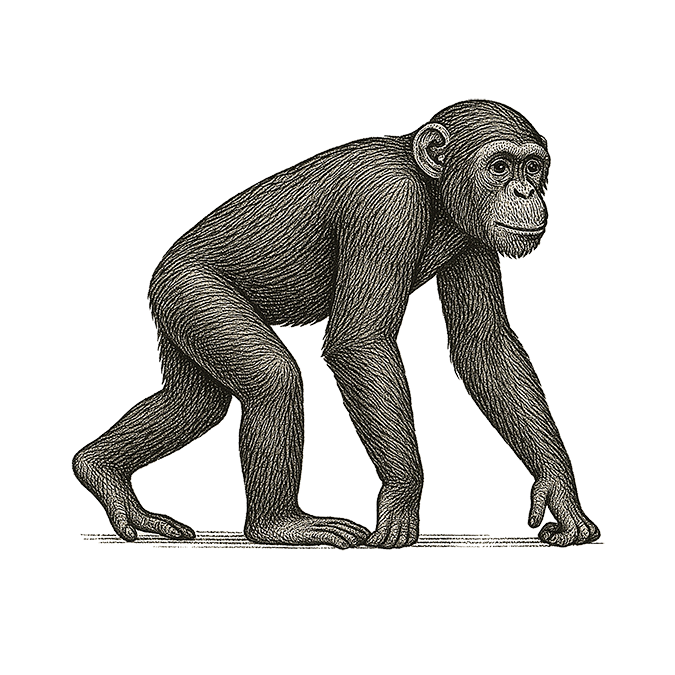
Chimpanzees "Pant-hoot"
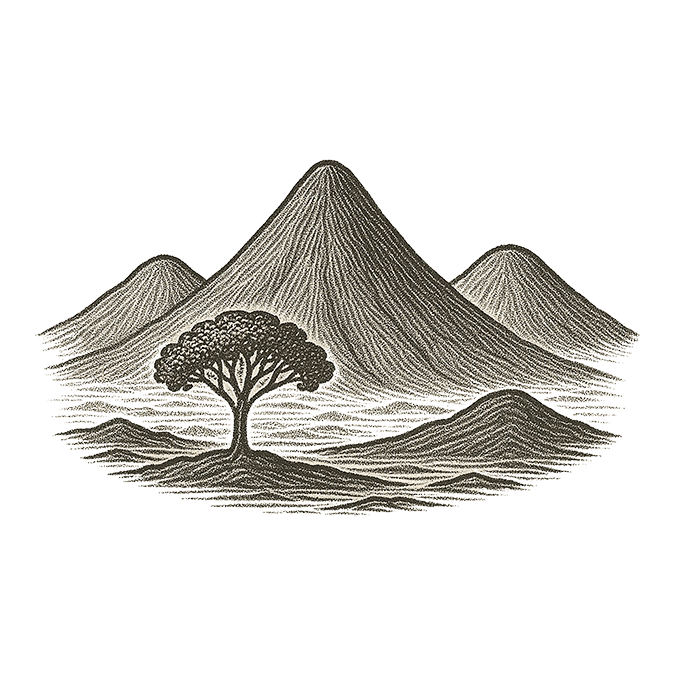
Volcanoes "Real Forest Africa"
Experience East Africa the Way It Was Meant to Be
Home /
Rwanda Gorilla Trekking Experience
Few wildlife experiences compare to the emotion, excitement and privilege of spending one unforgettable hour with a family of endangered mountain gorillas. A Uganda gorilla trekking experience is much more than a safari activity; it is an intimate journey into one of Africa's oldest rainforests, where every step through dense vegetation leads you closer to one of humanity's closest relatives. Uganda is home to more than half of the world's remaining mountain gorillas, making it the leading destination for gorilla trekking in Africa. Whether you are an experienced adventurer or embarking on your first safari, trekking through the mist-covered forests of Bwindi Impenetrable National Park or Mgahinga Gorilla National Park offers memories that last a lifetime. The experience combines breathtaking scenery, physical adventure, conservation and a rare opportunity to observe gorillas behaving naturally in their own habitat.
-
- UntamedUganda
Rwanda Gorilla Trekking Experience & Tours

Murchison Falls' classic activities based from a premium riverside lodge, with private transfers throughout.

Search for the shoebill stork among 450+ recorded species, with classic game drives built around the trip too.
A dedicated sunset game drive for peak predator activity, alongside the park's classic Nile boat cruise.
Cast for Nile perch below the falls, then spend an afternoon on a classic savannah game drive.

Uganda's only wild rhinos at Ziwa, chimpanzee trekking in Budongo, and classic Murchison Falls game drives.
A fast, efficient fly-in trip with a game drive and boat cruise to the base of the falls.

A longer, quieter Nile cruise downstream to the Delta on Lake Albert, known for strong shoebill stork sightings.
Hike to the top of Murchison Falls where the Nile forces through a narrow gorge, plus classic savannah game drives.

Skip the long drive with a direct flight to wherever the migration currently is, for a fast, high-value trip.
Follows the migration in the Serengeti while adding Ngorongoro Conservation Area for a genuine shot at the Big Five.

Witness roughly half a million wildebeest calves born within weeks of each other on the southern Serengeti's plains.
Based directly in the northern Serengeti near the Mara River during peak river-crossing season.

The migration's scale in the Serengeti paired with Ngorongoro Crater's density and reliability.

A focused Masai Mara trip timed to migration season, when the reserve holds one of the densest wildlife concentrations on Earth.
Extended time near known Mara River crossing points, chasing the migration's most dramatic single moment.

A migration-focused Serengeti safari with your route planned around where the herds are expected during your travel dates.

Kenya's classic Big Five circuit across three parks chosen specifically to maximize your chances of seeing all five.

A sunrise hot air balloon flight over the Mara plus classic Big Five game drives and a bush breakfast.

Private vehicles and extended golden-hour game drives, built specifically for photographers chasing the Big Five.

Extended Masai Mara game drives timed to migration season, without giving up your chances at the Big Five.
A quick weekend escape from Nairobi with two full game drives in one of the world's best-known reserves.
Uganda Gorilla Trekking Experience: The Ultimate Guide to an Unforgettable Encounter with Mountain Gorillas
Why Uganda Offers the Best Gorilla Trekking Experience
Uganda stands apart because of its incredible biodiversity, affordable gorilla permits compared to neighbouring destinations, and the diversity of landscapes that accompany every safari. Unlike a simple wildlife drive, gorilla trekking immerses visitors in ancient tropical forests filled with birds, butterflies, monkeys and unique plant species before reaching the gorillas themselves.
The country's commitment to conservation has also played a significant role in protecting these endangered primates. Revenue generated from gorilla permits supports wildlife protection, ranger patrols, veterinary care and local community projects. Every visitor directly contributes to preserving mountain gorillas for future generations.
The forests themselves create an atmosphere unlike anywhere else. Mist drifts through towering trees, vines hang across narrow trails, colourful birds sing overhead, and every footstep builds anticipation. By the time you finally stand just metres away from a silverback watching over his family, the entire journey feels incredibly rewarding.
Where Does the Gorilla Trekking Experience Take Place?
Bwindi Impenetrable National Park
Most visitors enjoy their Uganda gorilla trekking experience in Bwindi Impenetrable National Park. This UNESCO World Heritage Site contains one of Africa's oldest rainforests and hosts over twenty habituated gorilla families spread across four trekking regions.
Buhoma Sector
Buhoma is the oldest trekking sector and offers well-developed tourism facilities. The trails vary from moderate to challenging, while the surrounding scenery provides spectacular forest views.
Rushaga Sector
Rushaga contains the highest number of habituated gorilla families, giving visitors more trekking options and greater permit availability throughout the year.
Ruhija Sector
Located at higher elevations, Ruhija offers cooler temperatures, excellent birdwatching opportunities and rewarding forest hikes.
Nkuringo Sector
Nkuringo is famous for its dramatic mountain scenery and more challenging treks. Visitors who enjoy hiking often consider this one of the most rewarding sectors.
Mgahinga Gorilla National Park
Although smaller than Bwindi, Mgahinga Gorilla National Park provides an equally remarkable trekking experience. The park lies within the Virunga Volcanoes and offers magnificent views of volcanic peaks alongside opportunities to see golden monkeys.
Because there is only one habituated gorilla family in Mgahinga, the trekking experience often feels quieter and more exclusive.
Preparing for Your Uganda Gorilla Trekking Experience
Preparation begins long before arriving at the park headquarters. Trekking involves walking through uneven terrain, crossing streams, climbing hills and navigating thick vegetation. While some treks last only one or two hours, others can take six hours or more depending on where the gorilla family has travelled overnight.
Physical fitness certainly helps, but you do not need to be an athlete. Rangers adjust the pace according to the group, allowing frequent breaks whenever necessary.
Packing appropriate clothing significantly improves your comfort throughout the trek. Long trousers protect against stinging nettles, while waterproof hiking boots provide stability on muddy trails. A lightweight waterproof jacket is essential because rain can occur even during the dry season. Gardening gloves are surprisingly useful for gripping branches and pushing through dense vegetation.
The Morning of the Gorilla Trek
Your adventure begins before sunrise. Most lodges serve an early breakfast before guests travel to the designated park headquarters.
After registration, experienced Uganda Wildlife Authority rangers conduct a detailed briefing covering trekking rules, gorilla behaviour, conservation guidelines and safety procedures.
Visitors are then assigned to specific gorilla families based on factors including fitness levels, group size and language preferences. Each trekking group consists of a maximum of eight visitors, ensuring minimal disturbance to the gorillas.
Once assignments are complete, the journey into the rainforest begins.
Walking Through the Ancient Rainforest
The trek itself is an unforgettable part of the overall experience.
Your guides lead the way through dense forest while trackers communicate by radio with colleagues who have been monitoring the gorillas since dawn. Along the trail, you may encounter black-and-white colobus monkeys, L'Hoest's monkeys, forest elephants, colourful butterflies and hundreds of bird species.
The terrain constantly changes. One moment you are climbing steep ridges, the next you are descending muddy slopes or walking beneath enormous rainforest trees covered with moss and vines.
Every broken branch, fresh footprint or partially eaten plant provides clues that the gorillas are nearby. As anticipation builds, conversations gradually become whispers.
Meeting the Mountain Gorillas
Eventually your guide stops and quietly announces that the gorillas are just ahead.
Walking the final few metres often becomes one of the most emotional moments of the entire safari.
Suddenly, the forest opens and there they are.
A massive silverback sits calmly watching over his family while mothers gently nurse their infants. Young gorillas tumble playfully through the undergrowth, climbing trees and chasing one another with endless curiosity.
The silence is remarkable.
Unlike viewing wildlife from a safari vehicle, nothing separates you from the gorillas except a few metres of forest floor. Their expressive eyes, gentle movements and family interactions create an emotional connection that surprises many visitors.
Although visitors are permitted only one hour with the gorillas, time seems to pass incredibly quickly. Every minute reveals new behaviours, from feeding and grooming to playful interactions between juveniles and protective displays from the dominant silverback.
Professional photographers often describe this hour as one of the greatest wildlife photography opportunities anywhere in the world.
Gorilla Behaviour You May Witness
Every gorilla family behaves differently depending on weather, food availability and social interactions.
You may observe mothers carefully carrying tiny infants while older siblings play nearby. Juveniles frequently entertain visitors with energetic climbing and mock wrestling matches.
Adult females spend much of their day feeding, grooming and caring for young gorillas.
The silverback remains the family's protector and decision-maker. Despite his enormous strength, he usually displays remarkable calmness and patience. Only when he perceives potential danger does he perform warning displays such as chest beating or loud vocalisations, behaviours that are rarely directed towards respectful visitors.
How Difficult Is the Experience?
One of the most common questions concerns trekking difficulty.
The answer depends entirely on where the gorillas have travelled.
Some groups may be located only thirty minutes from the starting point, while others require several hours of hiking across steep hillsides.
Fortunately, guides continuously adjust the pace to suit participants.
Visitors requiring additional assistance may hire local porters, who not only carry backpacks but also provide support over slippery terrain. Hiring a porter also supports local livelihoods and community conservation initiatives.
Gorilla Trekking Rules Every Visitor Must Follow
Strict regulations help protect both visitors and mountain gorillas.
Visitors must maintain a safe viewing distance whenever possible and avoid direct physical contact. Flash photography is prohibited because it may disturb the gorillas. Anyone showing symptoms of contagious illness is not permitted to participate, as gorillas are highly susceptible to many human diseases.
Guests should remain quiet, follow ranger instructions at all times and never attempt to attract the gorillas' attention.
These rules ensure that tourism continues supporting conservation without negatively affecting the animals.
Best Time for a Uganda Gorilla Trekking Experience
Gorilla trekking is available throughout the year because mountain gorillas remain in the forests regardless of season.
The dry seasons, from June to September and December to February, generally offer easier hiking conditions with less muddy trails. These months are especially popular among international travellers.
Rainy seasons bring lush vegetation, fewer tourists and excellent photography opportunities. Although trails become more challenging, many experienced travellers appreciate the quieter atmosphere and vibrant rainforest scenery.
Because gorilla permits are limited, booking several months in advance is highly recommended regardless of travel season.
Wildlife Beyond Gorillas
A Uganda gorilla trekking safari often includes much more than gorillas alone.
Visitors commonly combine their trek with chimpanzee tracking, Big Five game drives, boat cruises along the Kazinga Channel, birdwatching excursions or cultural visits to local communities.
This variety allows travellers to experience Uganda's extraordinary biodiversity during a single safari.
Conservation Makes the Experience Possible
Every gorilla trekking permit contributes directly to protecting mountain gorillas and supporting neighbouring communities.
Conservation funding helps maintain ranger patrols, reduce poaching, monitor gorilla health and develop schools, healthcare facilities and sustainable tourism initiatives.
As gorilla populations have gradually increased over recent decades, Uganda has become a global example of how responsible tourism can contribute positively to endangered wildlife conservation.
When visitors purchase permits and follow trekking guidelines, they become active participants in preserving one of Earth's most remarkable species.
Tips for an Even Better Gorilla Trekking Experience
Starting the trek well rested and properly hydrated makes the day much more enjoyable. Carrying sufficient drinking water and high-energy snacks helps maintain energy during longer hikes. Wearing neutral-coloured clothing blends naturally into the forest environment, while keeping camera equipment protected in waterproof bags ensures it remains safe during unexpected rain showers.
Listening carefully to ranger instructions not only enhances safety but also helps visitors understand gorilla behaviour and rainforest ecology throughout the journey. Rather than focusing solely on photography, taking moments to simply observe the gorillas without a camera often creates the strongest and most lasting memories.
Frequently Asked Questions About Uganda Gorilla Trekking Experience
Is gorilla trekking safe?
Yes. Treks are conducted by highly trained Uganda Wildlife Authority rangers and armed ranger escorts who prioritise visitor safety throughout the experience.
How close can you get to the gorillas?
Visitors are generally required to maintain a distance of approximately seven metres, although curious gorillas occasionally move closer on their own.
How long does the trek last?
Treks vary significantly depending on the gorillas' location and may last anywhere from one to eight hours, including the one-hour viewing period.
Can children participate?
Only visitors aged 15 years and above are permitted to participate in gorilla trekking.
Is the experience worth it?
For many travellers, gorilla trekking is not only the highlight of their Uganda safari but one of the greatest wildlife experiences of their lives.
What Our Travelers Enjoyed About Rwanda Gorilla Trekking Experience
Gorillas "Silverback"
Golden Monkey "Photogenic"
Chimpanzees "Pant-hoot"