


Kilimanjaro, Rwenzori, Virunga, and Beyond
Where Adventure Meets the Wild
Mountain climbing and hiking safaris represent one of Africa’s most powerful travel experiences. Unlike classic game-drive safaris, these journeys challenge both body and mind, combining dramatic landscapes, rich biodiversity, and deep cultural encounters. From snow-capped peaks near the equator to mist-covered volcanic ranges and alpine rainforests, Africa’s mountains offer adventure that is as transformative as it is breathtaking.
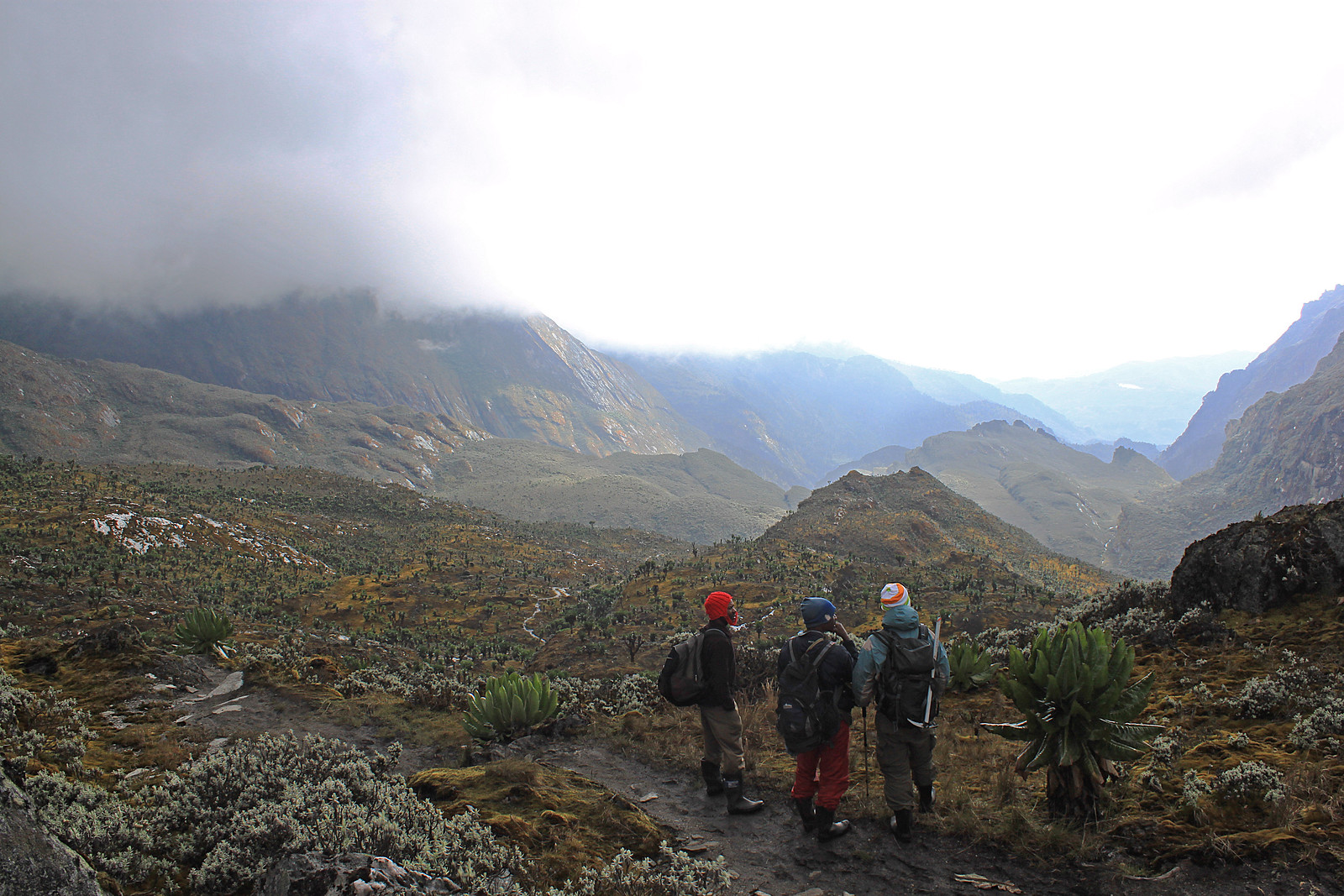
Iconic destinations such as Mount Kilimanjaro, Rwenzori Mountains, and the Virunga Mountains have elevated mountain safaris into bucket-list experiences for hikers, climbers, nature lovers, and adventure seekers from around the world.
What Is a Mountain Climbing & Hiking Safari?
A mountain climbing and hiking safari blends trekking, mountaineering, and nature exploration with traditional safari elements such as wildlife viewing, cultural encounters, and guided interpretation. These safaris focus on altitude, terrain, and endurance, but they also emphasize discovery—rare plant species, endemic wildlife, dramatic scenery, and human stories shaped by mountain life.
Unlike technical mountaineering expeditions, many African mountain safaris are designed for determined hikers rather than professional climbers. With proper preparation, experienced guides, and realistic pacing, they are accessible to a wide range of travelers.
Mount Kilimanjaro: Africa’s Highest Peak
Mount Kilimanjaro stands as Africa’s most famous climbing destination and the tallest free-standing mountain in the world. Rising to 5,895 meters, Kilimanjaro offers a unique trekking experience that passes through several climate zones, from tropical rainforest to alpine desert and icy summit.
One of Kilimanjaro’s greatest appeals is that it requires no technical climbing skills. Trekkers follow well-established routes supported by professional guides and porters, making it achievable for fit hikers with strong determination. The reward at the summit is unmatched: watching the sunrise over the African plains from Uhuru Peak is one of the most iconic moments in adventure travel.
Kilimanjaro climbing safaris are often combined with wildlife safaris in northern Tanzania, allowing travelers to transition from high-altitude trekking to classic savannah game drives.
The Rwenzori Mountains: The Mountains of the Moon
The Rwenzori Mountains offer one of Africa’s most challenging and rewarding hiking experiences. Known as the “Mountains of the Moon,” this range is famous for its dramatic scenery, glacial peaks, giant lobelias, moss-draped forests, and ever-changing weather.
Rwenzori trekking is a true expedition-style adventure. Trails pass through dense rainforest, bamboo zones, and alpine wetlands before reaching snow-capped summits. The experience is raw, remote, and deeply immersive, appealing to hikers who enjoy rugged terrain and fewer crowds.
Unlike Kilimanjaro, Rwenzori hikes often feel more exploratory, with wildlife encounters, river crossings, and technical sections that require ladders and careful footing. It is an ideal destination for adventurous hikers seeking authenticity and wilderness.
The Virunga Mountains: Hiking in Gorilla Country
The Virunga Mountains stretch across Uganda, Rwanda, and the Democratic Republic of Congo, forming a chain of ancient volcanoes cloaked in mist and rainforest. Hiking safaris here are unique because they combine mountain trekking with one of Africa’s most emotional wildlife experiences: gorilla trekking.
Hikes in the Virunga region range from day hikes on volcanic slopes to multi-day ascents of dormant volcanoes. Trails wind through bamboo forests, montane vegetation, and cloud forest ecosystems rich in birdlife and endemic species.
What makes the Virunga Mountains especially special is the opportunity to combine hiking with conservation-focused wildlife encounters. Trekkers often describe the experience as spiritual, blending physical challenge with profound moments of connection to nature.
Wildlife and Nature on Mountain Safaris
While mountain safaris focus on landscapes and hiking, wildlife remains an important part of the experience. Forest elephants, primates, antelope species, birds, and unique plant life thrive in mountain ecosystems. Alpine zones host rare flora found nowhere else on Earth, making these safaris particularly appealing to nature enthusiasts and photographers.
Birdwatchers are especially drawn to mountain regions due to the high concentration of endemic species. The transition between vegetation zones creates diverse habitats within short distances, offering constant visual and ecological variety.
Cultural Encounters Along the Trails
Mountain climbing and hiking safaris also provide insight into the cultures of highland communities. Local guides, porters, and cooks are often from nearby villages, bringing knowledge, stories, and traditions into the journey. Travelers learn how mountain communities adapt to altitude, climate, and isolation, gaining appreciation for resilience and local wisdom.
Cultural interactions often include village visits, traditional food experiences, and storytelling, adding depth and humanity to the adventure.
Best Time for Mountain Climbing & Hiking Safaris
Timing is critical for a successful mountain safari. Dry seasons generally offer safer trails, clearer views, and more predictable weather. For Kilimanjaro, January to March and June to October are popular climbing periods. Rwenzori trekking is best during drier months, though conditions can still be wet due to the region’s rainforest climate.
The Virunga Mountains can be visited year-round, but dry months provide better hiking conditions and easier wildlife tracking. Planning around weather patterns ensures both safety and enjoyment.
Who Should Choose a Mountain Safari?
Mountain climbing and hiking safaris are ideal for travelers who enjoy physical challenges, nature immersion, and personal achievement. They appeal to couples seeking shared adventure, solo travelers looking for transformation, photographers, and repeat safari visitors wanting something beyond traditional game drives.
These safaris reward patience, preparation, and mental resilience, offering emotional highs that extend far beyond the summit.
Adventure at Africa’s Highest and Wildest
Mountain climbing and hiking safaris reveal a different side of Africa—one defined by altitude, silence, endurance, and raw beauty. Whether standing on the summit of Kilimanjaro, navigating the wild terrain of the Rwenzori Mountains, or hiking through gorilla forests in the Virunga range, these journeys challenge travelers while offering deep rewards.
More than just physical achievements, Africa’s mountain safaris are journeys of perspective. They remind travelers of nature’s power, human resilience, and the profound connection between landscapes, wildlife, and culture. For those seeking adventure with meaning, mountain climbing and hiking safaris stand among Africa’s most unforgettable experiences.













