Activities in Semuliki National Park
Activities in Semuliki National Park: One of the less frequented national parks, Semuliki National Park offers unparalleled activities and attractions that are experienced in a wild and peaceful setting, attracting only those who wish to see Uganda’s most remarkable sights without having to visit the country’s most well-known tourist destinations.
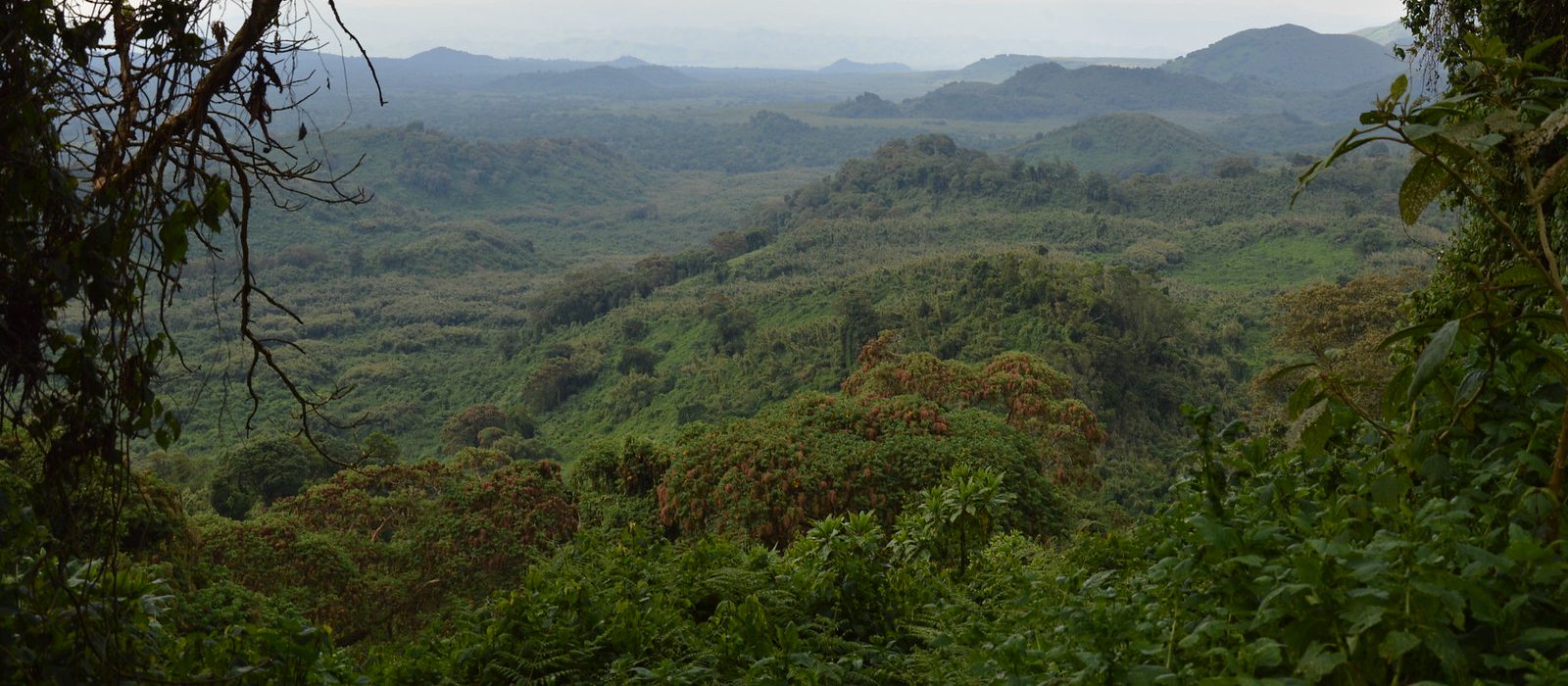
Those who want to see the best of Uganda while avoiding the most well-known, crowded area of the country are drawn to the valley. More specifically, the park is located in the Bundibugyo district near Fort Portal City, which is authorized by the easternmost extension of the stunning Ituri Forest of the Congo Basin.
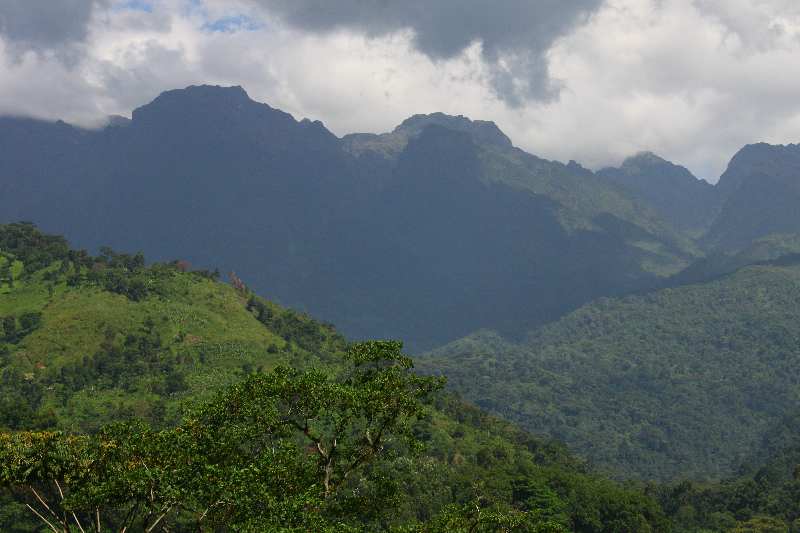
It is situated south of Lake Albert in Uganda, across the floor of the Semuliki Valley beneath the Kijura escarpment, and on the remote western side of the foothills of the Rwenzori Mountain rangers. It’s highly recommended that you see these stunning natural hot springs before leaving Uganda. There are two beautiful hot springs in the park, one for women and one for men. You can use the female springs to boil eggs and sweet potatoes for yourself.
One of Africa’s oldest and most biodiverse woods, the park has survived since the last ice age, which occurred between 12,000 and 18,000 years ago, and even beyond. It is situated in the Toro-Semuliki Wildlife Reserve, which is a mixed region of riverine forest and open savanna grassland. In addition to the national park’s darkness and physical age, the reserve offers a soft beauty despite the little number of visitors.
The 220 square kilometer Toro Semuliki National Reserve is situated between 670 and 760 meters above sea level. More specifically, the forest reserve was created in 1932 and became a national park in 1993.
Even though Uganda’s national parks are a lovely place to visit, Semuliki National Park is known for its many species that date back more than 25,000 years, which is proof of the ancient processes, such as the hot springs.
One of the park’s main attractions is the Sempaya hot springs, which rise from the ground to reveal the strong underground forces that have been sculpting the rift valley over the past 14 million years. However, it’s fascinating to note that Semuliki National Park is one of the few top birding destinations in Uganda, earning it the moniker “True Birders Paradise.”
There are approximately 441 bird species known to exist there, with 40% of them located in Uganda’s forests. With several routes that go to the Sempaya Hot Springs and through the ancient woodland and papyrus marshes for birdwatching, this park is one of the few that can be explored on foot.
Trekking with Chimpanzees in Toro-Semuliki Reserve
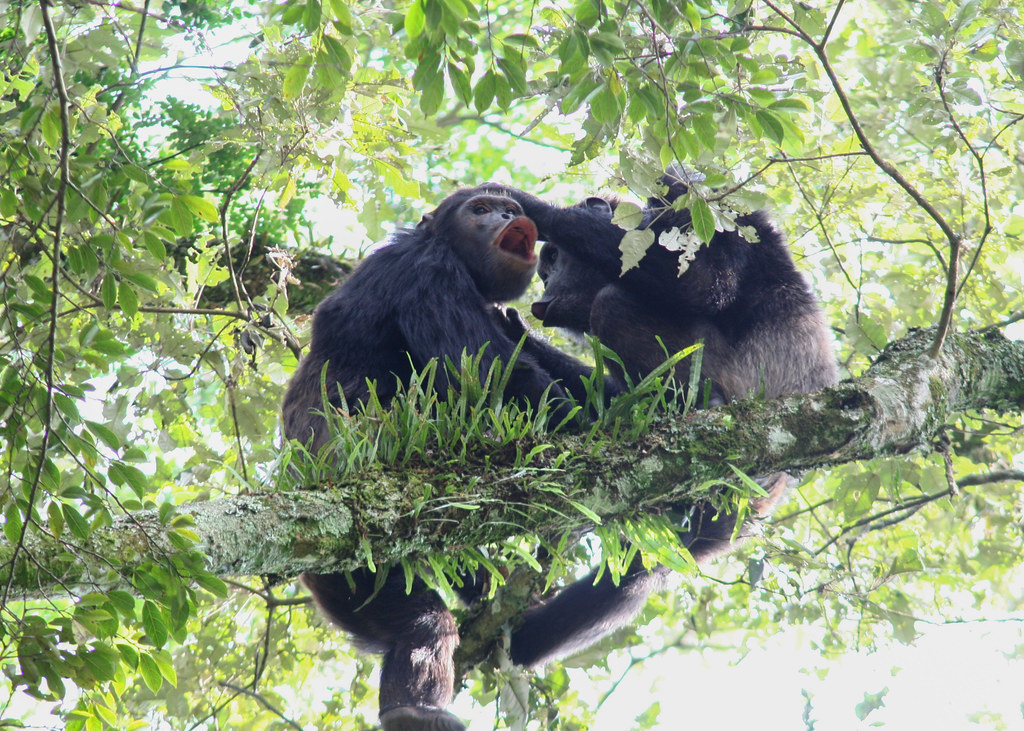
In contrast to chimpanzees in Kibale National Park in Uganda, Kyambura Gorge in Queen Elizabeth National Park, or Budongo forest in Murchison Falls National Park, trekking chimpanzees in Semuliki National Park is particularly intriguing because they live in a dry forest habitat.
In Semuliki, chimpanzees search far and wide for them. As a result, tourists shouldn’t anticipate finding them in their native habitat being simple, but if they are found, the experience is worthwhile.
Note: In order to determine the connection between chimpanzee habits and the evolution of a new species, the wildlife research program has put the population of chimpanzees through a process of habituation.
Researchers and park rangers will accompany you on your chimpanzee journey, guiding you along the primates’ paths through the forest.
Viewing wildlife in the Toro-Semuliki Wildlife Reserve
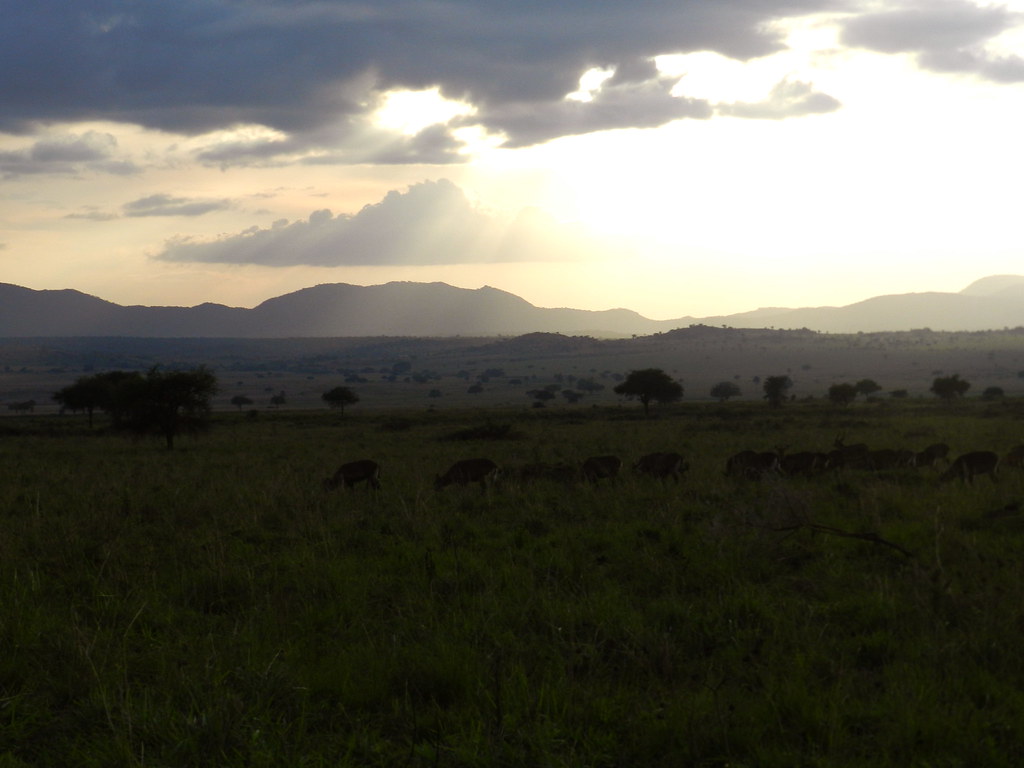
When visiting Semuliki National Park, this is one of the most popular activities. However, it is best enjoyed in the open grassland and river forest of Toro-Semuliki reserve, which was designated as a gazette to preserve the valley’s wildlife. According to the Uganda Wildlife Authority’s “UWA” gazette, the reserve is home to roughly 53 different animal species that can be observed on its three game drive routes.
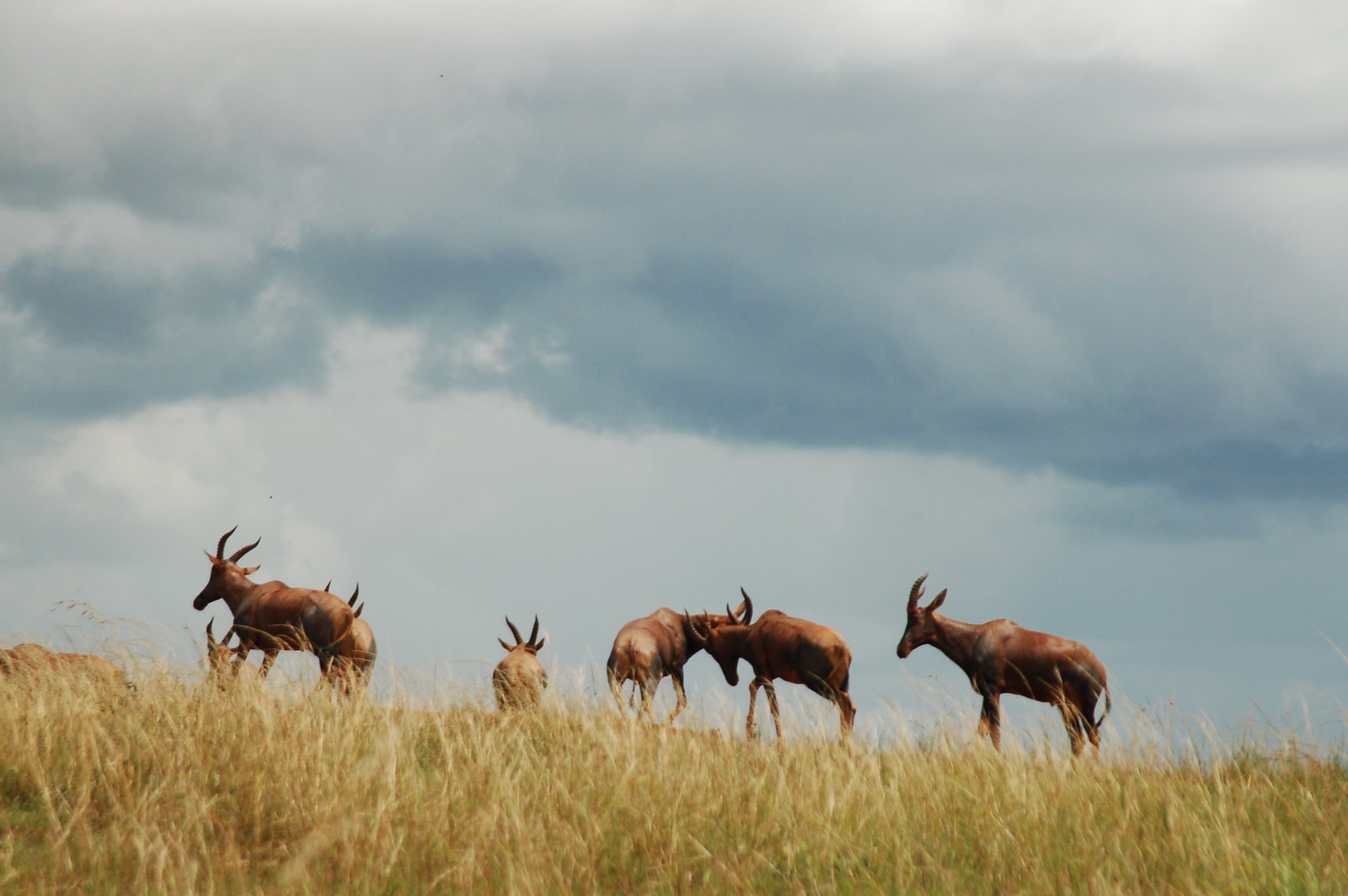
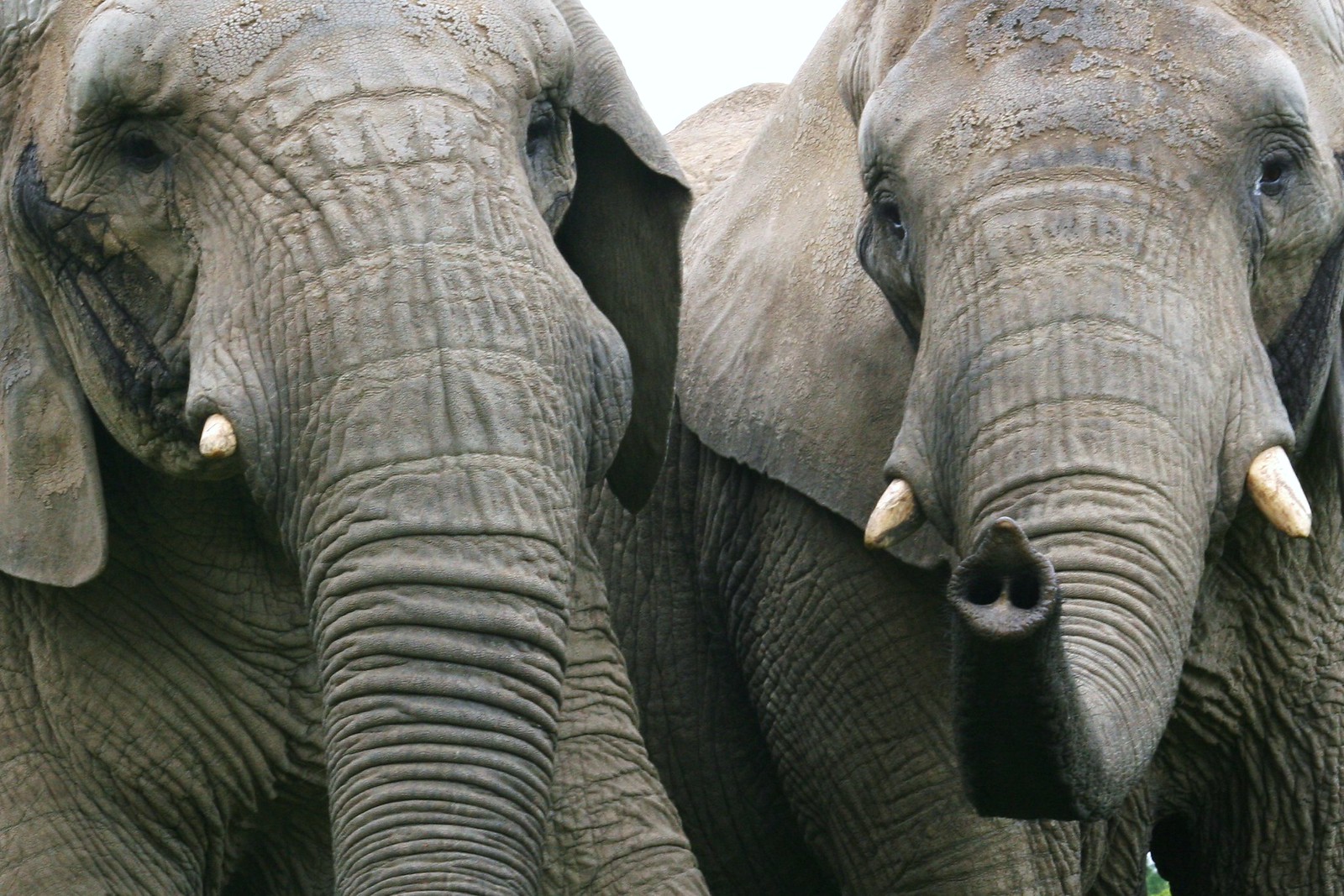
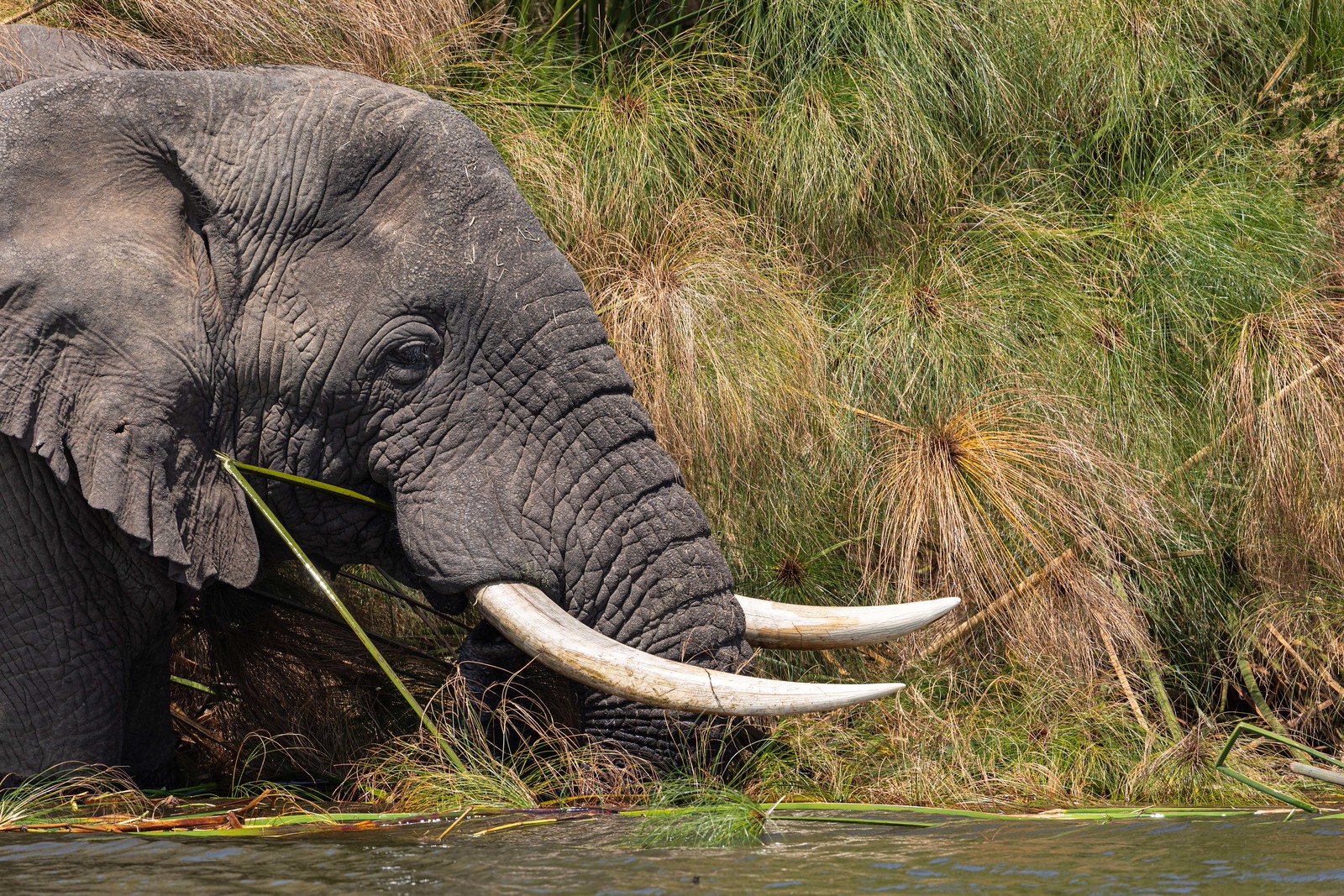
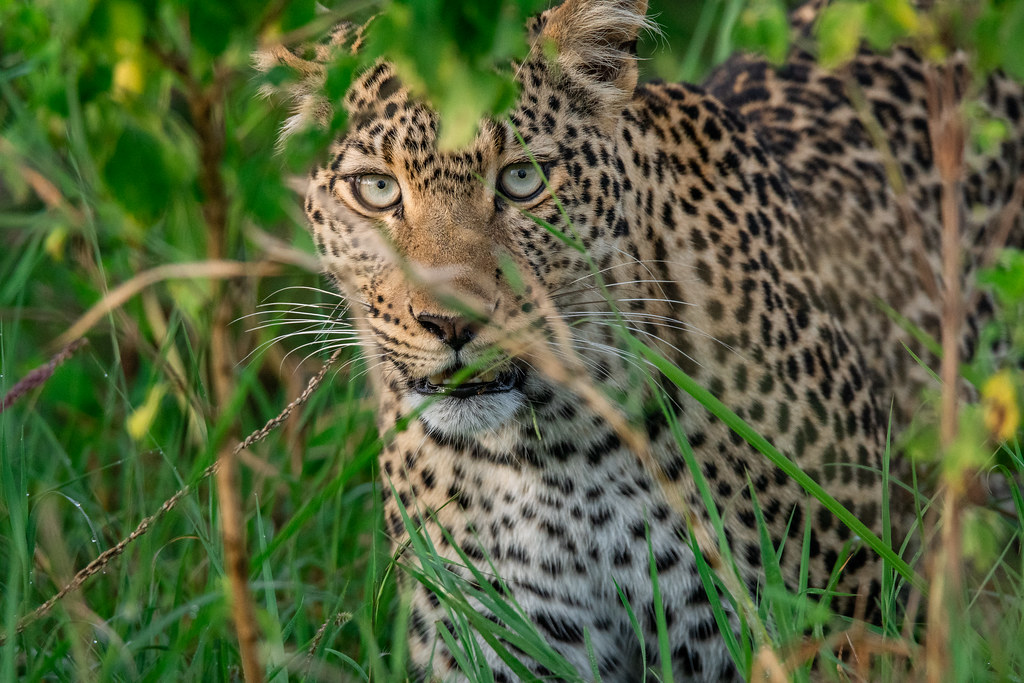
Elephants, buffaloes, waterbucks, warthogs, Uganda kobs, bush babies, Pygmy hippos, leopards, and hyenas are among the sights to behold when wildlife viewing in the reserve.
The greatest times to see game here are early in the morning, when the animals are more active. One of Uganda’s top locations for night game drives is Semuliki Wildlife Reserve, where you have a good chance of seeing nocturnal creatures.
Semuliki: Warm Springtime
This is one of the park’s primary tourist attractions, drawing large crowds of people there. Each of them has a unique natural feature and was fashioned into a male and female hot spring. There is always a park ranger tour on hand to explain the geographical association and cultural history of the hot springs.
Birdwatching in Semuliki National Park
With more than 441 distinct bird species, Semuliki National Park is undoubtedly a birder’s heaven. There are a number of fascinating paths that take you through various habitats and into the center of the forest to the Semuliki River. These trails are ideal for seeing primates and birds. Among the birds to see are the Western Bronze-napped Pigeon, Long-tailed Hawk, Nkulengu Rail, Spot-breasted Ibis, Piping Hornbill, White-bellied Kingfisher, Yellow-throated Cuckoo, and Black-throated Coucal.
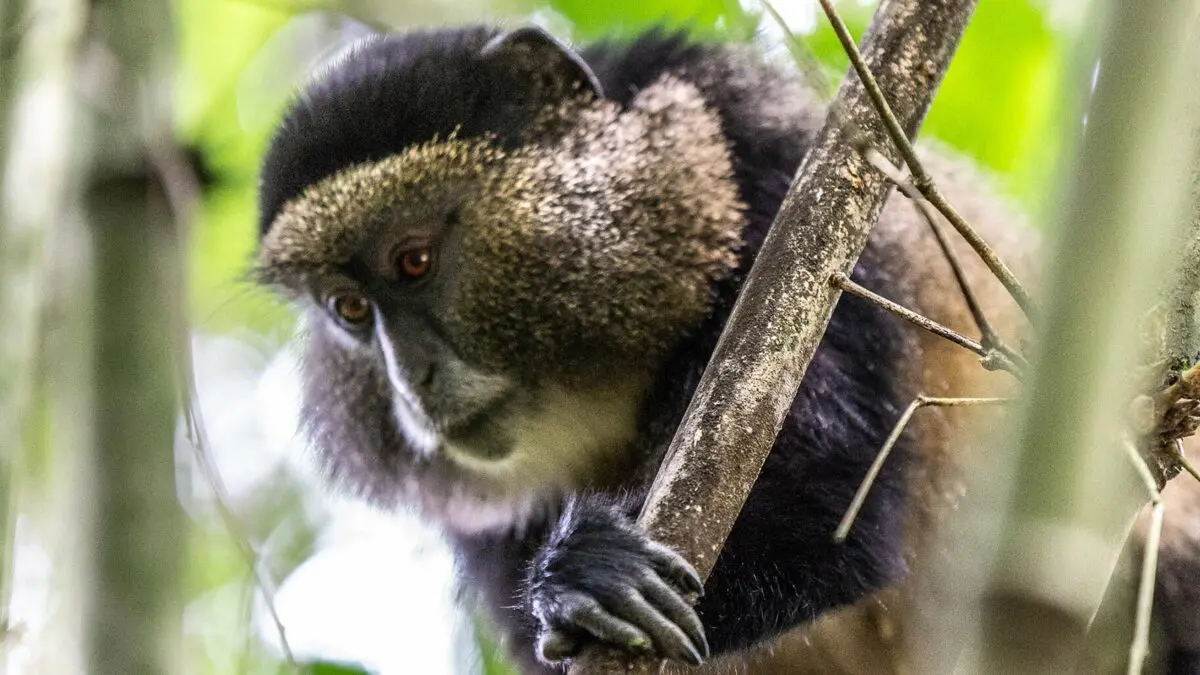
Chimpanzees, olive baboons, vervets, galagos, pottos, black and white colobus monkeys, blue monkeys, and red-tailed monkeys are among the primates that can be seen.
Nature hikes and walking trails
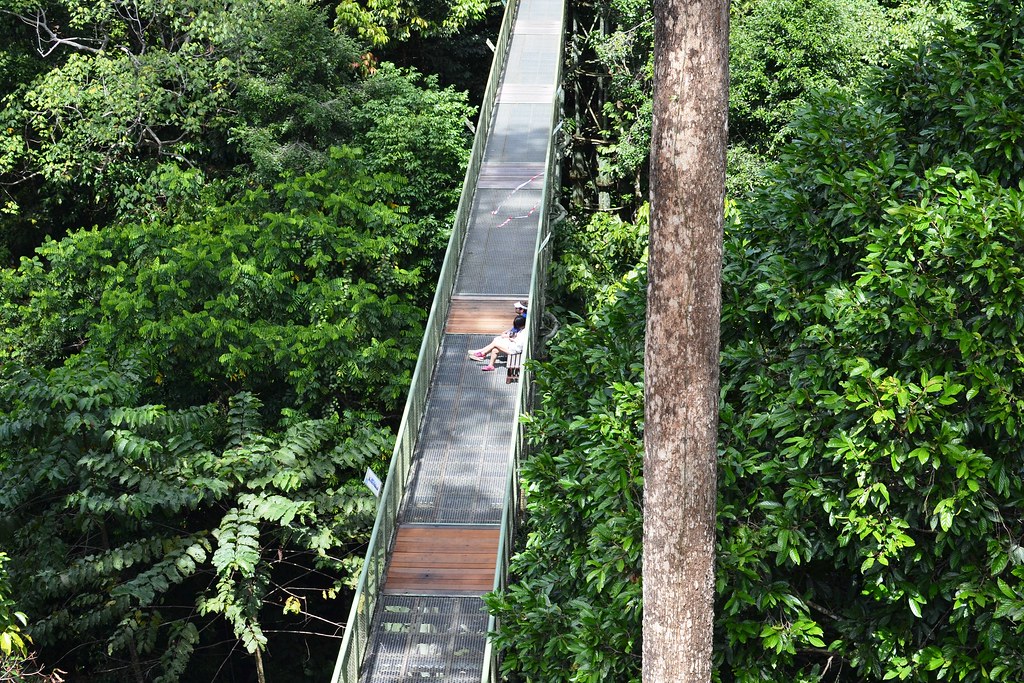
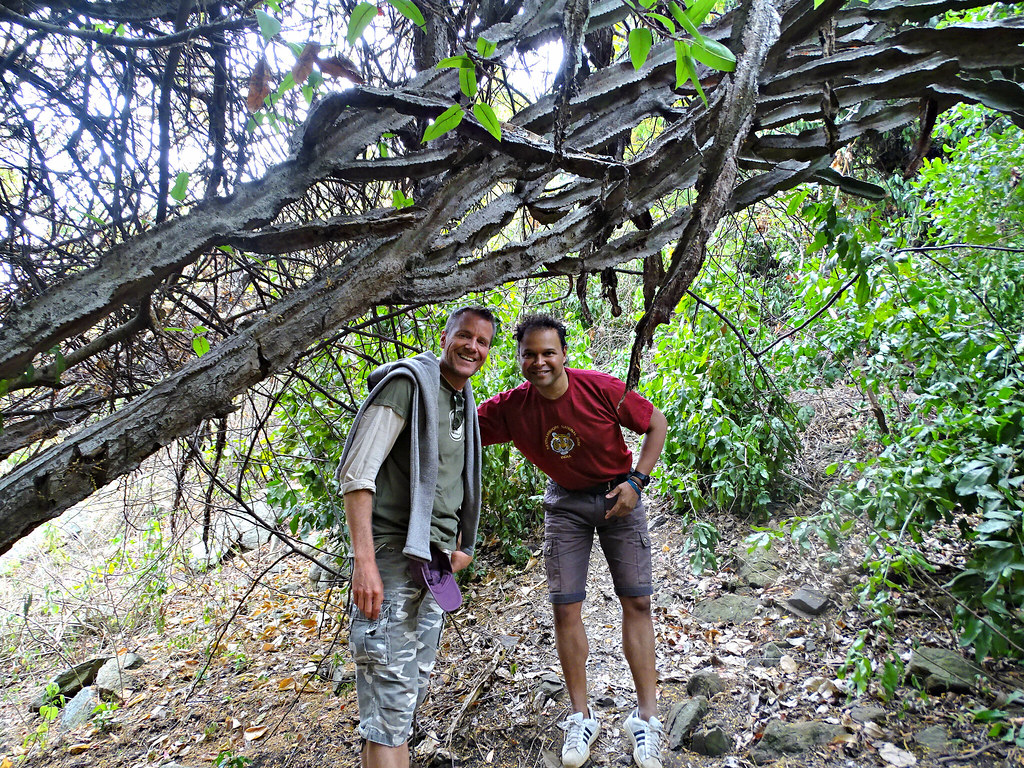
The park boasts a number of trails, including the 11-kilometer Red Monkey trail along the eastern edge to the Semuliki River and the Sempaya nature trails. Each trail offers a variety of forest features, including the opportunity to see different birds, primates, and lovely vegetation, as well as the opportunity to visit the hot springs. Between two and four hours may pass during the walking experience.
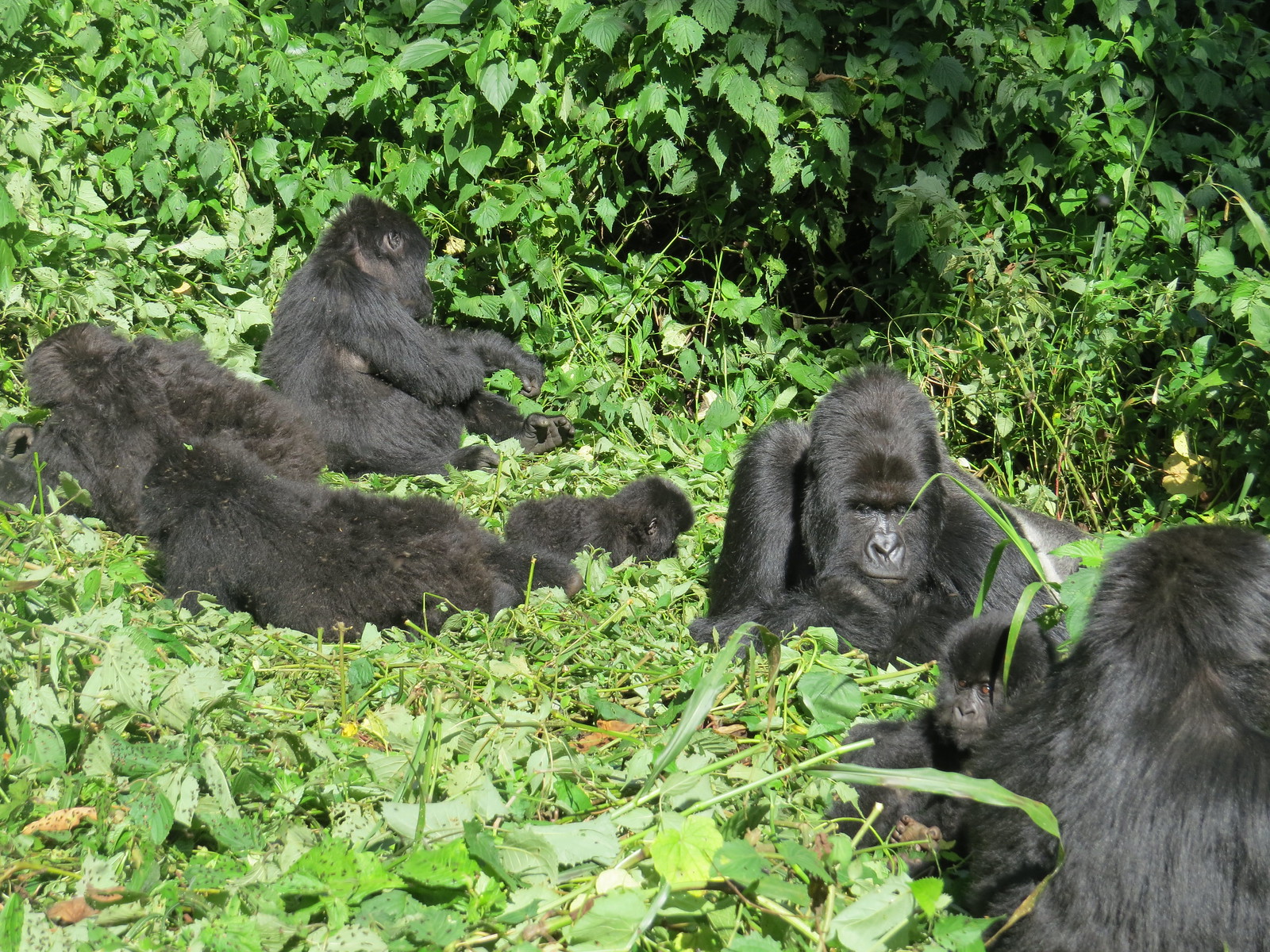
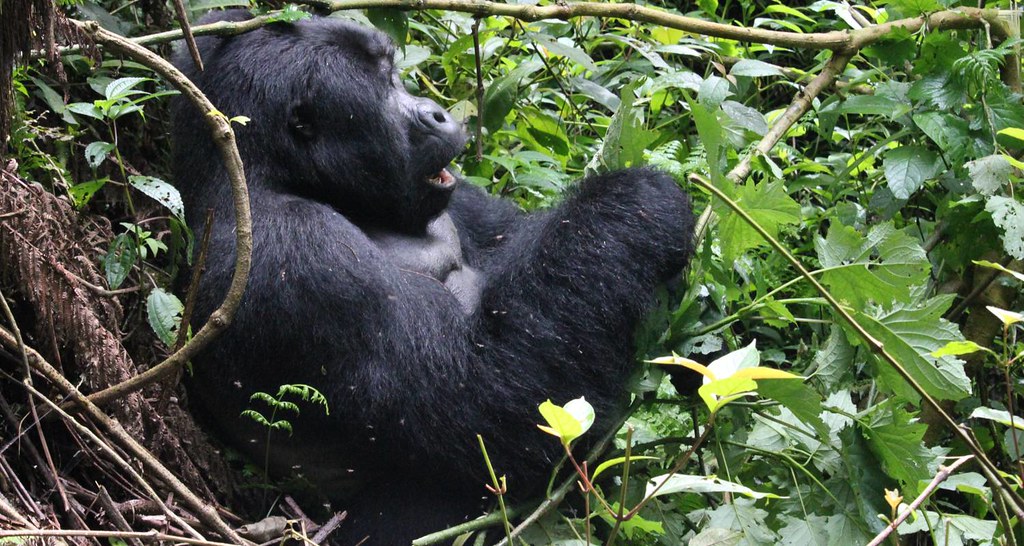
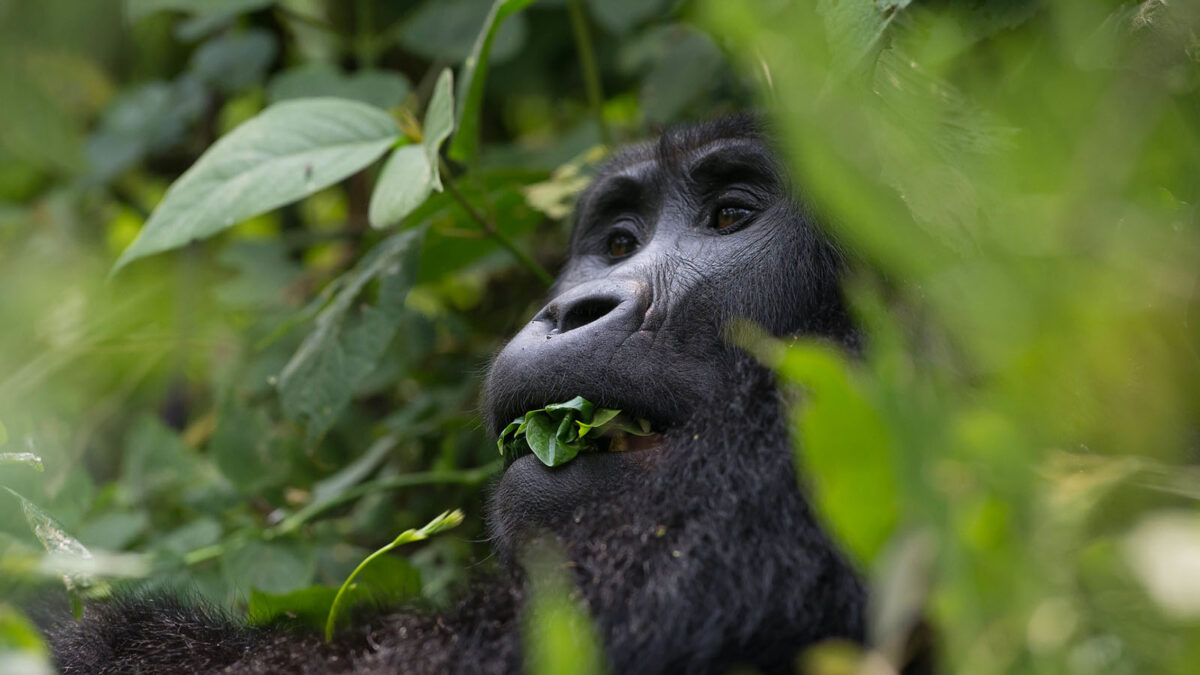
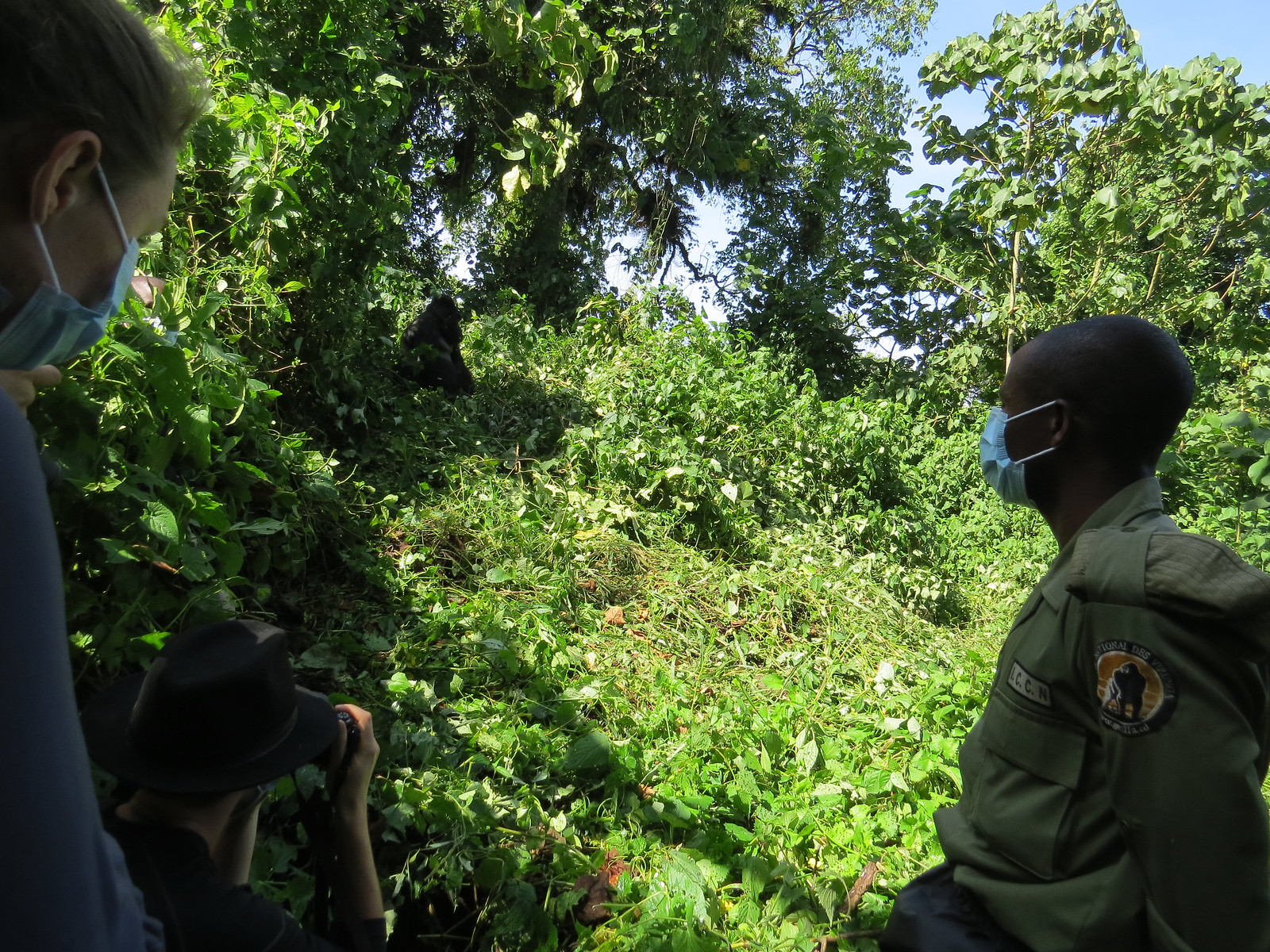
You can combine gorilla trekking in Bwindi Impenetrable National Park with the aforementioned activities in Semuliki National Park.
Recommended Tours: 9 Days Uganda Wildlife Safari | 7 Days Uganda Safari
Uganda Travel Guide — The Pearl of Africa
Uganda is one of Africa’s most rewarding and underrated destinations. Winston Churchill’s description of Uganda as the “Pearl of Africa” — inspired by its extraordinary combination of landscapes, wildlife, and people — remains as apt today as when he coined it in 1908. The country packs an astonishing range of experiences into a relatively compact area: snow-capped mountains, vast savannahs, dense tropical rainforests, the source of the Nile, and some of the world’s most remarkable wildlife.
Uganda shares borders with Kenya, Tanzania, Rwanda, the Democratic Republic of Congo, and South Sudan, and sits astride the equator in East-Central Africa. The capital, Kampala, is a vibrant, growing city that serves as the gateway to Uganda’s national parks. Most wildlife safaris begin and end in Kampala or at Entebbe International Airport, 45 minutes south of the city.
Uganda’s Key National Parks and Wildlife Areas
- Bwindi Impenetrable Forest: UNESCO World Heritage Site and home to over half the world’s mountain gorillas. Four trekking sectors: Buhoma, Ruhija, Rushaga, and Nkuringo.
- Queen Elizabeth National Park: Uganda’s most visited park, famous for tree-climbing lions in the Ishasha sector, boat cruises on the Kazinga Channel, and diverse savannah and forest habitats.
- Murchison Falls National Park: Uganda’s largest park, home to the world’s most powerful waterfall. Excellent for elephants, giraffes, buffalo, hippos, crocodiles, and shoebill storks on the Nile.
- Kibale Forest National Park: The world’s best chimpanzee trekking destination, also home to 12 other primate species and superb birdwatching.
- Kidepo Valley National Park: Uganda’s most remote and arguably most spectacular park, bordering South Sudan. Wild, untouched, and home to species found nowhere else in Uganda including cheetahs and caracals.
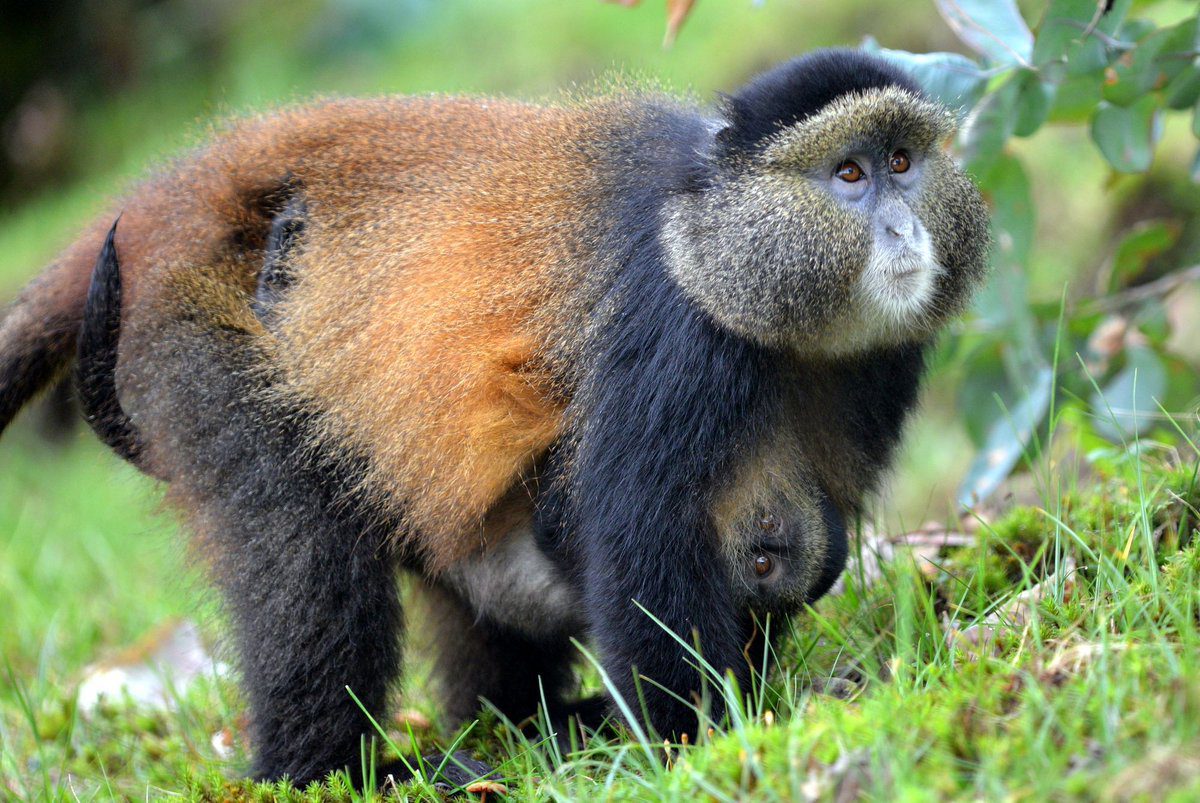
- Mgahinga Gorilla National Park: In the Virunga Mountains, offering gorilla trekking, golden monkey trekking, and volcano hiking in a compact, accessible park.
Practical Uganda Travel Information
Visa and entry requirements
Uganda offers an e-visa for most nationalities, applied online at visas.immigration.go.ug. East African Community citizens are exempt. The East Africa Tourist Visa (covering Uganda, Kenya, and Rwanda) is available at the point of entry. A yellow fever vaccination certificate is mandatory for entry.
Currency and costs
The Ugandan Shilling (UGX) is the local currency. USD is widely accepted in tourist areas. Mid-range safari lodges cost USD 150–350 per person per night. Budget accommodation in Kampala starts from USD 20–40. Gorilla permits (USD 800) are the single largest expense for most visitors.
Getting around Uganda
Most visitors use private safari vehicles (included in tour packages) or hire a driver-guide. Public minibus taxis (matatus) connect major towns but are not suitable for wildlife areas. Charter flights from Entebbe to Kihihi, Kisoro, Kasese, or Pakuba significantly reduce overland travel times on longer itineraries.
Explore More: Congo Safaris | Gorilla Trekking Guide | Virunga Volcanoes | Gorilla Trekking Permits
Contact Us – Ready to book your East Africa gorilla safari? Our team is here to help you plan the perfect trip.
Congo and Virunga National Park Safari Experiences
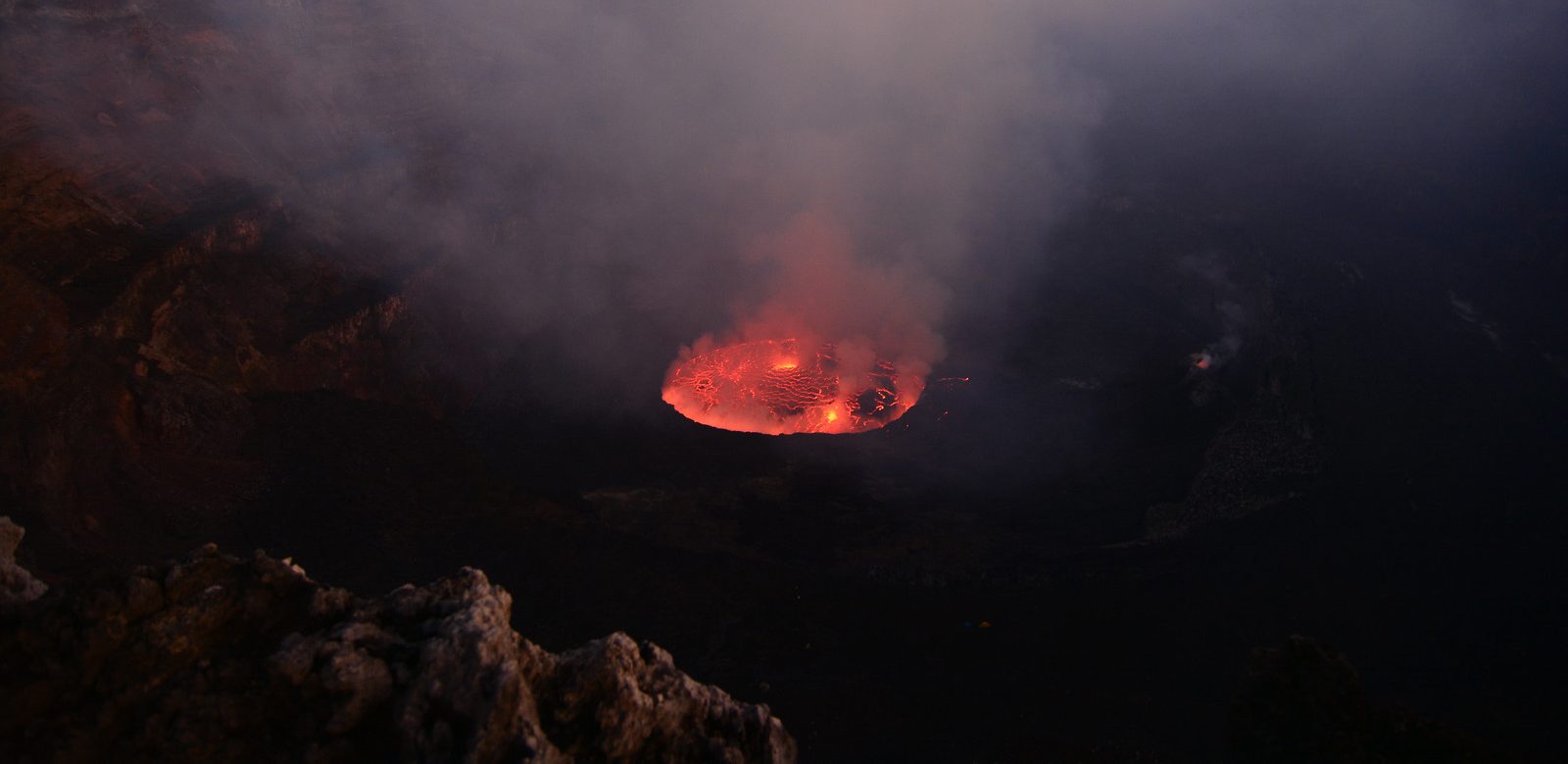
Virunga National Park in the DRC is Africa’s oldest national park and a UNESCO World Heritage Site, home to mountain gorillas, chimpanzees, and the world’s most active volcanoes. The Virunga Volcanoes including Nyiragongo – with its spectacular lava lake – offer thrilling hiking adventures. Mountain gorilla trekking in Virunga can be combined with Volcanoes National Park in Rwanda or Bwindi in Uganda. Conservation safaris directly support endangered species protection. Enjoy exceptional birding, chimpanzee trekking, and boat safaris on Lake Edward. Choose from luxury, camping, or group safari options. Trust East Africa Gorilla Safaris to arrange your Congo adventure safely.