Serengeti National Park, one of Africa’s most iconic destinations, offers an unparalleled array of activities for travelers seeking adventure, wildlife encounters, and a deep connection with nature. From the famous great migration to serene moments in the heart of the savannah, the Serengeti provides a wide range of experiences that cater to every kind of traveler. Whether you’re a first-time visitor or a seasoned explorer, understanding the top activities in Serengeti National Park will help you make the most of your visit to this extraordinary landscape.(Activities in Serengeti National)
game drives: The Heart of the Serengeti Experience
1. Morning and Afternoon game drives
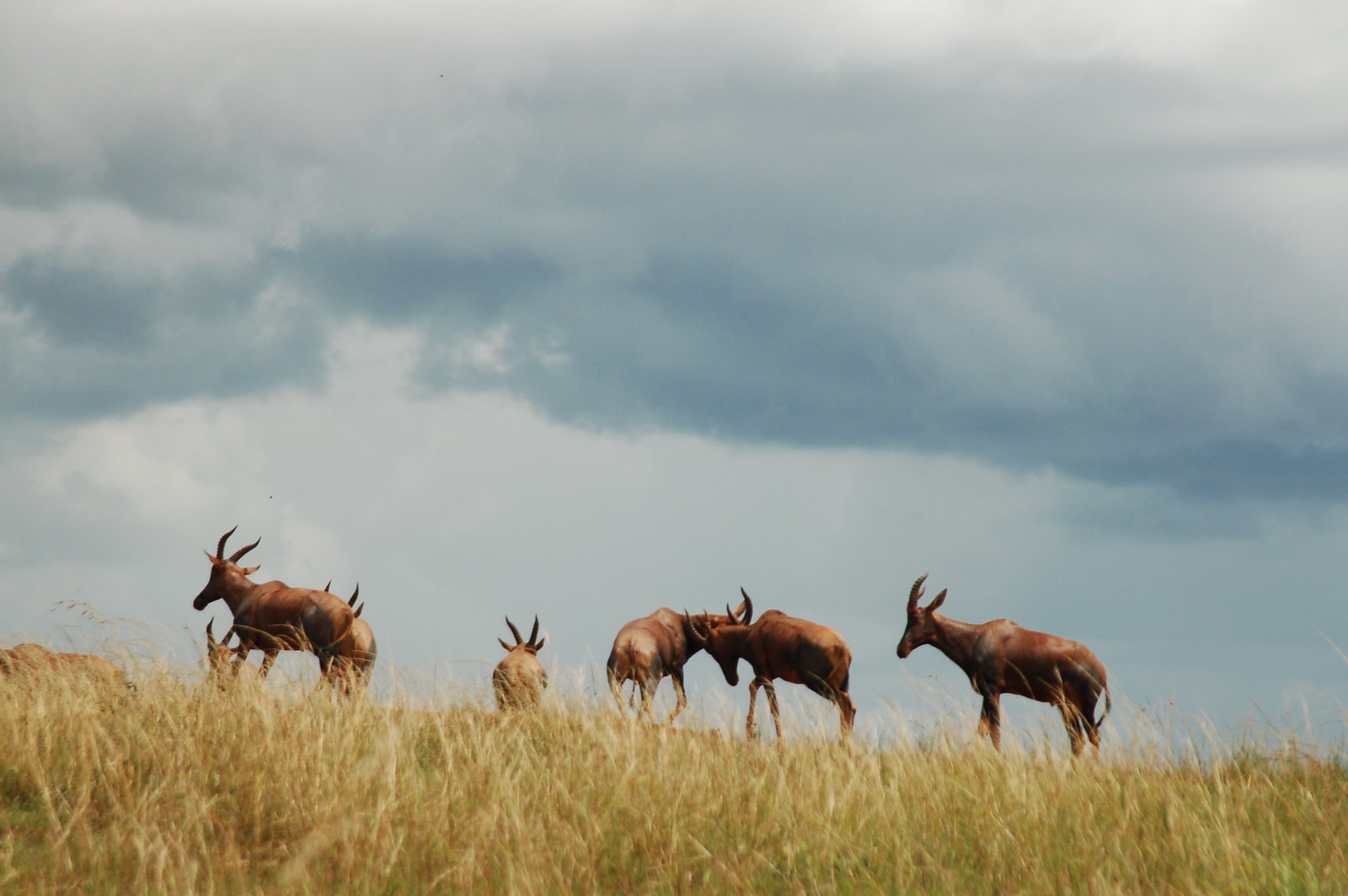
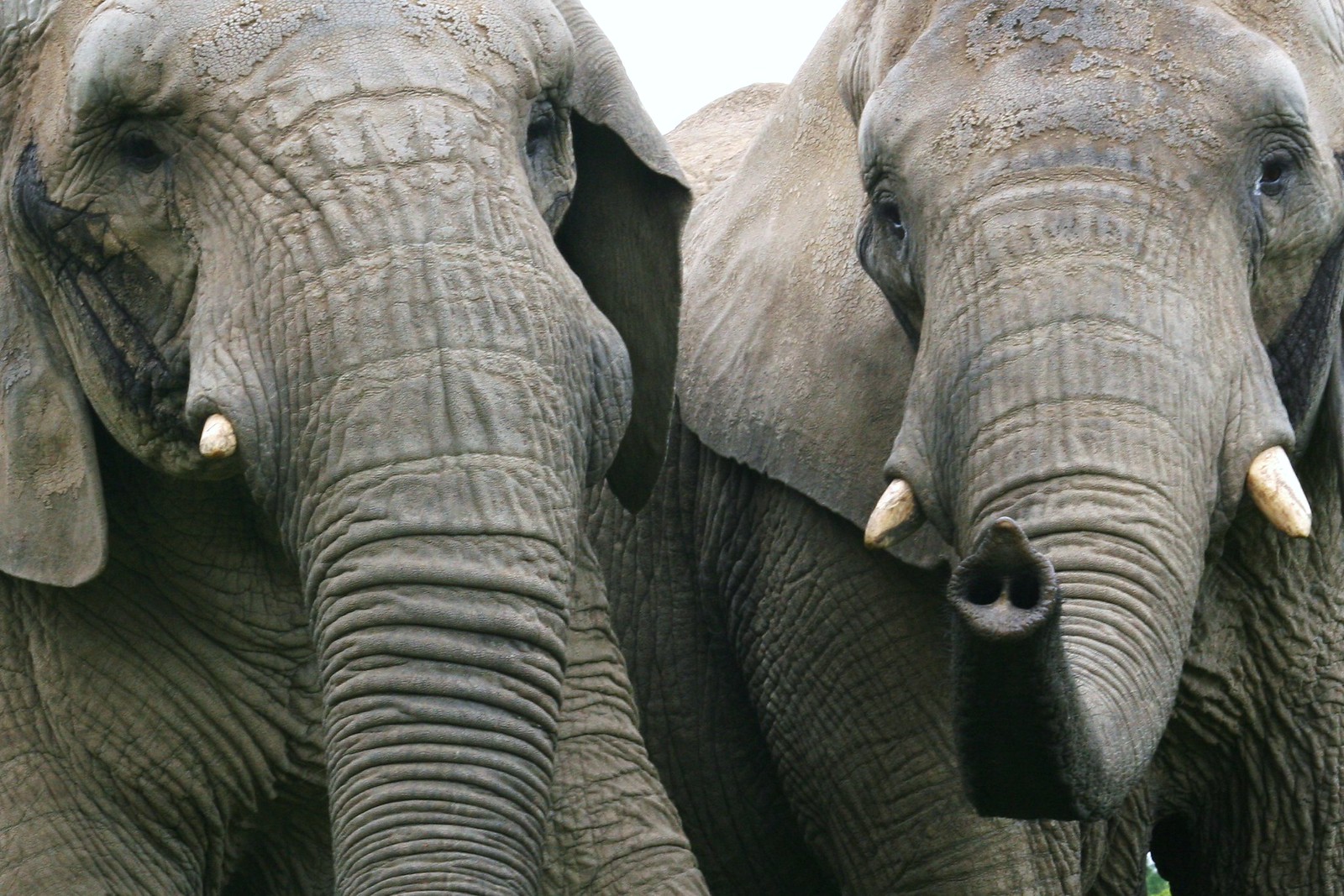
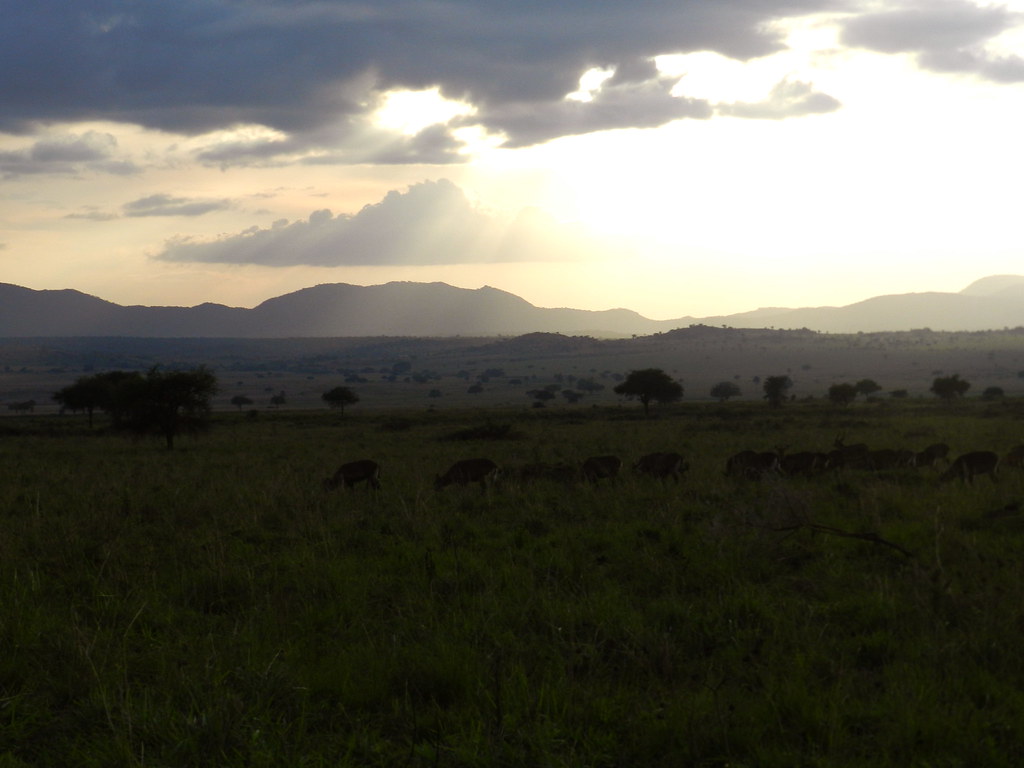
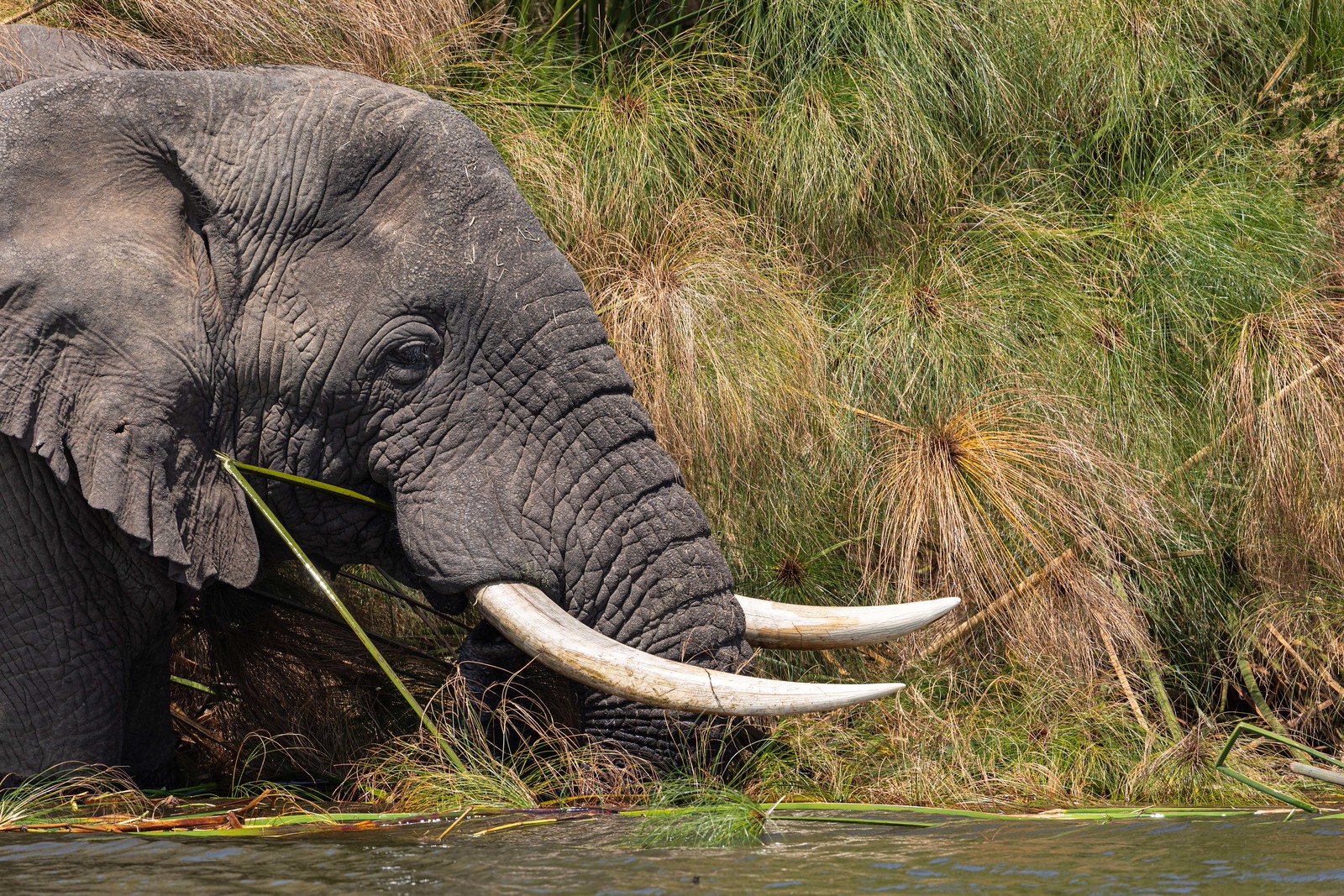
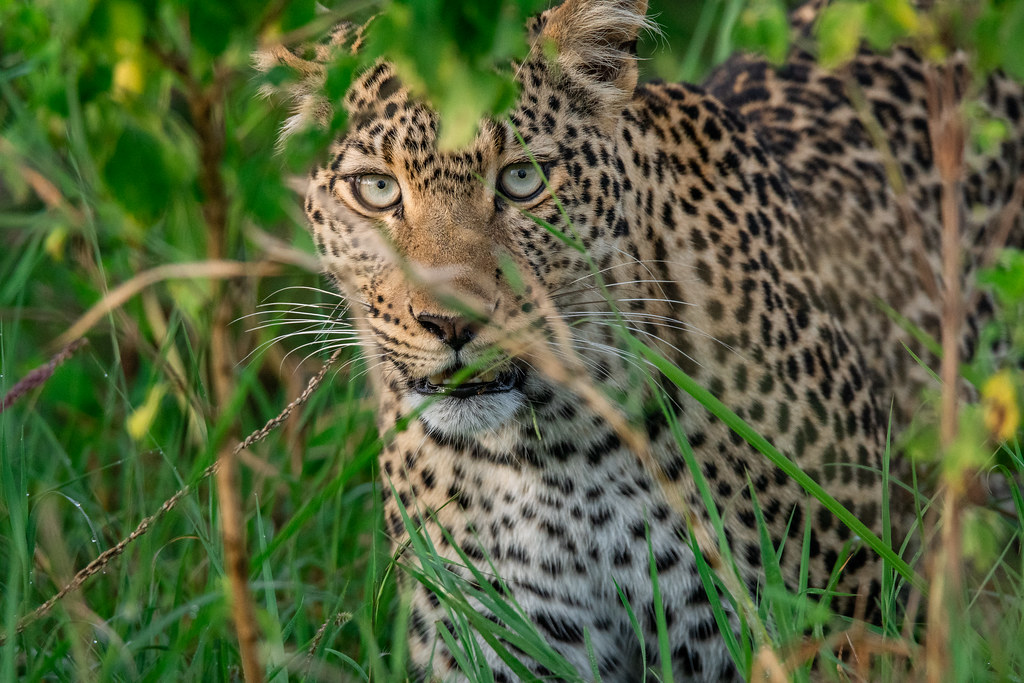
game drives are the quintessential Serengeti experience, offering the chance to explore the park’s vast landscapes and encounter its diverse wildlife. Morning and afternoon game drives are particularly rewarding, as these are the times when animals are most active. Guided by experienced rangers, you’ll traverse the park’s plains, woodlands, and riverbanks in search of the Big Five—lion, leopard, elephant, rhino, and buffalo—as well as countless other species such as giraffes, zebras, and cheetahs.
2. Night game drives
For a completely different perspective of the Serengeti, night game drives offer the thrill of discovering nocturnal wildlife. Equipped with spotlights, these drives allow you to see creatures that are rarely active during the day, such as hyenas, genets, and the elusive leopard. The night sounds of the Serengeti and the chance to see predators on the hunt make this a must-do activity for adventurous travelers.
Witness the great migration
One of the most awe-inspiring natural events on the planet, the great migration is a highlight of any visit to the Serengeti. Every year, over two million wildebeest, zebras, and gazelles migrate across the Serengeti and Maasai Mara in search of greener pastures. This spectacular movement is fraught with peril, as the herds must cross rivers teeming with crocodiles and evade predators along the way. Depending on the time of year, you can witness different stages of the migration, from the dramatic river crossings to the calving season in the southern plains.
hot air balloon Safaris: A Bird’s-Eye View of the Serengeti
For a truly unforgettable experience, a hot air balloon safari offers a unique perspective of the Serengeti’s vastness and beauty. As the balloon rises with the sun, you’ll float silently above the plains, watching as the wildlife awakens below. This serene and magical experience provides unparalleled photo opportunities, especially during the early morning light. After the flight, a champagne breakfast awaits you in the bush, making it a perfect way to start your day in the Serengeti.

Walking Safaris: Connect with Nature on Foot
Walking safaris in the Serengeti allow you to experience the park in a more intimate and immersive way. Accompanied by a knowledgeable guide, you’ll explore the bush on foot, learning about the smaller details of the ecosystem that are often missed on game drives. Tracks, plants, insects, and the sounds of the wilderness come to life as you walk through the savannah. This activity is ideal for those who want to connect more deeply with the environment and appreciate the Serengeti‘s intricate natural balance.
Cultural Experiences: Meet the Maasai
The Serengeti region is not only rich in wildlife but also in culture. A visit to a Maasai village offers insight into the traditional way of life of one of Africa’s most famous tribes. The Maasai people have lived in harmony with the wildlife for centuries, and their customs, dress, and lifestyle are deeply intertwined with the land. During a cultural visit, you can learn about their age-old traditions, participate in dance ceremonies, and visit a Maasai boma (homestead) to see how they live. This cultural exchange is a meaningful way to understand the human history of the Serengeti.
Bird Watching: A Paradise for Avian Enthusiasts
With over 500 bird species recorded, the Serengeti is a paradise for bird watchers. The park’s diverse habitats—from grasslands to woodlands and wetlands—provide a haven for a variety of bird species, including raptors, waterfowl, and songbirds. Some of the notable birds you might spot include the Kori bustard, secretary bird, and the vibrant lilac-breasted roller. Whether you’re a seasoned birder or a casual observer, the Serengeti’s avian diversity adds another layer of excitement to your safari.
Photographic Safaris: Capture the Beauty of the Serengeti
For photography enthusiasts, the Serengeti offers endless opportunities to capture stunning images of wildlife and landscapes. Many lodges and tour operators offer specialized photographic safaris, complete with professional guides who understand the needs of photographers. These safaris often focus on getting the best light, angles, and positions to capture iconic shots of the Serengeti’s animals. Whether you’re photographing the Big Five, the great migration, or a breathtaking sunset, the Serengeti provides a canvas like no other.
Exploring the Moru Kopjes and Gong Rock
The Moru Kopjes, ancient granite rock formations scattered across the Serengeti plains, are not only geological wonders but also significant cultural sites. These kopjes serve as shelters for wildlife, particularly lions, and offer stunning panoramic views of the surrounding landscape. One of the most famous kopjes is the Gong Rock, which features ancient Maasai rock paintings and unique “gong” marks made by the Maasai, used in traditional ceremonies. Exploring these areas offers a fascinating glimpse into the natural and cultural history of the Serengeti.
Fly Camping: An Authentic Wilderness Experience
For those seeking a more adventurous and authentic experience, fly camping offers a chance to sleep under the stars in the heart of the Serengeti. Unlike traditional lodges, fly camps are mobile and set up in remote areas of the park, far from the beaten path. This activity allows you to immerse yourself in the wilderness, with only the sounds of the night and the crackling of the campfire to accompany you. Guided by experienced rangers, fly camping is perfect for those who want to experience the Serengeti in its purest form.
The activities in Serengeti National Park are as diverse and dynamic as the landscape itself. From thrilling game drives and hot air balloon safaris to cultural encounters and walking adventures, the Serengeti offers something for every traveler. Whether you’re drawn to the excitement of witnessing the great migration or the tranquility of a bird-watching excursion, the Serengeti promises an unforgettable experience that will leave you with memories to last a lifetime. Understanding these top activities will help you plan the perfect itinerary and make the most of your time in this extraordinary park.
Frequently Asked Questions About Serengeti and Tanzania Safari
When is the best time to visit the Serengeti?
The Serengeti is a year-round destination, but different months offer different experiences. July to October brings the dramatic river crossings of the Great Migration in the northern Serengeti. January to March sees calving season in the south, where thousands of wildebeest give birth. June to July and December to January are the dry seasons with excellent general wildlife viewing.
What animals will I see in the Serengeti?
The Serengeti is home to the Big Five (lion, leopard, elephant, buffalo, rhino), as well as cheetahs, wild dogs, hyenas, jackals, hippos, crocodiles, zebras, giraffes, and over 2 million wildebeest and gazelles. Over 500 bird species have been recorded here.
How do I get to the Serengeti?
Most visitors fly into Kilimanjaro International Airport (JRO) or Julius Nyerere International Airport in Dar es Salaam, then take a connecting flight to Seronera Airstrip within the Serengeti. Road access is possible from Arusha (approximately 8 hours). Many safaris include light aircraft transfers for efficiency.
Tanzania Safari Travel Tips
- Combine with Ngorongoro: The Ngorongoro Crater is just a few hours from the Serengeti and hosts the densest concentration of wildlife on earth inside its 260 km² caldera.
- Allow enough time: Minimum 3 nights in the Serengeti to properly explore its vast ecosystems. The northern and central sectors require separate travel days.
- Stay in camp: Mobile camps that move with the migration offer an immersive experience during the Great Migration.
- Get a Tanzania visa: Apply for your e-visa online at evisa.immigration.go.tz before departure.
Recommended Tours: 6 Days Tanzania Wildlife Safari | 8 Days Serengeti & Ngorongoro Safari
Tanzania Safari — What You Need to Know
Tanzania is one of Africa’s greatest safari destinations, home to the Serengeti, Ngorongoro Crater, Ruaha, Selous (Nyerere), Tarangire, Lake Manyara, and the Mahale Mountains. Each park offers a distinct ecosystem and wildlife experience, making Tanzania ideal for multi-park itineraries.
The country’s crown jewel is the Serengeti — over 14,000 km² of open savannah supporting the world’s largest terrestrial mammal migration. Over 1.5 million wildebeest, joined by hundreds of thousands of zebras and gazelles, circle the Serengeti ecosystem in an annual clockwise journey in search of fresh grass and water.
Tanzania is also home to Africa’s highest peak, Mount Kilimanjaro, and the Zanzibar Archipelago — making it possible to combine a classic safari with a mountain climb and a beach extension all in one country.
Frequently Asked Questions About Tanzania Safari
Do I need a visa for Tanzania?
Most nationalities require a visa to enter Tanzania. An e-visa can be applied for online at evisa.immigration.go.tz before travel. Citizens of many East African countries are exempt. A standard tourist visa costs USD 50. On arrival, visas are available at Kilimanjaro, Julius Nyerere (Dar es Salaam), and Zanzibar international airports.
What is the best national park to visit in Tanzania?
The Serengeti is Tanzania’s most famous park, but the best park for you depends on your interests. For the Great Migration, the northern Serengeti (July–October) or southern Serengeti (January–March calving season) is unmissable. For sheer density of wildlife in a small area, the Ngorongoro Crater is extraordinary. For elephants, Tarangire (July–October) is outstanding. For wild dogs and remote wilderness, Ruaha and Nyerere are superb.
How many days do I need for a Tanzania safari?
A minimum of 5–7 days allows you to visit two parks (typically Serengeti + Ngorongoro). For a thorough experience of Tanzania’s northern circuit (Tarangire, Manyara, Ngorongoro, Serengeti), allow 8–10 days. Adding Zanzibar or Kilimanjaro extends the trip to 12–14 days for the full Tanzania experience.
What wildlife will I see in Tanzania?
Tanzania’s parks are home to the Big Five (lion, leopard, elephant, buffalo, rhino) along with cheetahs, wild dogs, hyenas, giraffes, zebras, hippos, crocodiles, and an astounding diversity of birds. The Serengeti alone hosts over 500 bird species. The Ngorongoro Crater has the densest concentration of lions in Africa.
Explore More: Tanzania Safaris | Gorilla Trekking Guide | Kenya Safaris
Contact Us – Ready to book your East Africa gorilla safari? Our team is here to help you plan the perfect trip.
Tanzania’s National Parks and Safari Experiences
Tanzania is home to Africa’s greatest wildlife concentration and most spectacular national parks. The Serengeti hosts the legendary Great Wildebeest Migration – the greatest wildlife spectacle on Earth. Ngorongoro Crater is a UNESCO World Heritage Site with guaranteed Big Five sightings. Tarangire is famous for giant baobab trees and large elephant herds. Selous and Ruaha offer remote, authentic game drive safaris. Gombe Stream and Mahale are the world’s best destinations for chimpanzee trekking. Zanzibar provides the perfect beach safari extension. Enjoy hot air balloon safaris over the Serengeti, birding safaris, and Maasai cultural experiences. Choose from luxury, camping, family, or fly-in safaris.