Can I Self-drive in Serengeti? A Journey of Wild Freedom
There’s something incredibly liberating about being behind the wheel in the middle of Africa’s most iconic wilderness. The sun rises in gold over the sweeping plains, the soundtrack of roaring lions and singing birds fills the air, and every dusty road whispers adventure. The Serengeti is not just a national park; it’s a sacred stage for one of the most dramatic wildlife spectacles on Earth. For many, the idea of navigating this untouched world without a guide sounds both exhilarating and intimidating. But can you self-drive in Serengeti? The answer is yes. And it could be the most unforgettable journey of your life.
What Does Self-driving in Serengeti Mean?
Self-driving in Serengeti means renting your own 4×4 vehicle and exploring the park on your terms. You plan your route, you decide where to stop, and you control the pace. Without a tour guide or group, you become the explorer fully immersed in the rhythm of the wild. You can watch a lion pride bask in the sun for hours or spend a quiet morning tracking a herd of elephants along a riverbank. It’s the ultimate expression of freedom for a traveler with an adventurous heart.
Is Self-driving Allowed in Serengeti?
Yes, self-driving is allowed in Serengeti National Park, provided you follow the rules and obtain the necessary permits. The park is managed by TANAPA (Tanzania National Parks Authority), and they permit private vehicles to enter and explore. Whether you’re a local resident, an expatriate, or an international traveler, you can drive yourself through this incredible landscape. However, you must be well-prepared, respectful of the environment, and ready for some rugged terrain.
What Do You Need to Self-drive in Serengeti?
Before embarking on a self-driving adventure, there are several essentials you must secure:
-
A Reliable 4×4 Vehicle
The roads in Serengeti are unpaved and vary from dusty trails to muddy routes during the rainy season. A good 4×4, preferably with high clearance and robust suspension, is non-negotiable. Many rental companies in Arusha, Mwanza, or Kilimanjaro offer self-drive safari-ready vehicles, complete with rooftop tents, fridges, and recovery gear. -
Valid Driving License and Documents
You need a valid driver’s license. International travelers should carry an International Driving Permit alongside their home country license. Ensure the car rental includes insurance and that you carry your passport, park entry receipt, and car documentation at all times. -
Park Entry Fees and Permits
You must pay park entrance fees per person and per vehicle. These can be arranged through TANAPA offices or prepaid via an authorized tour operator. Always check current rates and procedures before you travel. You’ll also need to book your campsites or lodges in advance and show proof of accommodation at entry gates. -
Navigation Tools
GPS and offline maps (such as Maps.me or Tracks4Africa) are essential. Serengeti doesn’t have road signs everywhere, and it’s easy to take a wrong turn. A compass and paper map are useful backups. -
Food, Water, and Fuel
There are very few services inside the park. Fill your fuel tank before entering and carry extra fuel in jerry cans. Bring plenty of drinking water and food supplies, especially if you’re camping. Stock up in towns like Karatu or Arusha before departure.
When Is the Best Time to Self-drive in Serengeti?
Serengeti is a year-round destination, but your experience may differ depending on the season.
-
Dry Season (June to October): This is the easiest time for a self-drive trip. Roads are drier, and wildlife congregates around water sources, making it easier to spot big cats, elephants, and the Great Migration.
-
Wet Season (November to May): The landscape is lush and green, but roads can become slippery and challenging, especially from March to May. However, this is the time for bird watching and fewer crowds.
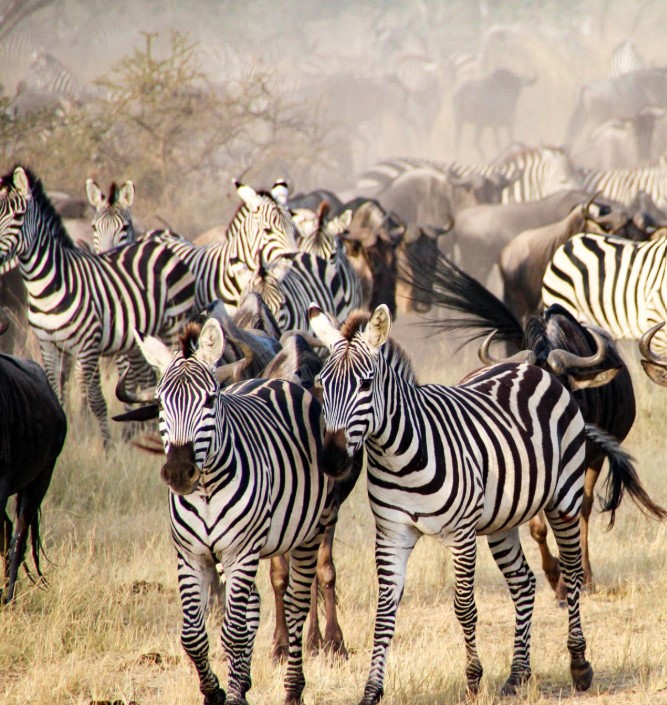
If your goal is to follow the wildebeest migration, you’ll need to research where the herds are during your travel dates. They move clockwise through the park depending on rainfall patterns.
Where Can You Drive in Serengeti?
Self-drivers can access most of the park’s regions, including:
-
Seronera: The heart of Serengeti, with abundant wildlife year-round.
-
Western Corridor: Home to the Grumeti River and great for migration viewing in May-July.
-
Northern Serengeti: Perfect from July to October when the wildebeest cross the Mara River.
-
Ndutu Area (part of Ngorongoro Conservation Area): Best from December to March for calving season.
Roads are mapped and relatively well-maintained, but some tracks may become impassable in the rains. Always consult rangers or camp staff before venturing into remote areas.
Is It Safe to Self-drive in Serengeti?
Yes, it is generally safe if you take the right precautions. Wildlife is wild, and safety comes with respect. Here are key safety tips:
-
Never leave your vehicle except in designated picnic or campsite areas.
-
Always keep a safe distance from animals. Lions and elephants may approach your car out of curiosity.
-
Drive slowly and cautiously. The speed limit inside the park is 50 km/h and even slower near animals.
-
Be mindful of your fuel, water, and daylight hours. Avoid driving after sunset.
-
Always inform someone of your planned route, especially if going off the usual circuit.
Where Can You Stay While Self-driving?
Serengeti offers various accommodation options for self-drivers:
-
Public Campsites: Affordable, unfenced, and wild. You must be self-sufficient and carry your own camping gear.
-
Special Campsites: Private and pre-booked, usually more secluded and scenic.
-
Lodges and Tented Camps: From mid-range to luxury, many lodges welcome self-drivers and offer meals, guidance, and even guided game drives as optional extras.
Pros and Cons of Self-driving in Serengeti
Pros:
-
Freedom to explore at your own pace
-
More affordable than guided safaris for long trips
-
A sense of real adventure and immersion
-
Ideal for photographers and wildlife enthusiasts who want time and flexibility
Cons:
-
Requires planning, navigation, and some mechanical confidence
-
Lack of a guide may limit wildlife identification or deeper knowledge
-
Road challenges during wet seasons
-
You need to be completely self-reliant
Final Thoughts: A Road to Remember
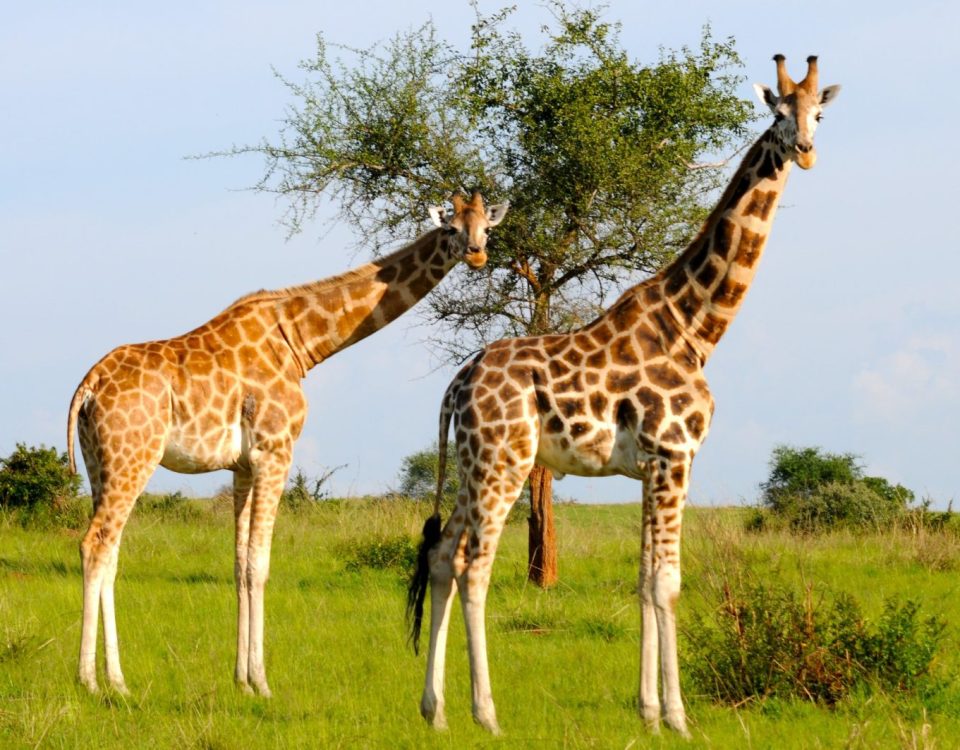
Self-driving in Serengeti is not just a mode of transport; it’s a soul-stirring experience. It’s the kind of journey that reminds you of how small we are in the grand design of nature. You learn to read the skies, follow animal tracks, and embrace the quiet awe of wild landscapes. There is an undeniable intimacy in choosing your path and finding your way across a terrain where cheetahs run free and giraffes silently move like shadows through acacia trees.