How gorilla families get their names
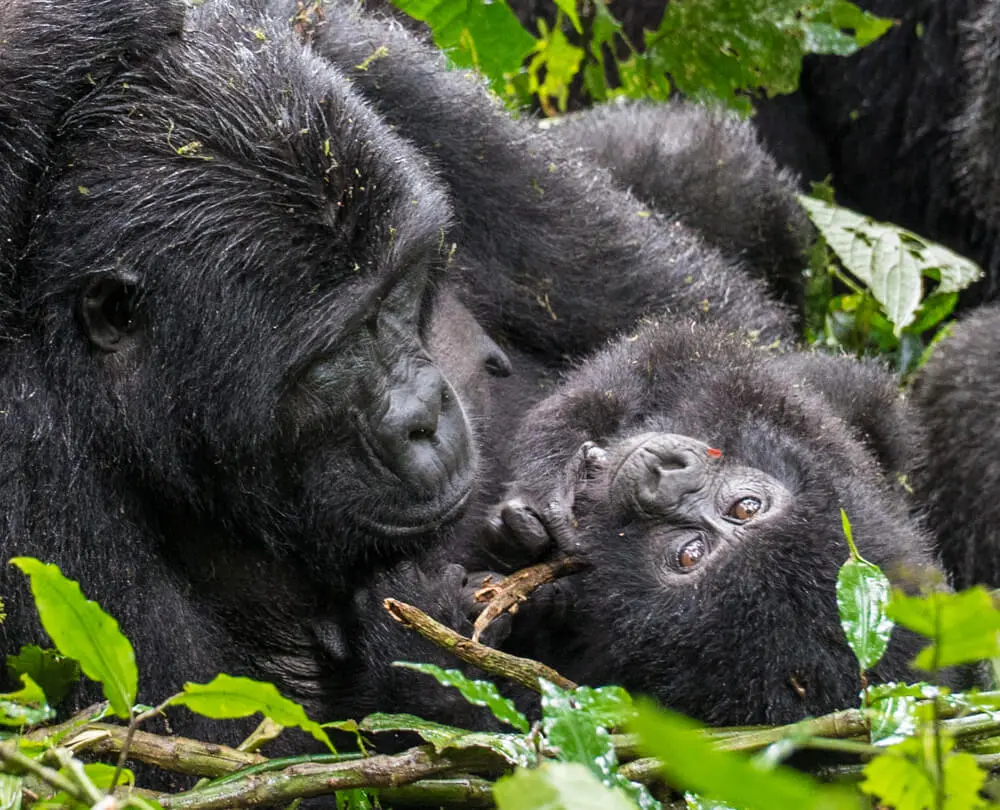
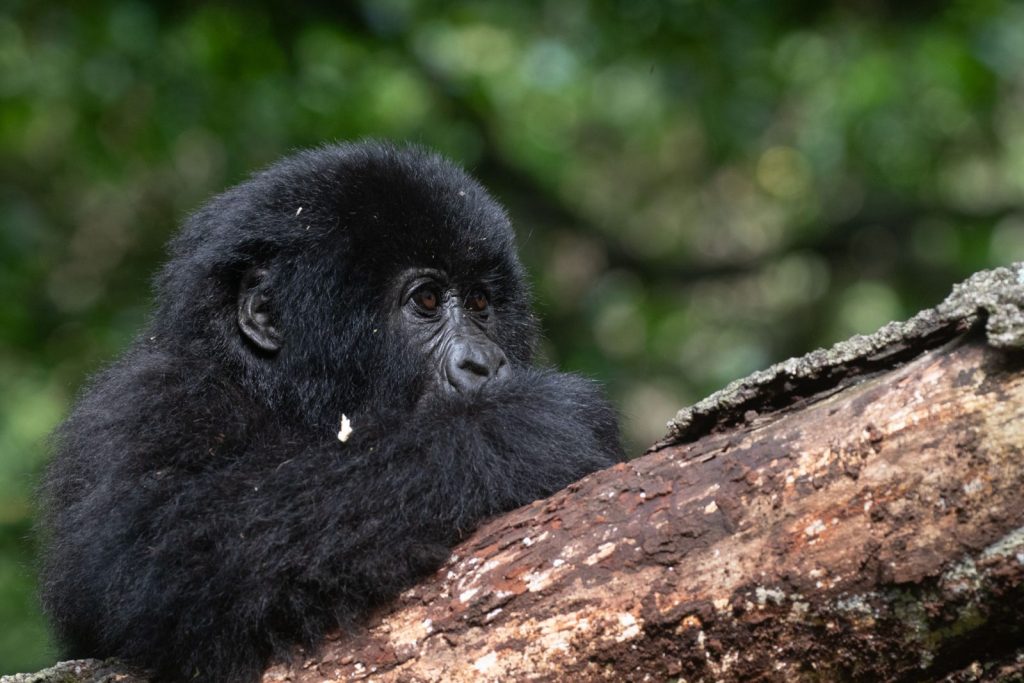
When you book a gorilla trekking experience in Uganda, you may come across names such as Mubare, Habinyanja, Rushegura, Nshongi, Kahungye, Busingye and Nkuringo. These names identify different habituated mountain gorilla families living in Bwindi Impenetrable National Park. Some sound unusual to international visitors, but many have strong connections to local languages, geographical features, forest vegetation and the history of the gorillas themselves.
Gorilla family names are not selected randomly. In many cases, they describe the place where a group was first discovered, the landscape it occupied or a distinctive feature associated with its formation. Other names come from local words that reflect the area’s natural environment or community history.
Understanding these names adds another dimension to gorilla trekking. When your ranger introduces the family you are about to visit, you can appreciate the story behind its identity and how it became part of Uganda’s conservation history.
Why gorilla families need names
Gorilla families need individual identities because researchers, trackers, rangers and conservation authorities must distinguish one group from another. Bwindi has several habituated families distributed across four trekking sectors: Buhoma, Ruhija, Rushaga and Nkuringo.
Each family has its own home range, social structure and history. Giving groups names makes it easier to record their movements, monitor their health, follow changes in membership and organise tourism activities.
Names also help researchers maintain accurate records over many years. A family may experience leadership changes, births, deaths and divisions, but its recognised name often remains even when its original members change.
For visitors, these names make the experience easier to understand. Instead of referring to a group simply by its location or number, guides can explain its history and introduce the silverback and other members.
The main ways gorilla families get their names
There are several common naming patterns in Bwindi. The most frequent connection is with geography, particularly hills, swamps and places where trackers first encountered the gorillas. Some names come from local vegetation, while others are connected to the history of a group or a particular silverback.
Names based on hills and geographical locations
Mountain gorilla families often receive names associated with the places where they were first sighted or where they established their home ranges.
This approach makes practical sense because trackers and researchers need to identify the areas used by different groups. A hill, valley, swamp or other recognisable feature can become closely associated with a family.
Mubare gorilla family
The Mubare family takes its name from Mubare Hills in Bwindi. Rangers first encountered the group in this area, and the name remained associated with it as the gorillas underwent habituation.
Mubare is particularly important in Uganda’s gorilla tourism history because it was the first mountain gorilla family opened to visitors in the country in 1993.
Its name is therefore connected to a specific geographical location and an important period in the development of gorilla tourism.
Nkuringo gorilla family
The Nkuringo family takes its name from the Nkuringo area in southwestern Bwindi. The name is associated with the local landscape and is commonly explained as referring to a hill or rounded geographical feature.
The family became one of the recognised habituated groups in the southern part of the park. Its name also became associated with the trekking sector and the surrounding community.
Nkuringo is an example of how a gorilla family name can become closely connected to a wider destination. Visitors now use the name when referring to both the family and the trekking area.
Kahungye gorilla family
The Kahungye family takes its name from the Kahungye Hills, where the group was first sighted.
The name reflects the close relationship between gorilla monitoring and the geography of Bwindi. Trackers work across a large forest landscape, so recognisable locations help them describe where particular families were initially found.
Kahungye later became known for changes in its social structure, including the formation of the Busingye family.
Names based on swamps and water sources
Bwindi is a rainforest with numerous streams, wetlands and swamps. These water features influence the movement of wildlife and provide important reference points for people working in the forest.
Some gorilla families received names connected to these features.
Habinyanja gorilla family
Habinyanja is one of the best-known examples of a name connected to water. The name comes from a local word associated with a swamp or water body.
The family was first sighted near a swamp in Bwindi, which influenced the name given to the group.
Habinyanja is also important because of its relationship with the Rushegura family. A division within the original group led to the formation of Rushegura in 2002.
The original Habinyanja name remained with the group that continued under its existing identity.
Names based on forest trees and vegetation
The vegetation in a gorilla family’s home range can also influence its name. Bwindi contains many tree species, shrubs, vines and other plants that provide food and shelter for wildlife.
Trackers who spend long periods in the forest become familiar with the vegetation associated with different areas. A tree species that is particularly common in a group’s range can become the inspiration for its name.
Rushegura gorilla family
Rushegura is associated with the local name of a tree known as Ebishegura, which was abundant in the area occupied by the group.
The family formed in 2002 after members separated from Habinyanja under the leadership of the silverback Mwirima.
The new group became known as Rushegura, taking its name from the vegetation in its home range.
This example shows that a gorilla family can receive a name connected to its new territory after separating from an existing group.
Names connected to the history of a gorilla family
Some family names become associated with the circumstances surrounding the formation or recognition of a group. These names may reflect the identity of a particular silverback, a location or an event that made the family distinct.
Mishaya gorilla family
Mishaya takes its name from the silverback associated with the formation of the group.
The family developed after Mishaya separated from the Nshongi group with several other members. He established a separate social unit and became its dominant male.
This naming pattern reflects the important role silverbacks play in the development of mountain gorilla families. When a male establishes a new group, the family may become identified with him.
Busingye gorilla family
Busingye is a Rukiga word commonly translated as peace.
The family formed after a silverback separated from the Kahungye group and established a new unit. The name is interesting because it refers to peace, although the behaviour of a gorilla family cannot be predicted from its name.
Mountain gorillas compete for social position, food and access to females. Groups can also interact aggressively when their territories overlap.
Busingye is a good example of how local language gives meaning to gorilla family names, even when the name does not describe the group’s behaviour.
Names associated with individual silverbacks
A silverback is an adult male mountain gorilla whose back develops a distinctive silver-coloured patch as he matures. In many families, the dominant silverback leads the group and plays an important role in its protection and movement.
Some gorilla families become closely associated with the silverback that established or leads them. In these cases, the group’s identity may reflect the male’s name or reputation.
The Mishaya family is one example of this connection.
However, you should distinguish between the name of a family and the names of individual gorillas. A family may have one recognised group name while its silverback, adult females, juveniles and infants all have separate names.
Individual names help researchers and trackers identify particular animals. They can be based on physical characteristics, behaviour, birth circumstances or other distinguishing details.
How individual gorillas receive their names
Naming individual gorillas is an important part of long-term monitoring. Researchers and trackers need to recognise animals accurately because mountain gorillas can look similar, especially to visitors seeing them for the first time.
Individual names help conservation teams follow each animal throughout its life. They can record its age, family relationships, health, reproductive history and changes in social position.
Some names describe physical features. A gorilla with a distinctive nose, finger or other visible characteristic may receive a name that refers to that feature.
For example, members of the Kyaguliro group have been identified using names connected to their appearance. Kakumu is associated with a distinctive finger, while Binyindo refers to a prominent nose.
Other names may describe a particular behaviour or condition observed when the animal was first identified.
Names can also recognise people who have contributed to gorilla conservation. In some mountain gorilla conservation programmes, newborns have received names in memory of rangers who served in protected areas, including those who lost their lives protecting wildlife.
This practice recognises the contribution of conservation workers and keeps their memory connected to the animals they helped protect.
The naming process can differ between parks and conservation programmes. Rangers and researchers work together to identify individuals and maintain consistent records.
Do all gorilla families have names in local languages?
No. Many names have roots in local languages or geographical descriptions, but there is no single naming rule that applies to every gorilla family.
Some names come from hills, valleys and other places. Others reflect vegetation, individual silverbacks or events associated with a group’s history.
Local languages are important because Bwindi is surrounded by communities with their own cultural and linguistic traditions. Rukiga and other regional languages have influenced several names associated with the park.
The meaning of a name can also be explained differently in different travel publications. Local pronunciation, spelling and translation may vary. For this reason, it is better to confirm a specific meaning with knowledgeable local guides rather than assume that every online translation is exact.
Why some gorilla families keep their names after splitting
Mountain gorilla families are social groups, not permanent units with fixed membership. They can divide when a silverback establishes a separate group or when changes in leadership alter relationships within the family.
When a split occurs, the original group usually retains its established name. The new group receives a different identity.
Bwindi has several examples of this process.
The Rushegura family formed after separating from Habinyanja. Mishaya developed from Nshongi, while Busingye formed after a division within Kahungye.
These developments explain why some families have related histories even though they now operate as separate groups.
The new family may take the name of its leading silverback, a nearby location or another feature associated with its establishment.
A family name can therefore tell you something about the group’s past, even when its current members are different from those present when it was first recognised.
Who decides the names of gorilla families?
Gorilla family names are generally established through the work of park authorities, researchers, trackers and conservation teams. The people involved in monitoring the animals need consistent names so that they can communicate accurately and maintain records.
Local geographical names and words often influence the choice. Researchers and trackers may also use an identifying feature or the name of a silverback associated with a group.
Once a family name becomes established in official monitoring and tourism records, it is generally retained for consistency.
The process is different from naming a pet. Gorilla names are part of conservation documentation, and the purpose is to identify and monitor wild animals over time.
Do gorilla family names change?
Established family names usually remain the same, even when the group experiences major changes.
A silverback may die or lose leadership. Females may move to another family, infants may be born and young males may eventually leave. These changes do not automatically result in a new family name.
A new name is more likely when a separate group becomes established and is recognised as a distinct family.
This consistency helps conservation teams maintain long-term records. It also makes it easier for tourism authorities to organise permits and explain the history of each group.
However, the status of a family can change. Some groups may be used mainly for research, while others become available for tourism after completing habituation.
Why family names are useful during gorilla trekking
Knowing the name of your assigned gorilla family gives you a starting point for understanding its history. During the morning briefing, your ranger may introduce the group, explain its background and share information about its silverback and other members.
You may learn that the family was formed after separating from another group, was named after a nearby hill or has a history connected to a particular silverback.
This information makes it easier to follow the stories of different gorilla groups across Bwindi.
However, the name does not tell you exactly what your encounter will be like. A family associated with a large group may have fewer members today, while a group with a reputation for being active may spend much of your visit resting.
Gorilla behaviour changes naturally throughout the day. Your experience depends on the location of the group, its activities and the conditions in the forest.
Frequently asked questions about gorilla family names
Are gorilla families named after their silverbacks?
Some families have names connected to a silverback, but many are named after geographical locations, vegetation or other local features. Mishaya is an example of a family associated with the silverback that established it.
What does Mubare mean?
Mubare takes its name from Mubare Hills in Bwindi, where the group was first sighted by rangers.
What does Habinyanja mean?
Habinyanja is associated with a local word referring to a swamp or water body. The family was first sighted near a swamp in Bwindi.
What does Rushegura mean?
Rushegura is associated with Ebishegura, a tree that was abundant in the group’s home range when it separated from Habinyanja.
What does Busingye mean?
Busingye is a Rukiga word commonly translated as peace. The name belongs to a family that formed after separating from Kahungye.
Are individual gorillas given names too?
Yes. Researchers and trackers give individual gorillas names to help identify and monitor them. These names may refer to physical features, behaviour, birth circumstances or people being recognised for their conservation contributions.
Can visitors choose a gorilla family based on its name?
You can choose your preferred trekking sector when booking a permit, subject to availability. However, the specific family assignment is managed by park authorities and is not guaranteed. Rangers allocate visitors on the trekking morning according to operational arrangements and other considerations.
Do gorilla family names have cultural meanings?
Many names are connected to local languages, places and natural features. They reflect the relationship between gorilla conservation and the communities surrounding Bwindi.
The stories behind Bwindi’s gorilla family names
The names of Bwindi’s gorilla families preserve important details about the forest, local communities and the history of mountain gorilla conservation. Mubare recalls the hills where Uganda’s first tourism family was discovered. Habinyanja refers to a water feature, while Rushegura is connected to a tree found in its home range. Other names, such as Mishaya and Busingye, reflect the development and identity of separate social groups.
These names help visitors understand that every habituated family has its own history. When you enter Bwindi with a ranger, you are visiting a particular group of wild gorillas whose identity has been recorded through years of conservation work. Learning the meaning behind its name makes the encounter more informative and gives you a stronger appreciation of the people and natural environment that protect mountain gorillas.