Mountain Gorilla Conservation: A Success Story Worth Knowing
Mountain gorilla conservation is one of Africa’s most encouraging wildlife recovery stories. Once threatened with extinction because of habitat destruction, poaching, disease and human conflict, mountain gorillas have experienced a gradual population increase through decades of dedicated conservation work.
Today, mountain gorillas survive in protected forests across Uganda, Rwanda and the Democratic Republic of Congo. Their recovery reflects the combined efforts of wildlife authorities, researchers, veterinarians, conservation organisations, local communities and responsible tourism operators.
Gorilla trekking has also contributed to conservation by generating revenue for protected areas, creating employment opportunities and increasing international awareness of endangered wildlife.
However, mountain gorillas remain endangered. Their limited geographical distribution, vulnerability to human diseases and dependence on protected habitats make continued conservation essential.
Understanding the history of mountain gorilla conservation allows visitors to appreciate the significance of encountering these remarkable primates and recognise how responsible tourism can contribute to their long-term survival.
The History of Mountain Gorilla Conservation
Mountain gorillas were first scientifically described in 1902. During the following decades, hunting, agricultural expansion and forest destruction placed increasing pressure on their populations.
By the early 1980s, conservationists estimated that fewer than 400 mountain gorillas remained in the wild. Their survival appeared increasingly uncertain without substantial conservation intervention.
The establishment of protected areas, scientific research programmes and dedicated ranger teams gradually improved their prospects.
American primatologist Dian Fossey began studying mountain gorillas in Rwanda in 1967. Her research helped improve scientific understanding of gorilla behaviour, social organisation and the threats affecting their survival.
African researchers, trackers, rangers and neighbouring communities have also made essential contributions to the conservation work that continues today.
How Many Mountain Gorillas Are Left in the Wild?
Mountain gorilla populations have increased considerably over several decades.
The combined population estimates from the 2015 Virunga Massif census and the 2018 Bwindi-Sarambwe census established a global total of 1,063 mountain gorillas.
Mountain gorilla population recovery
Early 1980s
Fewer than 400
2015–2018 census benchmark
1,063
The early estimate is approximate. The 1,063 figure combines two regional census results rather than a new 2026 population count.
A new mountain gorilla census began in the Bwindi-Sarambwe region in May 2025. As of November 2026, the updated population figure had not been confirmed in the official publications reviewed for this article.
The recovery documented so far represents a significant achievement for international wildlife conservation.
Where Are Mountain Gorillas Found Today?
Mountain gorillas survive naturally in two geographically separated populations in East and Central Africa.
| Protected area | Country |
|---|---|
| Bwindi Impenetrable National Park | Uganda |
| Mgahinga Gorilla National Park | Uganda |
| Volcanoes National Park | Rwanda |
| Virunga National Park | Democratic Republic of Congo |
| Sarambwe Nature Reserve | Democratic Republic of Congo |
The Bwindi-Sarambwe population occupies forests along the Uganda-Congo border. The Virunga Massif population inhabits volcanic mountain forests shared by Uganda, Rwanda and the Democratic Republic of Congo.
These limited habitats make international cooperation particularly important because gorillas can move across national boundaries.
Seven Reasons Mountain Gorilla Conservation Has Succeeded
1. Establishment of Protected National Parks
Protected areas provide mountain gorillas with essential feeding grounds, nesting locations and breeding habitats.
National park regulations restrict activities such as illegal hunting, agricultural encroachment, uncontrolled timber harvesting and settlement within designated conservation areas.
Bwindi Impenetrable National Park and Mgahinga Gorilla National Park received national park status in 1991, strengthening formal protection for Uganda’s mountain gorillas.
Protecting these forests also benefits chimpanzees, forest elephants, birds and numerous plant species.
2. Anti-Poaching Patrols
Wildlife rangers conduct regular forest patrols to identify illegal activities, remove snares and monitor gorilla habitats.
Although hunters may set traps intended for smaller animals, mountain gorillas can accidentally become caught in them.
Such injuries can result in infections, permanent disabilities or death.
Rangers work under challenging conditions, including heavy rainfall, steep terrain and dense vegetation. Their daily efforts remain fundamental to mountain gorilla protection.
3. Veterinary Care for Wild Gorillas
Gorilla Doctors has contributed significantly to mountain gorilla conservation through specialist veterinary care.
Veterinarians monitor gorilla health and intervene when animals experience potentially life-threatening illnesses or injuries.
Medical interventions may involve removing snares, treating infected wounds and managing serious respiratory infections.
Providing veterinary treatment inside the forest requires careful planning because medical teams must minimise disturbance to the affected gorilla and its family.
Scientific research has identified veterinary intervention, alongside intensive protection, as an important contributor to mountain gorilla population recovery.
4. Responsible Gorilla Trekking Tourism
Gorilla trekking generates revenue that helps wildlife authorities manage protected areas.
Visitors purchase permits allowing them to observe habituated mountain gorillas under the supervision of trained rangers.
Standard trekking activities generally restrict visitor groups to eight people per gorilla family, with one hour of observation.
Tourism revenue helps support conservation operations, research, park management and community development.
However, strict visitor regulations remain necessary because excessive human contact can increase disease transmission and disturb gorilla behaviour.
5. Community Participation in Conservation
Communities living near gorilla habitats play an essential role in protecting mountain forests.
In Uganda, the Uganda Wildlife Authority operates a revenue-sharing programme that allocates 20% of park entrance revenue to neighbouring communities. UWA also identifies an additional contribution of US$10 from each Bwindi gorilla trekking permit sold.
These funds can support community projects intended to improve livelihoods and reduce conflicts between people and wildlife.
Gorilla tourism also creates employment opportunities for porters, guides, lodge workers, farmers, drivers and craft producers.
Fairly distributed tourism benefits can strengthen community participation in conservation.
6. Scientific Research and Population Monitoring
Researchers regularly study mountain gorilla populations to understand their health, reproduction, movements and social behaviour.
Population surveys involve searching forest areas for gorilla nests, collecting biological samples and conducting genetic analysis.
DNA analysis can help researchers distinguish individual gorillas and reduce the possibility of counting the same animal more than once.
Long-term monitoring allows conservation teams to identify emerging threats and assess whether protection programmes are producing positive results.
7. International Conservation Partnerships
Mountain gorillas occupy habitats extending across three countries. Protecting them therefore requires cooperation between governments, wildlife authorities and conservation organisations.
The International Gorilla Conservation Programme, Gorilla Doctors and Greater Virunga Transboundary Collaboration contribute through research, veterinary services, conservation planning and cooperation between neighbouring protected areas.
Sharing scientific information and conservation resources helps countries respond more effectively to challenges affecting mountain gorilla populations.
From Critically Endangered to Endangered
One of the most important achievements in mountain gorilla conservation occurred in November 2018.
The International Union for Conservation of Nature changed the mountain gorilla’s conservation classification from Critically Endangered to Endangered following documented population recovery.
| Conservation status | Meaning |
|---|---|
| Critically Endangered | Extremely high risk of extinction in the wild |
| Endangered | Very high risk of extinction in the wild |
| Vulnerable | High risk of extinction in the wild |
The improved classification demonstrates genuine conservation progress. Nevertheless, mountain gorillas remain at considerable risk of extinction without continued protection.
Threats Still Facing Mountain Gorillas
Despite population recovery, several challenges continue to threaten their long-term survival.
| Threat | Potential consequences |
|---|---|
| Habitat loss | Reduced feeding and breeding areas |
| Human respiratory diseases | Serious illness and potential outbreaks |
| Illegal hunting and snares | Injuries and deaths |
| Climate change | Changes in vegetation and habitat conditions |
| Political instability | Disruption of conservation operations |
| Human-wildlife conflict | Crop damage and community tensions |
| Uncontrolled tourism | Wildlife disturbance and disease transmission |
Mountain gorillas reproduce slowly, with females generally giving birth to one infant at a time. Recovering from major population losses can therefore take many years.
Continued habitat protection, responsible tourism and disease prevention remain essential.
How Gorilla Trekking Visitors Can Support Conservation
Your behaviour during a gorilla safari can contribute directly to protecting these endangered primates.
Follow the instructions provided by your ranger, maintain the required viewing distance and wear a face mask where required by park authorities.
Never participate in gorilla trekking when suffering from a contagious illness. Human respiratory infections can have serious consequences for gorilla families.
Avoid flash photography, touching gorillas, littering and unnecessary noise inside the forest.
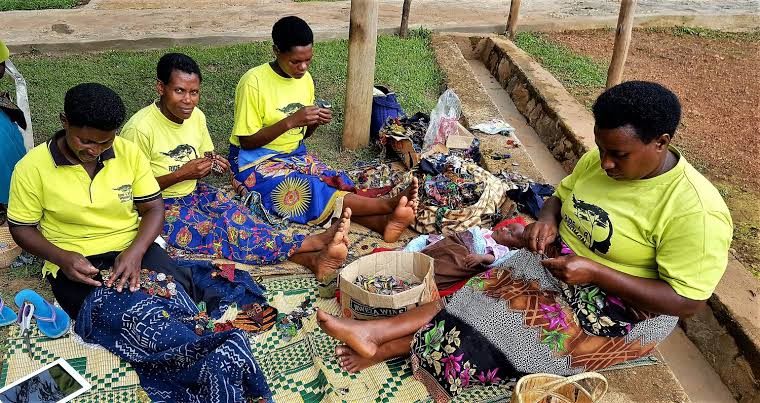
You can also support neighbouring communities by hiring local porters, staying at community-owned lodges and purchasing locally produced handicrafts.
These decisions help ensure that tourism contributes positively to wildlife conservation and local livelihoods.
Frequently Asked Questions
Is mountain gorilla conservation successful?
Yes. The increase in mountain gorilla populations and their improved conservation classification demonstrate substantial progress resulting from decades of protection.
Are mountain gorillas still endangered?
Yes. Mountain gorillas remain classified as Endangered because their populations are relatively small and their natural habitats are geographically restricted.
Does gorilla trekking help conservation?
Responsibly managed gorilla trekking generates funding for protected areas, conservation activities and community development.
Which countries protect mountain gorillas?
Uganda, Rwanda and the Democratic Republic of Congo protect the world’s remaining wild mountain gorilla populations.
Can mountain gorillas survive without conservation programmes?
Their long-term survival would face considerable risks without habitat protection, disease monitoring, anti-poaching patrols and community cooperation.
Mountain gorilla conservation demonstrates what sustained wildlife protection, scientific research, veterinary care and community participation can achieve.
The recovery of mountain gorillas from fewer than 400 individuals in the early 1980s to a documented population benchmark of 1,063 represents an encouraging achievement.
However, their future remains dependent on protected forests, responsible tourism and continued conservation investment.
When you purchase a gorilla trekking permit, respect wildlife regulations and support neighbouring communities, you participate in an ongoing conservation effort that helps protect mountain gorillas for future generations.