How Rwanda Balances Tourism and Gorilla Conservation
Rwanda is globally recognized as a conservation success story, particularly when it comes to protecting mountain gorillas. In a region once marked by conflict and environmental pressure, Rwanda has developed a model that carefully balances high-end tourism with strict conservation principles. This balance has transformed mountain gorillas from a critically threatened species into a symbol of resilience, while positioning Rwanda as a leader in sustainable wildlife tourism.
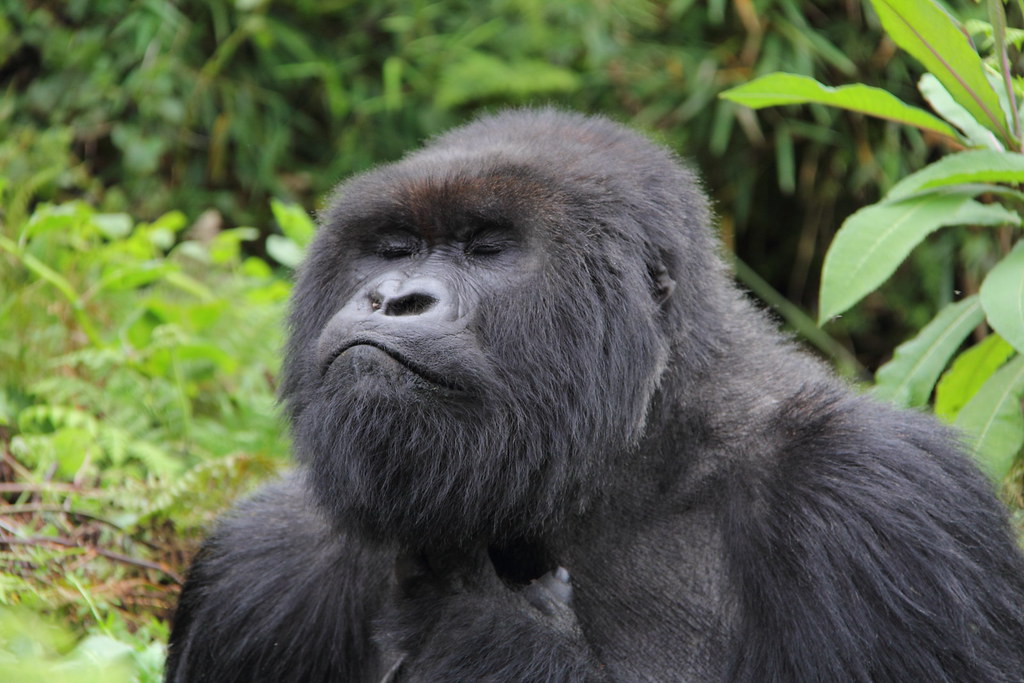
The country’s approach demonstrates that tourism, when carefully managed, can be a powerful tool for conservation rather than a threat. Rwanda’s gorilla conservation strategy is built on science, regulation, community involvement, and long-term planning, ensuring that wildlife protection remains the priority even as visitor numbers grow.
The Importance of mountain gorillas to Rwanda
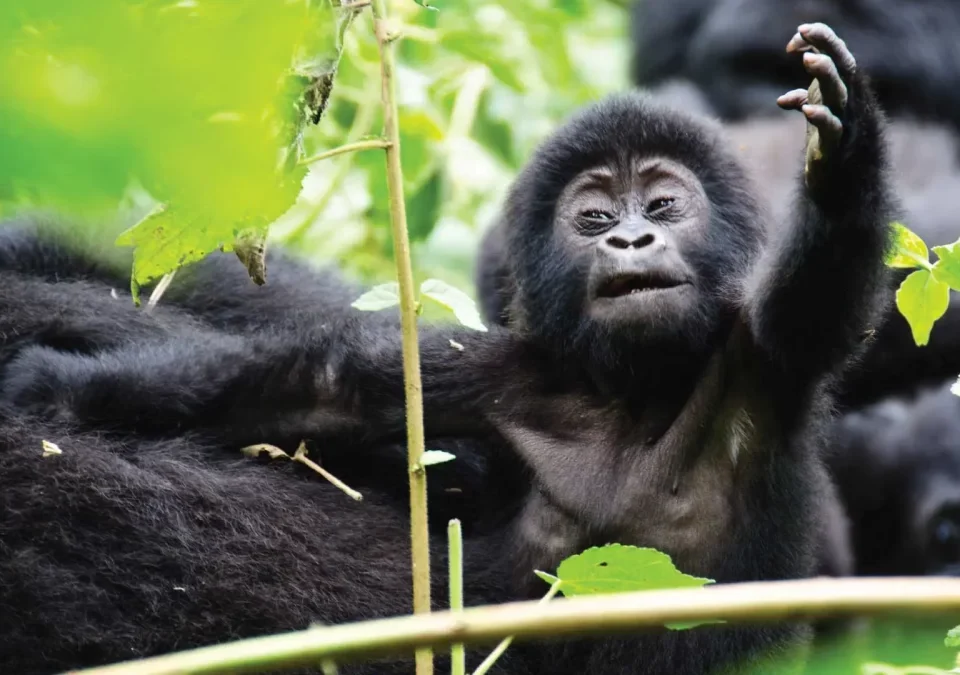
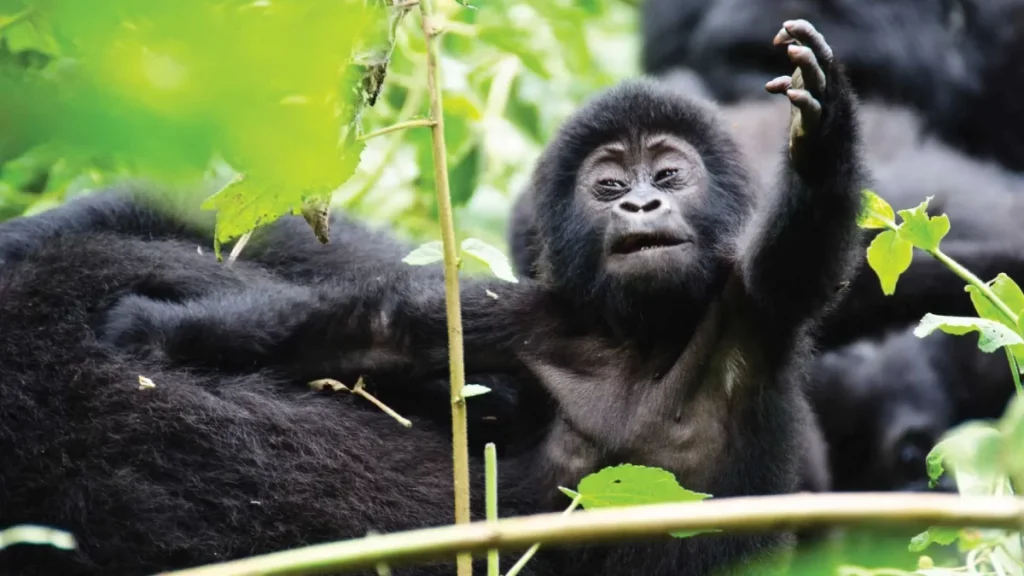
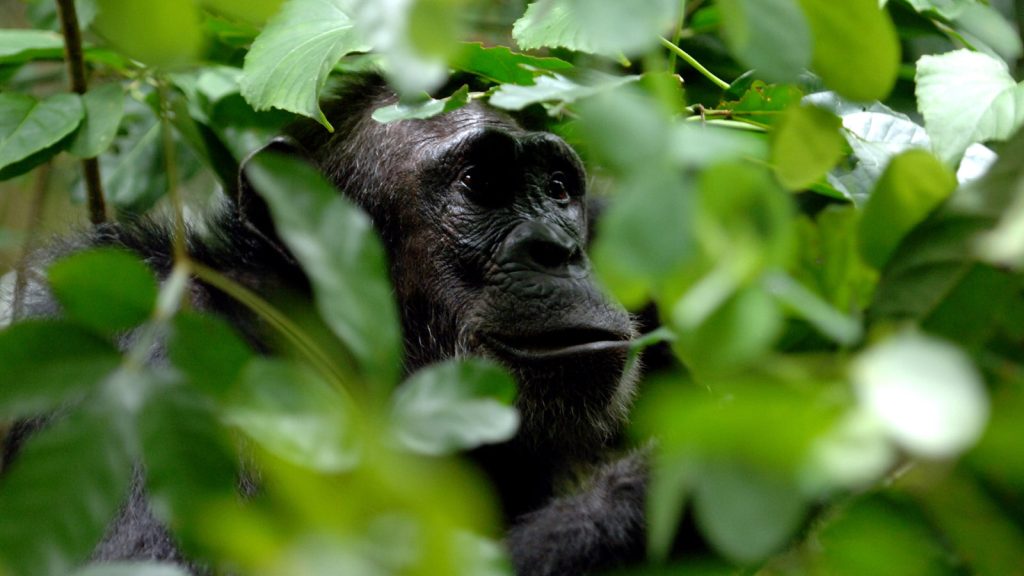
mountain gorillas are found only in the Virunga Massif and Bwindi Impenetrable Forest, making them one of the rarest primates on Earth. In Rwanda, they inhabit Volcanoes National Park, a relatively small but biologically rich protected area.
Gorillas are not only ecologically important but also economically significant. gorilla trekking has become one of Rwanda’s most valuable tourism products, generating substantial revenue that supports conservation and national development. This economic importance has encouraged strong political commitment to protecting gorillas and their habitat.
Rather than exploiting gorillas through mass tourism, Rwanda has chosen a controlled, conservation-first approach that limits access while maximizing long-term benefits.
Controlled Tourism Through Permit Systems
One of the most critical tools Rwanda uses to balance tourism and conservation is its strict gorilla trekking permit system. Each habituated gorilla family is visited by a limited number of people per day, ensuring minimal disturbance to the animals.
Group sizes are kept small, and trekking time with gorillas is restricted to reduce stress and prevent behavioral changes. These regulations are enforced consistently, with trained guides ensuring that visitors follow distance rules and ethical viewing practices.
By limiting supply, Rwanda maintains exclusivity while protecting gorillas from overexposure. This approach prioritizes quality over quantity, attracting travelers who value conservation and are willing to support it financially.
High-Value, Low-Impact Tourism Strategy
Rwanda’s conservation model is built around high-value, low-impact tourism. Instead of attracting large volumes of budget travelers, Rwanda focuses on fewer visitors who contribute more per visit.
This strategy reduces pressure on fragile ecosystems while generating sufficient revenue to fund conservation initiatives. It also allows Rwanda to invest in high-quality infrastructure, professional guiding, and park management without compromising environmental integrity.
The result is a tourism system that supports conservation rather than competing with it, ensuring that gorilla protection remains financially sustainable.
Scientific Research and Monitoring
Ongoing scientific research is central to Rwanda’s gorilla conservation efforts. Conservationists and veterinarians continuously monitor gorilla health, behavior, and population dynamics.
Daily tracking allows rangers to detect changes in movement patterns or signs of illness early. Veterinary teams intervene only when necessary, following strict protocols to minimize human interference.
This science-driven approach ensures that tourism activities are adapted based on evidence rather than assumptions. Research findings inform park management decisions, trekking regulations, and habitat protection strategies.
Habitat Protection and Restoration
Protecting gorillas requires more than regulating tourism; it demands safeguarding their habitat. Volcanoes National Park is under constant pressure from surrounding human populations, making habitat protection a critical challenge.
Rwanda has invested heavily in park boundary management, reforestation, and land-use planning. Buffer zones reduce human-wildlife conflict, while restored forests expand available habitat for gorillas and other species.
Anti-poaching patrols operate year-round, protecting not only gorillas but also the broader ecosystem. These efforts ensure that tourism revenue directly supports habitat preservation.
Community Involvement and Revenue Sharing
One of Rwanda’s most effective conservation tools is its community revenue-sharing program. A percentage of tourism revenue is allocated to communities living around Volcanoes National Park.
These funds support schools, health centers, water projects, and infrastructure development. By linking community well-being to conservation success, Rwanda reduces incentives for poaching and habitat destruction.
Local people also benefit from employment opportunities as guides, trackers, porters, and hospitality staff. This inclusion fosters a sense of ownership and pride in protecting gorillas and their environment.
Education and Conservation Awareness
Education plays a vital role in Rwanda’s conservation strategy. Local communities are engaged through environmental education programs that emphasize the ecological and economic importance of gorillas.
Visitors are also educated before trekking, learning about gorilla behavior, conservation challenges, and responsible tourism practices. This awareness encourages respectful behavior and transforms visitors into advocates for gorilla conservation.
By building understanding at both local and global levels, Rwanda strengthens long-term support for conservation initiatives.
Strict Health and Safety Measures
Gorillas are highly susceptible to human diseases, making health precautions essential. Rwanda enforces strict health screening for trekkers, including restrictions on visitors who are unwell.
Distance rules reduce the risk of disease transmission, and guides monitor interactions closely. During global health crises, Rwanda has demonstrated its willingness to temporarily suspend tourism to protect gorillas, reinforcing conservation priorities over short-term economic gains.
These measures highlight Rwanda’s commitment to ethical wildlife tourism, even when it requires difficult decisions.
Luxury Lodges and Conservation Partnerships
Rwanda’s luxury lodges play a significant role in supporting conservation goals. Many lodges operate in partnership with conservation organizations, contributing funds and resources to park management and community projects.
High-end accommodation reduces pressure to increase visitor numbers, aligning with the country’s low-impact tourism model. Lodges often invest in sustainability initiatives such as renewable energy, waste management, and local sourcing.
These partnerships create a tourism ecosystem where conservation, comfort, and community development reinforce one another.
Challenges and Ongoing Adaptation
Despite its success, Rwanda’s conservation model faces challenges. Population growth, climate change, and regional instability require constant adaptation.
Rwanda continues to refine its strategies, using data, technology, and collaboration to address emerging threats. Flexibility and long-term planning remain central to maintaining the balance between tourism and conservation.
Acknowledging these challenges ensures that conservation efforts remain realistic and responsive rather than complacent.
A Model for Global Conservation
Rwanda’s approach to gorilla conservation has become a global benchmark. By prioritizing regulation, community involvement, scientific research, and ethical tourism, the country demonstrates that wildlife protection and economic development can coexist.
This model offers valuable lessons for other destinations facing similar challenges, proving that conservation success depends on commitment, planning, and respect for nature.
Rwanda’s ability to balance tourism and gorilla conservation is the result of deliberate choices rooted in sustainability and responsibility. Through controlled tourism, scientific management, community engagement, and unwavering political support, Rwanda has created a system where gorillas are protected, communities benefit, and visitors experience wildlife ethically.
Rather than treating gorillas as attractions, Rwanda treats them as partners in conservation. This philosophy ensures that mountain gorillas continue to thrive while tourism supports, rather than undermines, their survival. Rwanda’s story stands as powerful evidence that when conservation leads, tourism can follow responsibly and successfully.