


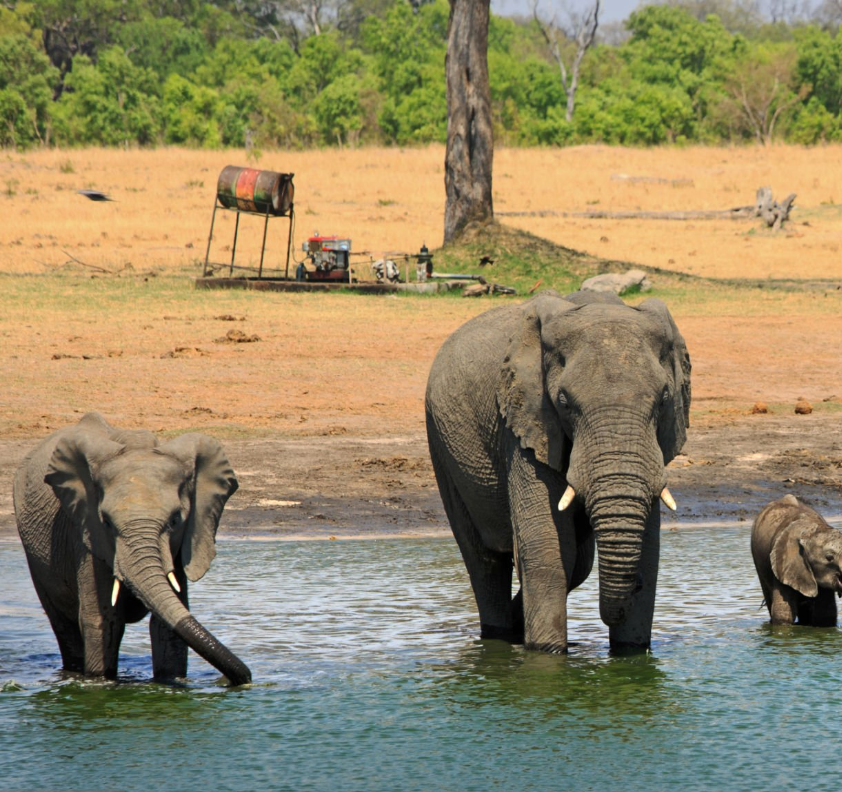
Activities in Lake Mburo National Park: Although the park is well-known for its abundance of herbivores, including the oribi, reed bushbucks, common eland, African buffalo, hippopotamus, warthogs, and the most common herbivore, the zebra, there is more to see.
If you want to have a good time while in the park, you can take part in some of the activities offered by the park, such as boat rides on Lake Mburo, which will not only provide incredible experiences on the water but also give you the opportunity to see a variety of rewarding attractions, including game drives, fishing, game drives, and more.
Boat cruise
One of the most enjoyable activities in Lake Mburo National Park is boat riding, which draws many visitors. Lake Mburo National Park is the location of the boat trips, which is a fantastic feature that offers you beautiful views of the park and its magnificent flora and animals.
Blue Quails, the Lesser and Great Swamp Warblers, Chubb’s and Caruthers’s Cisticola Black Crake, Common Squacco, Striated, Black-headed, Herons White-headed and Black-billed Barbet, Greenwood Hoopoe, Blue-breasted Shining-blue Kingfishers, Lilac-breasted Roller, Black-winged Bishop, Great White and Pink-backed Pelicans, and many other animal and amphibian species can be seen during the lake boat rides.
In addition to the opportunity to witness a variety of animal species in the park’s plains, such as zebras, antelopes, bush bucks, buffaloes, and other creatures feeding there, you will also have the opportunity to watch the sun set, which will be an incredible experience.
Birding
Since Lake Mburo National Park is home to more than 300 different bird species, birders may expect to observe more than 100 different species during their time there, making it an ideal destination for birdwatchers. Acacia woodland and woody gorges, which serve as habitats for a variety of bird species such the long-crested eagle handsome Francolin and Rwenzori Batis, are among the noteworthy bird species that may be observed in the park’s woodlands.
Numerous water birds and other bird species can be seen during the boat rides, including the dusky crimson wing, red-faced woodland warbler, dusky turtle love, archer’s ground robin, double collared sunbird, marsh harrier, Ruwenzori turaco, common moorhen, Ruwenzori night jar, grey throated tit, and the dusky crimson wing.
Fishing
You can engage in a variety of activities in the park, such as fishing, where you can try your hand at catching various fish species. Mazinga was designated as a fishing area in the park, and since it is crocodile-free, it is safe for fishing, which has made it possible to carry out the activity.
Although a variety of fish species can be found in the freshwater lake, tilapia are the most frequently caught species. One intriguing aspect of the activity is that, as a reward for taking part, you get to keep the fish you catch, which you can then prepare at home or at your hotel. You can view a variety of aquatic birds when fishing in the area, including Great Cormorants, Grey-crowned Cranes, and African King Fischer, among others.
DRIVES FOR GAME
There are 69 animal species in the park, including herbivores like zebras, giraffes, eland, buffalos, defassa waterbuck, common duikers, buffalos, bush pigs, and other antelope species. There are various game drives that can be conducted in the park. For example, the morning game drive will feature early-rising herbivores like zebras, bushbucks, and antelopes, as well as a variety of other attractions like various bird species.
The evening game drives will feature some carnivores like hyenas and prey-catching. The park offers a variety of game drive tracks, such as the zebra tracks, where you can see a lot of zebras, particularly Burchell’s zebras; the Kazuma track, which offers you the best chances to see a lot of beautiful views; and the Kigambira loop, which takes you through the woods and offers you the chance to see a lot of herbivores, including duikers and bushbucks, among other tracks.
Guided nature walks
The guided nature walks will take place during the various events in Lake Mburo National Park. There are several walking pathways throughout the park that you can take to reach various points of interest. A guide and an armed ranger will accompany you during the activity to defend you from any attacks by the wild animals.
You will start your journey along the park’s various trails, which will take you to a variety of sights and rewarding vistas. You will pass through the Rubanga forest, where you can see a variety of bird species, as well as a number of rewarding animal species and breathtaking views of the lake and other attractions.
Riding a horse
For tourists who are interested in participating, Mihingo Lodge has organized an activity that will provide a closer look at the animals than game drives because it allows you to get up close and personal with the animals as they graze in the grasslands while also enjoying leisurely adventures for a fantastic park experience.
East Africa Safari – Essential Travel Information
East Africa encompasses some of the world’s most iconic wildlife destinations. Uganda, Rwanda, Kenya, and Tanzania form the heart of the safari region, each offering distinct landscapes, wildlife, and travel experiences. Whether you’re seeking mountain gorillas in misty rainforests, the spectacular wildebeest migration across the Serengeti, or the intimate Big Five encounters of the Masai Mara, East Africa delivers an unparalleled variety of wildlife experiences within a relatively compact geographic region.
The region’s safari infrastructure is mature and well-developed, with a wide range of accommodation from budget campsites to ultra-luxury tented lodges. International air connections serve multiple gateway airports including Nairobi’s JKIA, Entebbe (Uganda), Kigali (Rwanda), Kilimanjaro International (Tanzania), and Julius Nyerere International (Dar es Salaam), giving visitors flexibility in designing multi-country itineraries.
East Africa Safari Planning Tips
- Best time to visit: The dry seasons – June to October and December to February – offer the best wildlife viewing across most of East Africa. The Masai Mara migration peaks in July-October. Gorilla trekking is year-round but June-September is most popular.
- Book early: Gorilla permits (Uganda and Rwanda), popular migration camps in the Serengeti and Masai Mara, and Kilimanjaro climb slots all have limited capacity. Book 6-12 months ahead for peak season.
- Combine countries: East Africa’s geography makes multi-country itineraries practical and rewarding. A classic 10-day circuit might combine Uganda gorillas + Queen Elizabeth wildlife + Rwanda gorillas. A 14-day trip adds the Serengeti and Masai Mara.
- Health preparation: Yellow fever vaccination is required for Uganda and Rwanda and recommended elsewhere in the region. Malaria prophylaxis is essential below 2,500m. Comprehensive travel insurance including medical evacuation coverage is non-negotiable.
- Currency: The US dollar is the de facto currency in most safari operations. Carry clean, undamaged USD bills printed after 2009 – older notes are routinely refused. Each country has its own local currency for smaller purchases.
Recommended Tours: 4 Days Bwindi Gorilla Trekking Safari | 8 Days Kenya Wildlife Safari













