Finding Ibanda-Kyerwa National Park’s hidden treasures
Formerly known as the Ibanda Game Reserve, Ibanda-Kyerwa National Park, which spans around 200 square kilometers, was officially designated as a national park in 2019. Hippos, antelopes, Thomson gazelles, impalas, elands, and baboons are among the many natural attractions that may be seen there. Beautiful sunrises and sunsets are also easily observable in this exceptional National Park. One of Tanzania’s largest rivers, the Kagera River, provides the park’s wild animals with the majority of its water supply. The Kagera Region is home to the national park, which includes hills, valleys, and plains associated with acacia grasslands. Seasonal rivers help split the significant basin, completing the scattered lakes and swaps.
The climate
Depending on the elevation of the location, the park experiences temperatures ranging from 13°C to 41°C. The park has two distinct rainy seasons: the short rainy season, which runs from October to November, and the wet season, which runs from March to May. The park is best visited at the end of the short rainy season, which is also a great time to see the birds, though heavy rains make it impossible to access most of the roads. As a result, the optimum times to visit the park are during the dry months of January through February and June through August.
Attraction
The Park is incredibly endowed with a wide range of features, including plains, hills, and savannah that are home to a diverse array of wildlife.
Animals
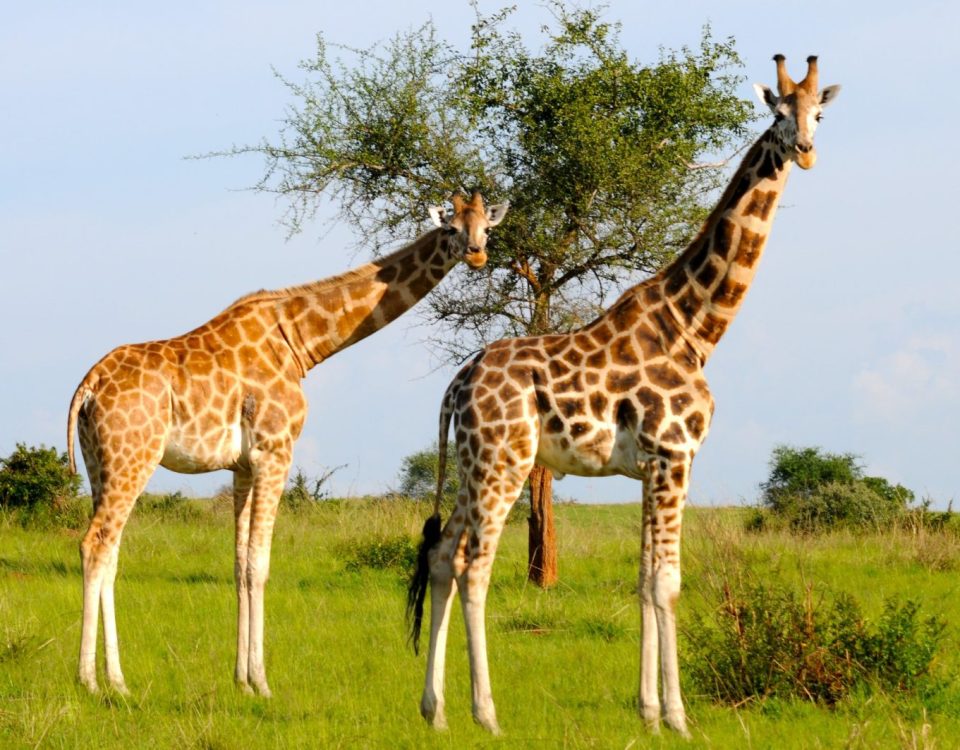
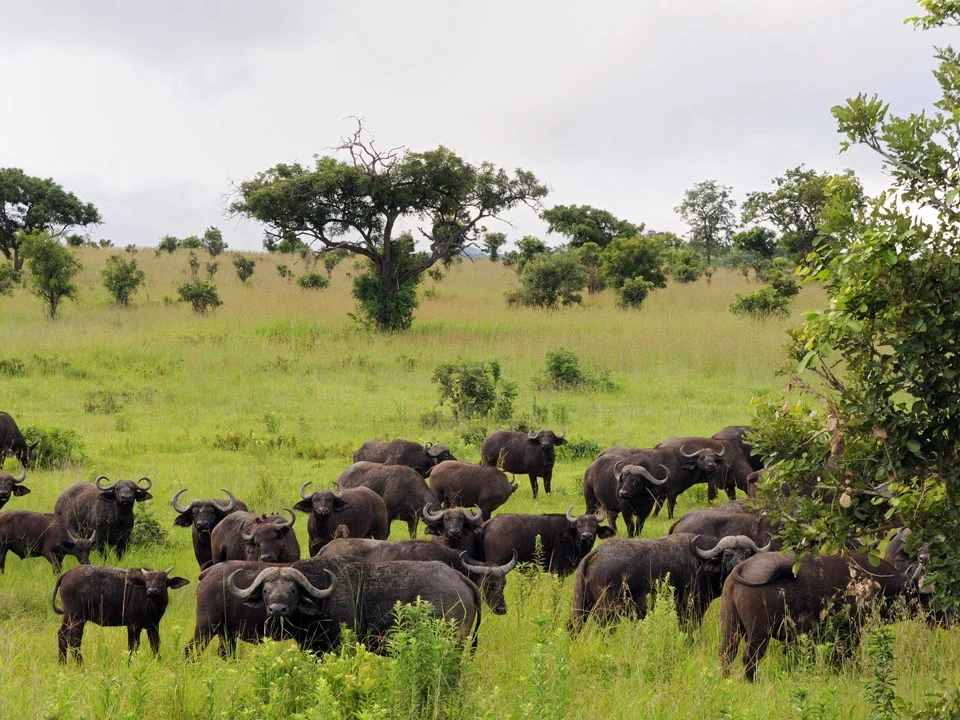
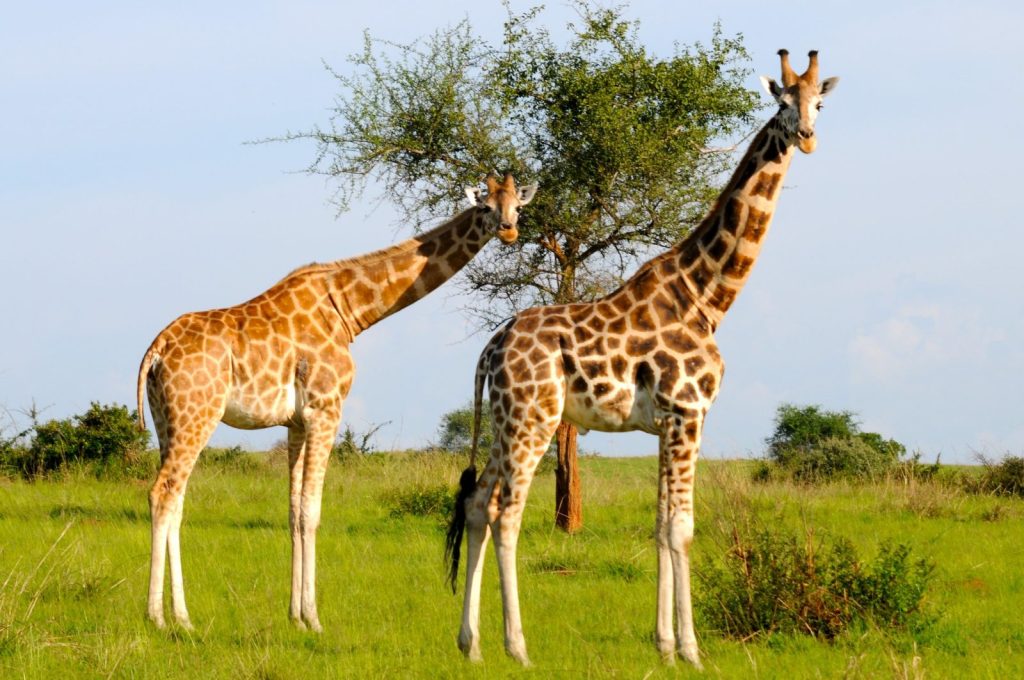
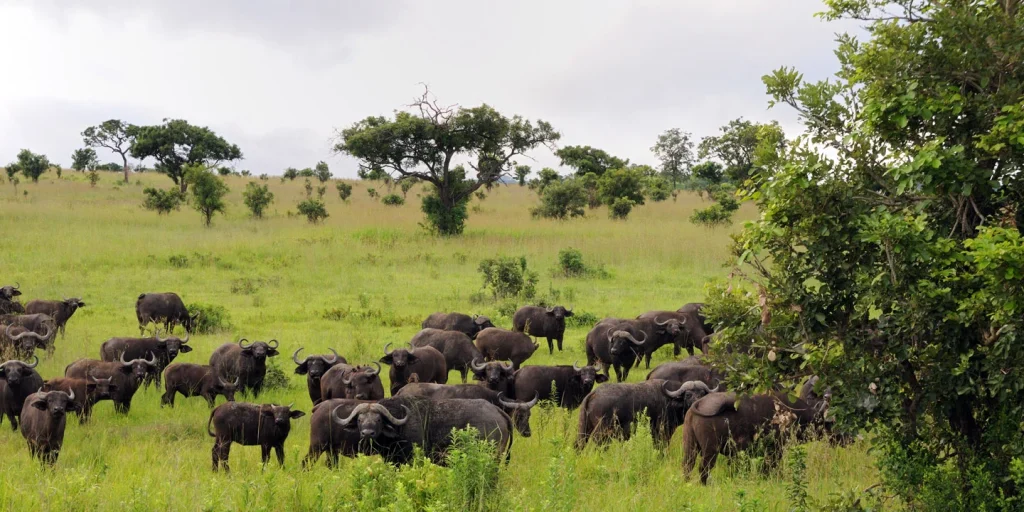
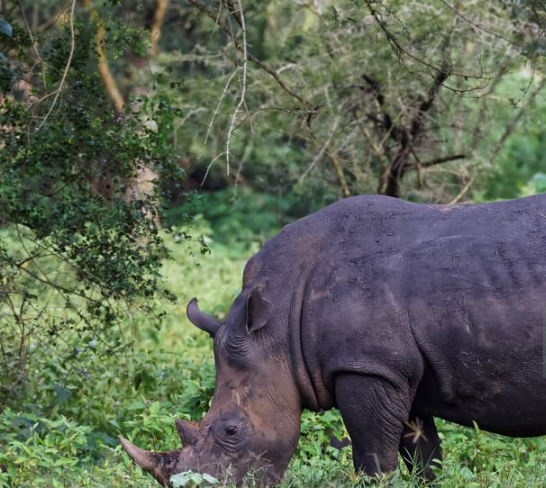
Large herds of buffaloes, leopards, hippopotamuses, Thomson gazelles, baboons, reedbuck, giraffes, zebras, roan antelopes, topi, eland, waterbuck, and impala are among the many wildlife species that call the national park home.
Finding the hidden treasures of Ibanda-Kyerwa National Park Observing wildlife while learning about the park’s hidden treasures Bird species
One of Tanzania’s top birding destinations is Ibanda-Kyerwa National Park, which is home to more than 300 different species of birds, including the African Green Broadbill, Bronze Sunbird, African Pitta, Abyssinian Ground Thrush, Great Blue Turaco, Purple-Breasted Sunbird, Blue-Headed Sunbird, Black-Headed Gonolek, Grey Crowned Crane, Red-Rumped Tinkerbird, Black-Bee-Eater, Black-Capped Apalis, Black-Throated Apalis, Blue-Breasted Kingfisher, shoebill stork, African fish eagle, the African fish eagle, African olive pigeon, Augur buzzard, Bar-tailed trogon, Bearded vulture, Black saw-wing, Egyptian goose, Great crested grebe, Hartlaub’s little grebe, Narina trogon, and Peregrine, among others.
River Kagera
This park’s abundant resources are nourished by the Kagera River, which serves as its primary water source. The Kagera river segment originates in Burundi and empties into Lake Rweru. From the lake, it travels eastward along the borders of Rwanda and Tanzania and Rwanda and Brundi until it meets the Ruvubu River. Therefore, the Nyabarongo of Rwanda, which supplies Lake Rweru, and the Ruvubu of Burundi are the two main tributaries that supply the Kagera’s waters. Which of these two feeder rivers is longer and, thus, the Nile’s ultimate source is unknown. The Kagera runs north from the confluence over Rusumo Falls along the Rwanda-Tanzania border. This magnificent river divides the two countries as well as the two national parks, the Ibanda-Kyerwa National Park in Tanzania and the Akagera National Park in Rwanda, which are home to a variety of crocodiles, hippos, and fish species, including Nile tilapia, catfish, and perch, as well as some water bird species.
Beautiful scenery
A wide range of natural vegetation, including plains, hills, valleys, meandering rivers, savannah woods, and sporadic lakes, give the park a distinctive and thrilling appearance.
Incredible activities to engage in while exploring Ibanda-Kyerwa National Park’s hidden treasures.
Drives for games
In order to find the park’s amazing wildlife species, visitors can take part in game drive safaris in Ibanda-Kyerwa National Park, where they can explore the park’s open grasslands, hills, acacia groves, and basins. Since the animals are at their most active in the park, game drives are often conducted in the early morning and late afternoon. You will get the opportunity to see a wide range of species up close in their natural habitat while on a guided game drive safari in the park, including buffaloes, leopards, hippopotamuses, Thomson gazelles, baboons, reedbuck, giraffes, zebras, roan antelopes, topi, eland, waterbuck, and impala.
Observing birds
With more than 300 bird species, the national park is a birdwatcher’s dream come true in Tanzania. Both migratory and endemic birds are drawn to the park’s varied habitats, which include woodlands, grasslands, hills, valleys, meandering rivers, and a few lakes. The Abyssinian Ground Thrush, Great Blue Turaco, Purple-Breasted Sunbird, African Thrush, Blue-Headed Sunbird, Black-Headed Gonolek, Grey Crowned Crane, Red-Rumped Tinkerbird, Black-Bee-Eater, Black-Capped Apalis, Black-Throated Apalis, Blue-Breasted Kingfisher, shoebill stork, African fish eagle, the African fish eagle, African olive pigeon, Augur buzzard, Bar-tailed trogon, Bearded vulture, Black saw-wing, Egyptian goose, Great crested grebe, Hartlaub’s little grebe, and others are among the many bird species you will have the chance to see during your birding safari in the park.
Nature Walks
The management of Ibanda-Kyerwa National Park provides ranger-guided nature walks in select park sections. You will explore several hiking routes during the two to three-hour nature walks, giving you extra time to spend with butterflies, insects, and plants that you may otherwise overlook when on a safari. Among other things, you will take in the refreshing breeze, the stunning hills, and the pleasant sounds of various birds.
Safaris and camping
In Ibanda-Kyerwa National Park, camping provides an exciting way to get in touch with nature for those looking for a more immersive experience. Visitors may experience the nature under the stars thanks to campsites furnished with basic conveniences. As stories and experiences are exchanged, campfire gatherings help to strengthen bonds between travelers. Depending on the trip, the sounds of nighttime nature create an enchanted mood. The sample experience is enhanced by the stunning sunrise and the sounds of nature, making it a memorable part of every park visit.
The park’s entrance
Travelers have handy options because Ibanda-Kyerwa National Park is reachable by road and air.
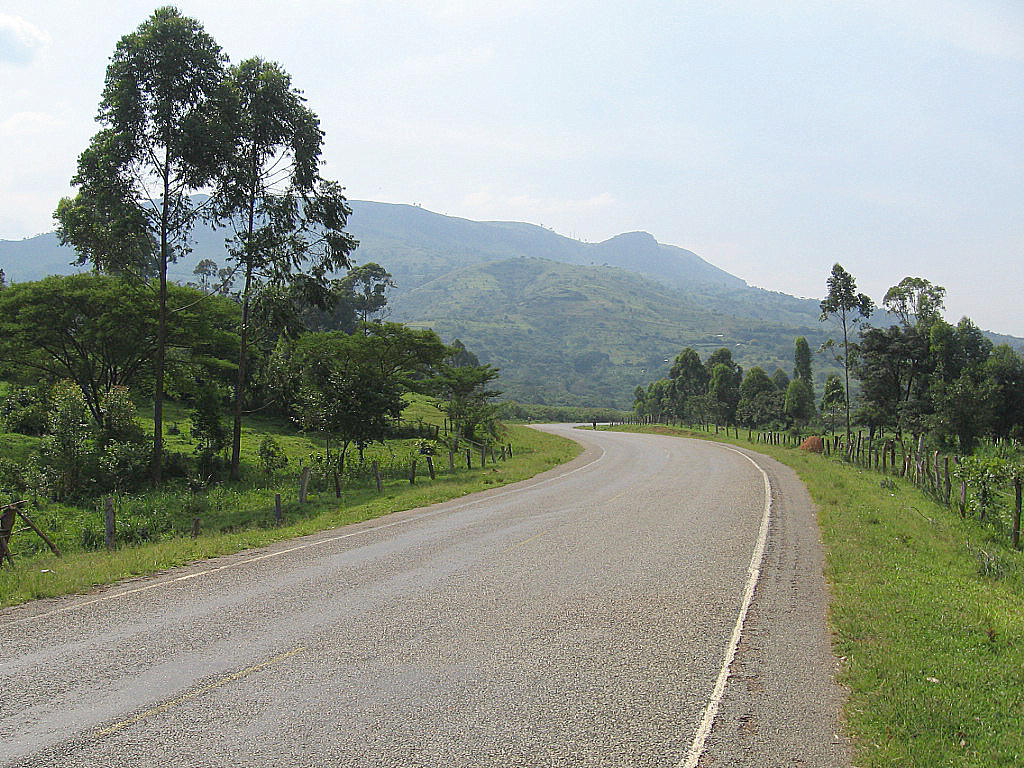
By Road: Take either the Chato to Murongo route (327km) or the Bukoba to Murongo route (220km) to get to the park. Murongo settlement, which is only 3.5 kilometers from the park’s entrance, offers another way for visitors from Uganda to enter the area.
By Air: Take advantage of the convenience and quickness of a planned flight to Kigoma or Chato Airports for easy access to the park’s attractions.
Where to go when exploring Ibanda-Kyerwa National Park’s hidden treasures.
Visitors on a Tanzania safari must bring their own camp facilities because the national park is yet a freshly gazetted area and only offers special campsites. No lodges have been built around it yet. However, people can choose to remain in the neighboring towns outside the park. The closest town, Murongo, which serves as the park’s boundary, is roughly three and a half kilometers from the national park.