Are there leopards in Samburu Kenya?
Samburu National Reserve, nestled in the arid northern part of Kenya, is a hidden gem for wildlife enthusiasts. While it may not be as internationally renowned as the Maasai Mara or Amboseli, Samburu offers a unique safari experience that many seasoned travelers consider unforgettable. Among its array of wildlife, a common question often arises: Are there leopards in Samburu Kenya? The answer is a resounding yes. This article explores the presence of leopards in Samburu, their behavior, where and when to spot them, and why Samburu is one of the best places in Kenya to observe these elusive big cats.
A Brief Introduction to Leopards in Kenya
Kenya is home to all members of the iconic Big Five: lion, elephant, buffalo, rhino, and leopard. However, leopards are often the hardest to spot due to their nocturnal and solitary nature. These magnificent creatures are incredibly adaptable and can be found in various environments across the country, including forests, savannahs, and mountainous regions. Yet, leopards in Samburu Kenya have distinct traits that set them apart due to their habitat and interactions with other wildlife.
Samburu: A Unique Habitat
Samburu is characterized by its dry, rugged terrain, acacia woodlands, and the life-giving Ewaso Nyiro River that flows through it. Unlike the grassland expanses of southern Kenya, Samburu’s semi-arid landscape provides the perfect camouflage for predators like leopards. The region’s remoteness and relatively low tourist traffic also contribute to a more undisturbed habitat, allowing leopards to thrive without excessive human interference.
The reserve is part of a larger ecosystem that includes the Buffalo Springs and Shaba National Reserves, expanding the territory available for wildlife. These interconnected parks form a critical conservation area and support the presence of leopards in Samburu Kenya.
Leopard Behavior in Samburu
Leopards are known for their stealth and solitary lifestyles. They are primarily nocturnal, making them difficult to observe during daytime game drives. However, Samburu’s terrain and the patterns of local wildlife allow for more frequent sightings, especially during early mornings and late afternoons.
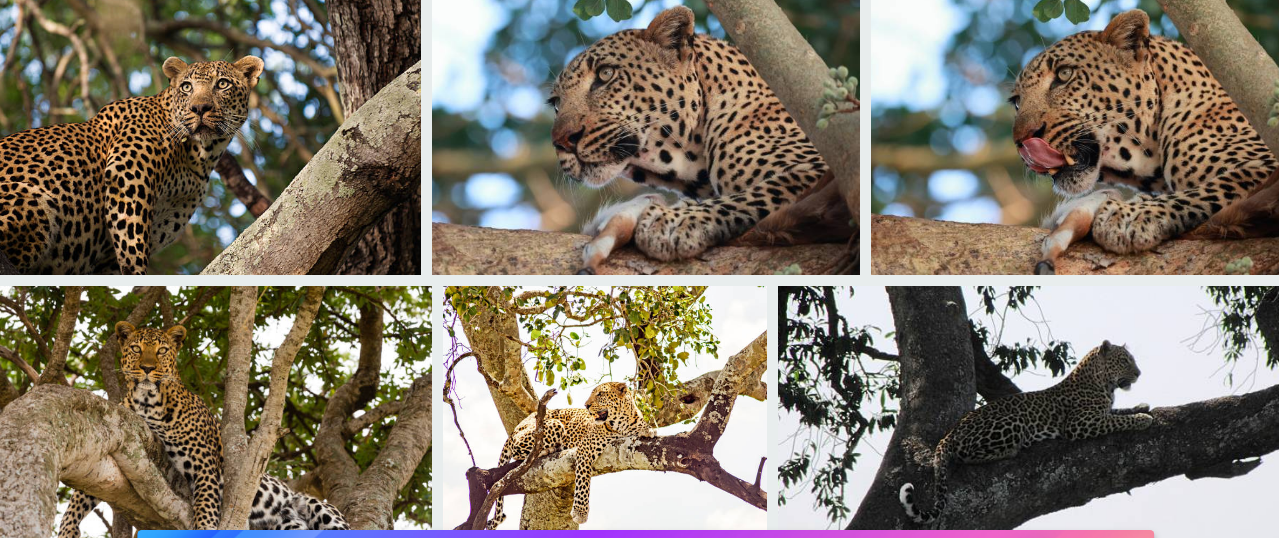
Samburu leopards often rest in the thick bushes or lie on high tree branches, scanning their surroundings. The acacia and doum palm trees offer excellent vantage points and safety from other predators. Visitors are often thrilled to see leopards lounging on branches or descending to stalk prey near the riverbanks.
How Common Are Sightings?
While leopards are elusive by nature, leopards in Samburu Kenya are relatively easier to spot compared to other locations in East Africa. This is due to a few reasons:
- Skilled Local Guides: The local Samburu guides have incredible tracking skills and deep knowledge of the terrain, increasing the chances of successful leopard sightings.
- Habitat Familiarity: Leopards in this region have become accustomed to vehicles and are less likely to flee when spotted.
- Smaller Reserve Size: Samburu’s compact size makes game drives more concentrated, improving the likelihood of encountering leopards within a shorter span of time.
Best Times to See Leopards in Samburu
The dry seasons from June to October and from December to March are the best times to visit Samburu for leopard sightings. During these months, animals congregate near water sources, making predator-prey interactions more common. Early morning and dusk are ideal times for game drives as leopards are most active during these hours.
Leopard Conservation in Samburu
Conservation efforts are essential for maintaining the population of leopards in Samburu Kenya. Organizations such as the Ewaso Lions Project and Save the Elephants collaborate with local communities to monitor and protect big cats. Camera traps, GPS collars, and community outreach programs help scientists understand leopard behavior and mitigate human-wildlife conflict.
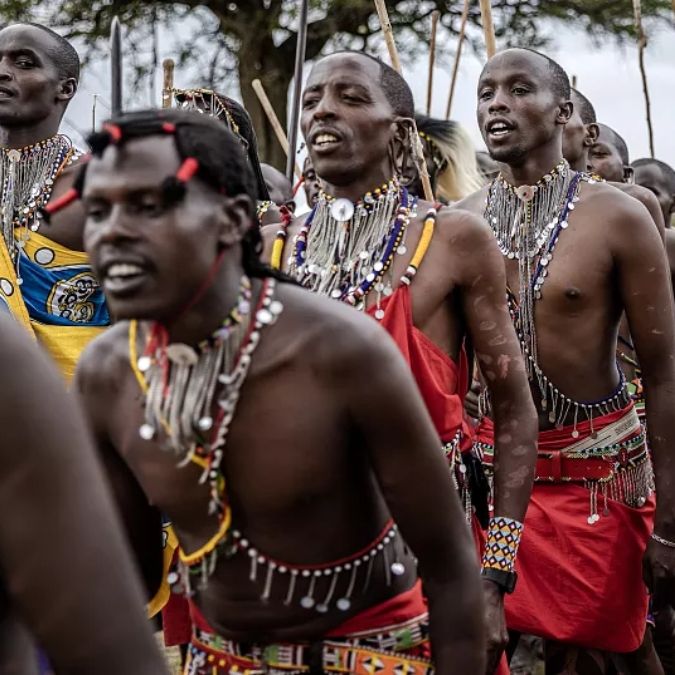
Community involvement is a significant part of conservation in Samburu. Many Samburu warriors, known as “moran,” are now employed as wildlife scouts and conservation ambassadors, promoting coexistence with predators like leopards.
Other Wildlife in Samburu
While tracking leopards, visitors also encounter a variety of other wildlife species. Samburu is famous for the Samburu Special Five, which includes the Grevy’s zebra, reticulated giraffe, Somali ostrich, gerenuk, and Beisa oryx. Lions and cheetahs also roam the area, as do elephants and crocodiles near the river.
Birdwatching is another highlight, with over 450 species recorded in the reserve. From kingfishers to eagles, the skies of Samburu are vibrant with life.
Photographic Opportunities
Photographers seeking to capture leopards in Samburu Kenya will find the setting ideal. The unique lighting conditions of the region, particularly during sunrise and sunset, create dramatic backdrops. The red soil and golden grasses contrast beautifully with the leopard’s spotted coat, offering remarkable photo opportunities.
Guided photography safaris are increasingly popular in Samburu, with specialized vehicles and expert photographers helping guests capture that perfect leopard shot. Patience and quiet observation often pay off with stunning images.
Tips for Spotting Leopards in Samburu
- Go on multiple game drives: Increasing your time in the field raises your chances of seeing leopards.
- Use binoculars: Leopards are masters of camouflage and often rest in tree branches or bushes.
- Listen to your guide: Guides know the animal tracks, call patterns, and territorial markers.
- Visit during the dry season: Wildlife tends to concentrate around water sources, drawing in predators.
- Stay near the Ewaso Nyiro River: This is a prime hunting and resting ground for leopards.
Cultural Ties to Leopards
Leopards hold a place of reverence in Samburu folklore. The local communities have long respected these predators, attributing them with traits of intelligence and stealth. In some tales, leopards are seen as guardians of the bush, maintaining the natural order.
cultural tourism in Samburu often includes storytelling sessions where visitors learn about the symbolic importance of leopards and other wildlife. These interactions deepen the appreciation for the reserve’s fauna and the people who share the land with them.
Lodges and Camps Focused on Leopard Viewing
Several lodges in Samburu are strategically located near leopard hotspots. Lodges like Saruni Samburu, Elephant Bedroom Camp, and Samburu Intrepids offer not only luxurious accommodations but also guided experiences focused on spotting leopards in Samburu Kenya.
Some camps use motion-detecting night cameras to capture nocturnal activity. These are shared with guests during dinner or morning briefings, adding excitement and insight into the elusive lives of leopards.
Safety and Respect for Wildlife
While leopards are dangerous animals, they rarely pose a threat to humans on safari. Following the rules of the park and listening to your guide ensures safety. Never attempt to approach a leopard on foot, and always remain inside the vehicle during sightings.
Respecting the animal’s space and minimizing noise or flash photography contributes to sustainable tourism practices. The wellbeing of leopards in Samburu Kenya depends on responsible tourism.
For anyone intrigued by the idea of seeing a leopard in the wild, Samburu should be high on the list. Its combination of striking landscapes, knowledgeable guides, and a relatively undisturbed environment makes it one of the best places to witness these cats in action. The answer to the question “Are there leopards in Samburu Kenya?” is a definitive yes-and beyond that, Samburu may be one of the most rewarding places in Africa to see them.
Whether you’re a seasoned safari-goer or a first-time visitor, the allure of spotting leopards in their natural habitat is hard to resist. Samburu not only delivers on that front but also enriches your experience with culture, conservation, and a deep connection to nature. It’s more than a destination-it’s a discovery of the wild soul of Kenya. Book your Safari with Us!