Can I self-drive in Kenya safaris?
Kenya, home to the Big Five and world-renowned national parks like Maasai Mara, Amboseli, and Tsavo, is a dream destination for wildlife lovers. While most visitors opt for guided tours, a growing number of adventurous travelers are asking: Can I self-drive in Kenya safaris? The answer is yes. Self-drive Kenya safaris offer freedom, flexibility, and an unforgettable connection with nature. However, they also require preparation, awareness, and respect for local rules and wildlife. This guide explores everything you need to know about self-driving in Kenya, from logistics to safety, routes, vehicles, and the pros and cons.
Why Choose Self-Drive Kenya safaris?
Self-drive Kenya safaris appeal to independent travelers who enjoy control over their itineraries. Rather than being on someone else’s schedule, you get to decide when to start your game drives, which routes to take, and where to stop for scenic views or a break. You can explore at your own pace and even detour to off-the-beaten-path destinations.
Another advantage is cost-effectiveness. Hiring a vehicle for a self-drive safari is often cheaper than booking an all-inclusive guided tour. You can also save on accommodation by choosing campsites or affordable lodges.
Finally, self-drive safaris provide an unmatched sense of adventure. Driving through the savannah, navigating dirt roads, and spotting wildlife without a guide enhances your sense of achievement.
Is It Safe to Self-Drive in Kenya?
The question of safety naturally arises when considering self-drive Kenya safaris. While Kenya is generally safe for tourists, self-driving does come with some risks. However, with proper planning and common-sense precautions, you can enjoy a secure and memorable experience.
Here are key safety tips:
- Stick to well-traveled routes: Avoid venturing into remote areas without prior knowledge or a detailed map.
- Observe park rules: Stay on designated tracks, don’t get out of the vehicle in game parks, and never feed or approach animals.
- Drive cautiously: Many roads, especially in parks, are unpaved. A 4×4 vehicle is strongly recommended.
- Avoid night driving: Road conditions are poor after dark, and visibility is limited. Wildlife and livestock often roam the roads.
- Check vehicle condition: Ensure your rental car is in top shape with spare tires, tools, and an extra jerrycan of fuel.
- Keep emergency contacts: Have a list of emergency numbers, including the Kenya Wildlife Service (KWS) and your car rental company.
Documents Needed for Self-Drive Kenya safaris
To drive in Kenya, you’ll need:
- A valid driver’s license from your home country. If not in English, carry an International Driving Permit (IDP).
- Valid passport and visa.
- Rental agreement and insurance documents from your vehicle provider.
- National park entry permits if you plan to visit parks managed by KWS or private conservancies.
It’s also useful to carry a paper map or offline navigation app as cellular coverage may be unreliable in remote areas.
Best Vehicles for Self-Drive Kenya safaris
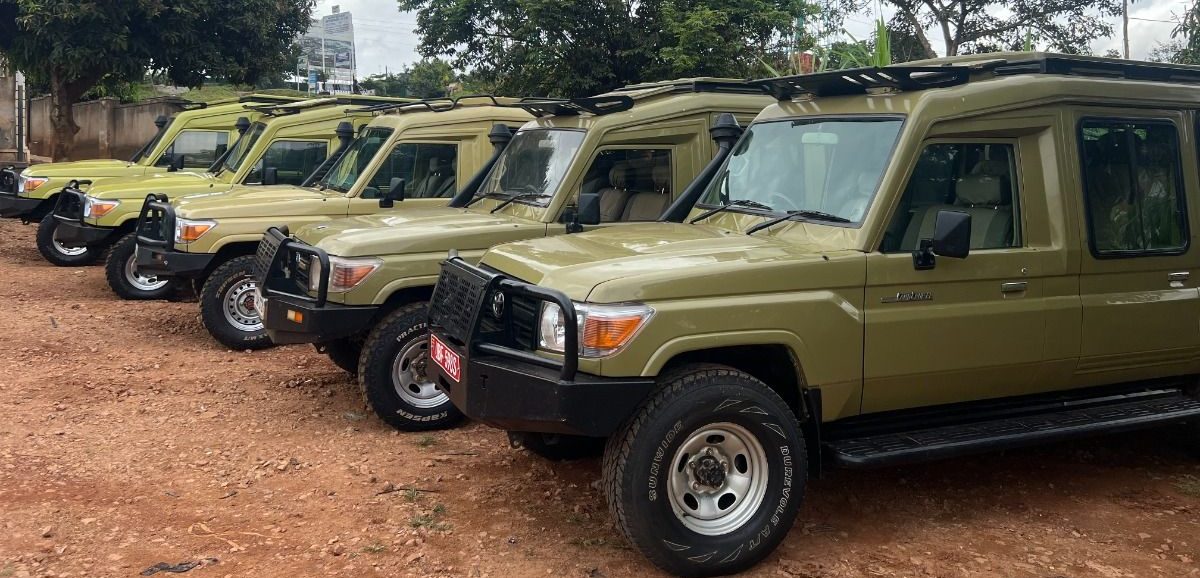
A reliable 4×4 vehicle is essential for self-drive Kenya safaris. Many parks have rough roads, muddy patches during the rainy season, or river crossings. Popular self-drive safari vehicles include:
- Toyota Land Cruiser: Durable, high clearance, and comfortable for long drives.
- Nissan X-Trail or Pathfinder: Suitable for moderate terrain.
- Toyota Prado: A favorite for families or groups needing more space.
- Camper vans with rooftop tents: Ideal for camping safaris and long stays inside parks.
Ensure the vehicle has a spare tire, jack, and first-aid kit. Satellite phones and CB radios are helpful extras.
Where to Go: Top Self-Drive Safari Parks in Kenya
Kenya offers several parks suitable for self-drive adventures:
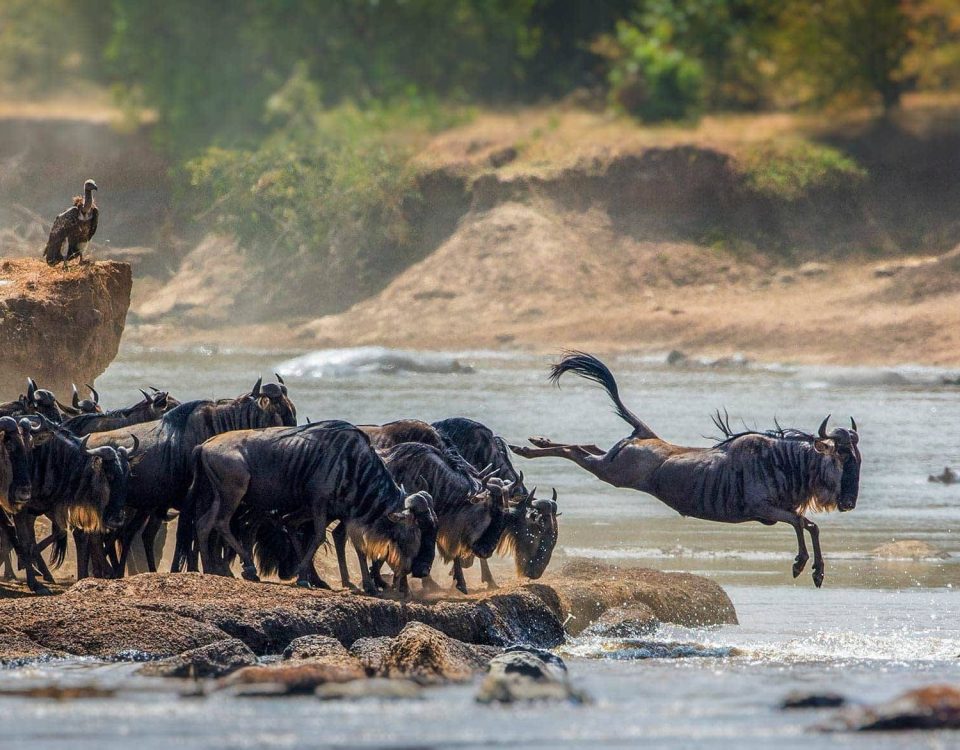
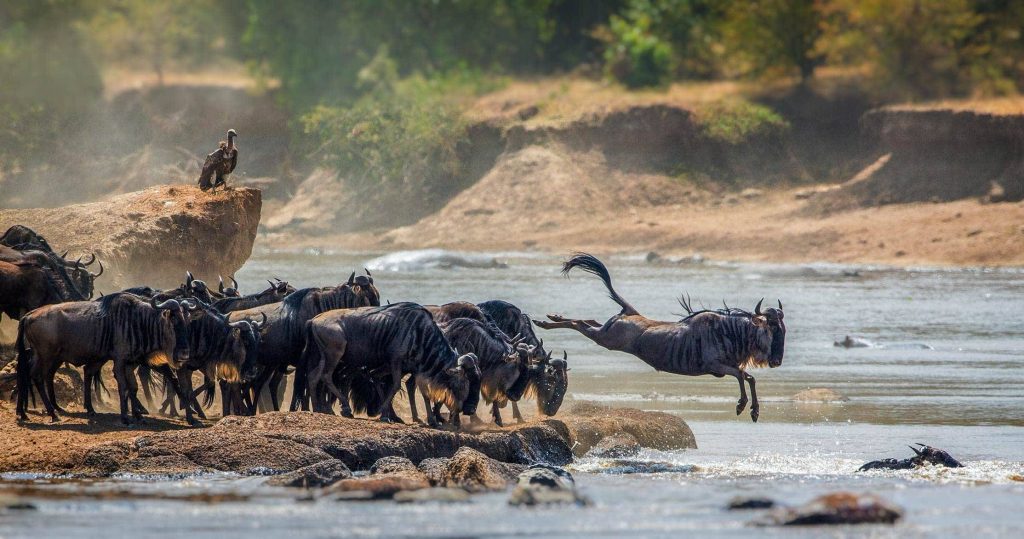
- Maasai Mara National Reserve
- Best time: July to October (Great Migration).
- Roads: Mostly accessible, but some areas get muddy during rains.
- Wildlife: Big Five, wildebeest, cheetahs, giraffes, hyenas.
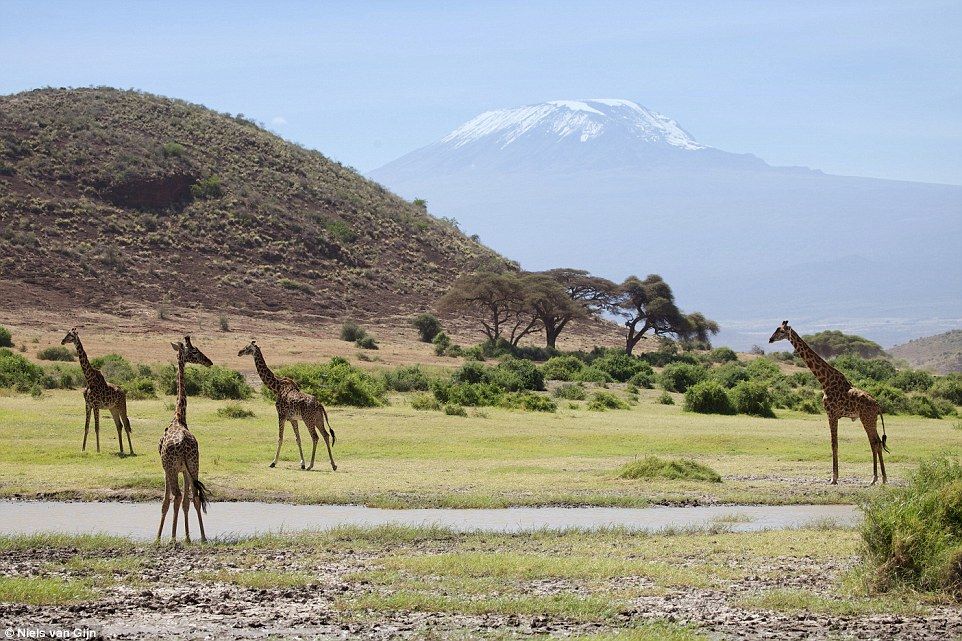
- Amboseli National Park
- Famous for elephants and views of Mount Kilimanjaro.
- Well-marked roads, but occasional flooding.
- Lake Nakuru National Park
- Compact and easy to navigate.
- Known for flamingos, rhinos, and leopards.
- Tsavo East and West National Parks
- Vast and less crowded.
- Diverse landscapes and excellent birdwatching.
- Good for experienced drivers.
- Nairobi National Park
- Just outside the capital.
- Great for day safaris and beginners.
- Aberdare National Park
- Mountainous terrain and lush forest.
- Requires 4×4 and experience.
When choosing parks, consider distances, terrain, accommodation options, and road conditions.
Camping on Self-Drive Kenya safaris
Camping enhances the self-drive Kenya safaris experience. Most national parks and conservancies have public or private campsites, ranging from basic to semi-luxury.
- Public campsites: Managed by KWS, often have basic amenities like water and toilets.
- Private campsites: Offer more facilities and better maintenance.
- Bush camping: Allowed in some areas with prior permission.
Always follow safety guidelines when camping: store food securely, avoid walking at night, and respect wildlife.
Navigation and Communication
Reliable navigation is critical. GPS apps like Maps.me or Google Maps with offline downloads work well. Ask locals or rangers for directions when in doubt.
Mobile coverage is available in most towns and major parks, but can be weak or absent in remote areas. Carry a local SIM card with data and a power bank. Some rental companies offer satellite phones.
Etiquette and Responsible Driving
Practicing good safari etiquette makes the experience better for you, wildlife, and other travelers.
- Keep a safe distance from animals.
- Don’t rev engines or play loud music.
- Stay on marked roads to protect habitats.
- Yield to animals crossing roads.
- Respect other drivers and avoid crowding.
Minimize plastic use and dispose of waste responsibly.
Pros of Self-Drive Kenya safaris
- Flexibility: Go where you want, when you want.
- Privacy: No crowds or fixed group tours.
- Cost savings: Cheaper than guided safaris.
- Adventure: More immersive and hands-on.
- Customization: Pick your pace, route, and accommodation style.
Cons of Self-Drive Kenya safaris
- Navigation challenges: Getting lost is possible.
- Mechanical issues: Flat tires or breakdowns can occur.
- Wildlife encounters: No guide to interpret animal behavior.
- Logistics: You handle fuel, permits, and bookings.
- Safety concerns: Must be alert and cautious.
Weighing the pros and cons can help you decide if this safari style fits your travel personality.
Tips for a Successful Self-Drive Safari
- Start early: Wildlife is more active in the morning.
- Carry binoculars and a camera: You may not always get close to animals.
- Stock up: Bring enough water, snacks, and fuel.
- Book in advance: Reserve park entry and campsites.
- Stay informed: Check park rules and local weather conditions.
- Be respectful: To wildlife, communities, and the environment.
- Practice patience: Not every drive guarantees sightings.
Alternatives to Full Self-Drive
If you’re not confident driving full-time, consider:
- Partial self-drive: Drive between destinations, then hire guides inside parks.
- Driver hire: Rent a car with a driver/guide for part of the trip.
- Join a convoy: Some companies organize group self-drive safaris.
These hybrid options combine independence with expert support.
So, can I self-drive in Kenya safaris? Absolutely. Self-drive Kenya safaris are not only possible but can be deeply rewarding. With the right vehicle, preparation, and mindset, you can enjoy one of the most thrilling wildlife experiences in Africa on your own terms. Whether you’re tracing lion tracks in Maasai Mara, gazing at elephants against Mount Kilimanjaro in Amboseli, or camping under the stars in Tsavo, the freedom and intimacy of a self-drive adventure are hard to beat.
If you’re a confident traveler seeking flexibility and immersion, Kenya is one of the best countries in Africa for self-drive safaris. Embrace the wild, plan well, and hit the road—your safari story awaits.