Climb Mount Kilimanjaro for an Epic Adventure
Climb Mount Kilimanjaro Adventure, standing tall at 19,341 feet (5,895 meters), is Africa’s highest peak and one of the most iconic mountains in the world. Located in Tanzania, it draws adventurers from every corner of the globe, eager to take on the challenge of summiting its snow-capped peak. But beyond the physical challenge, climbing Kilimanjaro is a journey through a diverse landscape of ecosystems, an opportunity to encounter incredible wildlife, and a chance to immerse yourself in the culture of the surrounding communities. Whether you’re an experienced mountaineer or a first-time climber, the adventure promises to be nothing short of epic. In this article, we will explore the unique aspects of climbing Mount Kilimanjaro, including the animals, places to visit, modes of transport, the people you will meet, the best times to explore, and accommodation options for your journey.
Climb Mount Kilimanjaro Adventure Begins
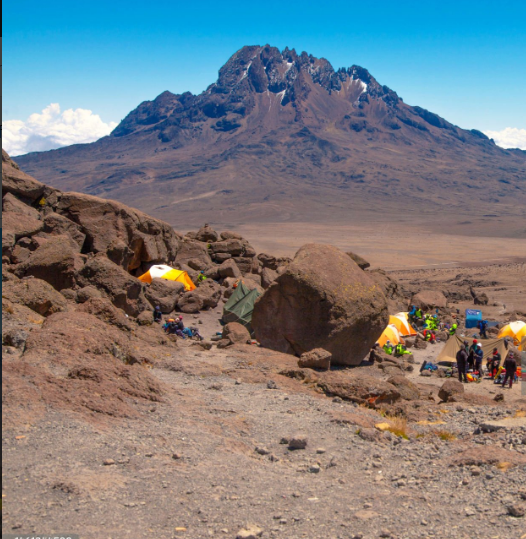
The first step of any Kilimanjaro adventure is preparation. To embark on this epic journey, it is essential to book your climb with a certified tour operator. These operators provide guides, porters, and all the necessary equipment needed for the climb. The climb itself can last anywhere from five to nine days depending on the route you choose. Each route offers its own unique features, from the lush rainforest areas to the barren, otherworldly landscape near the summit. But regardless of the route, the experience of summiting Africa’s tallest mountain is bound to leave an indelible mark on your soul.
Exploring the Routes
Mount Kilimanjaro has several routes that vary in difficulty, scenery, and the time it takes to complete the climb. Some of the most popular routes include the Marangu, Machame, Lemosho, Rongai, and Shira routes. Each offers a different perspective of the mountain, allowing you to see a variety of ecosystems and natural beauty.
The Marangu Route, also known as the “Coca-Cola Route,” is the most straightforward and often considered the easiest route. It is the only route with huts for shelter along the way, providing comfort and a sense of security. It is a great choice for climbers who want to experience Kilimanjaro but are short on time. However, this route is also known for its relatively higher success rate, making it a popular choice for first-time trekkers.
For those seeking a more scenic and challenging experience, the Machame Route is highly recommended. Known as the “Whiskey Route,” Machame offers stunning views of the mountain, passing through a variety of landscapes such as tropical rainforests, alpine meadows, and the alpine desert. This route is typically more physically demanding but provides a richer experience for those looking to truly challenge themselves.
The Lemosho Route is considered one of the most beautiful routes. It starts on the western side of the mountain and takes climbers through dense rainforests before reaching the higher altitudes. Lemosho is a longer route, which gives hikers a better chance of acclimatizing to the altitude, making it one of the best routes for a higher summit success rate.
The Rongai Route, which begins on the northern side of the mountain near the Kenyan border, is quieter and less trafficked than the other routes. This makes it an excellent choice for those who want a more peaceful and solitary journey. The landscape along this route is also unique, offering a slightly different perspective of the mountain, particularly in the areas of dense forests and high moorlands.
Finally, the Shira Route offers a slightly more remote experience, starting from the western side and traversing the Shira Plateau. The views from this route are spectacular, but it is also one of the most challenging, as it involves a steep ascent right from the start.
A Wildlife Safari at Climb Mount Kilimanjaro Adventure
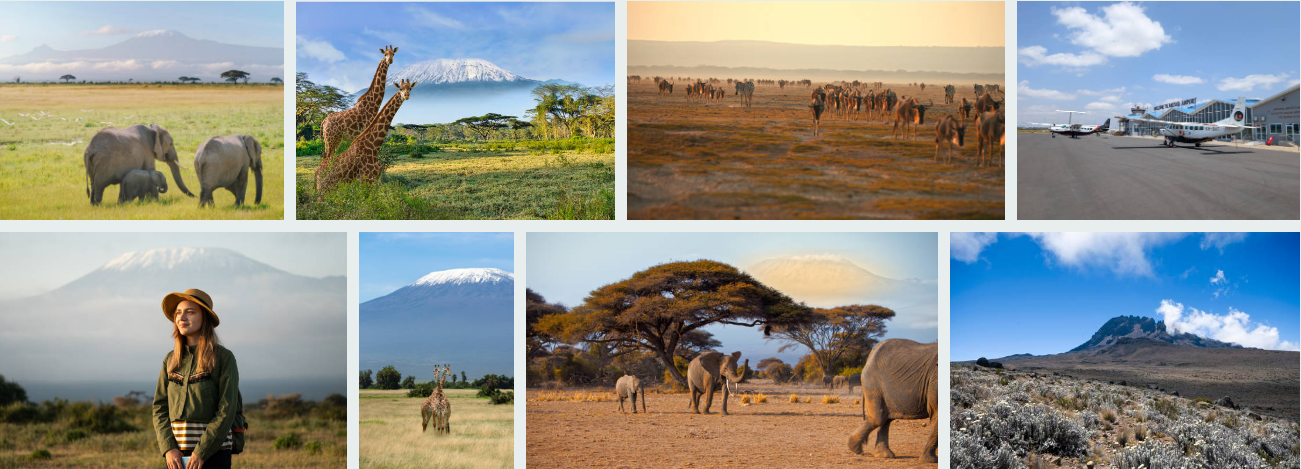
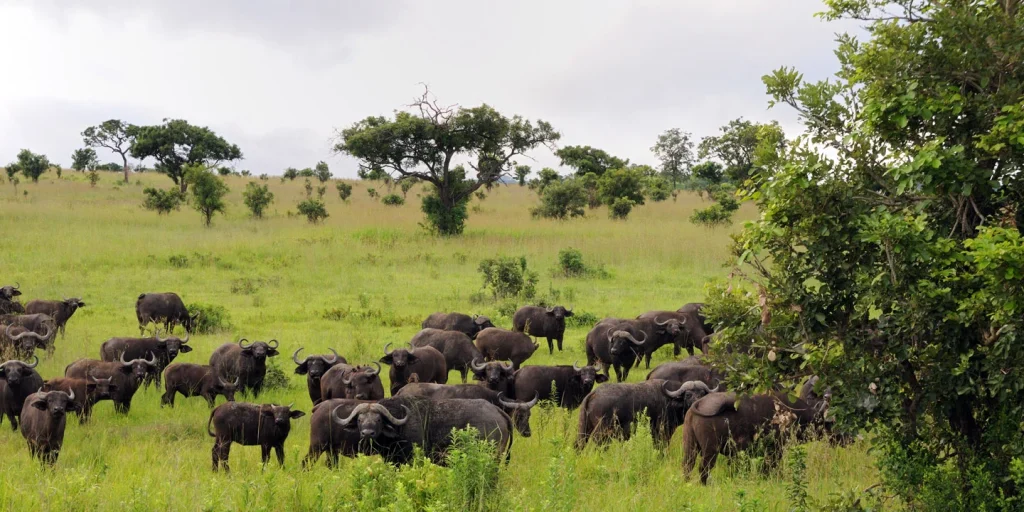
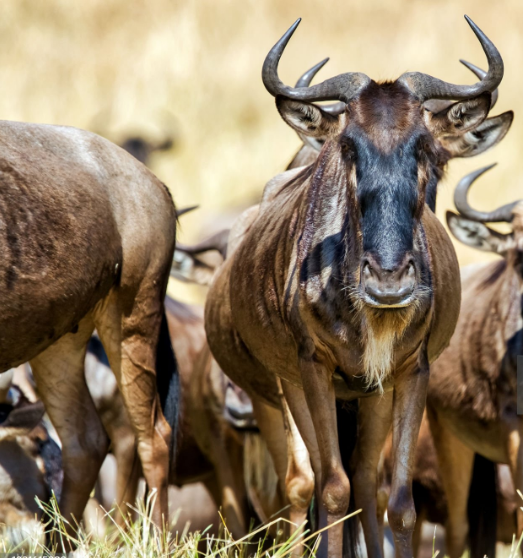
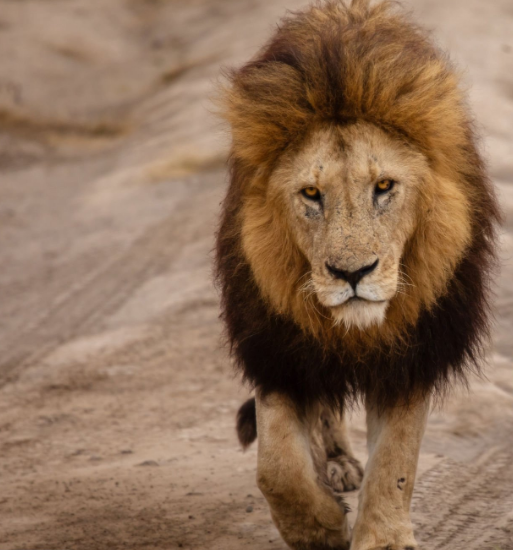
One of the major highlights of climbing Mount Kilimanjaro is the opportunity to encounter diverse wildlife both on the mountain and in the surrounding areas. Kilimanjaro National Park is home to a range of species that thrive in different ecosystems, from tropical rainforests to alpine deserts.
In the lower regions of the mountain, trekkers may spot various animals such as blue monkeys, baboons, and colobus monkeys, which play and swing among the trees. As you ascend, the landscape changes, and you might encounter antelopes and elephants in the lower forested regions. Elephants are particularly common in the foothills, where they roam the dense forests in search of food.
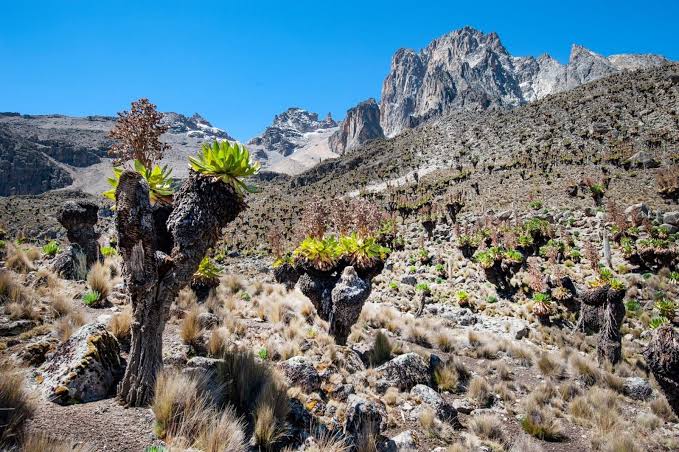
Birdwatchers will be delighted by the variety of bird species found on the slopes of Kilimanjaro, including the white-necked raven, sunbirds, and the scarlet-tufted malachite sunbird, a colorful and vibrant species. The higher altitudes of Kilimanjaro are home to a more barren ecosystem, so wildlife sightings become less frequent, but the impressive flora, such as the giant groundsels and lobelia plants, make for an awe-inspiring sight.
For those extending their adventure beyond the mountain itself, the nearby Amboseli National Park offers excellent opportunities for wildlife sightings, particularly elephants. The park is located at the base of Kilimanjaro, and its flat plains offer iconic views of the mountain towering in the background, creating one of the most photogenic landscapes in Africa.
The People of Climb Mount Kilimanjaro Adventure
Climbers will not only encounter fascinating wildlife but will also interact with the people who call the Kilimanjaro region home. The Chaga people are the predominant ethnic group living around the mountain, and their culture is deeply intertwined with the history of Kilimanjaro. They have lived in the region for centuries and are known for their rich agricultural heritage, particularly in growing coffee and bananas.
The Chaga people play an integral role in the tourism industry, as many guides, porters, and cooks are from this community. Their deep knowledge of the mountain, its trails, and its ecosystems makes them invaluable to climbers. The Chaga people are also known for their warmth and hospitality, making your journey through the mountain region even more special. You may find yourself learning about their customs, traditions, and lifestyle while climbing, adding a cultural dimension to your adventure.
The Best Time to Climb Mount Kilimanjaro Adventure
The best time to climb Mount Kilimanjaro is during the dry seasons, which generally run from late June to October and December to February. During these months, the weather is more predictable, with clear skies and less rain, which makes for better visibility and more comfortable trekking conditions.
It’s important to note that while the dry season is ideal for climbing, it also coincides with peak tourist season, so it’s best to book your climb in advance to secure your spot. If you prefer fewer crowds and are prepared for slightly cooler and wetter conditions, the months of April and May offer a quieter, though more challenging, experience.
Accommodation Options at Mount Kilimanjaro Adventure
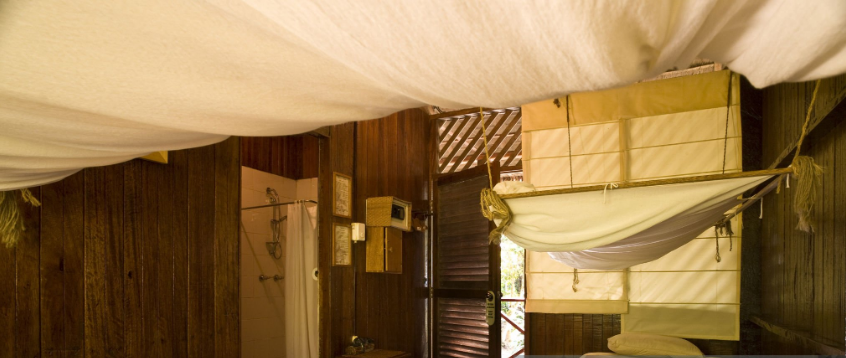
Before and after your climb, there are several accommodation options available near Mount Kilimanjaro, ranging from budget-friendly guesthouses to luxurious lodges. In the nearby town of Moshi, you can find a range of accommodations catering to different budgets. From modest guesthouses offering basic amenities to upscale hotels providing breathtaking views of the mountain, you will be able to find a place to rest after your climb.
For those seeking a more immersive experience, the Kilimanjaro Mountain Resort offers a beautiful setting with luxury lodges nestled in the foothills of Kilimanjaro. This resort provides the perfect base for acclimatization before the climb, and guests can enjoy activities such as guided tours, spa treatments, and nature walks.
Additionally, if you prefer a more rustic experience, there are several campsites near the mountain’s base where you can connect with nature before embarking on the climb. These campsites are ideal for those who wish to feel fully immersed in the surrounding wilderness, offering an authentic pre-climb experience.
Climbing Mount Kilimanjaro is not just an ordinary adventure; it is an epic journey that combines physical challenge, natural beauty, cultural immersion, and the opportunity to encounter incredible wildlife. From the lush rainforests teeming with life to the barren alpine desert near the summit, the mountain offers a diverse landscape that will take your breath away at every turn. Along the way, you will meet the welcoming Chaga people, explore the best routes for summiting, and be surrounded by the beauty of the animals and plants that call this mountain home. Whether you’re climbing for the challenge or the experience, Kilimanjaro promises to be an adventure you will never forget.
How to Prepare for Climbing Kilimanjaro
Preparing well is the single most important factor in successfully summiting Mount Kilimanjaro. Unlike technical mountaineering peaks, Kilimanjaro requires no ropes or climbing equipment – but it does demand cardiovascular fitness, mental resilience, and proper acclimatization. Start your preparation at least three months before your climb.
Begin with regular cardiovascular training including hiking, running, cycling, and stair climbing. Aim to hike with a loaded backpack on uneven terrain at least once a week. Strength training focusing on legs and core will help significantly on the steep sections, particularly the Barafu or Stella Point approaches to the summit.
Sleep at altitude before your climb if possible. Even a weekend at a mountain lodge at 3,000m will help your body begin to adapt. On the mountain, the golden rule is “pole pole” – slowly, slowly. Rushing is the most common cause of altitude sickness and failed summits.
Kilimanjaro Routes Compared
There are seven official routes up Kilimanjaro, each with different scenery, difficulty levels, and summit success rates. The most popular routes are:
- Machame Route (6-7 days): Known as the “Whiskey Route” for its challenging terrain, Machame is the most scenic and has a good acclimatization profile. Success rate: ~85% on 7-day itinerary.
- Lemosho Route (7-8 days): Starting from the west, Lemosho offers the most diverse scenery and the best acclimatization profile. Fewer crowds. Success rate: ~90%.
- Marangu Route (5-6 days): The only route with hut accommodation. Called the “Coca-Cola Route,” it is the shortest but has the lowest success rate (~65%) due to insufficient acclimatization time.
- Rongai Route (6-7 days): The only route approaching from the north, near the Kenyan border. Drier and less crowded, with good wildlife sightings in the lower zone.
- Northern Circuit (9 days): The longest route with the highest success rate (~95%). Circles the entire northern hemisphere of the mountain before the summit push.
Recommended Tours: 6 Days Kilimanjaro Hiking Safari | 6 Days Tanzania Wildlife Safari