

When Is the Great Migration in Serengeti?
The Great Migration in Serengeti is one of the most spectacular wildlife events on the planet. Every year, millions of wildebeest, zebras, and other herbivores embark on a journey across the plains of Tanzania and Kenya, moving in search of food and water. This awe-inspiring phenomenon is not just a display of nature’s grandeur; it’s a reminder of the delicate balance of life, the resilience of animals, and the incredible cycles that drive the planet’s ecosystems. Whether you’re an avid traveler, a wildlife enthusiast, or someone in search of a once-in-a-lifetime experience, witnessing the Great Migration should be at the top of your bucket list.
The migration itself is not a single event but an ongoing movement, taking place throughout the year. The timing and location of the migration shift, driven by the seasonal rains, but no matter when you visit, the Serengeti offers a glimpse into one of nature’s most magnificent spectacles.
Understanding the Timing of the Great Migration
The Great Migration is not confined to one specific time of year, and its exact timing can vary based on several factors, such as rainfall, grazing conditions, and the animals’ instincts. However, there are general patterns that can help travelers plan their visit to witness this extraordinary event.
1. The Migration’s Cycle:
The migration cycle follows a natural rhythm of wet and dry seasons. The wildebeest and other herbivores move in search of fresh pastures, driven by the availability of water and food. The entire journey lasts nearly a full year, with different phases occurring at specific times of the year.
-
January to March (Calving Season):
The migration’s beginning stages are usually observed in the southern Serengeti. This is the calving season, where thousands of wildebeest give birth. The lush grasslands of the southern Serengeti provide ample food for pregnant females, making it an ideal place for them to calve. During this period, the Serengeti is teeming with new life. Visitors during these months may witness baby wildebeest taking their first steps and becoming part of the grand migration journey. This period is generally considered one of the best times to see large herds of animals in a more concentrated area. -
April to May (Rains and Grass Growth):
As the rains come, the herds continue to move northward. The grasslands start to recover, and new shoots sprout, providing fresh grazing grounds. The migration moves towards the central Serengeti, where the rains support the growth of nutritious grass for the herds. This period is a transition phase, where the herds are slowly making their way toward the western and northern parts of the park. -
June to July (Western Corridor and Grumeti River Crossing):
The herds begin to reach the western Serengeti, where they face one of the most perilous challenges of the journey: crossing the Grumeti River. This is a dramatic and thrilling spectacle, as the wildebeest and zebras brave the waters, often encountering crocodiles. The crossing typically takes place between late June and early July. Visitors during this time are often treated to the sight of tens of thousands of wildebeest and zebras battling the current and predators in their path. -
August to October (Mara River Crossing and the Maasai Mara):
After crossing the Grumeti River, the herds continue their journey north, heading toward the Maasai Mara in Kenya. The Mara River crossing, one of the most iconic events of the migration, typically occurs from late July through October. This is when the wildebeest, zebras, and gazelles face another obstacle: crossing the Mara River, often filled with crocodiles. The crossing is a dangerous, heart-stopping spectacle, as herds leap into the water and attempt to reach the other side. The Mara River crossing is perhaps the most famous moment of the Great Migration, and witnessing it is a dream for many safari-goers.
-
November to December (Return South):
After spending a few months grazing in the Mara, the herds begin their journey southward, back into Tanzania. The herds move across the plains of the Maasai Mara and Serengeti in a clockwise direction, following the rains and the changing availability of food. By late November and December, the migration returns to the southern Serengeti, completing the circle. This marks the beginning of another calving season, and the cycle starts all over again.
Best Time to Visit for the Great Migration
The “best” time to visit the Serengeti to witness the Great Migration really depends on what aspect of the migration you want to see. Each phase of the journey offers a unique experience.
-
For Calving and Births (January to March):
The southern Serengeti is the place to be. If you’re hoping to witness newborn wildebeest and zebras, and the abundance of predators that follow them, this is the time to visit. You’ll have the chance to see the spectacle of births, interactions between mothers and calves, and the high drama of predators like lions and cheetahs hunting for young prey. -
For River Crossings (June to October):
If you’re most interested in witnessing the dramatic river crossings, the best time is between June and October. The Mara River crossing is a once-in-a-lifetime event, but the Grumeti River crossing, which happens earlier in the season, is equally thrilling. Be sure to plan your safari around this time if you want to experience the spectacle of massive herds braving crocodile-infested waters. -
For Overall Wildlife Experience (All Year Round):
While the timing of the migration plays a significant role in the Serengeti’s overall ecosystem, the park itself offers incredible wildlife opportunities year-round. Even if you visit during the months when the migration is not in full swing, the Serengeti is home to an abundance of wildlife, including the Big Five-lions, leopards, elephants, buffalo, and rhinos. The park’s diverse habitats ensure that you’ll never be far from an exciting wildlife encounter.
Why Is the Great Migration So Special?
The Great Migration is not just a spectacle of size; it’s a powerful demonstration of life’s endurance and determination. Over two million wildebeest, along with hundreds of thousands of zebras and gazelles, make this perilous journey every year, battling predators, drought, and starvation. The animals rely on an ancient instinct, guided by the rains and the availability of food, to complete their journey.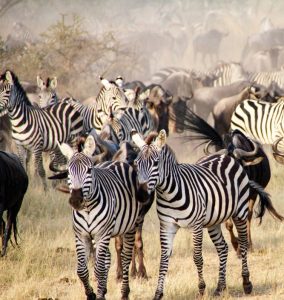
This natural phenomenon also brings about an incredible variety of interactions between predators and prey, creating some of the most dramatic moments in the wild. Lions, cheetahs, and hyenas trail the herds, while crocodiles lie in wait at river crossings. It’s nature in its purest, most raw form.
Conclusion: Planning Your Serengeti Safari
Witnessing the Great Migration in Serengeti is an unforgettable experience, a chance to witness one of the most amazing natural phenomena in the world. Whether you visit during the calving season, the river crossings, or any part of the migration, the Serengeti offers a front-row seat to nature’s grand performance. Each visit, no matter the timing, brings you closer to understanding the delicate balance that sustains life on Earth and the incredible perseverance of the animals that call the Serengeti home.
If you’re planning to visit, make sure to consider the migration’s phases and book your safari in advance to secure the best opportunities to witness this once-in-a-lifetime event. The Serengeti awaits, with its vast plains, wild creatures, and one of the most captivating spectacles in nature.













