



Planning the Ultimate East African Safari
East Africa is a realm of endless horizons, where golden savannahs meet misty mountains, sparkling lakes shimmer under the sun, and forests hum with life unseen and unheard elsewhere. A safari in this region is more than a holiday; it is a journey into the heart of a continent whose landscapes have inspired awe for millennia. From Kenya’s iconic plains to Uganda’s dense forests, from Rwanda’s volcanic slopes to Tanzania’s sweeping Serengeti, East Africa offers an unparalleled encounter with wildlife, nature, and culture. Yet, to fully experience this region, travelers must approach their journey with knowledge, preparation, and respect.
Discovering East Africa’s Unique Destinations
When planning a safari, understanding the distinctive character of each destination is essential. Kenya, often considered the cradle of safari experiences, captivates with its diverse ecosystems and abundant wildlife. The Maasai Mara National Reserve stretches across undulating plains where lions, cheetahs, elephants, and wildebeest roam freely. During the Great Migration, rivers become arenas of dramatic crossings, where thousands of wildebeest and zebras brave crocodile-infested waters, providing a spectacle that few other places on Earth can match. Amboseli National Park offers a different but equally iconic view, where massive herds of elephants traverse savannahs with Mount Kilimanjaro providing a breathtaking backdrop. Here, the interplay of light and landscape transforms every photograph into a masterpiece and every sighting into a memory engraved in the mind. Lakes Naivasha and Nakuru add another layer to Kenya’s allure, providing tranquil spaces where flamingos, pelicans, and countless bird species converge. These locations offer a gentler rhythm, allowing visitors to observe nature in quieter moments, away from the high-energy spectacle of predator-prey dynamics.
Tanzania’s Serengeti National Park presents a vast, unbroken expanse where wildlife encounters feel endless. In the Serengeti, the drama of life unfolds in real time, and witnessing the interactions of predators and prey in their natural habitat is profoundly humbling. The Ngorongoro Crater, an ancient caldera now teeming with life, compresses the savannah experience into a single, concentrated space, offering unparalleled opportunities to observe the Big Five in close proximity. Tarangire National Park, meanwhile, enchants with its iconic baobab trees, large elephant herds, and quiet, reflective landscapes that invite introspection as well as adventure. Tanzania’s parks are not merely locations for viewing wildlife; they are theaters of life where every element — light, weather, vegetation, and animal behavior — combines to create moments of unforgettable beauty.
Uganda introduces a shift in the safari experience, moving from open savannahs to dense, living forests. Bwindi Impenetrable Forest and the mist-laden slopes of Volcanoes National Park in Rwanda are home to mountain gorillas, offering encounters that are intimate and profoundly moving. Trekking through these forests requires stamina, patience, and careful observation, yet the reward of seeing a gorilla family in its natural habitat is unparalleled. The forests themselves are vibrant, filled with the calls of birds, the rustle of leaves, and the occasional glimpse of monkeys or other wildlife, creating a sensory immersion that is both exhilarating and humbling. Queen Elizabeth National Park and Murchison Falls in Uganda balance the forest experience with classic savannah landscapes, where lions, elephants, and hippos move freely against the backdrop of open plains and rivers. These parks demonstrate the diversity of East African safari experiences, combining the thrill of wildlife viewing with the serenity of natural surroundings.
Rwanda, often called the “land of a thousand hills,” offers its own distinct safari flavor. Volcanoes National Park is one of the few places in the world where travelers can track mountain gorillas, engaging in a regulated, intimate encounter that leaves a lasting impression. Akagera National Park complements this with savannah landscapes reminiscent of Tanzania’s plains, allowing visitors to experience traditional game viewing in a smaller, more personal setting. Rwanda’s rolling hills, volcanic peaks, and verdant forests provide a diverse canvas for adventure and reflection.
Timing Your Safari for Maximum Experience
The timing of a safari in East Africa has a profound impact on both wildlife encounters and landscape experiences. The dry season, from June to October, is often regarded as the ideal period for game viewing. During this time, animals congregate near water sources, making sightings more predictable and frequent. Early mornings are crisp and filled with the sounds of awakening wildlife, offering game drives that allow visitors to observe intimate behaviors, from lions greeting the day to elephants moving purposefully across plains. Roads and trails are generally more accessible, enabling smooth travel across vast parks and reserves.
The wet season, which spans November to March, transforms the region entirely. Rainfall drapes the savannahs and forests in lush greenery, and rivers swell with life. Migratory birds arrive, flowering plants emerge, and landscapes take on a vivid, almost surreal vibrancy. While muddy roads and occasional flooding can make travel more challenging, the rewards include dramatic scenery, increased bird activity, and quieter parks with fewer tourists. Travelers who embrace the wet season often experience a more intimate connection with nature, where every moment becomes a study in the resilience and beauty of ecosystems adapting to seasonal cycles.
Understanding the seasonal rhythms of East Africa is critical. Not only does it influence what animals you might encounter, but it also shapes the landscape, the weather, and the overall experience of immersion in nature. A safari planned with awareness of these cycles ensures a richer, more meaningful journey.
Experiencing Safaris Beyond the Vehicle
While 4×4 game drives remain the most common mode of safari, East Africa offers diverse ways to experience wildlife. Walking safaris provide an unparalleled sense of connection to the environment. Accompanied by expert guides, travelers can observe footprints, listen to subtle sounds, and discover flora and fauna that might be missed from a vehicle. The pace is slower, more contemplative, and every small encounter — a bird in the canopy, an antelope grazing — becomes significant. Walking safaris foster an intimacy with the land, teaching patience, attentiveness, and a profound respect for wildlife.
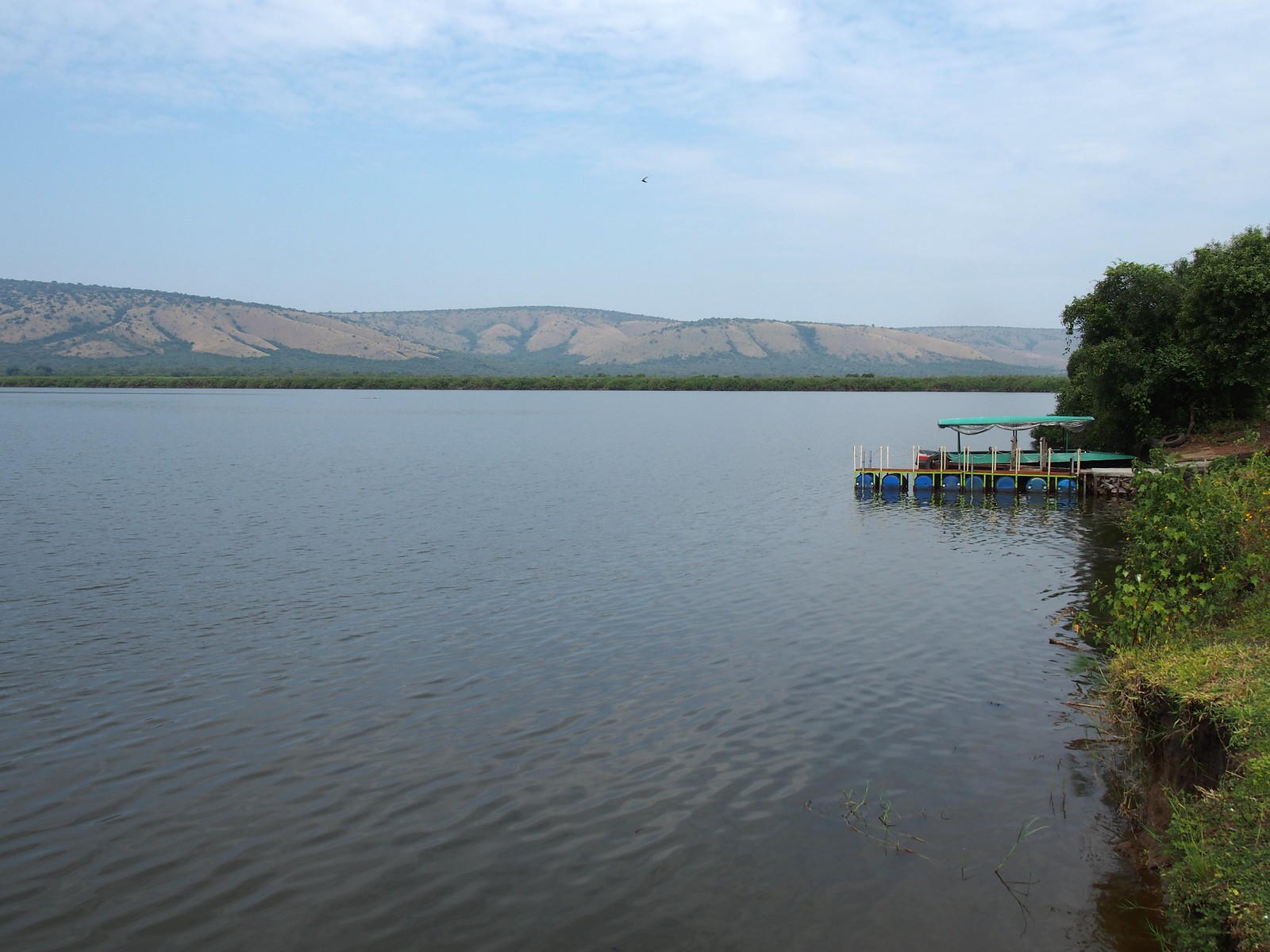
Boat safaris, popular on lakes and rivers, offer yet another perspective. Floating along the Kazinga Channel in Uganda or navigating Lake Naivasha in Kenya allows close observation of hippos, crocodiles, and countless waterbirds. The gentle rhythm of the water, the reflection of skies and wildlife, and the occasional splash of an animal in its habitat create an experience both calming and exhilarating. These excursions provide a sense of immersion in nature, where the boundary between traveler and environment feels minimal.
Primate trekking adds a dimension that is unmatched in its emotional intensity. Following gorilla families through the dense forests of Bwindi or Volcanoes National Park requires quiet, patience, and respect, but the reward is extraordinary. Observing these gentle giants interact, feed, and nurture their young evokes deep reflection on the connections between humans and nature, offering a safari experience that goes beyond observation to something almost spiritual in quality.
Preparing for Health and Safety
A safe and enjoyable safari requires attention to health and preparedness. Vaccinations, including yellow fever, are essential for most East African countries, and malaria prophylaxis is recommended, particularly in lowland and riverine areas. Insect repellent, sun protection, and sufficient hydration are crucial, as is carrying basic medical supplies for minor ailments or injuries.
Safety in the parks is equally critical. Wildlife is unpredictable, and visitors must maintain a respectful distance from lions, elephants, hippos, and gorillas. Night travel outside secure lodges is discouraged, and adhering to the guidance of trained safari guides is essential for both personal safety and optimal wildlife viewing. Travel insurance that covers medical emergencies and evacuation provides additional peace of mind, allowing travelers to focus on the experience rather than contingencies.
Gear and Essentials for a Successful Safari
Selecting appropriate gear enhances both comfort and engagement. Neutral-colored clothing helps blend into the environment, preventing unnecessary disturbance of wildlife. Comfortable shoes allow for walking on uneven terrain, whether trekking forest trails or savannah plains. Hats, sunglasses, and sunscreen protect from the intense equatorial sun, and reusable water bottles ensure hydration in remote areas. Binoculars and cameras capture the fleeting moments of wildlife behavior and dramatic landscapes, creating memories that will last a lifetime. Thoughtful preparation ensures that the focus remains on experiencing the environment rather than on logistical discomfort.
Respecting Culture and Conservation
A safari is as much a cultural journey as a wildlife experience. Engaging respectfully with local communities, supporting ethical tourism initiatives, and observing traditional customs enriches the traveler’s understanding of the region. Staying on designated paths, avoiding litter, and asking for consent when photographing people in villages demonstrate awareness and respect. Conservation-minded travel, including adherence to park rules and support for sustainable operators, ensures that the lands, animals, and cultures that make East Africa extraordinary continue to thrive for future generations.
The Role of Patience and Mindset
Patience is perhaps the most important virtue on safari. Wildlife sightings cannot be guaranteed, and the rhythms of nature are often unpredictable. Yet, the quiet moments — listening to birdsong, observing an elephant herd from a distance, or noticing subtle patterns in a forest canopy — are as meaningful as dramatic encounters with predators. Flexibility and mindfulness transform a safari from a checklist of animals into an immersive experience of connection with the natural world. The reward is not merely in sighting wildlife but in participating, even as a visitor, in the ongoing story of life across East Africa’s landscapes.
Experiencing East Africa’s Seasons and Landscapes
East Africa’s diversity extends beyond wildlife. Its landscapes shift dramatically with the seasons, offering a constantly changing backdrop. The rolling savannahs, volcanic highlands, dense rainforests, and sparkling lakes form a tapestry that engages all the senses. The dry season brings visibility and clear skies, enhancing wildlife observation and photography. The wet season brings vibrant greenery, full rivers, and increased bird activity, emphasizing the dynamism and resilience of ecosystems. Understanding and embracing these seasonal variations enhances appreciation for the depth and beauty of East Africa.
An East African safari is an adventure in the truest sense — a journey into landscapes and ecosystems that have existed for millennia, teeming with life that moves freely and authentically. Preparation, knowledge, and respect enhance the experience, ensuring both safety and fulfillment. Choosing the right destinations, understanding seasonal patterns, preparing health-wise, and embracing cultural and environmental mindfulness allows travelers to immerse themselves fully in the continent’s wonders.
A safari is not just about checking off animals from a list. It is about witnessing the rhythm of life, absorbing the quiet grandeur of landscapes, and connecting with creatures and communities alike. Each sunrise over the plains, each rustle of leaves in a forest, and each reflection on a lake contributes to an experience that lingers long after the journey ends. The East African safari is a story written across time and space, and travelers who enter with openness, patience, and curiosity are rewarded with memories, insights, and emotions that endure a lifetime.East Africa is vast, complex, and endlessly enchanting. Its safaris offer more than adventure; they offer transformation. The lands, skies, rivers, and forests invite you to step into a world where nature writes the script, and every traveler becomes both observer and participant in a narrative as old as the continent itself. By approaching this journey with preparation, respect, and wonder, you ensure that your safari is not just a trip, but an immersive, unforgettable experience that engages body, mind, and soul.
Recommended Tours: 6 Days Kilimanjaro Hiking Safari | 6 Days Tanzania Wildlife Safari
Contact Us – Ready to book your East Africa gorilla safari? Our team is here to help you plan the perfect trip.













