
Walking Safaris in Kenya: Explore the Wild on Foot
Kenya is renowned for its sweeping savannahs, majestic wildlife, and dramatic landscapes, making it one of the world’s top safari destinations. While traditional safaris in 4×4 vehicles offer convenience and wide-ranging game viewing, walking safaris in Kenya provide a uniquely intimate and thrilling way to connect with the African wilderness. From the rustling of dry grass to the distant roar of a lion, walking through Kenya’s national parks and conservancies allows travelers to truly immerse themselves in nature.
In this comprehensive guide, we explore everything you need to know about walking safaris in Kenya-where to go, what to expect, the best times to visit, and safety tips. Whether you’re a first-time safari-goer or a seasoned wildlife enthusiast, walking safaris offer an unforgettable perspective on the wild heart of Africa.
What is a Walking Safari?
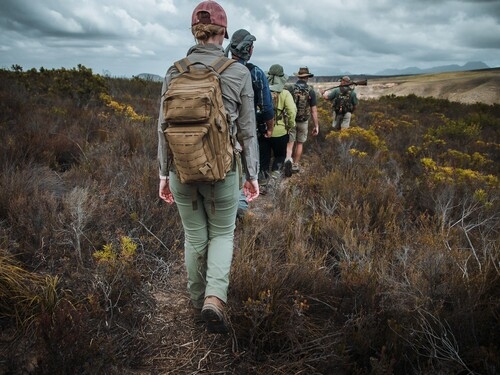
A walking safari is a guided trek through wildlife-rich areas on foot, led by an experienced safari guide and often accompanied by an armed ranger for safety. Unlike vehicle-based safaris, walking safaris allow travelers to observe the finer details of the ecosystem-animal tracks, plant life, bird behavior, and insect activity-that are often missed when driving.
The pace of a walking safari is generally slow and relaxed, making it suitable for most travelers with moderate fitness. It’s not about covering great distances but about appreciating the environment through all five senses. The guides educate guests about animal behavior, the interdependence of species, and traditional bushcraft skills used by local communities.
Why Choose Walking Safaris in Kenya?
Kenya is an ideal destination for walking safaris due to its diverse terrain, well-managed conservancies, and abundance of wildlife. The experience brings you closer to nature, heightens your awareness, and offers a deeper understanding of the ecosystem.
Some reasons to consider walking safaris in Kenya include:
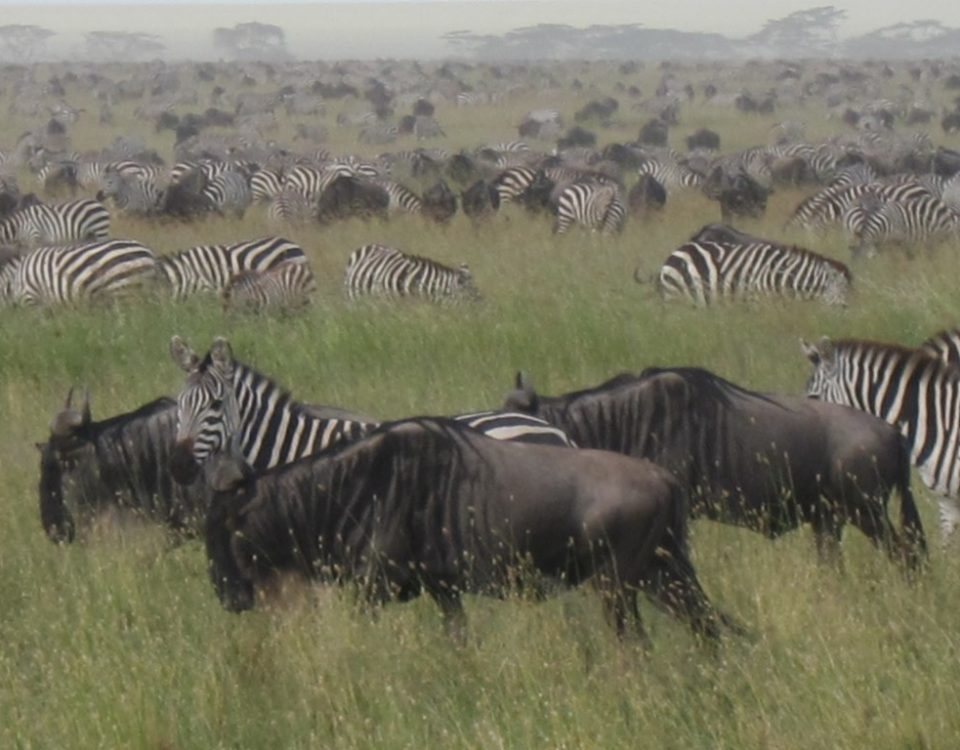
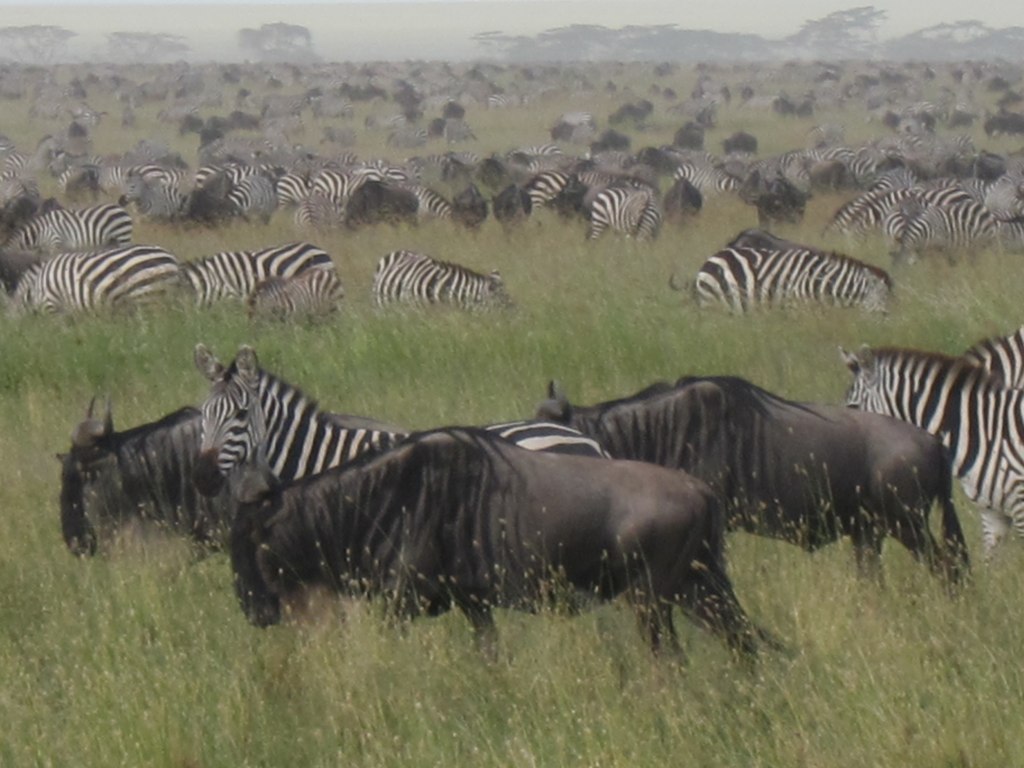
- Intimate Wildlife Encounters: Experience wildlife from ground level, including antelope, giraffes, zebras, and birds, in their natural habitat.
- Cultural Interaction: Many walking safaris pass through community-run conservancies where guests can interact with local tribes like the Maasai and Samburu.
- Off-the-Beaten-Path Adventure: Walking safaris explore areas inaccessible by vehicles, such as forested hills, seasonal rivers, and remote plains.
- Conservation Impact: Many walking safaris contribute directly to conservation and community development initiatives.
Top Destinations for Walking Safaris in Kenya
1. Laikipia Conservancies
The Laikipia Plateau is one of Kenya’s premier walking safari regions. Conservancies like Lewa, Ol Pejeta, and Borana offer walking safaris that blend adventure with luxury.
2. Maasai Mara Conservancies
Though walking is restricted within the main Maasai Mara National Reserve, the surrounding conservancies like Naboisho, Ol Kinyei, and Mara North offer guided walking safaris with exceptional wildlife and minimal crowds.
3. Amboseli and Chyulu Hills
These regions provide spectacular views of Mount Kilimanjaro and unique opportunities to walk among herds of elephants, accompanied by Maasai guides.
4. Tsavo West and Tsavo East
Known for their wilderness and fewer tourists, both parks allow guided walking safaris in designated areas. The rugged landscapes and volcanic formations make it a hiker’s paradise.
5. Hell’s Gate National Park
Famous for its dramatic gorges, geothermal features, and lack of large predators, Hell’s Gate is one of the few parks in Kenya where walking and cycling safaris are freely permitted.
6. Mount Kenya Foothills
Walking safaris along the lower slopes and forested areas of Mount Kenya provide a mix of wildlife and breathtaking scenery.
Types of Walking Safaris
- Short Nature Walks: These are usually 1-2 hours long, ideal for beginners or families. They focus on learning about plants, birds, and smaller animals.
- Half-Day or Full-Day Walks: Suitable for those with moderate fitness. These walks explore deeper into the bush and include picnic stops.
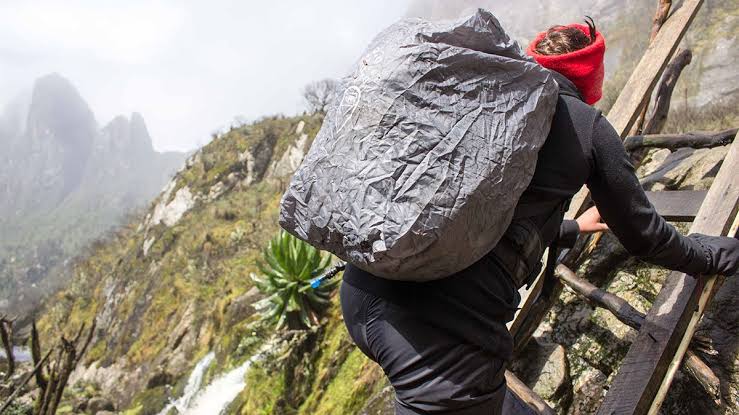
- Multi-Day Walking Safaris: These involve trekking from one camp to another, often supported by camels or porters. Campsites or fly camps are set up each night, offering an authentic bush experience.
What to Expect on a Walking Safari
- Expert Guidance: Guides are trained in tracking, first aid, and wildlife behavior. Some are from local communities and share their cultural knowledge.
- Wildlife Sightings: While you might not see the “Big Five” up close on foot, you’ll have intimate encounters with a variety of species including giraffes, zebras, impalas, elands, and birdlife.
- Bush Skills: Learn to identify animal tracks, medicinal plants, and survival techniques.
- Safety Protocols: Walks are always conducted with safety in mind, with guides carrying radios, first-aid kits, and sometimes rifles.
Best Time for Walking Safaris in Kenya
The dry seasons (June to October and January to March) are ideal for walking safaris. During these months, the weather is pleasant, trails are dry, and wildlife congregates around water sources, making sightings more frequent.
The wet seasons (April to May and November to December) bring lush landscapes and fewer tourists but can make trails slippery and challenging. Some lodges and camps may close during the long rains.
What to Pack for a Walking Safari
- Lightweight, breathable clothing in neutral colors
- Comfortable hiking boots or walking shoes
- Hat, sunglasses, and sunscreen
- Reusable water bottle
- Binoculars and camera
- Insect repellent
- Daypack for essentials
- Rain jacket (especially during the green season)
Safety Tips for Walking Safaris
- Always follow your guide’s instructions. They are trained to keep you safe and understand animal behavior.
- Stay quiet and alert. Sudden movements or loud noises can startle animals.
- Don’t wander off. Always stay with the group.
- Keep a safe distance from wildlife. Respect the animals’ space.
- Inform your guide of any medical conditions. They can prepare accordingly.
Eco-Tourism and Conservation
Walking safaris in Kenya often support conservation efforts and local communities. Many lodges and conservancies operate eco-friendly programs, reinvesting profits into wildlife protection and education. By choosing responsible operators, travelers directly contribute to preserving Kenya’s natural heritage.
Recommended Walking Safari Operators in Kenya
- Lewa Wilderness (Laikipia)
- Campi ya Kanzi (Chyulu Hills)
- Kicheche Camps (Mara Conservancies)
- Ol Malo (Laikipia)
- Karibu Kenya Walking Safaris
- Elephant Pepper Camp (Mara North)
Walking safaris in Kenya offer a raw, authentic, and deeply personal way to explore the African wilderness. They invite travelers to slow down, tune into the rhythms of nature, and experience the bush as our ancestors did-on foot. Whether you’re strolling through the Laikipia conservancies or hiking the volcanic landscapes of Tsavo, the memories forged on a walking safari are bound to last a lifetime.
Kenya’s diverse ecosystems, experienced guides, and commitment to sustainable tourism make it an exceptional destination for walking safaris. For those seeking adventure, education, and a deeper connection to the natural world, there’s no better way to explore this enchanting land than by foot. Let’s Plan your trip!
Recommended Tours: 8 Days Kenya Wildlife Safari | 4 Days Amboseli & Masai Mara