Camping in Kenya’s National Parks: An Ultimate Safari Experience
Kenya is world-renowned for its spectacular wildlife, breathtaking landscapes, and rich cultural heritage. While most visitors opt for traditional safari lodges or tented camps, an increasing number of adventurous travelers seek to immerse themselves even deeper in nature. One of the most thrilling and rewarding ways to experience Kenya’s wild side is to camp in national parks. This comprehensive guide explores the ins and outs of camping in Kenya’s protected areas, what to expect, what to pack, and why this form of travel might be the perfect choice for your next African safari.
Why Camp in National Parks?
To camp in national parks in Kenya is to embrace the wilderness in its most authentic form. Unlike staying in lodges, camping allows you to stay closer to the wildlife and natural surroundings. It also offers a more budget-friendly option for travelers who want the safari experience without the hefty price tag of luxury accommodations.
Camping offers a profound sense of connection with the environment. The sounds of nocturnal animals, the chill of the early morning air, and the smell of fresh savannah grass make for an unforgettable sensory experience. Many travelers say they feel more connected to nature after spending even one night camping inside a national park.
Types of Campsites in Kenya
There are generally two types of campsites where visitors can camp in national parks across Kenya:
1. Public Campsites
These are budget-friendly and basic, typically with minimal facilities. You may find a pit latrine, some running water, and occasionally a fireplace. These campsites are open to all visitors, which means you might share your space with other campers. Public campsites are a great option for backpackers or those on a tight budget.
2. Special or Private Campsites
These campsites require advance booking and are typically more exclusive. Often, you will have the entire area to yourself. Facilities vary but are usually more developed than public campsites. These campsites are ideal for organized groups, families, or travelers looking for more privacy.
Popular National Parks for Camping
Kenya is home to more than 50 national parks and reserves. While not all of them permit camping, several parks offer excellent camping experiences. If you’re planning to camp in national parks, consider these top destinations:
1. Maasai Mara National Reserve
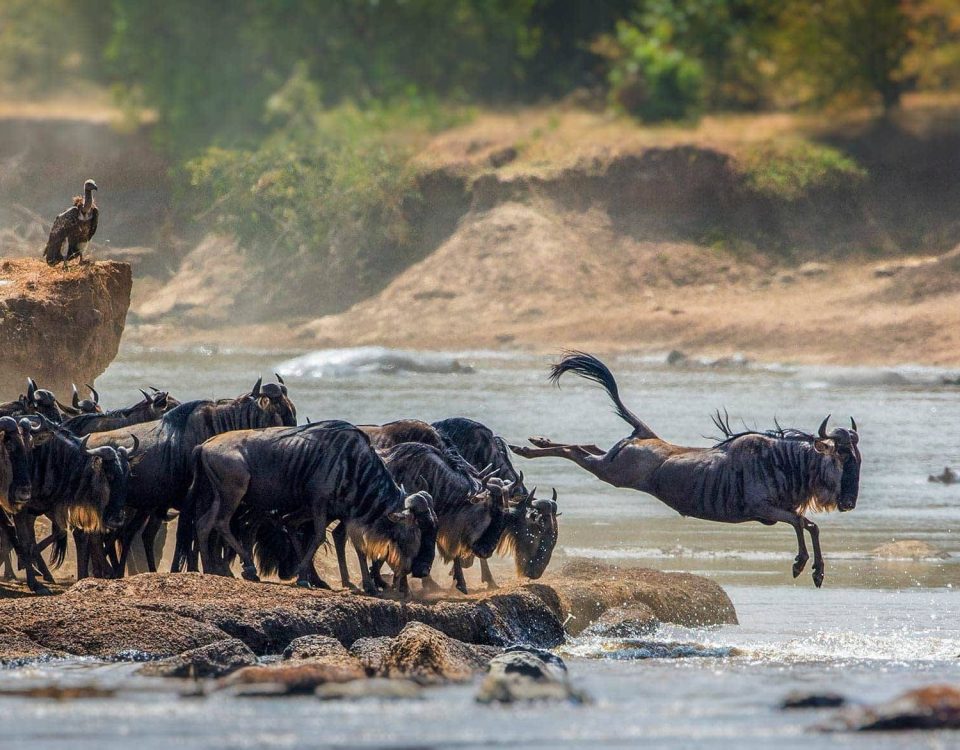
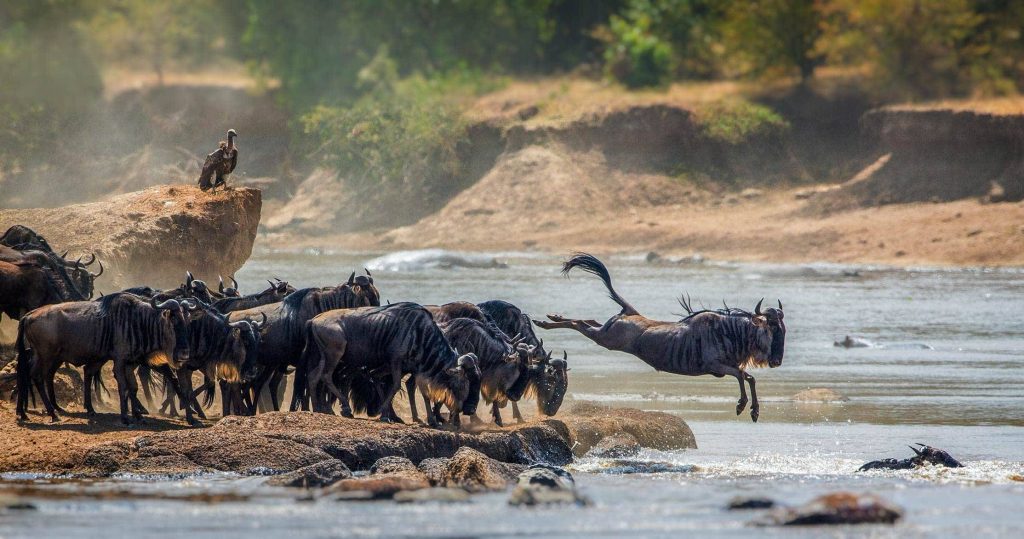
The Maasai Mara offers some of the best wildlife viewing in Africa. Camping here puts you right in the heart of the Great Migration and predator action. While the reserve doesn’t have Kenya Wildlife Service (KWS)-managed campsites, numerous private conservancies and public camping grounds cater to adventurers.
2. Amboseli National Park
Famous for its large elephant herds and views of Mount Kilimanjaro, Amboseli is a top choice to camp in national parks. Several designated campsites allow you to stay within the park boundaries and wake up to elephants walking past your tent.
3. Tsavo East and Tsavo West National Parks
These vast parks offer an authentic wilderness experience. Tsavo West features the picturesque Mzima Springs and rugged volcanic terrain, while Tsavo East is known for red-dust elephants and open savannah. Public and private campsites are available in both parks.
4. Mount Kenya National Park
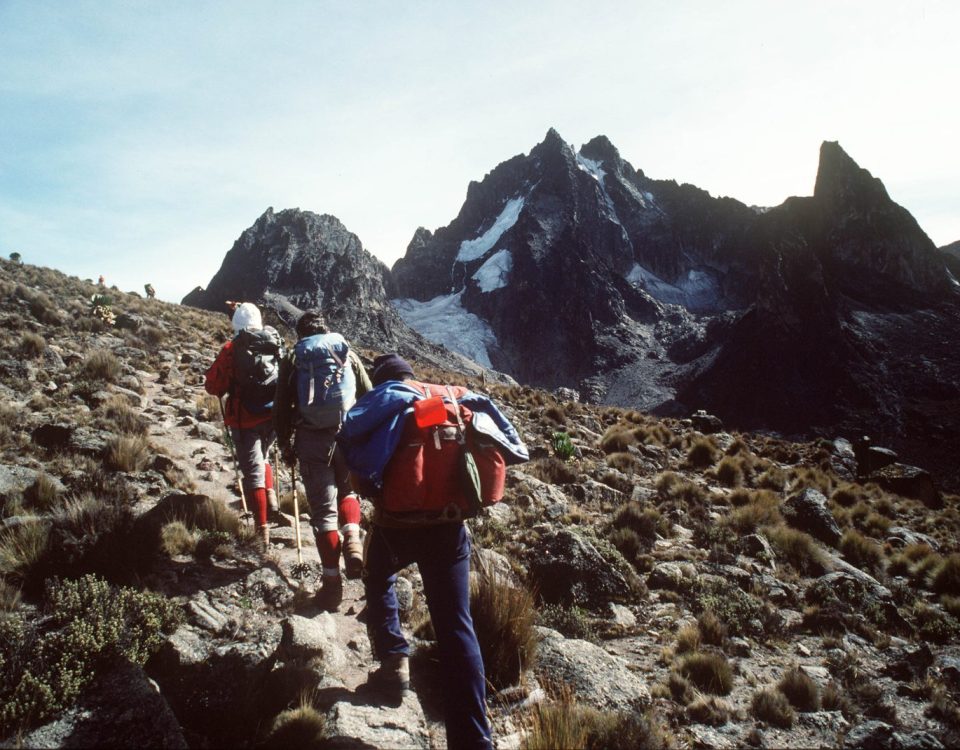
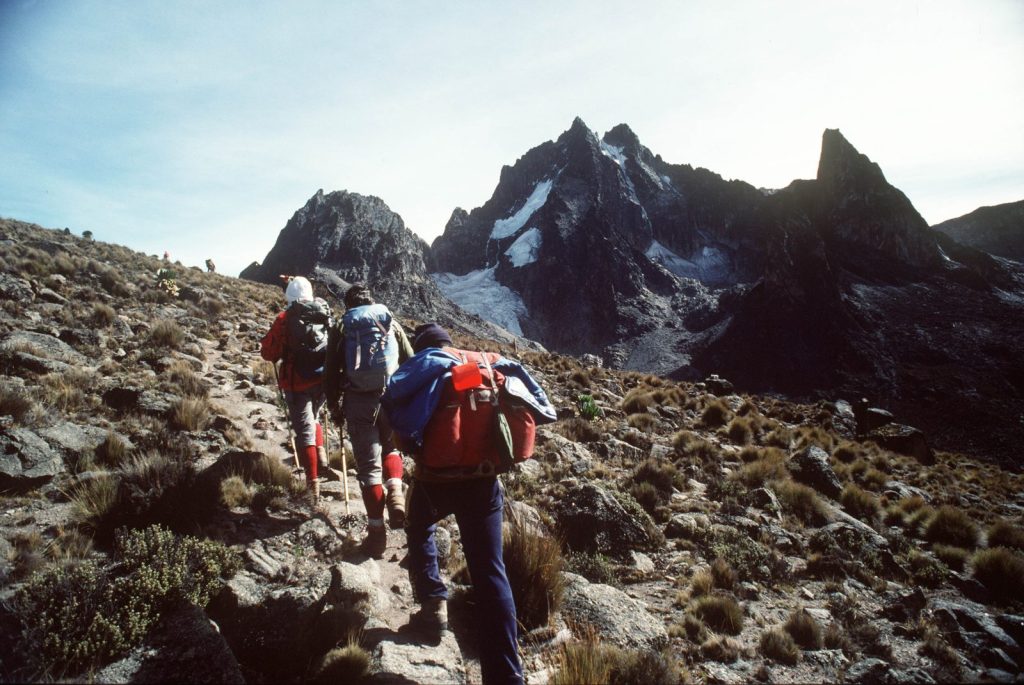
Camping in Mount Kenya National Park is ideal for trekkers. Base camps for mountain climbing such as Old Moses or Shipton’s Camp are common stops for those aiming to summit Africa’s second-highest peak. The area is also great for nature lovers who enjoy forest and alpine environments.
5. Lake Nakuru National Park
This park is famous for flamingos and rhinos. Though smaller in size, it offers good game viewing and has camping options within the park.
Safety Tips When You Camp in National Parks
Camping in the wild comes with its set of challenges and safety considerations. Here are essential tips to stay safe:
- Stay in Designated Campsites: Always use designated camping areas to avoid human-wildlife conflicts.
- Do Not Leave Food Unattended: Food can attract animals. Store food in your vehicle or designated storage.
- Do Not Roam at Night: Wild animals are more active at night. Stay within your campsite boundary.
- Keep Noise Levels Low: Loud music or shouting may provoke animals or disturb other campers.
- Bring a Guide: If you’re unfamiliar with the area, hire a local guide for added safety.
Essential Gear for Camping in National Parks
Packing right is crucial when you plan to camp in national parks. Here’s a checklist of essential gear:
- Tent with rainfly and stakes
- Sleeping bag and mat
- Portable cooking equipment (gas stove, matches)
- Cooler for food and drinks
- Flashlights or headlamps with extra batteries
- First aid kit
- Insect repellent
- Camping chairs and table
- Refillable water bottles or jerry cans
- Trash bags (leave no trace)
Campfire Etiquette and Regulations
Most parks in Kenya allow small campfires, but regulations may vary. Follow these rules:
- Use existing fire rings if available.
- Never leave a fire unattended.
- Keep water or sand nearby to extinguish fires quickly.
- Extinguish the fire completely before sleeping or leaving the campsite.
Permits and Park Fees
To camp in national parks, visitors must pay park entrance fees and sometimes an additional camping fee. These fees vary depending on the park, your nationality (resident vs. non-resident), and the type of campsite you use. Book in advance through the Kenya Wildlife Service (KWS) website or at the gate.
Sample KWS Fees (as of recent data):
- Park entry (non-residents): $50-$80 per day
- Camping fee (public): $10-$20 per night
- Camping fee (special): $20-$40 per night
Always check the latest fee structure before traveling.
Eco-Friendly Camping Practices
When you camp in national parks, it’s essential to follow Leave No Trace principles:
- Pack out all trash
- Avoid damaging vegetation
- Stay on designated paths and trails
- Use biodegradable soap and cleaning products
- Minimize campfire impact
Practicing sustainable camping ensures these pristine environments are preserved for future generations.
Guided vs. Independent Camping
Depending on your level of experience, you can opt for guided or independent camping:
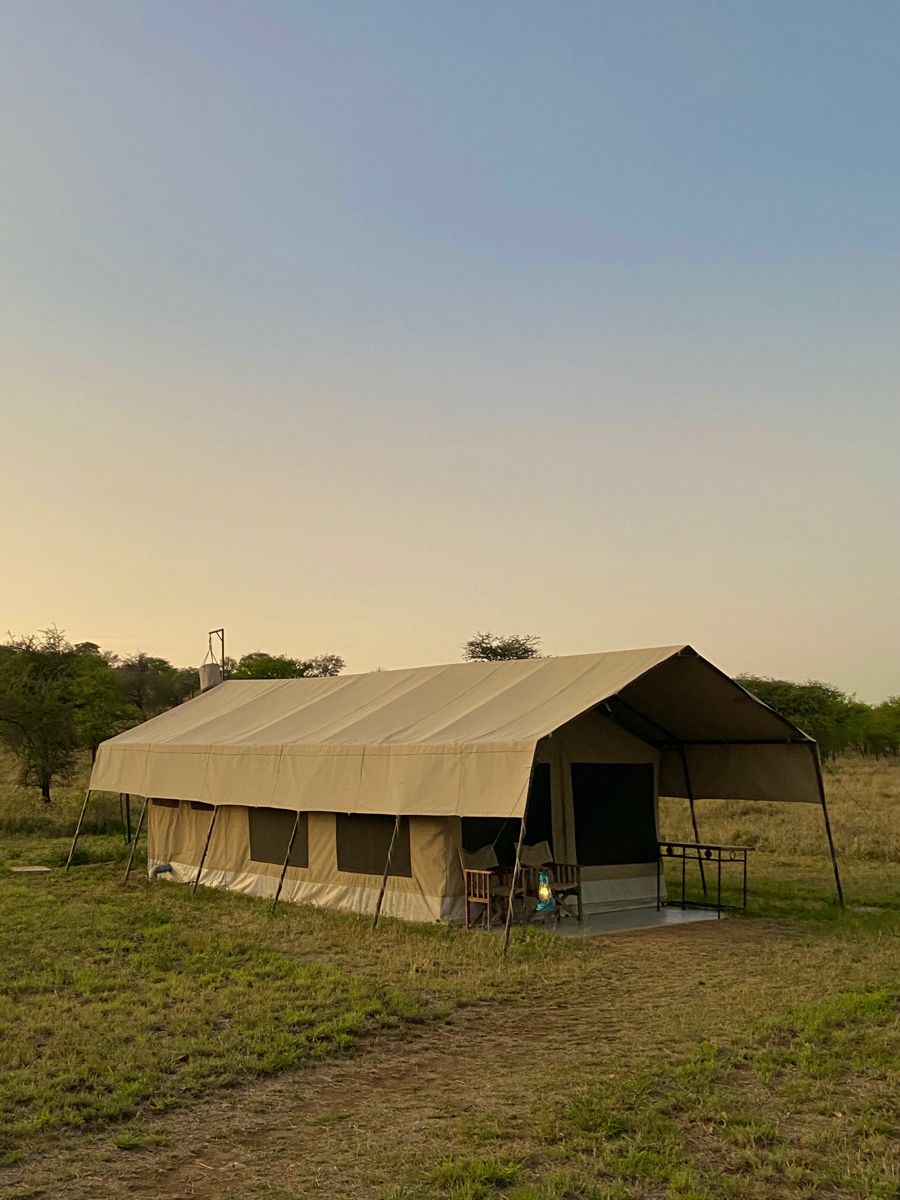
- Guided Camping: Many tour operators offer guided camping packages that include tents, food, and guides. This is ideal for first-time visitors or those who prefer convenience.
- Independent Camping: Experienced travelers who own camping gear may prefer going solo. However, it’s important to know the park rules, navigation, and emergency procedures.
Family and Group Camping
Camping can be a fantastic family or group activity. Many public campsites are suitable for large groups, and children often enjoy the adventure of sleeping in tents, seeing animals up close, and helping with camp chores. Just ensure you have enough adult supervision and appropriate safety measures.
Photography and Wildlife Observation
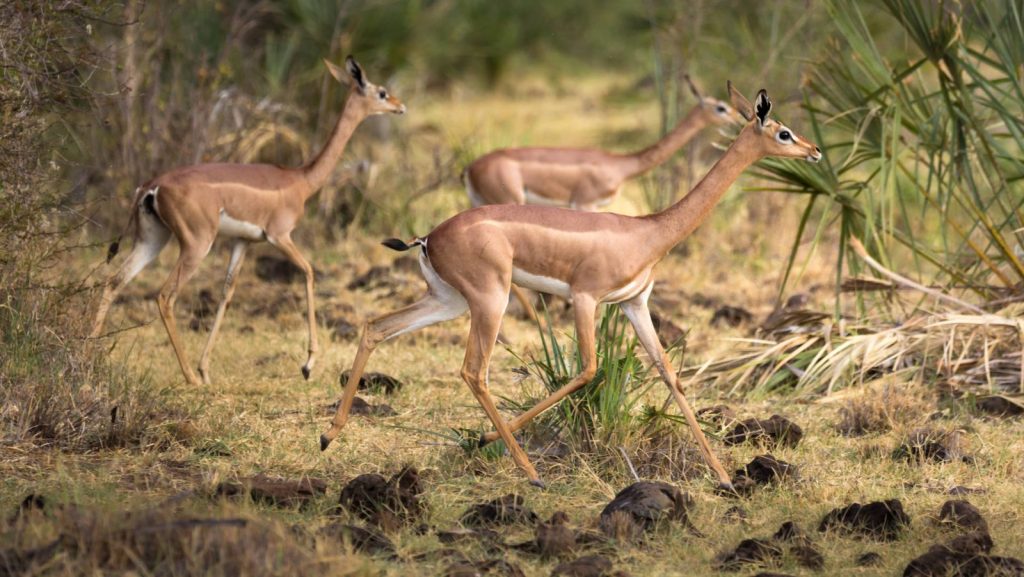
Camping allows you to start your game drives earlier than those staying outside the parks. Early morning and late evening are prime times for wildlife photography. Many animals also come close to campsites, providing excellent photographic opportunities from the comfort of your tent.
Nighttime in the Wild
One of the most thrilling aspects when you camp in national parks is nighttime. As the sun sets, the bush comes alive with sounds of hyenas laughing, lions roaring, and crickets chirping. It can be eerie yet exhilarating. Always keep your flashlight handy and avoid walking away from your campsite.
Weather and Best Time to Camp
Kenya has two main dry seasons: January to March and June to October. These months offer the best weather for camping, with fewer insects and better wildlife visibility. However, some high-altitude parks like Mount Kenya can get very cold at night, so pack accordingly.
Rainy seasons (April-May and November) can make camping more challenging due to muddy roads and increased insect activity, but they also offer lush scenery and fewer tourists.
Cultural Interactions
Some parks are near local communities where you can engage in cultural tourism. For example, camping near Maasai villages provides opportunities to learn about traditional customs, dances, and crafts. These interactions enrich the camping experience and support local livelihoods.
Common Challenges
- Wildlife Proximity: You may have animals like baboons, elephants, or buffalo close to your camp. Respect their space.
- Weather Variability: Sudden changes in weather can impact your camping plans. Always check forecasts.
- Limited Facilities: Many campsites have minimal facilities. Be prepared for basic conditions.
- Navigation: Ensure you have GPS, maps, or guides to avoid getting lost, especially in vast parks like Tsavo.
To camp in national parks in Kenya is to enjoy a raw, unfiltered safari experience. While it requires more preparation than staying in lodges, the rewards are immense: closer encounters with nature, flexibility, budget-friendliness, and a sense of adventure. Whether you’re a solo traveler, couple, or family, camping in Kenya’s parks opens up a world of discovery.
As long as you follow safety guidelines, respect wildlife, and leave no trace, your camping safari will be both safe and unforgettable.
So, the next time you plan a trip to Kenya, consider packing a tent and choosing to camp in national parks for a truly immersive African adventure. Contact us for any trip inquiry!