



Can You Eat Vegetarian or Vegan on an East African Safari?
One of the most common questions travellers ask before visiting East Africa is whether they will be able to find suitable vegetarian or vegan meals during their safari. The answer is yes. Across Uganda, Kenya, Tanzania, and Rwanda, vegetarian food is widely available, and vegan meals have become increasingly common, particularly at safari lodges, hotels, and restaurants that regularly host international guests.
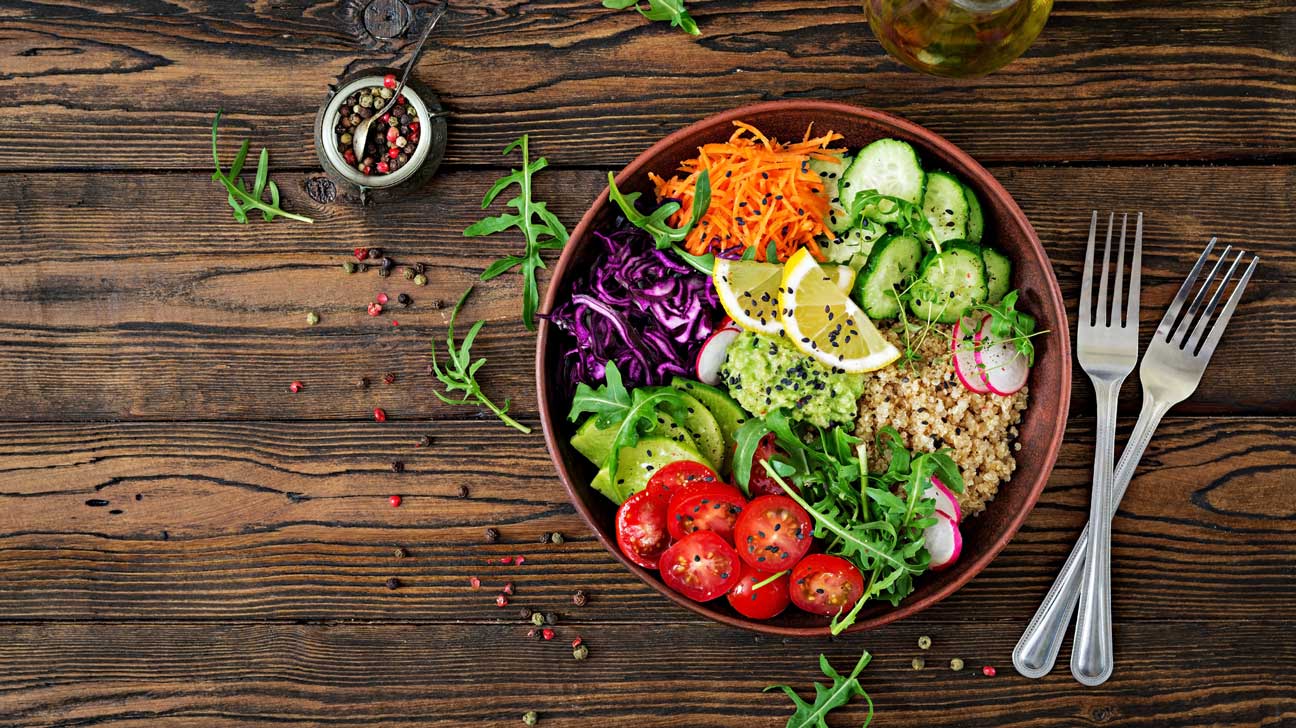
While East Africa is well known for grilled meats and traditional barbecue dishes, the region also has a rich variety of plant-based foods. Fresh fruits, vegetables, beans, lentils, sweet potatoes, cassava, rice, millet, maize, and bananas form an important part of daily meals in many communities. These ingredients make it relatively easy for safari chefs to prepare satisfying vegetarian and vegan dishes.
Planning ahead and informing your tour operator about your dietary preferences before your trip will ensure that suitable meals are available throughout your safari.
Why Safari Lodges Cater for Different Diets
Tourism in East Africa welcomes visitors from around the world, each bringing different dietary needs. Safari lodges and camps have adapted to meet these expectations by offering flexible menus that accommodate vegetarians, vegans, gluten-free travellers, and guests with food allergies.
Most mid-range and luxury safari lodges ask about dietary requirements during the booking process. This information is passed to the kitchen before your arrival, allowing chefs to prepare appropriate meals using fresh local ingredients.
Even in remote national parks such as Bwindi Impenetrable National Park, Queen Elizabeth National Park, Murchison Falls National Park, Serengeti National Park, Maasai Mara National Reserve, and Volcanoes National Park, experienced safari chefs regularly prepare plant-based meals for guests.
Many travellers are pleasantly surprised by the quality and variety of food served in places far from major cities.
Traditional East African Foods That Are Naturally Vegetarian
Many traditional dishes across East Africa are naturally vegetarian or can easily be prepared without meat.
In Uganda, matoke is one of the country’s signature foods. Made from steamed green bananas, it is often served with groundnut sauce, beans, vegetables, or fresh avocado. It is filling, nutritious, and enjoyed by both locals and visitors.
Posho, made from maize flour, is another staple that pairs well with beans, vegetable stews, or leafy greens.
Cassava, sweet potatoes, Irish potatoes, yams, and millet are also common throughout Uganda and neighbouring countries. These foods provide energy for long safari days while introducing travellers to authentic regional cuisine.
In Kenya and Tanzania, ugali is widely eaten alongside vegetables, spinach, sukuma wiki, beans, and fresh salads. Rice dishes cooked with coconut milk, vegetables, or spices are also common, particularly along the coast.
Rwanda offers similar plant-based meals, with beans, potatoes, maize, vegetables, and bananas forming the foundation of many traditional dishes.
These meals demonstrate that vegetarian eating has always been part of East African food culture.
Fresh Tropical Fruits Throughout Your Journey
One of the greatest advantages of travelling through East Africa is the abundance of fresh fruit available throughout the year.
Breakfast buffets at safari lodges often include juicy watermelon, pineapple, mangoes, papayas, passion fruit, bananas, oranges, and avocados. Depending on the season, guests may also enjoy jackfruit, guavas, tree tomatoes, and fresh sugarcane.
These fruits are usually sourced from nearby farms, making them fresher and more flavourful than imported alternatives.
Many lodges also prepare freshly squeezed fruit juices using locally grown produce, providing a refreshing start to the day before heading out on a game drive.
Vegan Meals Are Becoming More Common
A decade ago, vegan travellers sometimes found it difficult to maintain their diet while travelling through remote safari destinations. Today, the situation has improved significantly.
Many safari lodges now prepare dedicated vegan meals using vegetables, legumes, grains, coconut milk, fresh herbs, and seasonal fruits. Instead of dairy products, chefs often use coconut-based sauces or olive oil when preparing dishes.
Breakfasts may include fresh fruit, cereals, toast, peanut butter, jams, baked beans, grilled tomatoes, mushrooms, and potatoes.
Lunches often feature vegetable soups, rice dishes, salads, lentil stews, pasta with tomato sauce, or vegetable curries.
Dinner menus frequently include roasted vegetables, bean stews, vegetable stir-fries, grilled eggplant, pumpkin, rice, potatoes, and locally grown greens.
With advance notice, many lodges are happy to customise meals according to individual preferences.
Dining During Gorilla Trekking
Gorilla trekking is one of East Africa’s most popular wildlife experiences, attracting thousands of visitors each year to Uganda and Rwanda.
Trekkers usually begin their day early with breakfast before travelling to the park headquarters for registration and briefing. Because trekking times vary, most lodges prepare packed lunches for guests.
Vegetarian and vegan packed lunches are readily available when requested in advance. These often include sandwiches filled with vegetables or hummus, fresh fruit, nuts, juice, roasted potatoes, vegetable wraps, salads, and snacks suitable for long hikes.
After returning from the forest, many trekkers enjoy a hot meal prepared with fresh local ingredients while sharing stories of their gorilla encounter.
What About Camping Safaris?
Camping safaris also accommodate vegetarian and vegan travellers surprisingly well.
Professional safari cooks carry fresh vegetables, grains, beans, spices, and cooking equipment throughout the journey. Meals are prepared daily, often using ingredients purchased from local markets along the route.
A typical vegetarian camping dinner might include vegetable curry served with rice, pasta with tomato and vegetable sauce, bean stew with chapati, or grilled vegetables accompanied by roasted potatoes.
Breakfasts usually include fruit, bread, cereals, tea, coffee, and locally available spreads.
Cooking outdoors often adds to the experience, allowing travellers to enjoy fresh meals surrounded by nature.
Local Markets Offer Incredible Variety
Travellers spending time in towns before or after their safari should visit local markets.
Markets in Kampala, Nairobi, Arusha, Kigali, and smaller towns display colourful collections of fresh fruits, vegetables, herbs, beans, spices, and grains.
Walking through these markets offers insight into the ingredients used in everyday East African cooking.
Fresh avocados are especially abundant and often much larger than those sold in Europe or North America. Mangoes, pineapples, bananas, tomatoes, onions, carrots, pumpkins, leafy greens, and peppers fill market stalls throughout the year.
These visits also provide opportunities to support local farmers and small businesses.
Communicating Your Dietary Needs
The easiest way to enjoy your safari without worrying about meals is to communicate your dietary requirements clearly before your trip begins.
When booking your safari, inform your tour operator whether you are vegetarian, vegan, or have additional dietary restrictions such as nut allergies, lactose intolerance, or gluten sensitivity.
Most operators include this information in your reservation so that every lodge along your itinerary is prepared before your arrival.
It is also useful to remind staff when checking into each lodge, particularly if your requirements are very specific.
Safari teams appreciate advance notice because it allows them to source ingredients that may not always be available in remote locations.
Traditional Drinks for Plant Based Travellers
Vegetarian and vegan travellers can also enjoy many of East Africa’s beverages.
Fresh fruit juices made from mangoes, passion fruit, pineapples, oranges, watermelons, and sugarcane are widely available.
Uganda, Kenya, Tanzania, and Rwanda also produce excellent coffee and tea, often served fresh at safari lodges.
Coconut water is especially popular along the Kenyan and Tanzanian coast, while herbal teas prepared with local ingredients are increasingly common at eco-lodges.
Most soft drinks are also suitable for vegetarians and vegans, although travellers following strict vegan diets may wish to check ingredient labels when purchasing packaged products.
Nutritional Balance During Your Safari
Long game drives, walking safaris, chimpanzee tracking, and gorilla trekking require energy.
Fortunately, East African plant-based meals often provide a good balance of carbohydrates, protein, and healthy fats.
Beans, lentils, peas, groundnuts, and chickpeas provide valuable protein.
Rice, potatoes, cassava, millet, and maize offer long-lasting energy.
Fresh vegetables and fruits contribute important vitamins and minerals that help travellers stay healthy during active holidays.
Drinking plenty of water throughout the day remains essential, especially during warmer months.
Luxury Safari Dining for Vegetarians and Vegans
Luxury safari lodges have embraced international dining standards while continuing to celebrate local ingredients.
Many menus include creative vegetarian and vegan dishes prepared with fresh herbs, roasted vegetables, handmade breads, locally grown mushrooms, quinoa, couscous, and seasonal produce.
Chefs often combine East African ingredients with international cooking techniques to create memorable dining experiences.
Guests may enjoy multi-course dinners overlooking the savannah, with beautifully presented meals that rival those served in fine restaurants.
These experiences demonstrate that dietary preferences never have to limit the quality of a safari holiday.
Enjoying East Africa’s Flavours Without Compromise
Travelling as a vegetarian or vegan in East Africa is far easier today than many people expect. From traditional bean stews and banana dishes to fresh tropical fruits and carefully prepared gourmet meals, the region offers an impressive range of plant-based options.
Whether you are watching mountain gorillas in Uganda, exploring the Serengeti, visiting the Maasai Mara, or relaxing beside Lake Kivu in Rwanda, you can enjoy delicious meals prepared with fresh local ingredients throughout your journey.
By informing your tour operator before you travel and remaining open to trying regional specialties, you will discover that East Africa’s culinary traditions extend well beyond its famous grilled meats. For many visitors, the variety of fresh produce, welcoming hospitality, and creative safari cuisine become an enjoyable part of the adventure itself.
Recommended Tours: 6 Days Tanzania Wildlife Safari | 5 Days Ngorongoro & Serengeti Safari













