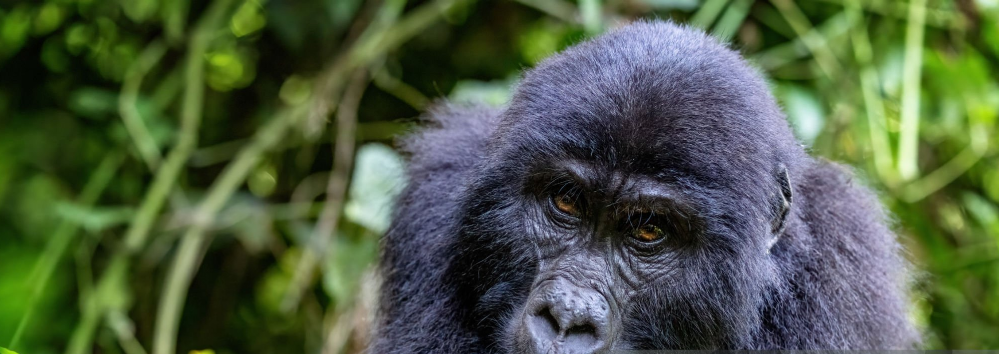
Visit Serengeti and Bwindi: A Safari and Gorilla Trekking Adventure
Embarking Visit Serengeti and Bwindi an African adventure that combines the vast plains of the Serengeti with the dense forests of Bwindi is a dream for many travelers. This unique journey offers the best of both worlds: witnessing the Great Migration in Tanzania‘s Serengeti National Park and trekking to see mountain gorillas in Uganda‘s Bwindi Impenetrable National Park. In this guide, we will explore how to plan and execute this unforgettable trip.
Why Visit Serengeti and Bwindi?
The Serengeti Experience
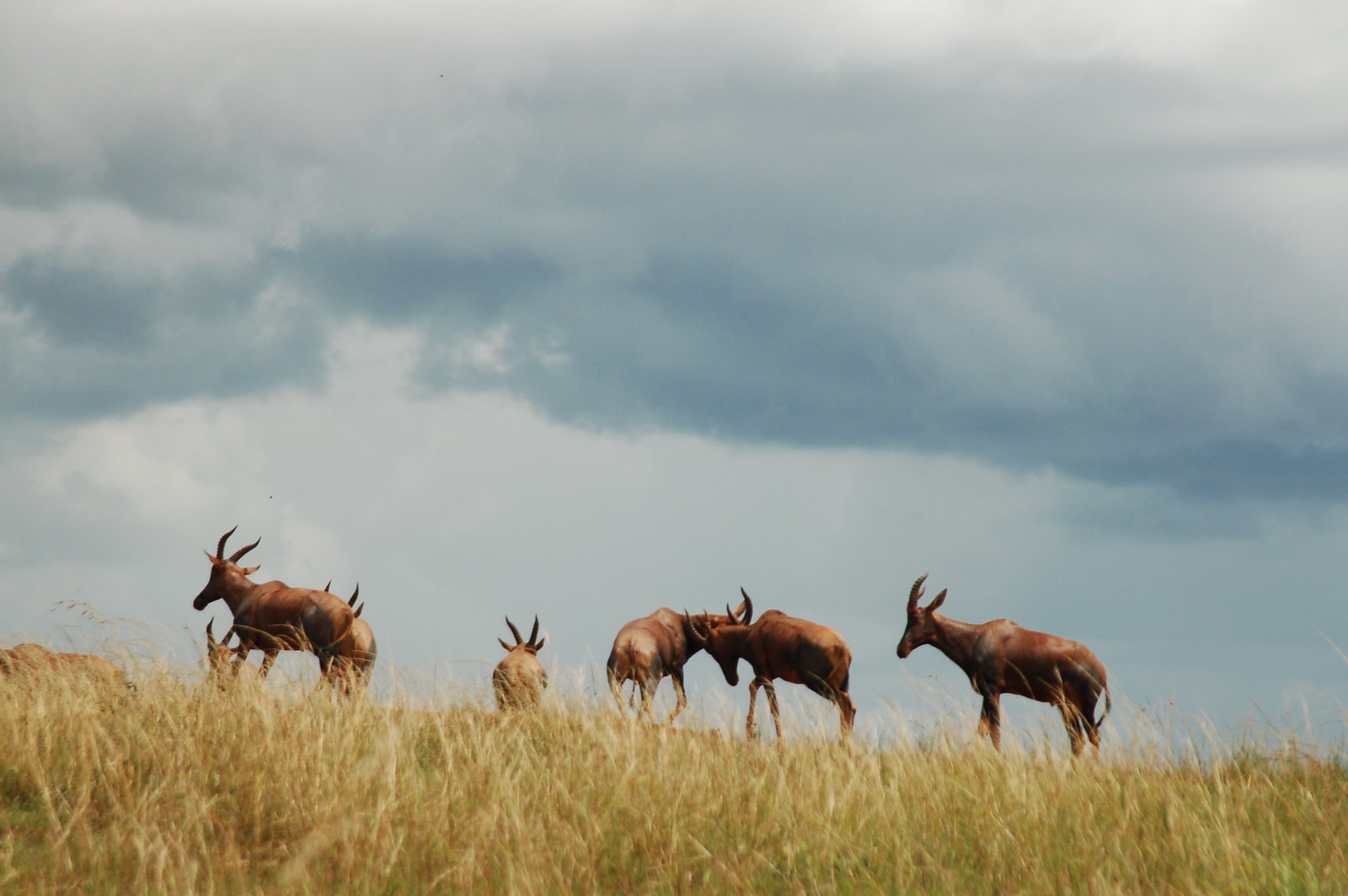
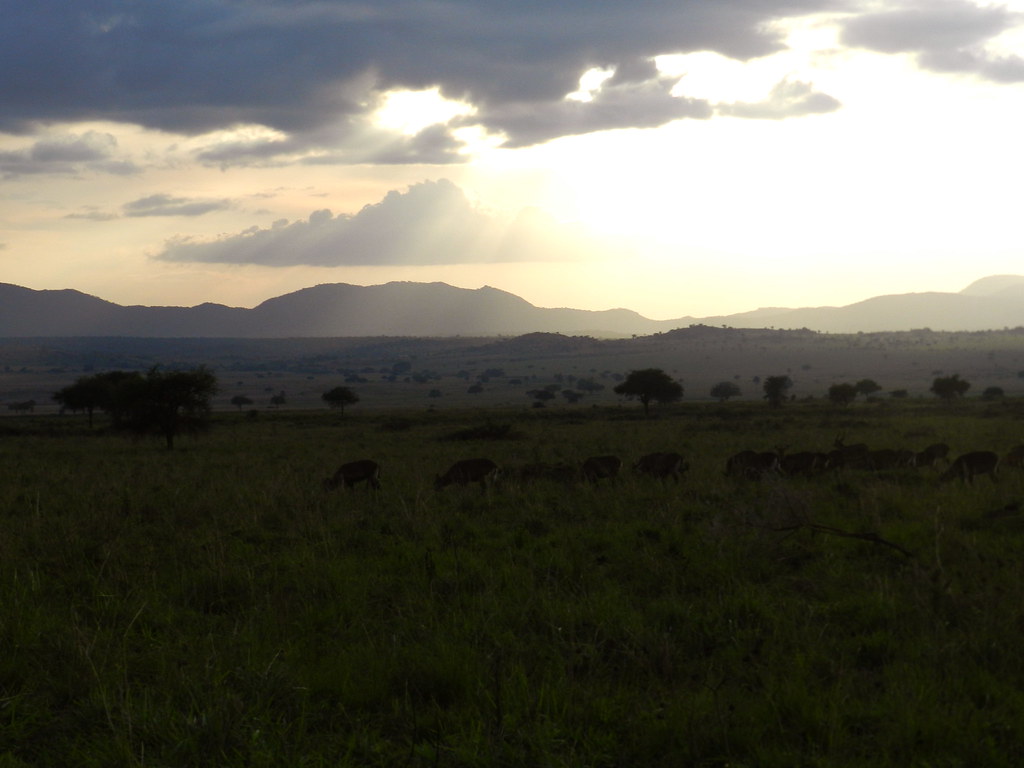
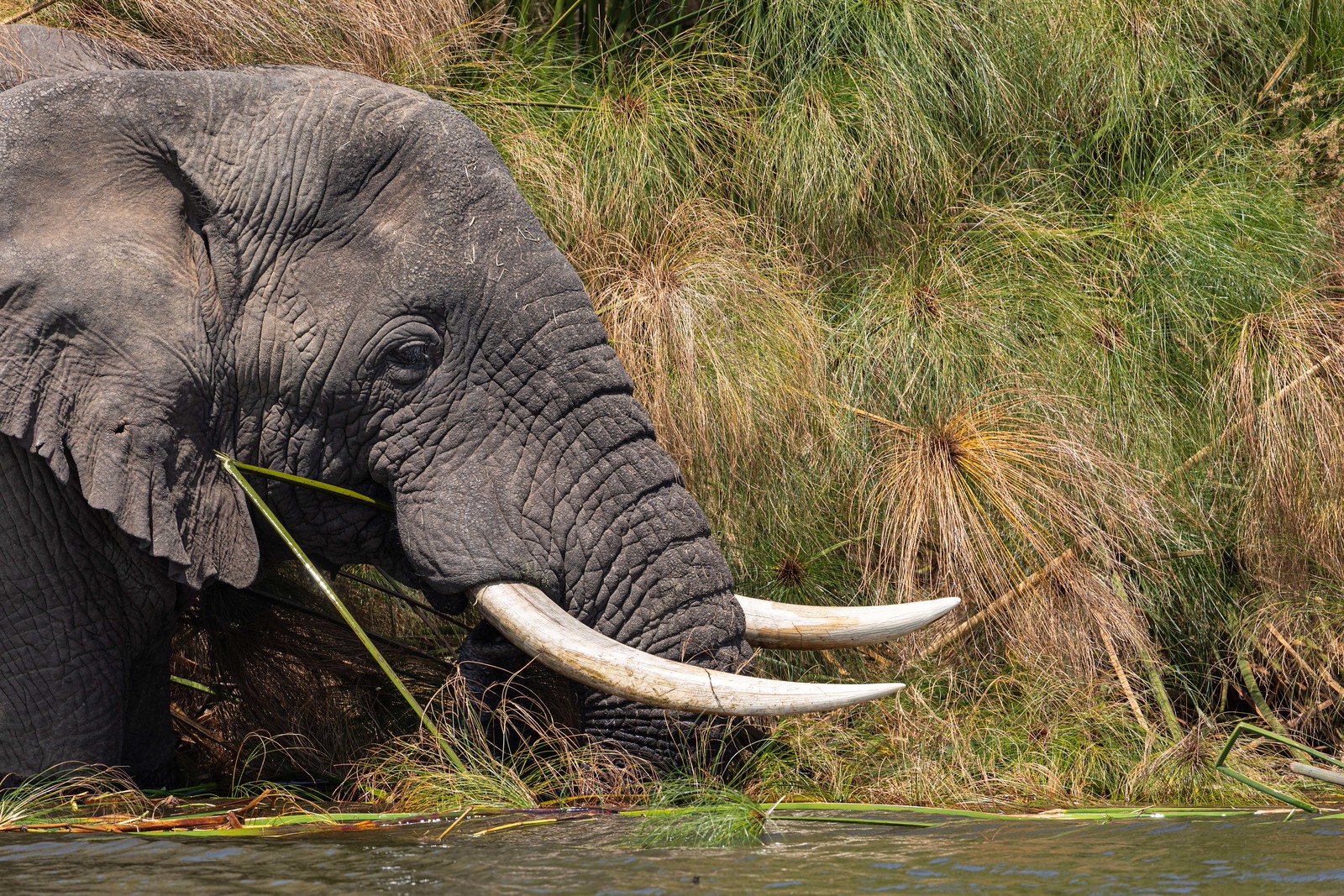
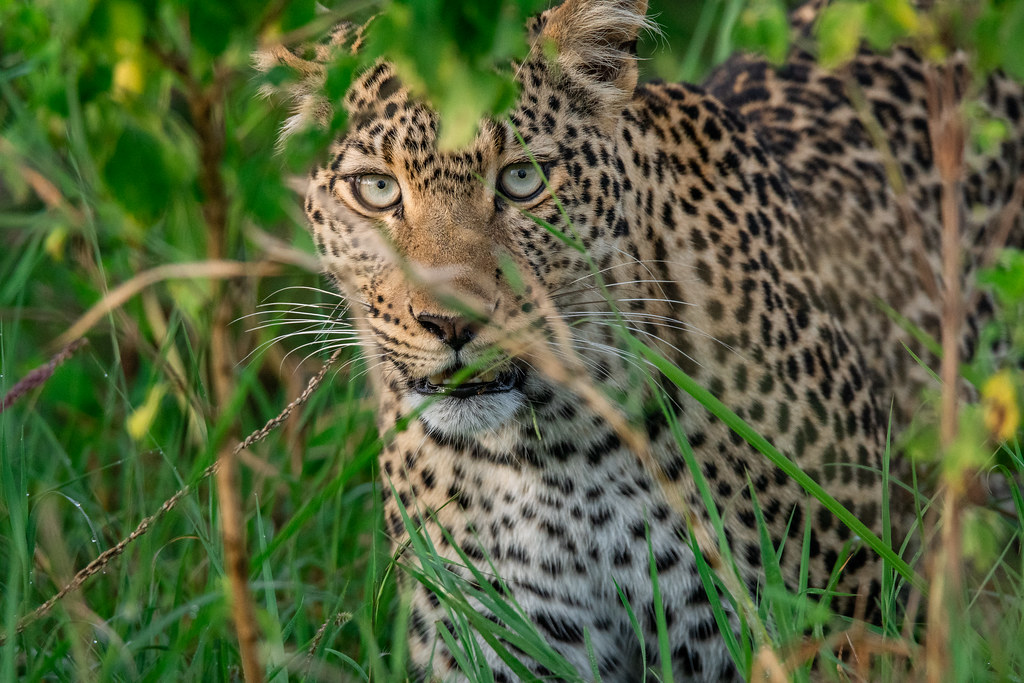
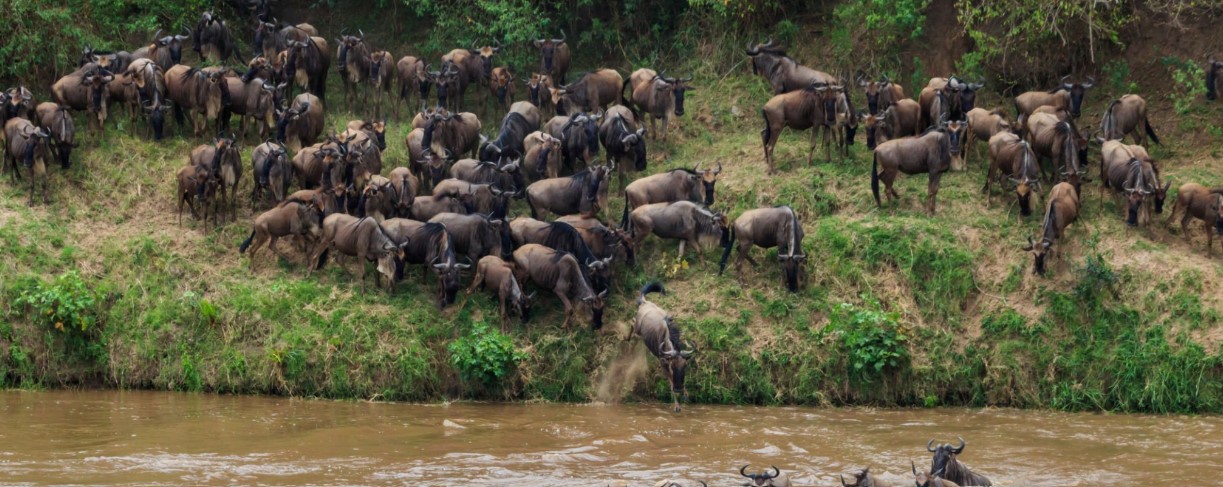
The Serengeti National Park is renowned for its stunning landscapes, diverse wildlife, and the Great Migration. This natural phenomenon sees over two million wildebeest, zebras, and gazelles move across the plains in search of fresh grazing grounds. Visiting the Serengeti is an opportunity to witness predators like lions, cheetahs, and leopards in action, making it a must-see for wildlife enthusiasts.
The Bwindi Gorilla Trekking
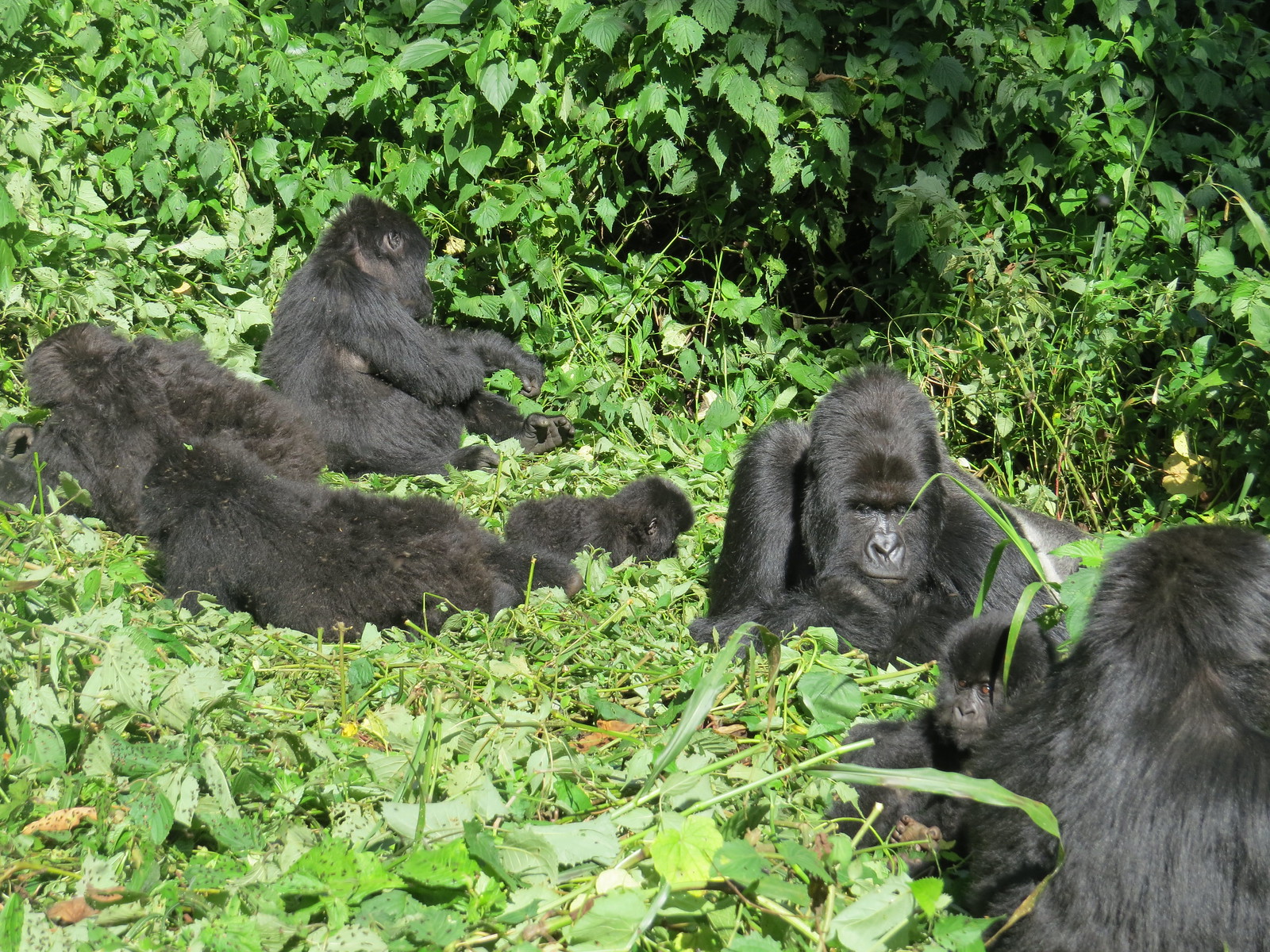
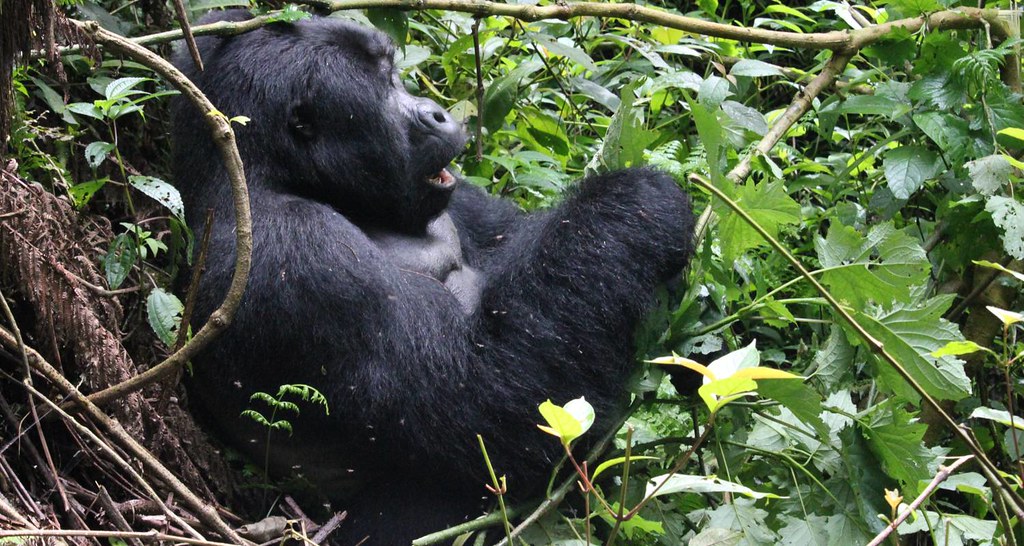
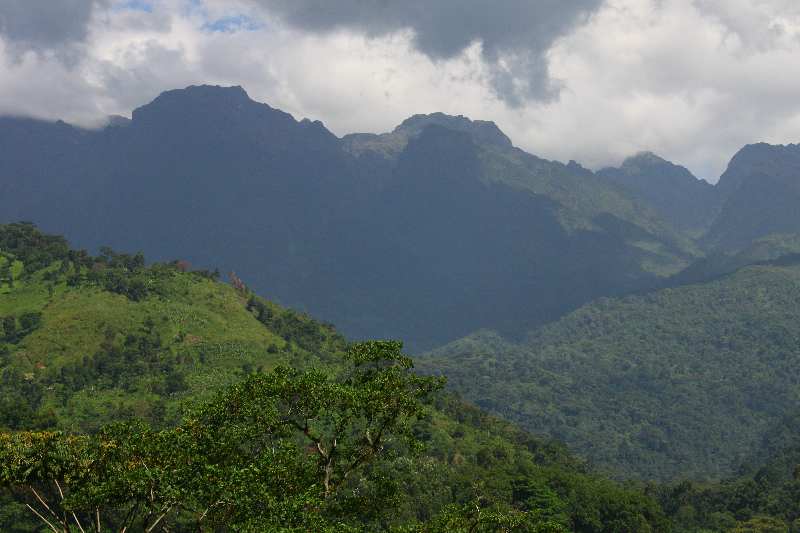
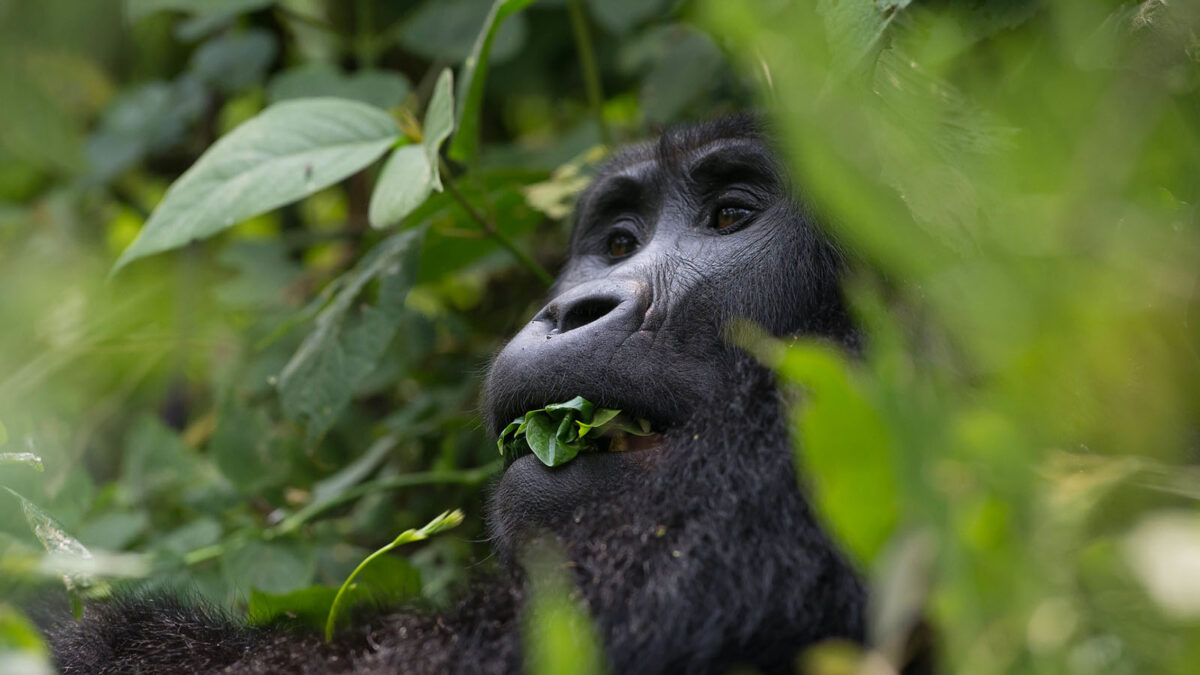
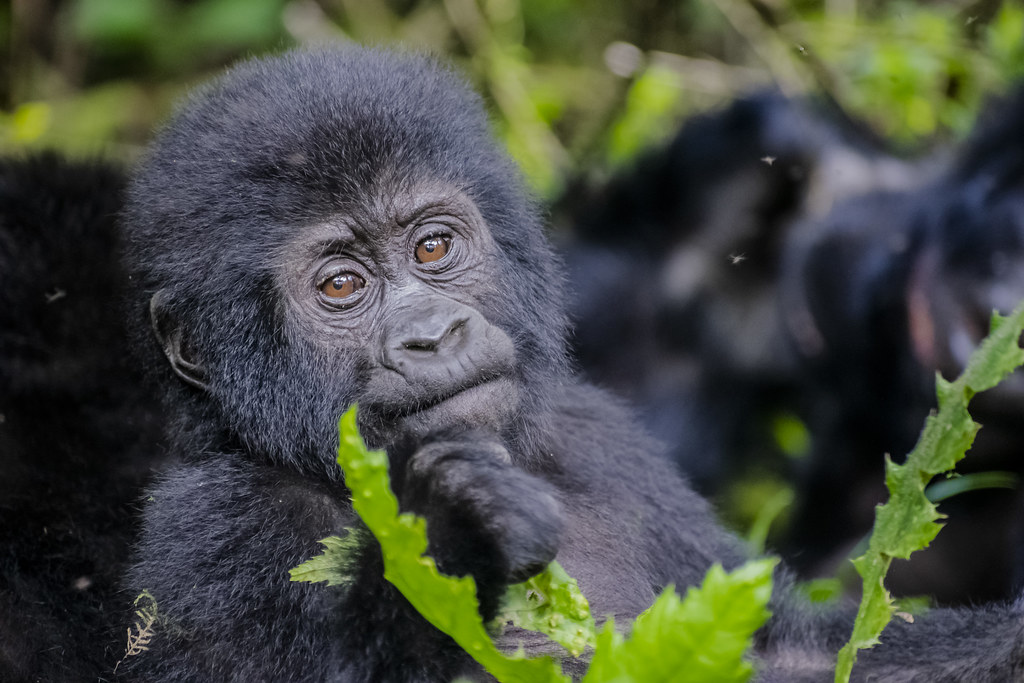
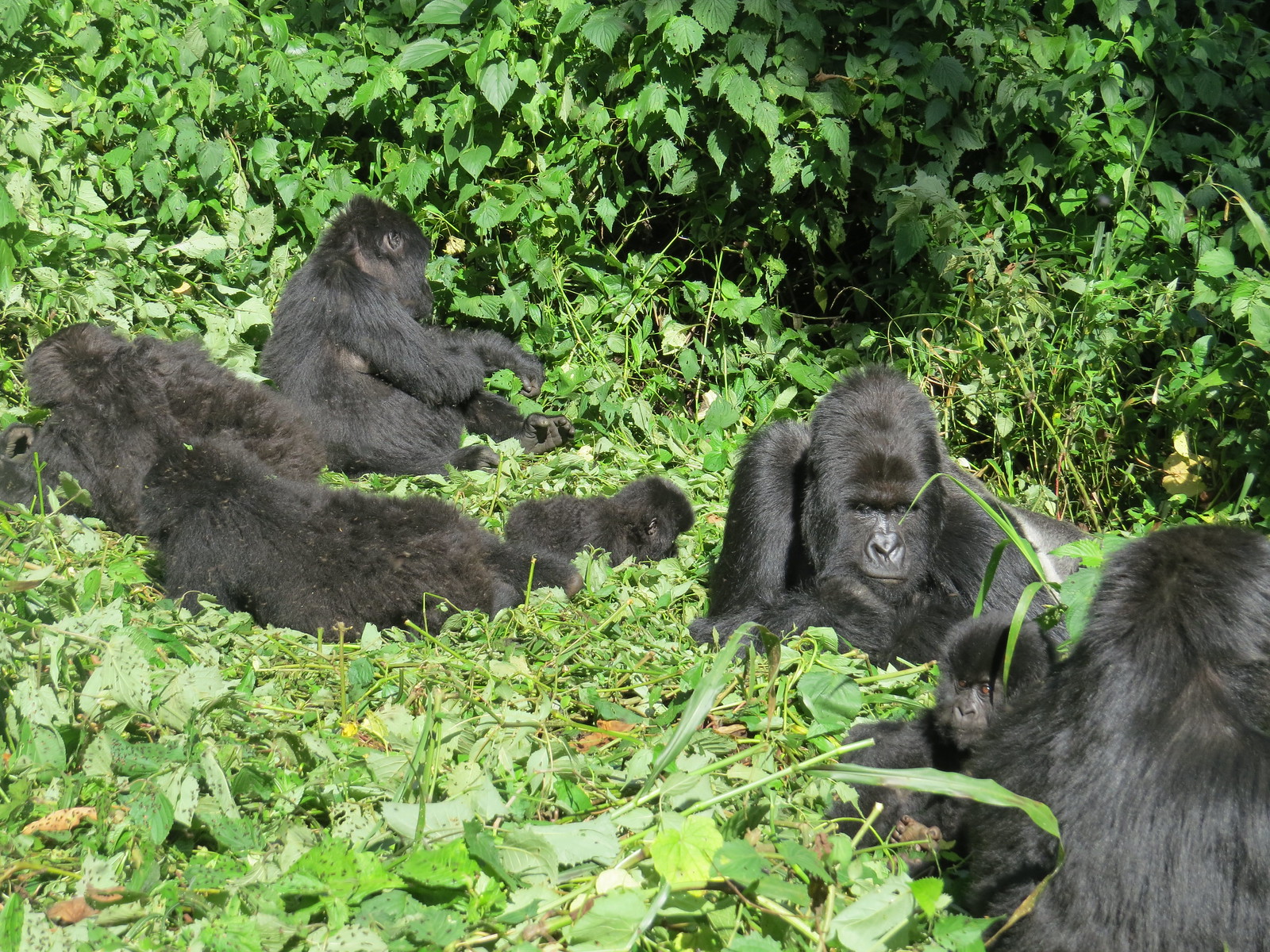
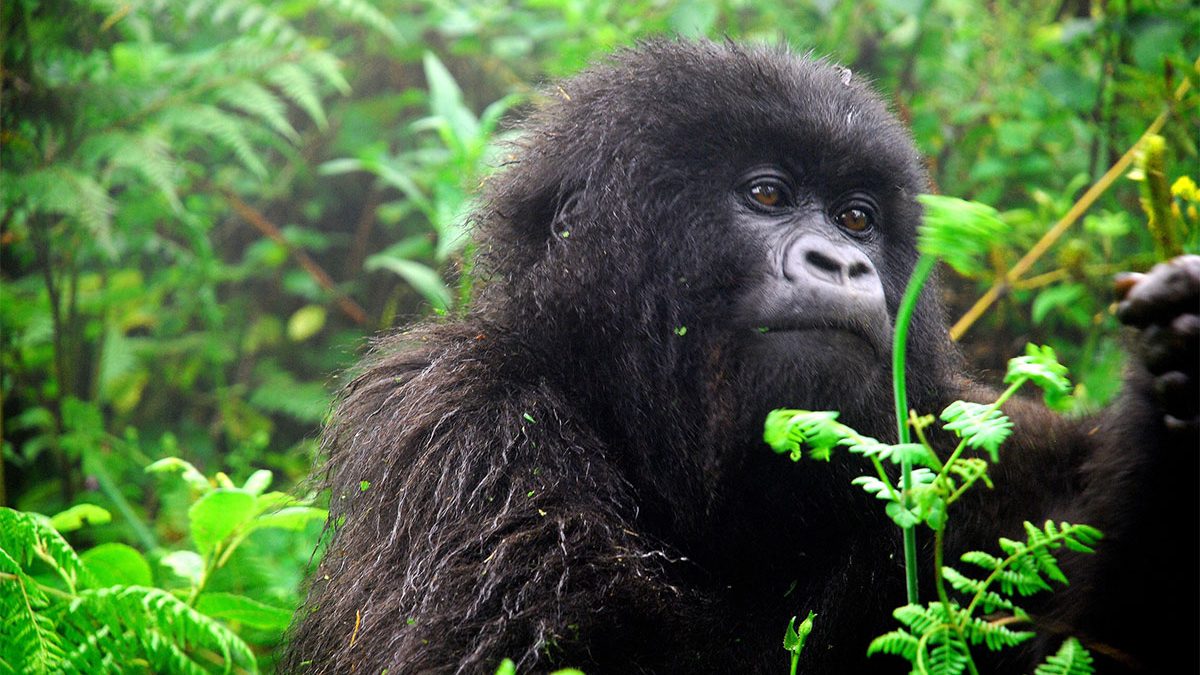
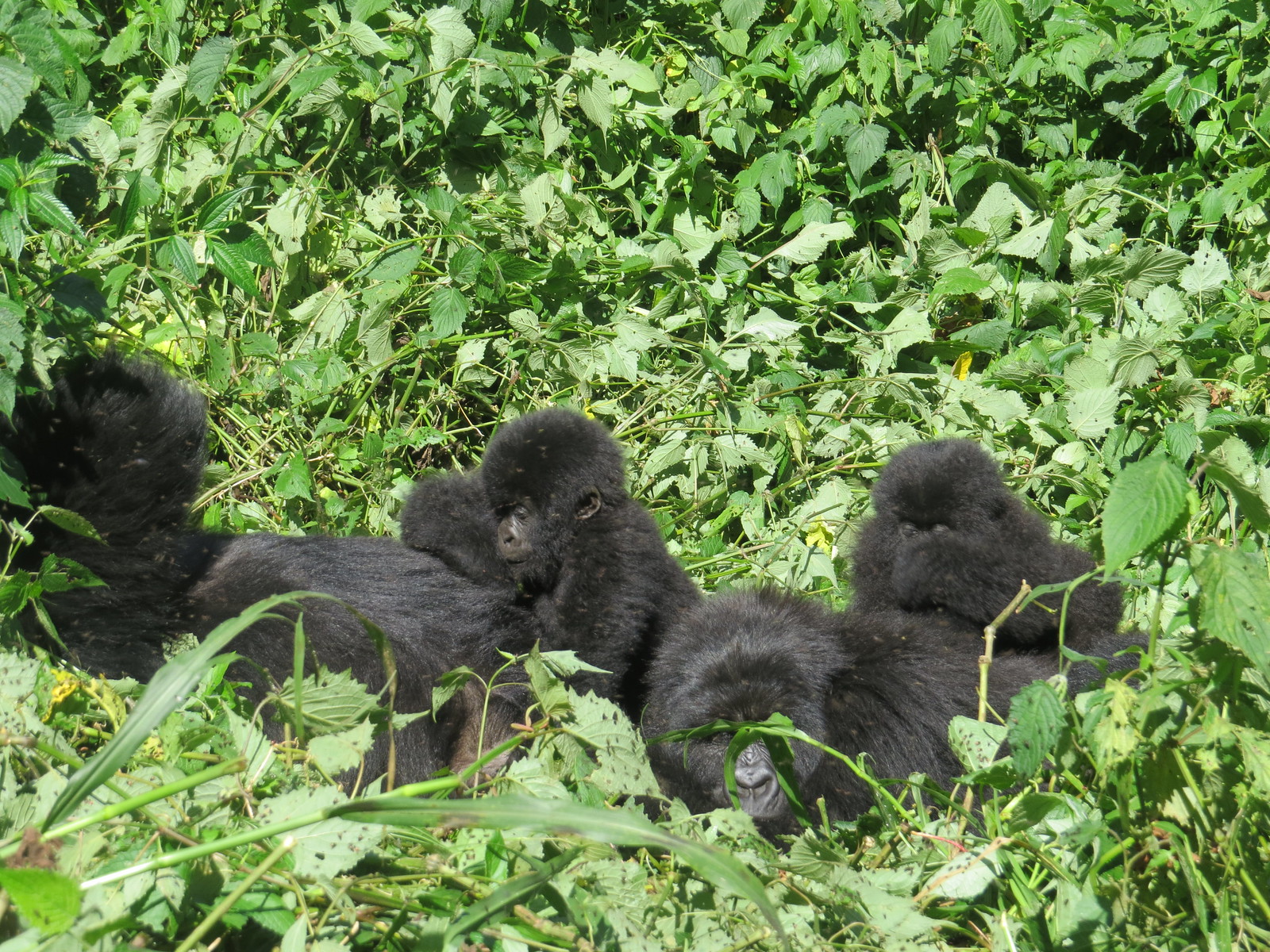
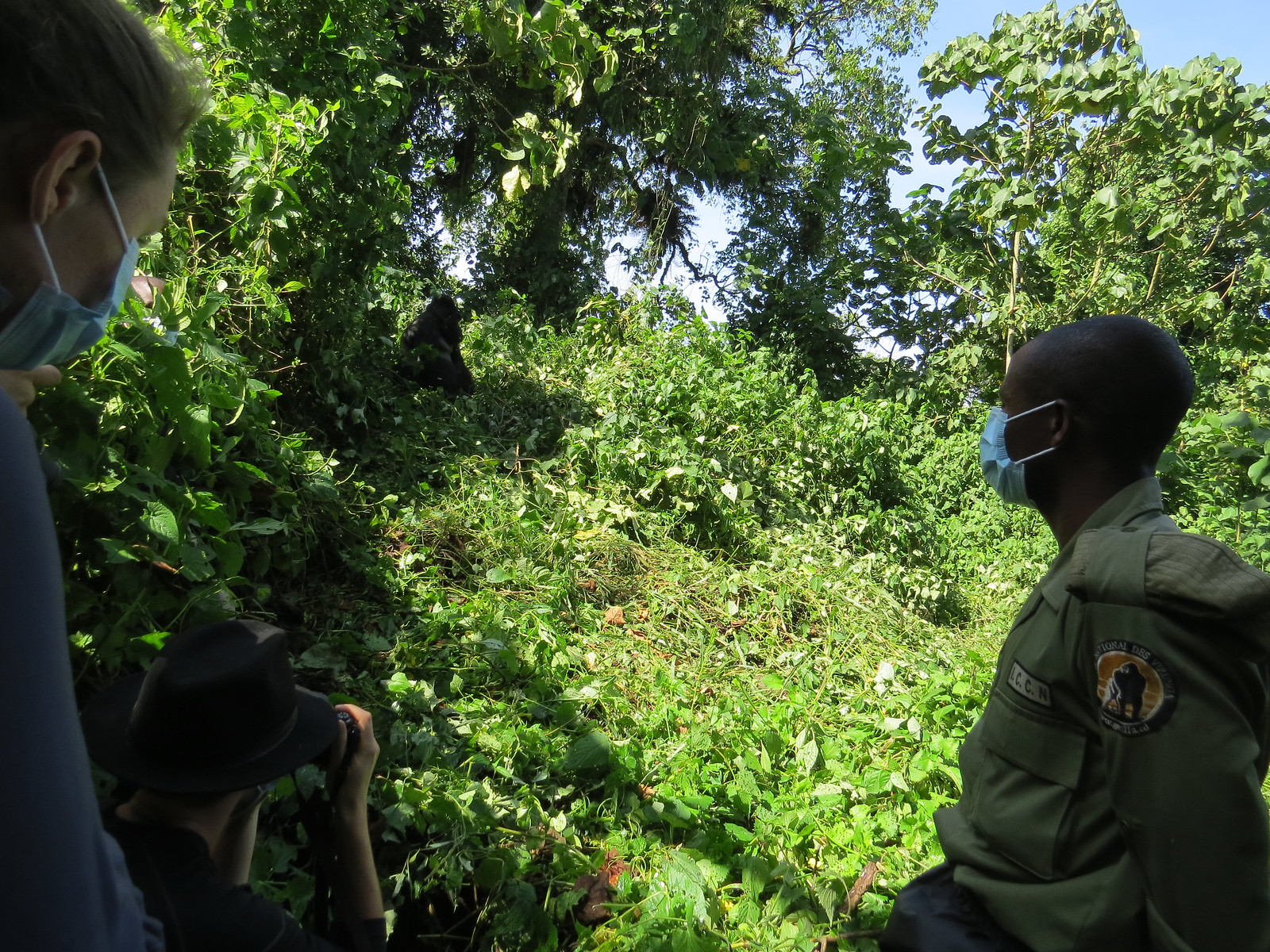
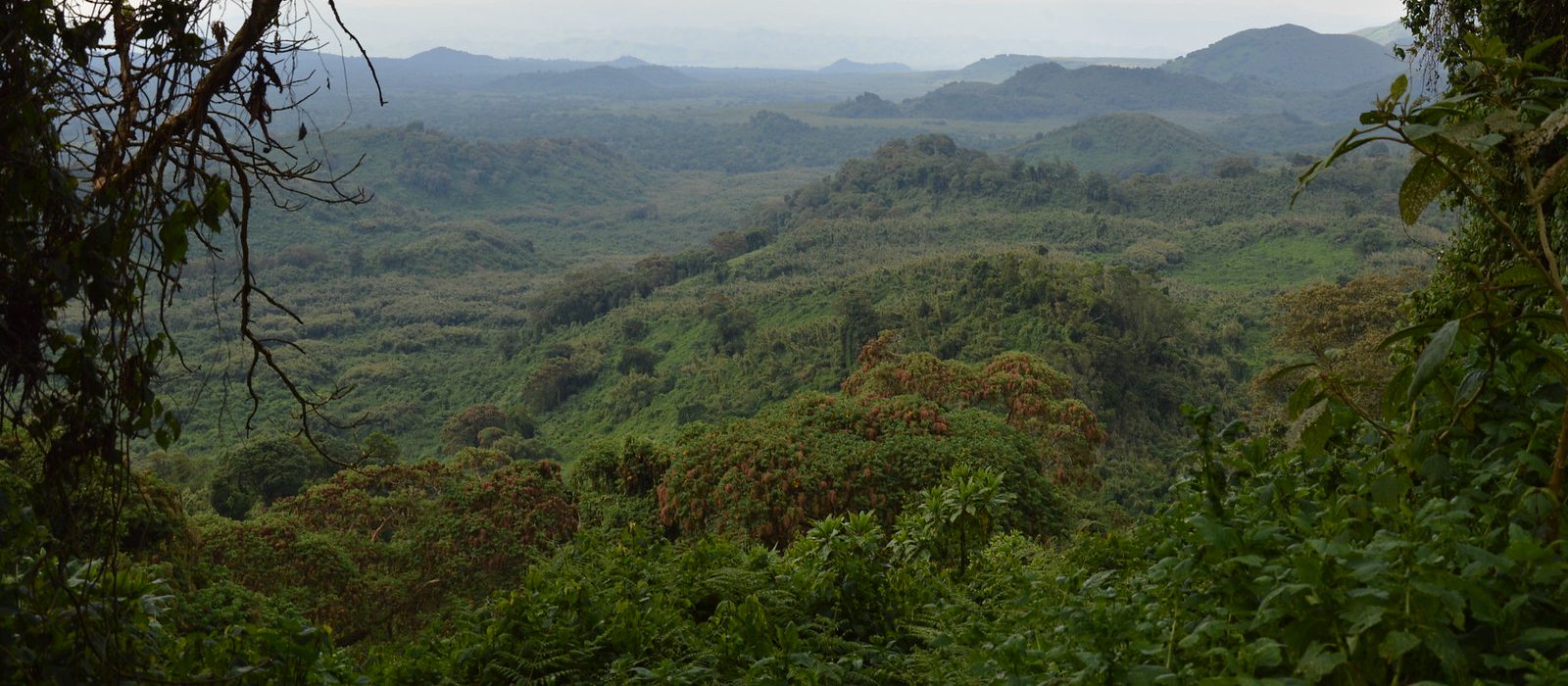
Bwindi Impenetrable National Park in Uganda is home to half of the world’s population of mountain gorillas. Trekking through the dense forest to encounter these gentle giants in their natural habitat is a life-changing experience. The park’s rugged terrain and lush vegetation add to the adventure, providing a stark contrast to the open savannah of the Serengeti.
Planning Your Visit
Best Time to Visit Serengeti and Bwindi
Timing your visit to Serengeti and Bwindi is crucial for the best experience. The Serengeti’s Great Migration can be seen year-round, but the most dramatic crossings of the Mara River typically occur between July and September. For gorilla trekking in Bwindi, the dry seasons from June to September and December to February are ideal, as the trails are less slippery.
Travel Logistics
Flights and Transfers:
- To Serengeti: Most international flights land at Kilimanjaro International Airport (JRO) or Julius Nyerere International Airport (DAR). From there, you can take a domestic flight to one of the airstrips in the Serengeti.
- To Bwindi: Fly into Entebbe International Airport (EBB) in Uganda. From Entebbe, you can take a domestic flight to Kihihi or Kisoro, the closest airstrips to Bwindi. Alternatively, you can opt for a road transfer from Entebbe or Kampala to Bwindi, which takes approximately 8-10 hours.
Visas and Permits
Ensure you obtain the necessary visas for Tanzania and Uganda. For gorilla trekking in Bwindi, you will need a gorilla trekking permit, which costs around $700 for foreign non-residents. It is advisable to book these permits well in advance due to high demand.
Exploring Serengeti National Park
Safari Options
Game Drives: Game drives are the most popular way to explore the Serengeti. Guided by experienced rangers, you’ll traverse the park in 4×4 vehicles, getting up close to the wildlife.
Hot Air Balloon Safaris: For a unique perspective, consider a hot air balloon safari. Floating above the plains at sunrise offers breathtaking views and a chance to see the wildlife from above.
Accommodation
The Serengeti offers a range of accommodation options, from luxury lodges to mobile tented camps. Whether you prefer the comfort of a lodge or the adventure of camping in the wild, there are options to suit all budgets and preferences.
Gorilla Trekking in Bwindi
Trekking Experience
Preparation: Gorilla trekking in Bwindi requires a reasonable level of fitness, as the hikes can be challenging. Wear comfortable hiking boots, long-sleeved shirts, and trousers to protect against the dense undergrowth.
The Trek: Your trekking group will be led by experienced guides and trackers who will take you through the forest to locate a gorilla family. The trek can take anywhere from 1 to 6 hours, depending on the location of the gorillas.
Encounter: Spending time with the gorillas is strictly regulated to one hour to minimize human impact. This precious time allows you to observe the gorillas’ behavior and social interactions up close.
Accommodation
Bwindi Impenetrable National Park offers a variety of lodges and camps, ranging from budget to luxury. Many accommodations provide stunning views of the forest and a tranquil environment to relax after your trek.
Combining Serengeti and Bwindi
Itinerary Suggestions
10-Day Itinerary:
- Day 1-3: Arrive in Tanzania and explore the Serengeti.
- Day 4-6: Continue your Serengeti safari, witnessing the Great Migration.
- Day 7: Travel to Uganda via Entebbe.
- Day 8-10: Gorilla trekking in Bwindi.
14-Day Itinerary:
- Day 1-4: Serengeti safari, including a hot air balloon ride.
- Day 5-7: Visit Ngorongoro Crater and Lake Manyara.
- Day 8: Fly to Uganda and transfer to Bwindi.
- Day 9-12: Gorilla trekking and exploring Bwindi.
- Day 13-14: Return to Entebbe and departure.
Tips for a Successful Trip
- Book Early: Both gorilla permits and accommodation in Serengeti and Bwindi can sell out quickly, so make your reservations well in advance.
- Pack Appropriately: Bring layers for varying weather conditions, comfortable footwear, and insect repellent.
- Stay Hydrated: Carry enough water, especially during the gorilla trek, as it can be physically demanding.
Visiting the Serengeti and Bwindi offers an unparalleled adventure, combining the thrill of a safari with the profound experience of gorilla trekking. From the vast savannahs teeming with wildlife to the dense, mysterious forests of Bwindi, this journey provides a unique glimpse into Africa’s diverse ecosystems and wildlife. Whether you are a seasoned traveler or embarking on your first African adventure, the memories made in Serengeti and Bwindi will last a lifetime. Plan your visit Serengeti and Bwindi adventure today and prepare for an experience like no other.
Related reading: Best time to visit Bwindi Impenetrable National Park and Trek Gorillas From Kigali To Bwindi.
Ready to see it for yourself? Explore our Tanzania safari tours, including the 5 Days Tanzania Safaris itinerary, or get in touch with our safari experts to start planning your trip.
Recommended Tours: 7 Days Kilimanjaro Climbing Machame Route | 8 Days Kilimanjaro Lemosho Route
How to Prepare for Climbing Kilimanjaro
Preparing well is the single most important factor in successfully summiting Mount Kilimanjaro. Unlike technical mountaineering peaks, Kilimanjaro requires no ropes or climbing equipment — but it does demand cardiovascular fitness, mental resilience, and proper acclimatization. Start your preparation at least three months before your climb.
Begin with regular cardiovascular training including hiking, running, cycling, and stair climbing. Aim to hike with a loaded backpack on uneven terrain at least once a week. Strength training focusing on legs and core will help significantly on the steep sections, particularly the Barafu or Stella Point approaches to the summit.
Sleep at altitude before your climb if possible. Even a weekend at a mountain lodge at 3,000m will help your body begin to adapt. On the mountain, the golden rule is “pole pole” — slowly, slowly. Rushing is the most common cause of altitude sickness and failed summits.
Kilimanjaro Routes Compared
There are seven official routes up Kilimanjaro, each with different scenery, difficulty levels, and summit success rates. The most popular routes are:
- Machame Route (6–7 days): Known as the “Whiskey Route” for its challenging terrain, Machame is the most scenic and has a good acclimatization profile. Success rate: ~85% on 7-day itinerary.
- Lemosho Route (7–8 days): Starting from the west, Lemosho offers the most diverse scenery and the best acclimatization profile. Fewer crowds. Success rate: ~90%.
- Marangu Route (5–6 days): The only route with hut accommodation. Called the “Coca-Cola Route,” it is the shortest but has the lowest success rate (~65%) due to insufficient acclimatization time.
- Rongai Route (6–7 days): The only route approaching from the north, near the Kenyan border. Drier and less crowded, with good wildlife sightings in the lower zone.
- Northern Circuit (9 days): The longest route with the highest success rate (~95%). Circles the entire northern hemisphere of the mountain before the summit push.
Frequently Asked Questions About Kilimanjaro
What is the success rate on Kilimanjaro?
Overall summit success rates on Kilimanjaro range from 65% to 95% depending on the route and itinerary length. The most important factor is choosing a route with sufficient days for acclimatization. Seven or more days dramatically increases your chances of reaching Uhuru Peak at 5,895m.
What gear do I need for Kilimanjaro?
Essential gear includes: waterproof hiking boots (worn in advance), a sleeping bag rated to -10°C, thermal base layers, a fleece mid-layer, a waterproof outer shell, trekking poles, a warm hat, gloves, sun protection (sunscreen, sunglasses, lip balm), a headlamp with spare batteries, and a 35–45 litre daypack. Most operators provide a detailed packing list upon booking.
When is the best time to climb Kilimanjaro?
The two best periods for climbing Kilimanjaro are January–March and June–October. These months have clearer skies and drier trails. The wettest months are April–May and November, which bring more challenging conditions but also fewer climbers and lower prices.
Do I need a guide to climb Kilimanjaro?
Yes — it is mandatory to climb Kilimanjaro with a licensed guide. Solo climbing is not permitted in Kilimanjaro National Park. All guides, porters, and cooks must be registered with the Kilimanjaro National Park Authority (KINAPA). Booking through a reputable operator ensures your crew is properly trained, equipped, and fairly compensated.
What to Expect on Each Day of Your Kilimanjaro Climb
Every day on Kilimanjaro brings a change in vegetation zone, climate, and altitude. Understanding what lies ahead helps you pace yourself and stay motivated throughout the climb.
Day 1 — Rainforest Zone (1,800m–2,800m): The climb begins in lush montane rainforest, home to colobus monkeys, colourful birds, and giant ferns. The air is warm and humid. This day is relatively easy with good forest trails.
Day 2–3 — Heather and Moorland Zone (2,800m–4,000m): The vegetation transitions to heather, giant lobelia, and open moorland. Views open up. Temperatures begin to drop noticeably, especially at night. Acclimatization becomes increasingly important.
Day 4–5 — Alpine Desert Zone (4,000m–5,000m): Above the clouds, the landscape turns rocky and sparse. This is where altitude sickness is most common. Many routes include an acclimatization day here — a “climb high, sleep low” profile that helps your body adapt.
Summit Night — Arctic Zone (5,000m–5,895m): The final push to Uhuru Peak typically begins around midnight. The cold is intense (as low as -20°C) and the thin air makes every step an effort. The reward is one of the most dramatic sunrises on earth — and the roof of Africa beneath your feet.
Porters carry your main gear each day, leaving you to carry only a daypack. This support system is one of the things that makes Kilimanjaro accessible to a wide range of hikers and adventurers.
More Uganda Safari Experiences
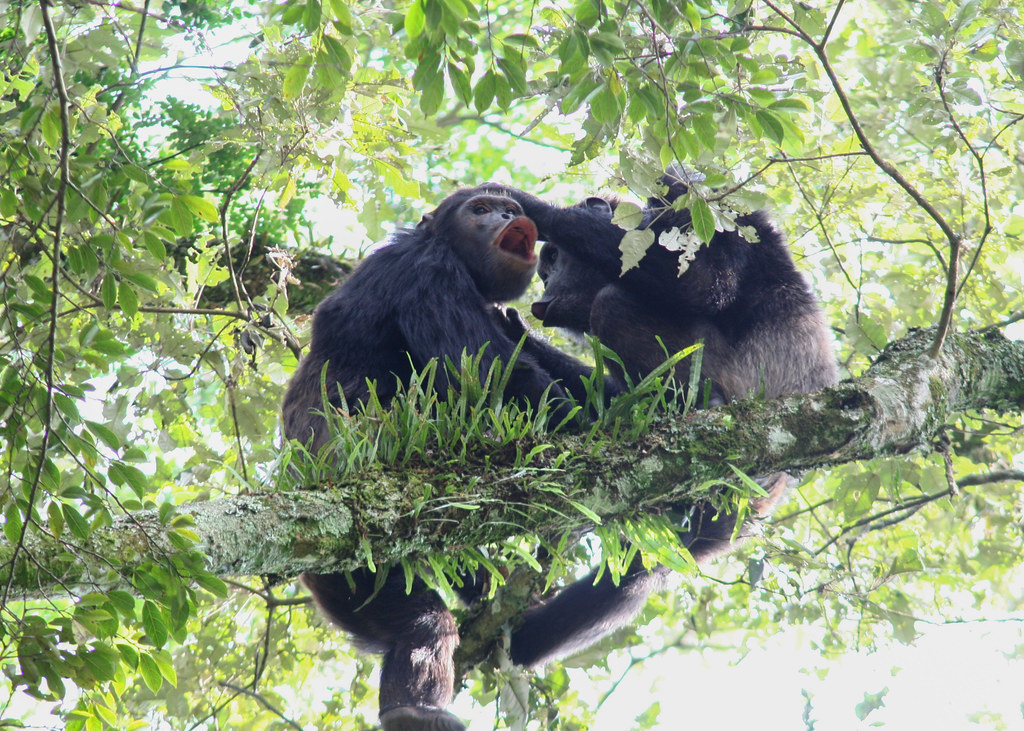
Uganda’s national parks offer extraordinary wildlife encounters alongside gorilla trekking. Game drives in Queen Elizabeth National Park reveal tree-climbing lions, elephants and hippos, while Murchison Falls National Park features Africa’s most powerful waterfall. Combine your gorilla trek with a chimpanzee trekking experience in Kibale Forest, home to over 1,500 chimpanzees. The remote Pian Upe Wildlife Reserve and Katonga Wildlife Reserve offer off-the-beaten-path adventures. Enjoy birding safaris across Uganda’s 1,000+ bird species, or take a hot air balloon safari over the savannah at sunrise. Cultural tour experiences with Batwa communities add unforgettable depth to your journey. Choose from luxury safaris, camping safaris, family safaris, honeymoon safaris, or fly-in safaris tailored to your style. Learn why East Africa Gorilla Safaris is the trusted choice for Uganda adventures.