Leopard Spotting in East Africa: Habits, Habitats and Best Parks
Leopard sightings are often the most elusive yet rewarding wildlife encounters in East Africa. Unlike lions or elephants, leopards are solitary, highly adaptable, and exceptionally good at avoiding human detection. This makes them one of the most sought-after predators on safari, especially in Kenya, Tanzania, and Uganda.
Understanding leopard behavior, habitat preferences, and regional hotspots significantly improves your chances of seeing one in the wild. In ecosystems such as the Masai Mara National Reserve and the Serengeti National Park, leopard encounters are possible year-round, but never guaranteed.
This is not a predictable predator. It is a calculated, silent hunter that rewards patience and knowledge.
What makes leopards different from other big cats
Leopards are built for stealth rather than dominance.
While lions rely on group coordination and cheetahs depend on speed, leopards rely on concealment, strength, and adaptability.
They are solitary hunters and are most active during twilight hours. Their spotted coat provides near-perfect camouflage in wooded and rocky environments, allowing them to remain hidden even at close range.
Unlike other predators, leopards are highly opportunistic. They adjust their diet based on availability, feeding on antelope, birds, small mammals, and occasionally scavenging from other kills.
This adaptability is one reason they are found across a wide range of habitats.
Leopard behavior: the key to spotting them
Leopards are primarily nocturnal and crepuscular, meaning they are most active at dawn and dusk.
During daylight hours, they often rest in trees, dense bush, or rocky outcrops. This behavior helps them avoid competition with lions and hyenas.
One of their most distinctive behaviors is dragging prey into trees. This protects their kill from scavengers and is one of the most reliable indicators of leopard presence in an area.
When tracking leopards, experienced guides look for:
Alarm calls from baboons or antelope
Fresh kill remains in trees
Movement patterns near riverine vegetation
Understanding these behavioral signals is critical for successful sightings.
Leopard habitat preferences in East Africa
Leopards are highly adaptable, but they prefer environments that offer cover and ambush opportunities.
In East Africa, their preferred habitats include:
Riverine forests
Wooded savannahs
Rocky escarpments
Dense bush near water sources
These environments provide both concealment and access to prey.
This is why leopard sightings are often concentrated along river systems and mixed woodland areas rather than open plains.
Best leopard habitats in Kenya
Kenya offers some of the most reliable leopard habitats in Africa.
The Masai Mara ecosystem is particularly strong due to its combination of riverine forest, open plains, and high prey density.
In conservancy areas surrounding the main reserve, lower vehicle density improves the chances of undisturbed sightings.
Leopards in this region are often seen resting in trees during the day or moving between hunting grounds along river systems.
Other strong leopard areas in Kenya include Laikipia and Samburu, where rugged terrain and rocky landscapes provide ideal hiding environments.
Best leopard habitats in Tanzania
In Tanzania, leopard sightings are consistently strong in both northern and southern ecosystems.
The Serengeti supports a stable leopard population, especially around wooded river corridors and kopjes (rocky outcrops).
These granite formations provide perfect vantage points for ambush hunting and resting.
Leopards are frequently observed in central and western Serengeti regions where tree cover is more abundant.
Other key areas include the Ngorongoro Conservation Area, where crater forests and escarpments create ideal conditions for concealment.
Leopard spotting in Uganda and forest ecosystems
In forested environments such as Kibale and Bwindi, leopard sightings are significantly rarer due to dense vegetation.
However, leopards do exist in these ecosystems and are more elusive due to limited visibility.
Here, sightings are often indirect-tracks, sounds, or occasional camera trap records rather than direct observation.
Forest leopards behave differently from savannah populations, relying even more heavily on stealth and nocturnal movement.
How leopards hunt
Leopards are ambush predators.
They rely on short bursts of movement rather than sustained chases. Once prey is identified, they move silently through cover before launching a rapid attack.
Their strength allows them to drag prey significantly heavier than themselves into trees for safe feeding.
This tree-storage behavior reduces competition and is one of the most distinctive ecological strategies among African predators.
Unlike lions, leopards rarely rely on cooperative hunting. Each individual is fully self-sufficient.
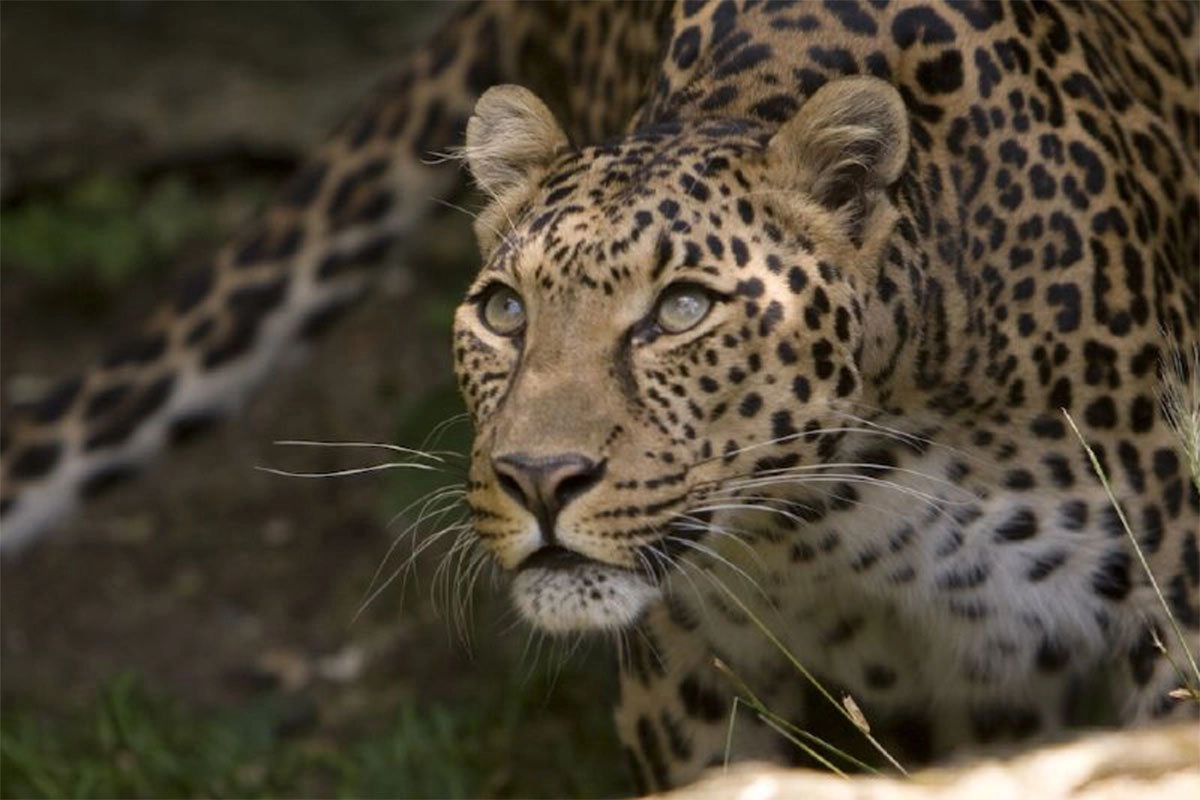
Leopard
Why leopard sightings are unpredictable
Even in strong leopard regions, sightings are never guaranteed.
Several factors contribute to their unpredictability:
Solitary behavior
No fixed territory visibility patterns
Dense habitat preferences
Primarily nocturnal activity
This means leopard encounters depend heavily on timing, guide experience, and luck.
Unlike elephants or giraffes, leopards do not form visible herds or predictable movements.
The role of guides in leopard tracking
Experienced guides play a critical role in leopard sightings.
They interpret subtle environmental cues such as:
Bird alarm calls
Fresh tracks in soft soil
Movement patterns of prey species
Tree positions suitable for resting leopards
In many cases, leopard sightings are the result of coordinated tracking between guides rather than chance encounters.
This is especially true in high-quality conservancy areas where guiding standards are high and vehicle density is low.
Time of day and leopard visibility
The best times to see leopards are early morning and late afternoon.
At sunrise, leopards may still be returning from nighttime hunts or resting in visible locations.
At sunset, they begin to become active again, preparing for nocturnal hunting.
Midday sightings are less common, but resting leopards in trees or shaded areas can still be observed.
Leopards and other predators
Leopards share their environment with lions and hyenas, which influences their behavior.
They avoid direct competition by hunting at different times and using more concealed habitats.
Lions often dominate open areas, while hyenas operate in groups. Leopards compensate by remaining solitary and highly stealth-oriented.
This ecological separation is key to understanding why leopard sightings require more effort than other predators.
Photography challenges and opportunities
Leopards are among the most challenging big cats to photograph.
Their tendency to stay in shaded areas, trees, or dense vegetation creates difficult lighting conditions.
However, when conditions align, they offer some of the most dramatic wildlife images in Africa.
Elevated positions in trees, especially with prey, create iconic photographic opportunities.
Why leopards are a safari highlight
Despite their unpredictability, leopards are often considered the highlight of a safari when seen.
Their combination of elegance, power, and rarity creates a strong emotional impact for travellers.
Unlike lions, which are commonly seen in groups, a leopard encounter feels personal and rare.
This rarity is what defines their value in safari experiences.
The core reality of leopard spotting
Leopard spotting in East Africa is not about guaranteed sightings.
It is about probability, timing, and ecosystem understanding.
Some safaris may produce multiple sightings, while others may not see a leopard at all.
This uncertainty is part of what makes encounters so valuable.
The experience is defined not by frequency, but by significance.