Wildlife Conservation Policies in East Africa
Protecting Nature’s Greatest Treasures
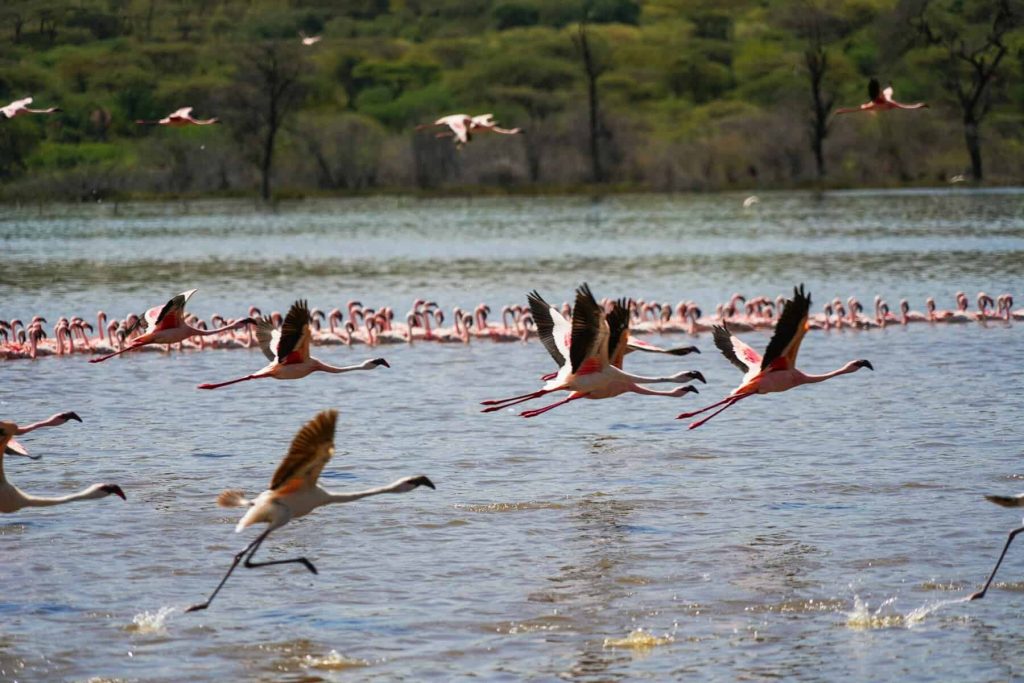
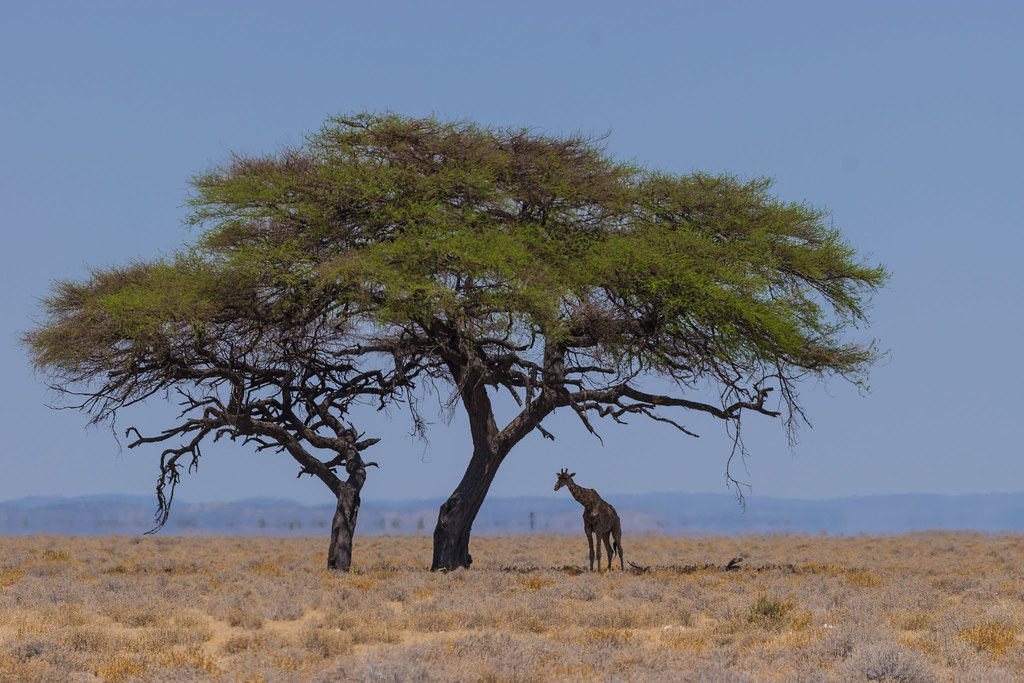
East Africa is world-renowned for its extraordinary wildlife, including elephants, lions, giraffes, rhinos, and countless bird species. From the savannahs of Kenya and Tanzania to the rainforests of Uganda and Rwanda, the region’s ecosystems support some of the most diverse and iconic wildlife populations on Earth. Protecting these animals and their habitats is a priority not only for conservationists but also for local communities, governments, and travelers who recognize the value of responsible tourism.
Wildlife conservation policies in East Africa provide a framework for safeguarding biodiversity, regulating tourism, and mitigating human-wildlife conflict. They aim to balance ecological preservation with economic development, ensuring that natural resources continue to benefit both people and the environment. Understanding these policies is essential for anyone planning to travel in the region, as they influence how parks operate, how tourists engage with wildlife, and how communities interact with protected areas.
The Role of National Parks and Reserves
National parks, wildlife reserves, and conservancies are the backbone of wildlife protection in East Africa. Countries like Kenya, Tanzania, Uganda, and Rwanda have established extensive protected areas that safeguard critical habitats and species.
In Kenya, for example, the Kenya Wildlife Service (KWS) manages national parks and reserves, implementing policies that regulate human activity, prevent poaching, and promote sustainable tourism. The Maasai Mara National Reserve and Amboseli National Park are not only vital for conservation but also serve as major tourist attractions that generate revenue for local communities.
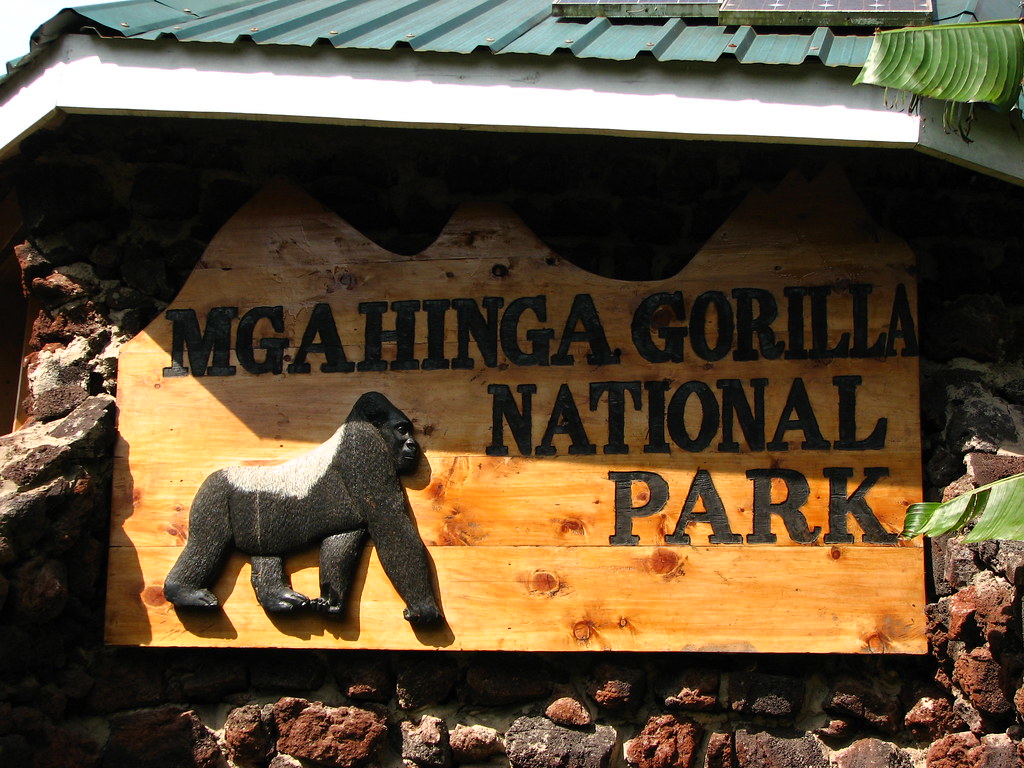
Tanzania follows a similar model, with the Tanzania National Parks Authority (TANAPA) overseeing parks such as Serengeti, Ngorongoro Conservation Area, and Tarangire. TANAPA enforces strict regulations on hunting, vehicle access, and wildlife interactions to maintain ecological balance. Uganda’s Uganda Wildlife Authority (UWA) manages parks like Murchison Falls, Queen Elizabeth, and Bwindi Impenetrable Forest, ensuring that tourism and local livelihoods coexist with conservation goals.
These parks operate under legal frameworks that define allowable activities, enforce anti-poaching measures, and create guidelines for tourism operations. Conservation policies often include community involvement, ensuring that local populations benefit economically from protecting wildlife rather than exploiting it unsustainably.
Anti-Poaching and Wildlife Protection Laws
One of the most critical components of wildlife conservation policies in East Africa is the fight against poaching. Illegal hunting of elephants for ivory, rhinos for horns, and other endangered species poses a significant threat to biodiversity.
Governments have implemented strict anti-poaching laws, including severe penalties for offenders and organized patrols to monitor protected areas. Advanced technology, such as drones, GPS tracking, and surveillance cameras, is increasingly used to detect and prevent illegal activity. International cooperation also plays a role, with cross-border agreements helping combat trafficking of wildlife products.
These measures are complemented by community-based conservation programs, which provide local people with incentives to protect wildlife. By linking conservation success to economic benefits, communities are more likely to participate in anti-poaching initiatives rather than tolerate illegal hunting.
Community-Based Wildlife Conservation
East African conservation policies emphasize the role of local communities in protecting wildlife. Community-based conservation initiatives involve residents in decision-making and provide economic opportunities linked to wildlife protection.
For example, in Kenya, conservancies like the Lewa Wildlife Conservancy employ local people as guides, rangers, and hospitality staff while reinvesting tourism revenue into community development. Similarly, Tanzania and Uganda promote community wildlife management areas where locals receive benefits from sustainable tourism, education programs, and healthcare projects funded by conservation funds.
By aligning community interests with conservation goals, these policies reduce human-wildlife conflict, such as crop raiding by elephants or predation by lions, and encourage stewardship over natural resources.
Tourism Regulations and Sustainability
Tourism is a major economic driver in East Africa, and wildlife conservation policies regulate how travelers interact with nature. Guidelines often dictate vehicle access, permitted numbers of visitors, and rules for wildlife encounters to prevent habitat degradation and stress on animals.
Policies also promote sustainable practices within lodges and safari operators. Many national parks require tour companies to follow environmentally friendly guidelines, such as using low-impact vehicles, minimizing waste, and employing trained guides who educate tourists on responsible wildlife observation.
This framework ensures that tourism supports conservation rather than harming it, creating a balance between economic growth and ecological sustainability.
Research, Monitoring, and Policy Development
Effective wildlife conservation relies on ongoing research and monitoring. Governments and conservation organizations collect data on animal populations, migration patterns, and ecosystem health to inform policy decisions.
Policies in East Africa are regularly updated based on scientific findings, such as adjusting anti-poaching strategies, modifying land-use plans, or implementing new tourism regulations. Collaboration between governments, NGOs, and international agencies ensures that policies remain effective and adaptive to emerging challenges, including climate change and habitat fragmentation.
Regional Cooperation
Wildlife does not recognize national boundaries, and many species migrate across multiple countries. Regional cooperation is therefore a cornerstone of East African conservation policies.
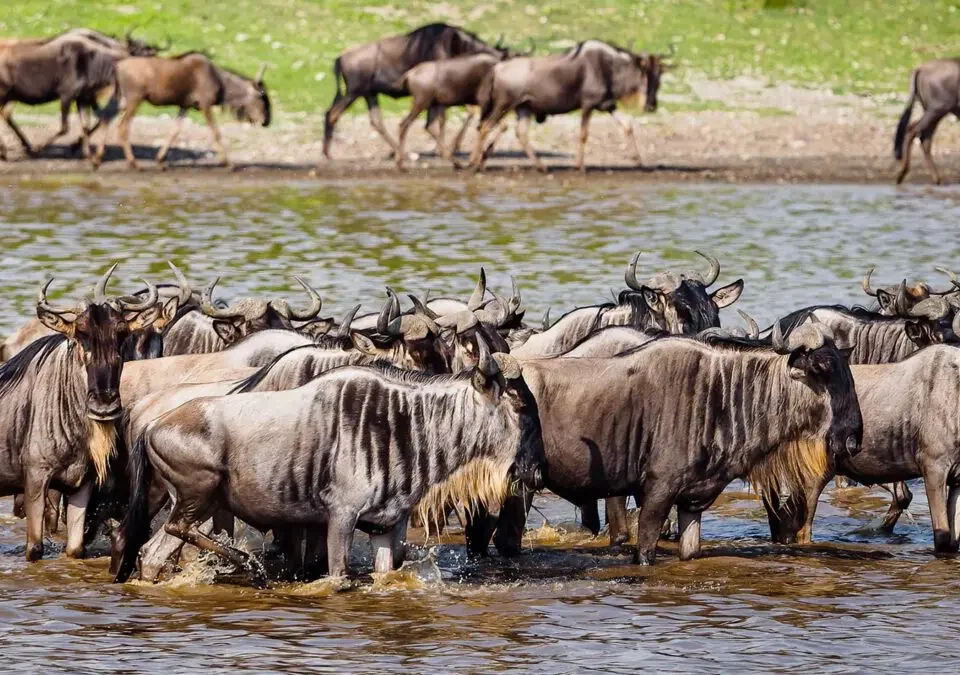
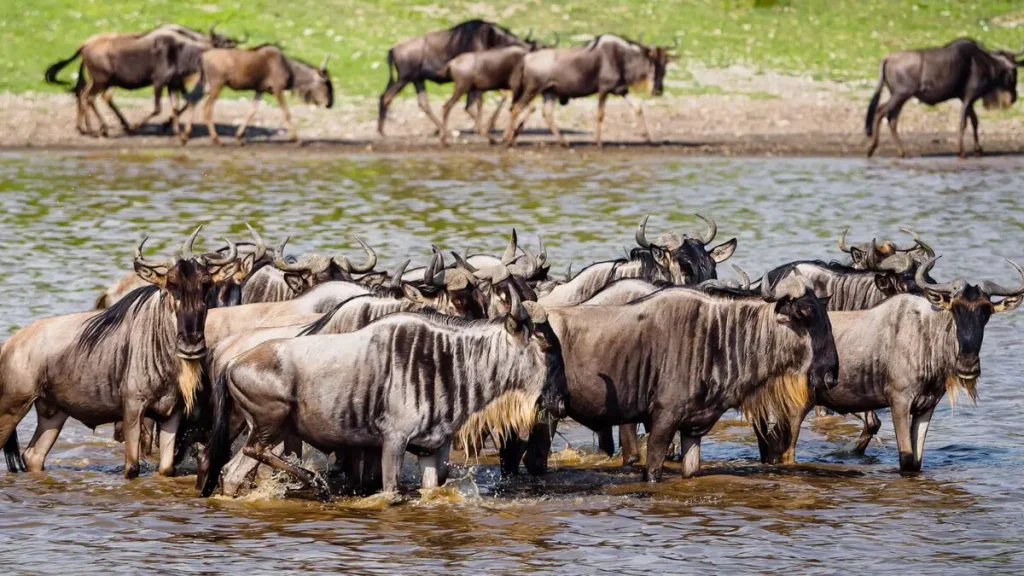
The Northern Tanzania-Kenya ecosystem, for example, relies on cross-border agreements to protect the Serengeti-Maasai Mara migration of wildebeest, zebras, and other herbivores. Similarly, elephant populations that move between Uganda, Rwanda, and the Democratic Republic of Congo benefit from coordinated anti-poaching and habitat protection efforts.
Regional treaties, joint patrols, and shared research initiatives strengthen conservation outcomes and ensure that species survival is managed on a landscape scale rather than within isolated borders.
Challenges and Future Directions
Despite strong policies, East Africa faces ongoing challenges in wildlife conservation. Human population growth, habitat loss, climate change, and illegal wildlife trade continue to threaten biodiversity. Balancing economic development with environmental protection remains a delicate task.
Future directions include integrating more community-driven conservation projects, enhancing technology for monitoring wildlife, and expanding education programs for both locals and tourists. Policy-makers are also exploring sustainable funding models, such as conservation trust funds and eco-tourism levies, to ensure long-term protection of wildlife and habitats.
Protecting East Africa’s Wildlife Heritage
Wildlife conservation policies in East Africa play a vital role in safeguarding some of the planet’s most iconic species and landscapes. By combining legal frameworks, anti-poaching initiatives, community involvement, sustainable tourism, and regional cooperation, these policies create a holistic approach to conservation.
For travelers, understanding these policies enhances the safari experience and promotes responsible engagement with nature. By supporting protected areas, respecting park guidelines, and choosing ethical operators, visitors contribute directly to the preservation of East Africa’s wildlife heritage.
East Africa’s conservation success depends on the collaboration of governments, communities, tourists, and conservationists alike. With continued commitment, these policies ensure that future generations can witness the grandeur of the region’s wildlife and the ecosystems that sustain it.