
Discovering East Africa One Drink at a Time
One of the easiest ways to experience East African culture is by trying the drinks that locals enjoy every day. Whether you are relaxing at a safari lodge after an exciting game drive, sharing stories around a campfire, or sitting at a lakeside restaurant watching the sunset, a cold local beer or a traditional drink often becomes part of the experience.
East Africa has a rich drinking culture shaped by its agriculture, climate, and diverse communities. Uganda, Kenya, Tanzania, and Rwanda each produce award-winning beers, refreshing soft drinks, tropical fruit juices, coffee, tea, and traditional beverages that have been enjoyed for generations. Some drinks are produced by large commercial breweries, while others are handmade using recipes passed down through families and villages.
For travellers, tasting local drinks offers more than refreshment. It provides an opportunity to connect with local traditions, support regional producers, and discover flavours that may be completely different from those found back home.
Uganda’s Favourite Local Beers
Uganda has one of East Africa’s strongest beer cultures. Whether you are in Kampala, Entebbe, Jinja, or relaxing at a lodge overlooking Queen Elizabeth National Park, local beers are widely available.
One of the country’s most recognised brands is Nile Special. Brewed using locally grown barley, it has a smooth, balanced taste that appeals to many visitors. It is commonly served at hotels, restaurants, and safari camps throughout Uganda.
Bell Lager is another long-standing favourite. It has been part of Uganda’s brewing history for decades and remains popular among locals. The beer is light, refreshing, and particularly enjoyable after a warm afternoon exploring national parks.
Club Pilsner is another excellent choice for travellers looking for a crisp lager. It has built a loyal following across Uganda and is often found alongside other local brands in restaurants and supermarkets.
Uganda also produces Eagle Lager, which stands out because it is brewed using locally grown sorghum rather than imported barley. Supporting Eagle Lager also supports thousands of Ugandan farmers who supply the grain used in its production.
Craft beer is gradually becoming more popular in Uganda, especially in Kampala, where several small breweries and restaurants produce unique seasonal beers inspired by local ingredients.
Kenya’s Famous Beer Scene
Kenya is home to one of Africa’s most recognised beer brands, Tusker Lager.
Named after the elephant, Tusker has become almost synonymous with Kenyan hospitality. Whether you are watching the sunset in the Maasai Mara or relaxing after climbing Mount Kenya, there is a good chance Tusker will be available.
The beer was first brewed in the early twentieth century and has since become one of East Africa’s most successful beverage brands. Visitors often describe it as smooth, refreshing, and easy to enjoy in warm weather.
Another popular choice is White Cap Lager, named after Kenya’s snow-capped Mount Kenya. It has a lighter flavour and remains a favourite among many local beer enthusiasts.
Kenya also produces several premium and dark beers, giving visitors plenty of options depending on personal taste.
Nairobi’s growing craft beer movement has introduced breweries producing pale ales, wheat beers, stouts, and seasonal creations using local fruits and spices.
Tanzania’s Well-Known Local Brews
Tanzania offers several excellent local beers that have become favourites among safari travellers.
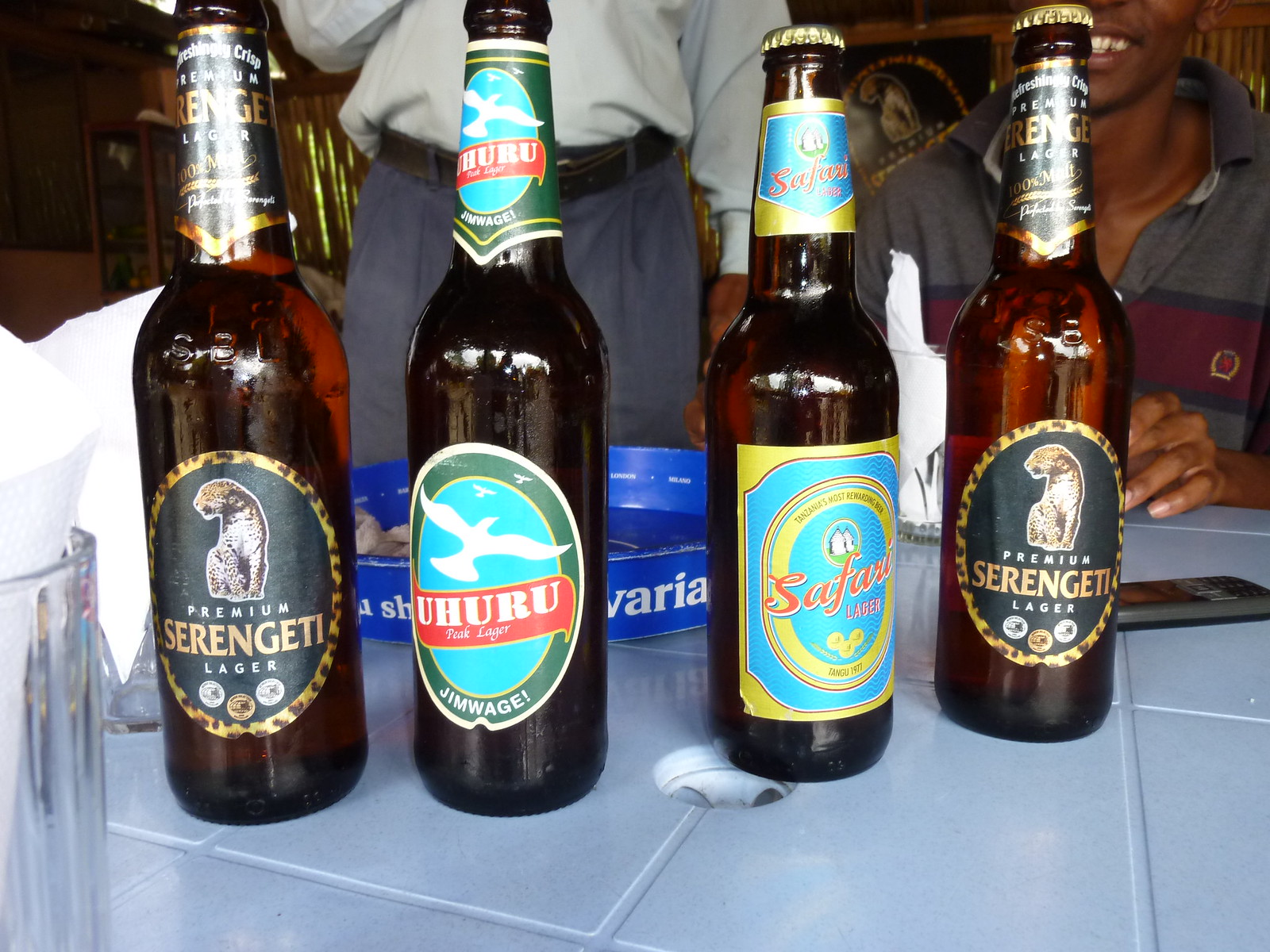
Safari Lager is perhaps the country’s best-known beer. Its name perfectly reflects Tanzania’s reputation as one of Africa’s leading safari destinations. After a day exploring the Serengeti or Ngorongoro Conservation Area, many visitors enjoy a cold Safari Lager while watching wildlife from their lodge.
Kilimanjaro Premium Lager is another respected Tanzanian beer. Named after Africa’s highest mountain, it has earned a reputation for its clean taste and consistent quality.
Serengeti Lager also celebrates Tanzania’s famous landscapes. It is widely available throughout the country and has become increasingly popular among both locals and international visitors.
Many restaurants along the coast also serve locally produced fruit wines and cocktails prepared using tropical fruits such as mangoes, pineapples, passion fruit, and coconuts.
Rwanda’s Popular Drinks
Rwanda has a smaller brewing industry than some of its neighbours but still offers several quality local beverages.
Primus remains one of the country’s best-known beers and is commonly served in restaurants, hotels, and bars across Kigali and other towns.
Mützig, originally introduced from Europe, has developed a strong following within Rwanda and several neighbouring countries. Many travellers appreciate its fuller flavour compared to lighter lagers.
Rwanda is also becoming known for its specialty coffee. Coffee farms around the country produce high-quality Arabica beans that are exported worldwide. Visiting a coffee plantation gives travellers an opportunity to learn about production while enjoying freshly roasted coffee at its source.
Traditional African Beverages Worth Trying
Commercial beers are only part of East Africa’s drinking culture. Traditional beverages remain important in many rural communities and cultural ceremonies.
Banana beer is widely produced in parts of Uganda, Rwanda, and Tanzania. Despite its name, it tastes quite different from commercial beer. It is made by fermenting ripe bananas with grains such as sorghum or millet. The result is a mildly alcoholic drink with a thick texture and distinctive flavour.
Millet beer has been enjoyed for centuries in many East African communities. Preparation methods vary between regions, with each community adding its own traditions.
Honey wine, sometimes called local mead, is another traditional beverage prepared by fermenting honey with water and natural yeast. Some communities reserve it for weddings, celebrations, and important cultural events.
Travellers interested in cultural tourism may have opportunities to observe traditional brewing techniques during village visits or community experiences.
East Africa’s Outstanding Coffee
East Africa produces some of the world’s finest coffee.
Uganda is Africa’s second-largest coffee producer and is famous for both Robusta and Arabica varieties. Coffee-growing regions such as Mount Elgon and the Rwenzori Mountains produce beans with distinctive flavours.
Kenya’s high-altitude coffee farms consistently produce premium Arabica coffee recognised internationally for its bright acidity and fruity notes.
Tanzania’s coffee regions around Mount Kilimanjaro and the southern highlands also contribute exceptional beans to global markets.
Rwanda has earned worldwide recognition for specialty coffee grown in volcanic soils. Many travellers return home remembering not only the wildlife but also the exceptional coffee served during their safari.
Visiting coffee farms has become an increasingly popular activity, allowing visitors to follow the journey from bean to cup.
Tea Is Equally Important
While coffee often receives international attention, tea plays an equally significant role across East Africa.
Uganda, Kenya, and Rwanda all produce excellent black tea. Kenya ranks among the world’s largest tea exporters, supplying high-quality tea to markets around the globe.
Driving through tea-growing regions reveals endless rolling hills covered in bright green tea bushes. Workers carefully harvest young leaves by hand before they are processed in nearby factories.
Many tea estates welcome visitors interested in learning about cultivation and production while enjoying freshly brewed tea overlooking scenic plantations.
Fresh Fruit Juices Everywhere
East Africa’s tropical climate provides an abundance of fresh fruits throughout much of the year.
Hotels, safari lodges, and restaurants commonly serve freshly prepared mango, passion fruit, pineapple, watermelon, avocado, papaya, sugarcane, and tamarind juices.
Passion fruit juice is especially popular because of its refreshing balance between sweetness and acidity.
Fresh coconut water is widely available along the Kenyan and Tanzanian coasts, offering natural hydration during warm afternoons.
Unlike packaged drinks, these juices are often prepared moments before serving, preserving their fresh flavours.
Soft Drinks with Local Popularity
International soft drink brands are widely available across East Africa, but several locally produced beverages remain favourites.
Stoney Tangawizi, a ginger-flavoured soft drink, has become particularly popular in Kenya and Tanzania. Its spicy ginger taste makes it a refreshing companion to grilled meat and local dishes.
Many local bottling companies also produce flavoured sodas, tonic water, mineral water, and sparkling drinks using regional fruit flavours.
Responsible Drinking During Safari
Although enjoying local beverages can enhance your travel experience, moderation remains important, especially during active safari holidays.
Game drives often begin before sunrise, requiring early mornings and long days outdoors. Staying hydrated with water is essential, particularly in warm climates where dehydration can occur quickly.
If participating in activities such as gorilla trekking, mountain hiking, or long walking safaris, avoid excessive alcohol the evening before. Good physical condition makes these adventures more comfortable and enjoyable.
Always drink responsibly and follow local laws regarding alcohol consumption.
Pairing Local Drinks with East African Cuisine
Sampling local drinks becomes even more enjoyable when paired with traditional food.
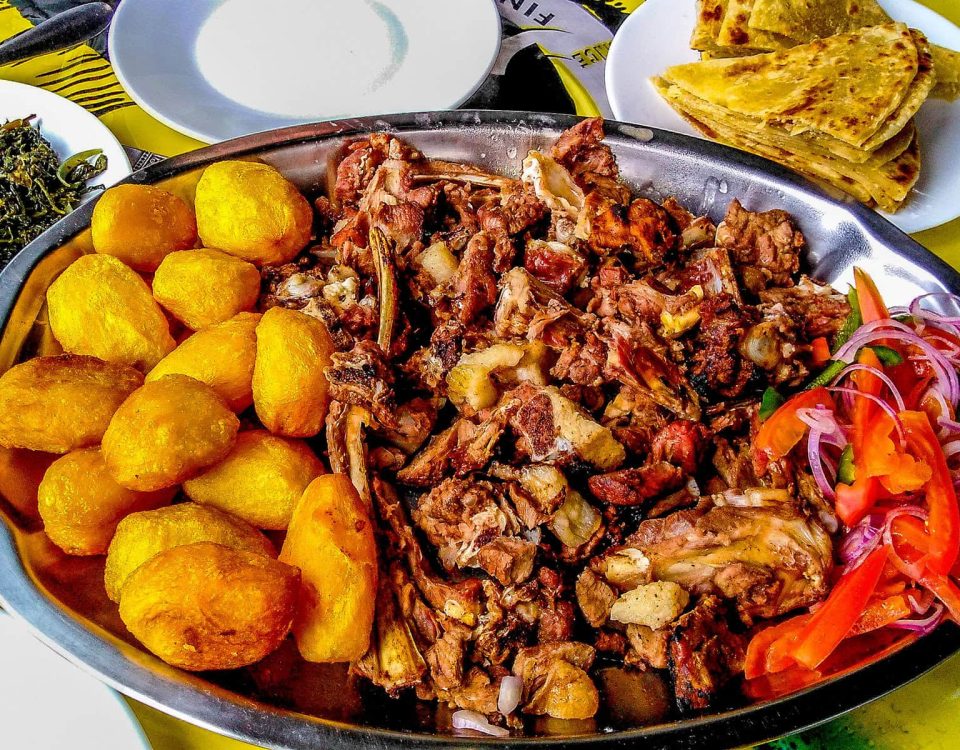
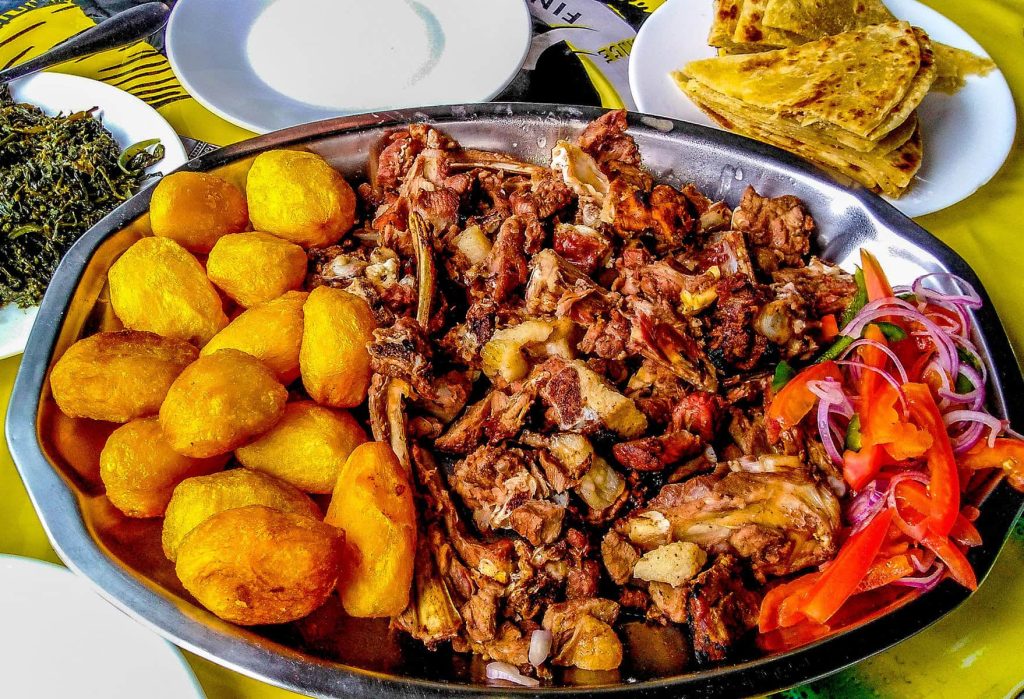
A cold lager complements grilled goat, nyama choma, or roasted beef served throughout Kenya, Uganda, and Tanzania.
Fresh fruit juice pairs perfectly with tilapia from Lake Victoria, while locally grown coffee provides an excellent finish after a meal featuring matoke, ugali, beans, or chapati.
Trying these combinations allows travellers to experience the full flavour of East African hospitality.
More Than Just a Refreshment
Every drink tells part of East Africa’s story. A bottle of locally brewed beer reflects generations of agricultural knowledge, modern brewing techniques, and regional pride. A cup of freshly roasted coffee represents months of careful cultivation by farming families. Traditional beverages preserve customs that have been passed from one generation to the next.
Whether you are watching elephants from a lodge in Uganda, enjoying a sunset in the Maasai Mara, exploring the Serengeti, or relaxing after gorilla trekking in Rwanda, taking time to sample local drinks adds another layer to your journey.
Long after your safari ends, the taste of a cold local lager, freshly brewed coffee, or sweet tropical fruit juice may become one of the memories that brings you back to East Africa.
Recommended Tours: 6 Days Tanzania Wildlife Safari | 5 Days Ngorongoro & Serengeti Safari